
If you’ve ever been in Cabo and thought, “Wait… how do people cross that road safely?”—you’re not imagining things.
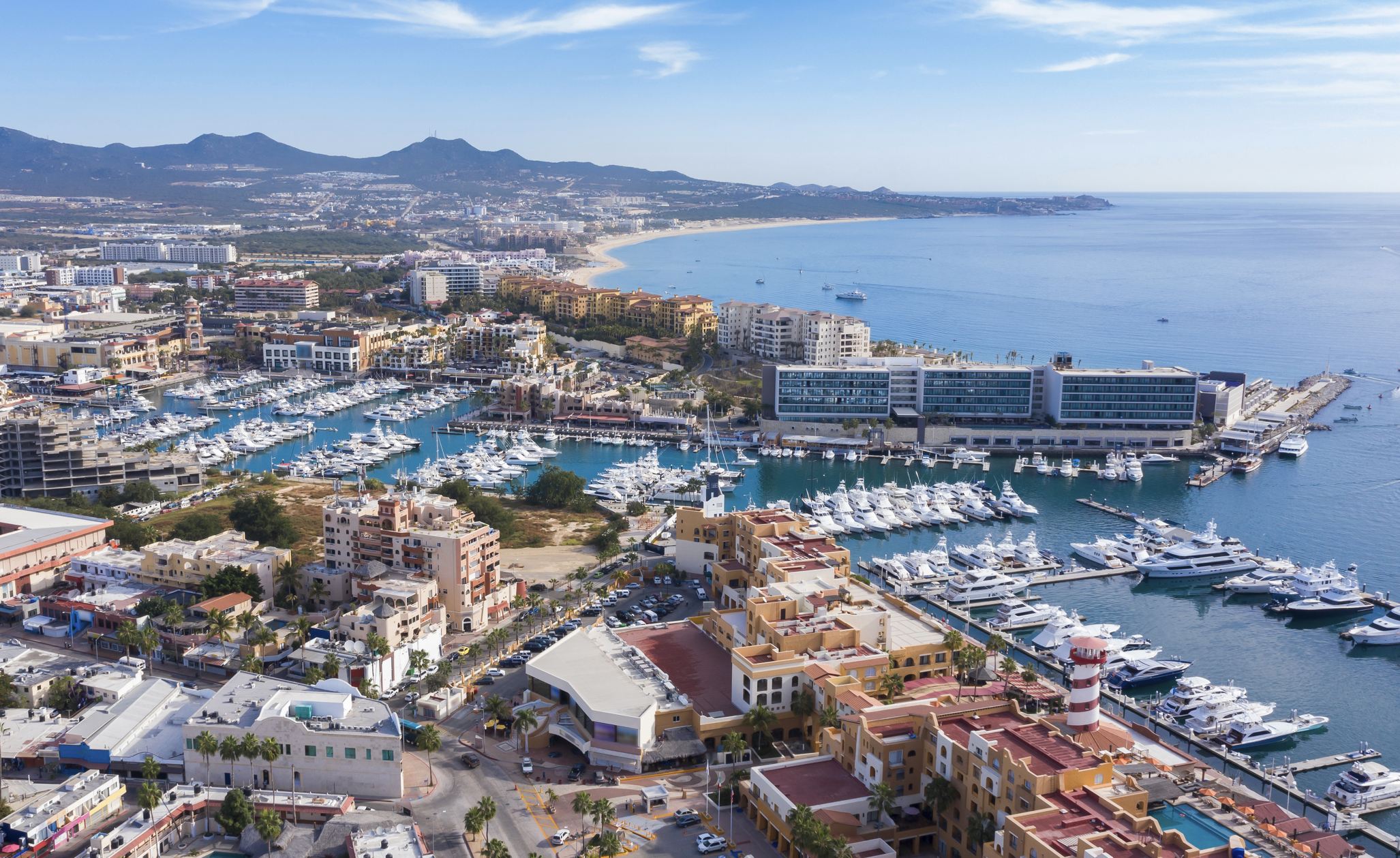
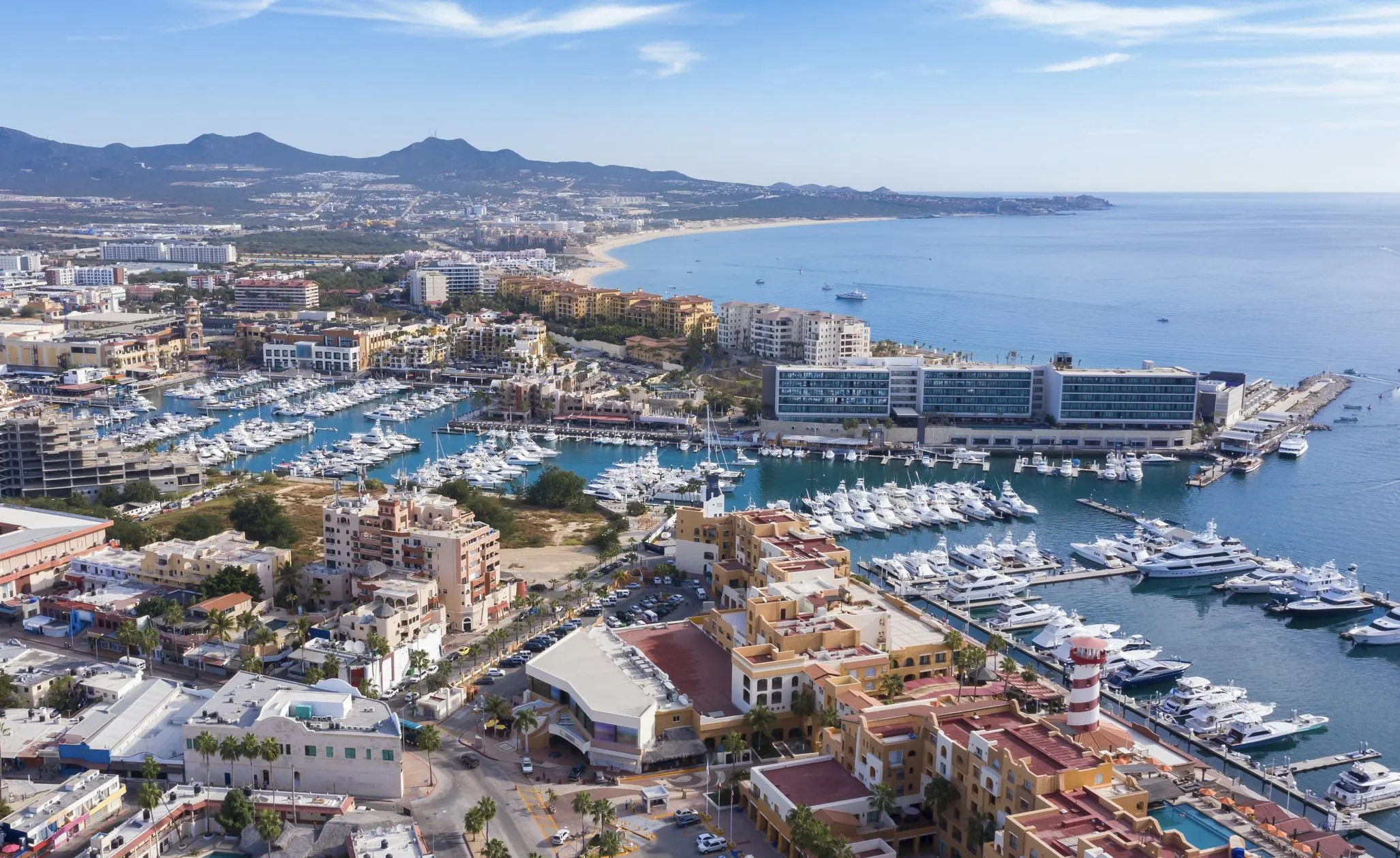
We at The Cabo Sun are tracking a new “urban regeneration and safe mobility” push that could make a real difference for visitors who like to explore beyond the resort gates: officials are projecting the creation of 200 safer pedestrian crossings across Los Cabos, aimed at stopping people from having to gamble with fast-moving traffic to get from point A to point B.
What’s actually being planned (and why it matters)
According to Los Cabos’ Director of Urban Development, Roberto Flores, the 200 crossings won’t all look the same—there will be different types of projects with different budgets, from simpler “easier-to-build” upgrades to bigger, more complex infrastructure.
One of the big headline projects: a grade-separated crossing (a “paso a desnivel”) planned in front of the Soriana in Cabo San Lucas—a long-discussed safety fix that Flores noted has been pending for over a year.
And officials aren’t being subtle about where the worst danger zones are. They’ve identified three especially unsafe “pasos de la muerte” (their words) that are now candidates for construction projects:
- Arroyo San Carlos (preliminary design is underway)
- Puente de Zacatal (a spot that can become vulnerable when rains cut off access)
- Correo Colorado (final design already completed with support from a neighboring business owner)
For the crossings that are more straightforward to build, officials estimate around 26 million pesos in investment—while the largest projects still don’t have a final budget attached yet.
Cabo Walkability Update
Officials plan 200 new pedestrian crossings to fix dangerous road gaps. Here is what it means for your trip safety. Click to reveal.
The Goal: To stop pedestrians from gambling with highway traffic. Projects range from simple upgrades to major bridges.
Key Spot: A long-awaited grade-separated crossing is planned near the Soriana in Cabo San Lucas.
Identified Risks: Officials highlighted specific high-danger zones, including Arroyo San Carlos, Puente de Zacatal, and Correo Colorado.
Advice: Be extra vigilant if walking near these specific highway points.
The Shift: Cabo is trying to become more walkable. This helps tourists who want to visit coffee shops, beach clubs, and downtown areas without needing a taxi for every block.
Don’t Dash: Never try to “time traffic” on Highway 1. If there isn’t a bridge or light, take a cab.
Night Rule: Assume drivers cannot see you. Stick to well-lit areas or use rideshare apps after dark.
 Powered by The Cabo Sun
How this could change your Cabo trip
This is one of those unsexy improvements that can quietly make a destination feel way more enjoyable—especially if you’re the kind of traveler who likes to:
- walk to coffee shops or supermarkets,
- bounce between beach clubs and restaurants,
- explore downtown Cabo San Lucas or San José del Cabo on foot,
- or stay in neighborhoods where the Transpeninsular Highway is a real barrier between “where you are” and “where you want to be.”
Los Cabos has been taking steps in this direction already—like when the city dropped speed limits on key stretches of the Transpeninsular Highway to reduce accidents. And we’ve covered the broader trend of Cabo becoming more walkable and pedestrian-friendly over time, even if it still has some glaring pinch points today.
The “don’t do this” moment (seriously)
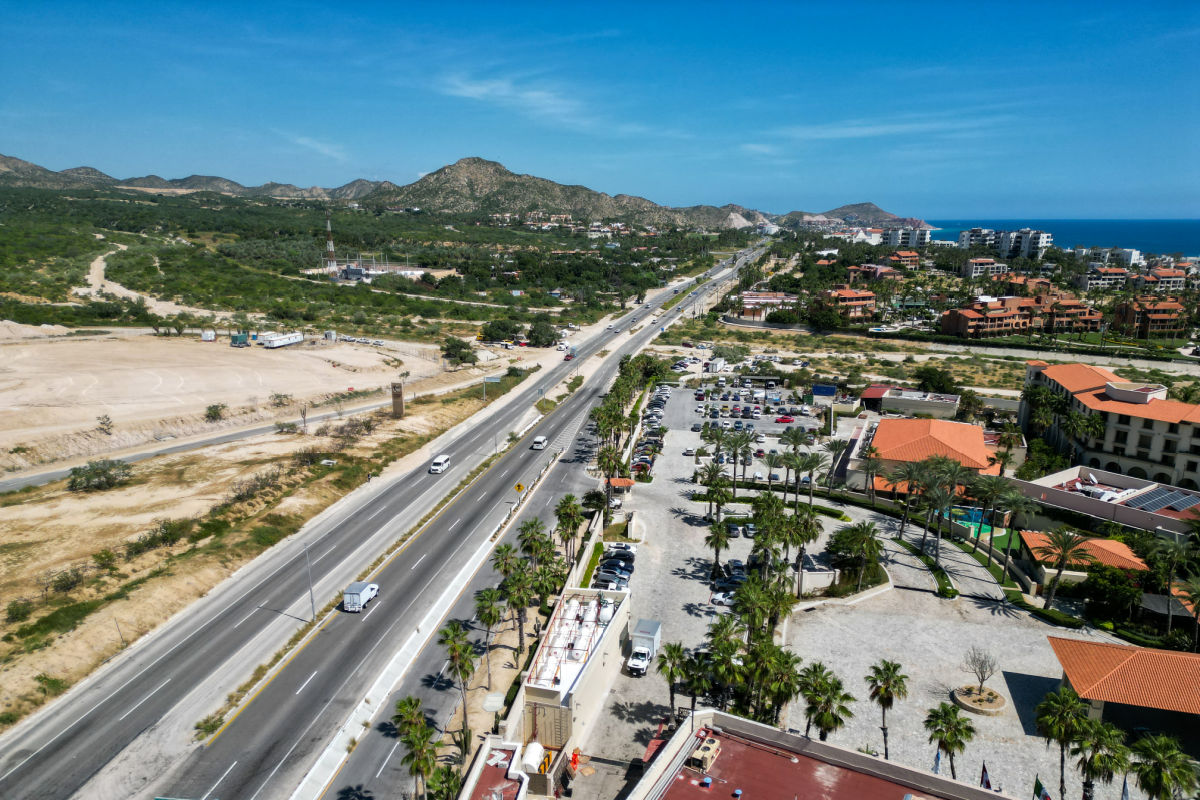
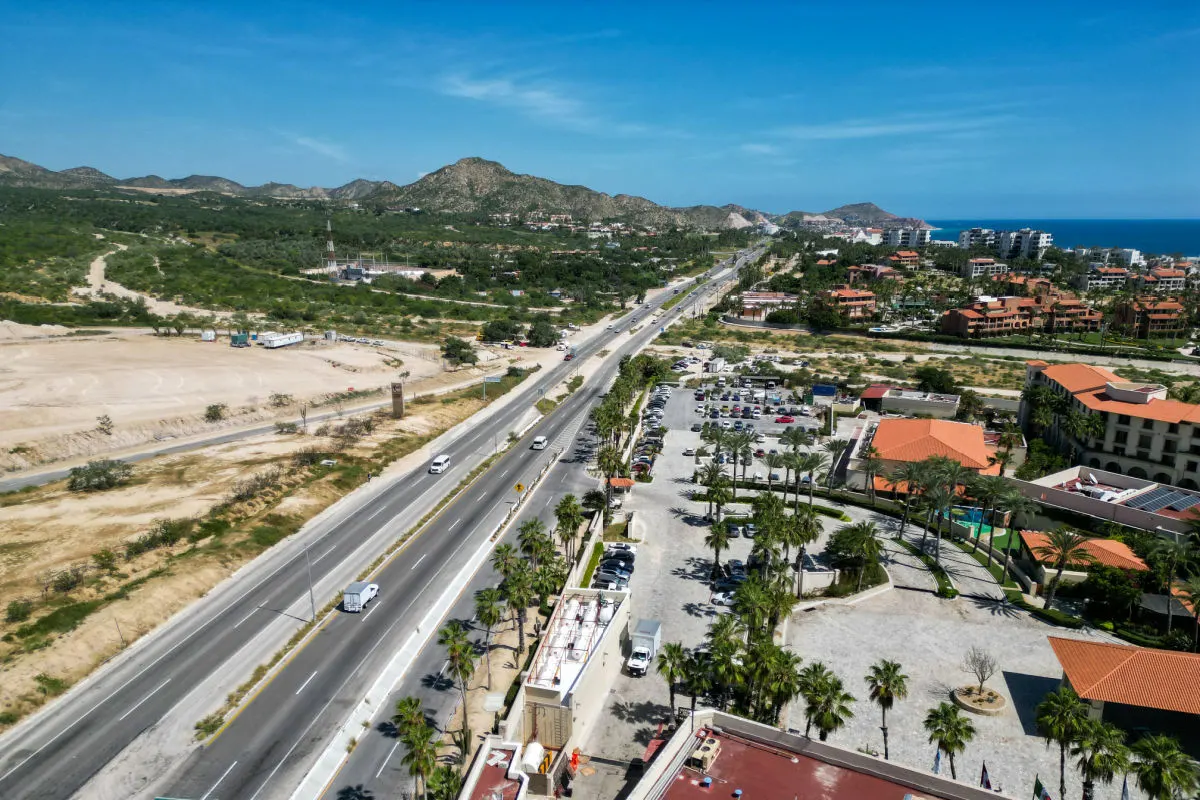
One hard truth: the most dangerous situations tend to happen when people try to “just dash across.” We’ve unfortunately seen cases where crossing Highway 1 on foot near busy shopping areas has had tragic outcomes—exactly the kind of scenario this new plan is trying to prevent.

What travelers should do right now (before any of this is finished)
Until these upgrades are actually built, here are a few practical moves that can save you stress (and risk):
- Don’t cross the highway on foot unless it’s a clearly designated crossing. If you have to “time traffic,” it’s not a safe crossing.
- Build in buffer time for short rides that look walkable on a map. Cabo blocks can be deceptive, and Highway 1 changes everything.
- At night: assume drivers won’t see you. If you’re walking after dark, stick to well-lit areas and use crossings even if it adds a few minutes.
- Expect some construction headaches. If Los Cabos starts rolling out projects in phases, there may be detours, lane shifts, and slowdowns—similar to other highway safety work we’ve warned travelers about before.
- Pair “walking plans” with “safety plans.” During peak season (and especially around the holidays), there’s already heavier enforcement and more road activity—so it’s smart to stay extra alert and keep evenings simple and walkable.


The bottom line
Cabo is at its best when you can actually enjoy it at street level—sunset walks, spontaneous taco stops, quick runs to the store, and exploring without feeling like you’re playing real-life Frogger.
If Los Cabos follows through on these 200 safer pedestrian crossings, it won’t just help locals—it could seriously improve the day-to-day experience for tourists, too.
The Ultimate Cabo Trip Planner
When’s the best time to go? Our powerful month-by-month guide breaks down the weather, crowds, hotel rates, and whale watching seasons for your perfect trip.
Find Your Perfect Los Cabos Resort In Seconds
This simple, powerful tool was built by our on-the-ground experts to match you with the ideal resort for your specific budget and travel style.
Subscribe to our Latest Posts
Enter your email address to subscribe to The Cabo Sun’s latest breaking news affecting travelers, straight to your inbox.
Chris Dunbar
Friday 19th of December 2025
Promised walkway needed from Costco, Soriana across highway. Also at District, Starbucks area to other side with much needed sidewalk improvement to roundabout.