
We at The Cabo Sun hear it all the time: “Why does Cabo cost so much more than other beach towns in Mexico?” Yes—luxury branding, nonstop flights, and high-season demand all play a role (and we’ve already seen how rates can spike into the $500/night range in peak periods).
But there’s a quieter, very “Cabo” reason your bill is higher—and it comes down to something you don’t see when you’re floating in an infinity pool:
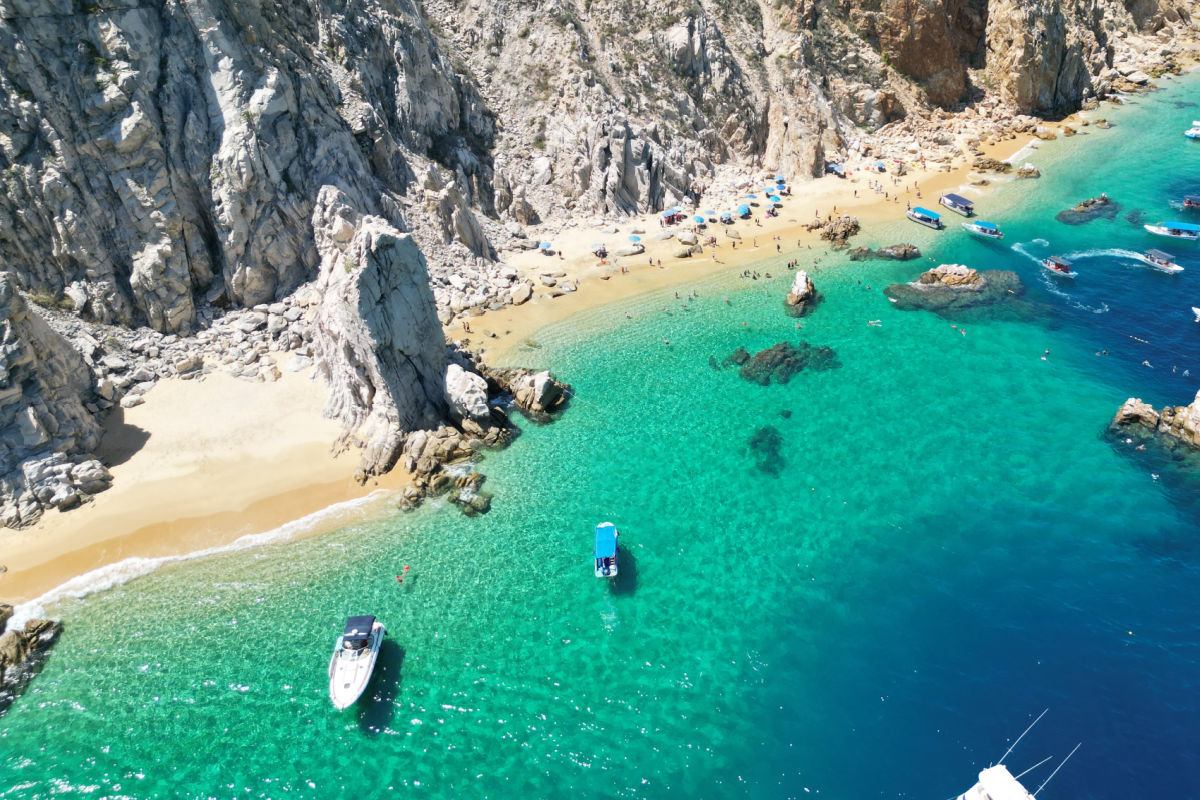

Cabo is a desert… pretending to be a tropical resort town
Los Cabos is gorgeous, but it’s also dry. Like, desert climate dry. Long-term weather averages for Cabo San Lucas show about 14 days a year with measurable rain—some months can average zero rainy days.
That matters because water is the one thing a resort can’t “run out of” without the whole guest experience collapsing.
Why is Cabo So Expensive?
It’s not just luxury branding. There is a hidden cost you don’t see while floating in the infinity pool. Click to reveal.
The Fact: Cabo averages only ~14 rainy days a year. It is a desert pretending to be a tropical destination.
The Impact: Resorts cannot rely on unreliable municipal water. They must secure their own supply to keep the “tropical” illusion alive.
Desalination: Many resorts run their own reverse-osmosis plants. This requires massive energy, maintenance, and infrastructure.
The Bill: Instead of paying a small utility bill, resorts are funding industrial-scale water production. That cost is built into your room rate.
Keeping it Green: Maintaining lush fairways in a desert is expensive. Courses typically use treated/recycled water.
Reality Check: Treating and moving that water costs money, which resorts recover through fees and food prices.
Skip the Towel Change: Laundry is a huge hidden water hog. Reuse your linens.
Choose Wisely: Look for resorts that publicize their specific eco-efforts (desalination + reuse), not just generic “green vibes.”
 Powered by The Cabo Sun
The big difference: many resorts can’t just rely on city water
In many destinations, hotels are plugged into a municipal system and mainly pay the bill (plus maybe some extra filtration). In Los Cabos, a long-standing development model has pushed new tourism projects toward self-supplying water—often through desalination—because reliable public supply isn’t guaranteed at the scale tourism needs.
That creates a weird reality: visitors can be showering normally at a resort while some local neighborhoods deal with much tighter service schedules. A recent IFC brief on Los Cabos water projects even notes that some areas have received water about once a week, forcing people to buy from tanker trucks.
(And yes, the inequality piece is real—El País has reported on how water scarcity can hit working-class neighborhoods hardest while tourism zones stay “online.”)


Desalination is the magic trick… and it’s expensive
Desalination works (thank you, modern engineering), but it’s not cheap to run.
A big reason is energy: large-scale reverse-osmosis plants typically require multiple kWh of electricity per cubic meter of water produced, and operating costs climb fast—especially when you add pumping, maintenance, and treating/handling the salty brine byproduct.
Now zoom back out and think like a resort operator:
- You’re producing fresh water at industrial scale, every day
- You’re storing it (often in huge on-property reserves)
- You’re treating it again for guest use
- You’re running pools, laundry, kitchens, landscaping—nonstop
Even our earlier reporting has noted how common resort desalination has become: the Los Cabos Hotel Association has cited dozens of properties with on-site desalination, and we’ve reported figures like 45 resorts/hotels using their own saltwater desalination plants.
Different sources estimate the coverage differently (some reports have said around 60% of hotel developments have their own treatment/desalination, while others have claimed it’s closer to 90% among certain affiliated hotels). The main takeaway for travelers: a lot of resorts are paying to “manufacture” water instead of simply buying it like a normal utility.
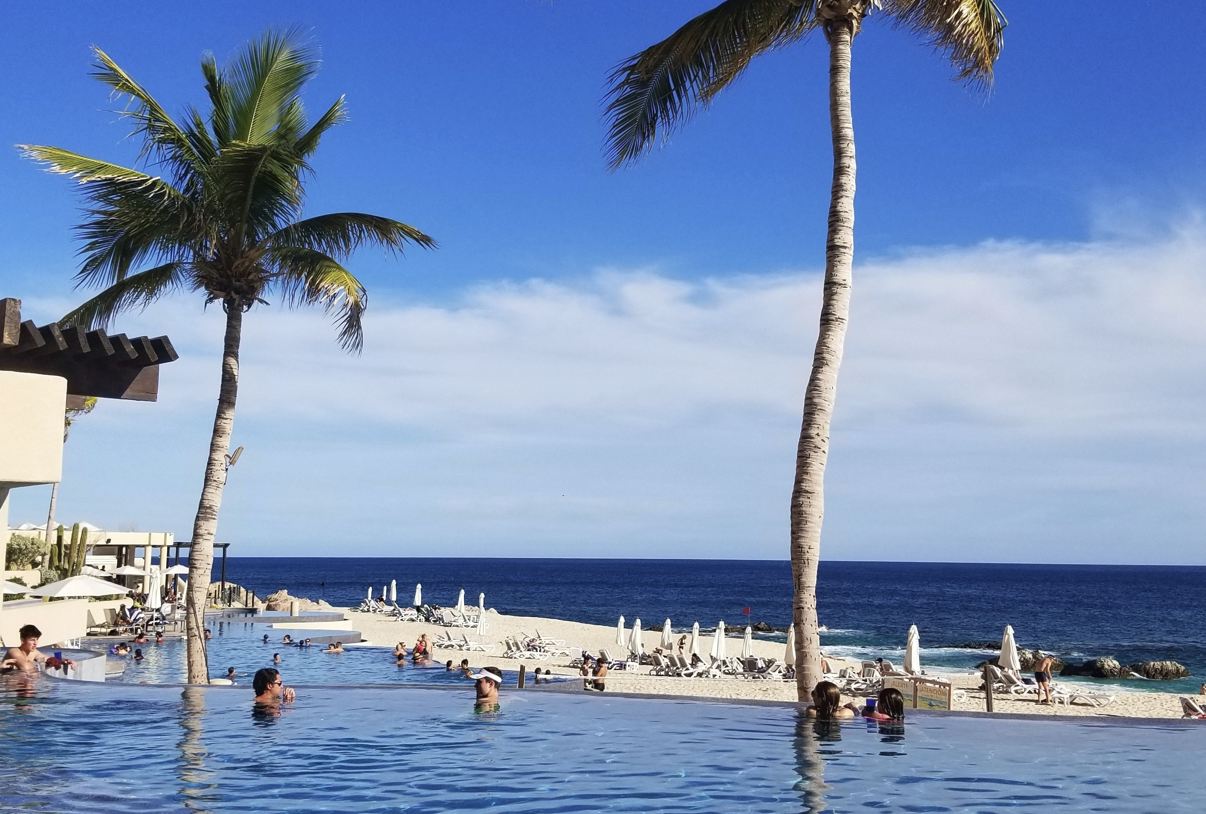

And then there are the golf courses (yes, really)
This is where the price story gets even more “Cabo.”
Los Cabos has 18 golf courses, and keeping anything green in a desert is a full-time project. The good news: multiple reports say these courses are typically irrigated with treated/reused water, not drinking water meant for residents.
The less-fun news: treating, recycling, and moving that water around still costs money—and resorts don’t eat those costs out of kindness. They build them into room rates, resort fees, food prices, and everything else.
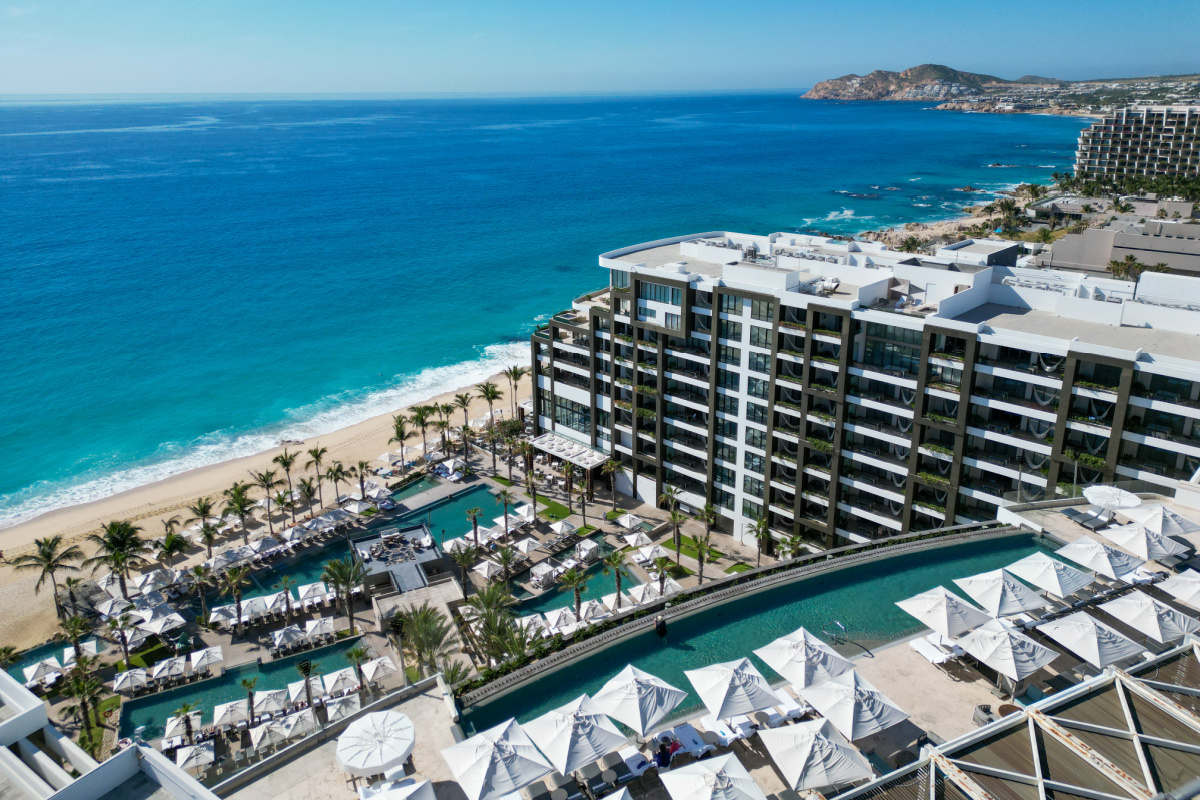

What you can do (without stress-guilting your vacation)
You don’t need to take “two-minute military showers” to be a good Cabo visitor. But if you want to be both savvy and respectful of the place you’re enjoying:
- Pick resorts that talk specifics (desalination + reuse + low-flow fixtures), not just “eco vibes.” (See: Viceroy Hotels and Resorts)
- Skip daily towel/linen changes (laundry is a hidden water hog)
- Think twice about ultra-green properties (massive lawns/golf adjacency usually means more water processing behind the scenes)
- Stay aware of the bigger picture—it’s one reason Cabo can feel more premium than other Mexico beach towns
And if you’re curious about what’s actually coming out of the tap at many Cabo resorts (and why), we broke that down in our guide on drinking water at Cabo resorts—it’ll make the whole “self-supply” system click.


Bottom line: Cabo isn’t expensive only because it’s trendy. It’s expensive because, behind the scenes, a lot of resorts are basically running their own mini water utilities in the middle of the desert—and that cost shows up on your receipt.
The Ultimate Cabo Trip Planner
When’s the best time to go? Our powerful month-by-month guide breaks down the weather, crowds, hotel rates, and whale watching seasons for your perfect trip.
Find Your Perfect Los Cabos Resort In Seconds
This simple, powerful tool was built by our on-the-ground experts to match you with the ideal resort for your specific budget and travel style.
Subscribe to our Latest Posts
Enter your email address to subscribe to The Cabo Sun’s latest breaking news affecting travelers, straight to your inbox.