
That gorgeous drive between Cabo San Lucas and San José del Cabo is already one of our favorite “welcome to vacation mode” moments in Los Cabos.
Desert mountains, glimpses of the Sea of Cortez, luxury resorts tucked into the hillsides—it’s the kind of transfer where you actually want to stare out the window. And now, thanks to a new public–private effort led by Villa Group and the Los Cabos City Council, that first impression is about to get even prettier.
We at The Cabo Sun are out on the Tourist Corridor all the time, and we’ve been tracking a bigger wave of improvements to make your rides smoother, safer, and more scenic—from major traffic projects to fresh safety measures in key visitor zones.
What Is The “Adopt 1 Kilometer” Program?
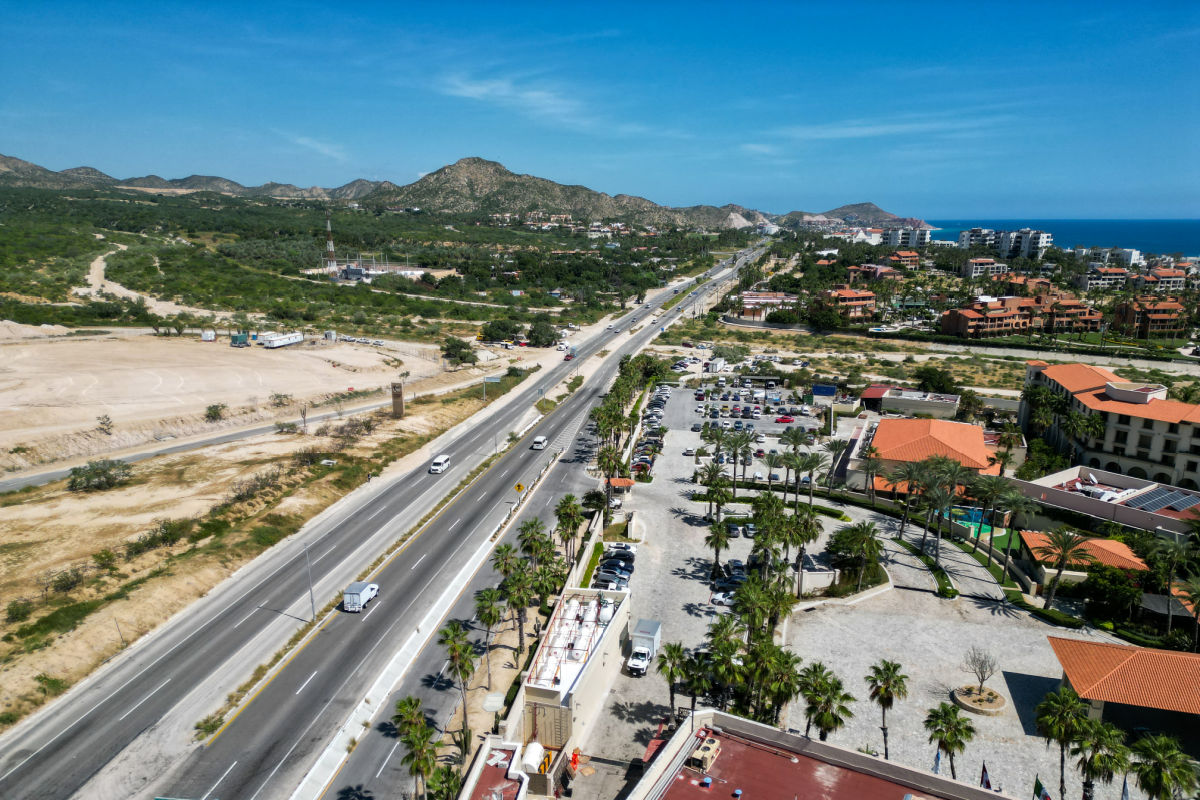
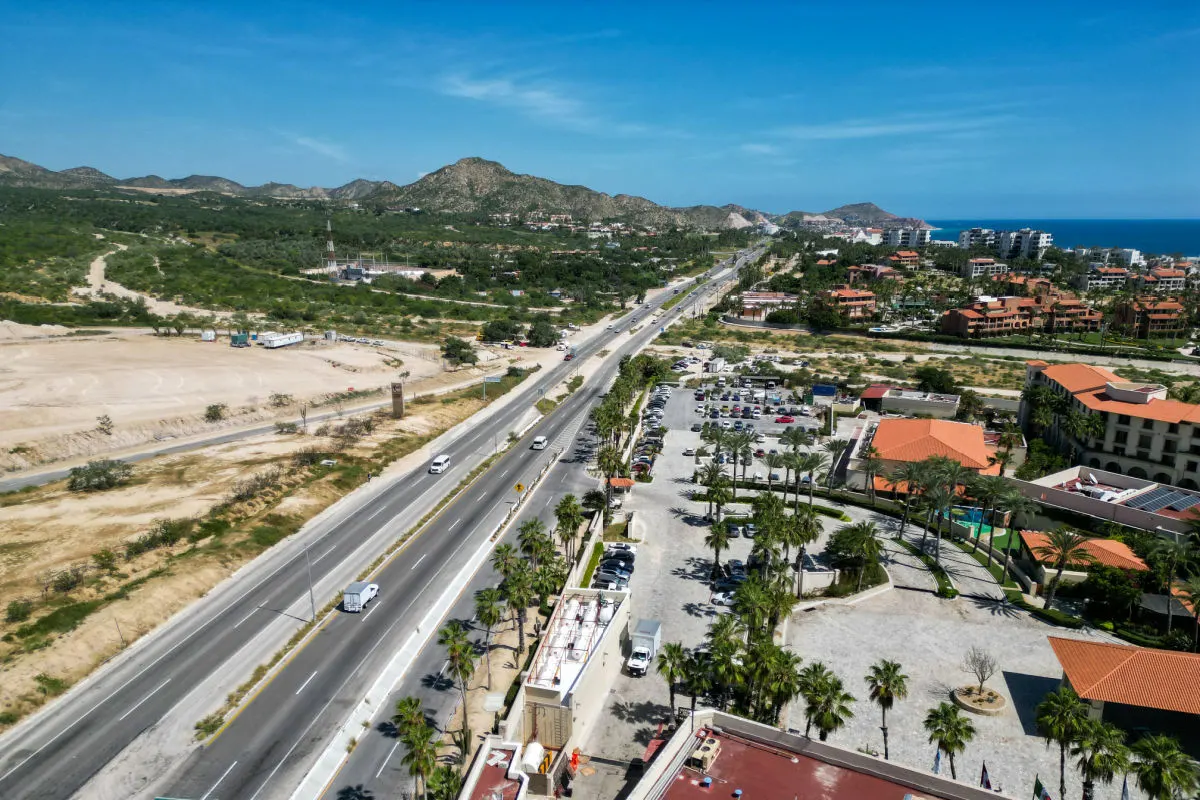
The new “Adopta 1 Kilómetro” (Adopt 1 Kilometer) program is basically a beautification pact for the Transpeninsular Highway between Cabo San Lucas and San José del Cabo. In this first phase, Villa Group has stepped up to take care of the stretch from the main entrance into Cabo San Lucas out to the bridge locals know as “El Chaparro,” handling cleaning and rehabilitation work along the side strips and medians.
The initiative is being coordinated by the municipal Urban Development, Economic Development, and Urban Image departments, with backing from Mexico’s federal infrastructure and transport ministry (SICT) and the Los Cabos Hotel Association. In practical terms, that means trash pickup, reforestation, landscaping, painting curbs, and generally keeping the corridor looking like the high-end destination it is—not a random highway you’re just passing through.
Several big players are already on board, including Palmilla, Ventanas al Paraíso, the Cerro Colorado Condominium Association, and Rancho San Lucas, each taking responsibility for their own segment. It’s a way of formalizing what some resorts were already doing and expanding it into a coordinated, corridor-wide effort. As we noted when we first mentioned this initiative in our deep dive on five reasons your next Los Cabos vacation will be smoother and safer, this “adopt-a-kilometer” model is quickly becoming a key piece of the destination’s quality-of-life upgrade.


What Travelers Will Actually Notice On The Drive
So, what does all this mean when you land at SJD and hop in your shuttle?
Over time, expect fewer dusty, overgrown medians and more intentional landscaping—think cleaned-up shoulders, native low-water plants, and better maintained signage along the route. The idea is to make that famous “where desert meets the sea” corridor look as polished as the resorts lining it, which also fits right in with the broader beautification push we’ve been covering in Cabo San Lucas’ downtown and marina areas.
You may occasionally spot small crews working on the medians or side strips, especially near the Cabo San Lucas entrance where Villa Group’s section starts. For visitors, that mostly translates into a nicer backdrop for those first vacation photos out the shuttle window—and a better first impression for anyone arriving after dark and catching the corridor in the glow of new lighting and landscaping over the coming months.


Will This Make Your Airport Ride Any Easier?
This project is mostly about looks and long-term maintenance, but it does tie into a much bigger mobility story in Los Cabos. Officials are already investing heavily in fixes for notorious pinch points like the Fonatur roundabout in San José del Cabo and new connectors designed to take pressure off the main corridor.
In our recent guide to how long it really takes to reach your hotel from the Cabo airport, we recommended padding your schedule—especially in high season, when hotel occupancy pushes well above 75% and traffic naturally builds along the corridor. That advice still stands. The beautification work itself shouldn’t add huge delays, but combined with construction and heavy visitor numbers, it’s smart to give yourself extra time.
On the safety side, this program complements other measures like stricter transport rules and a stronger security presence in key tourist zones, including the corridor. In other words, authorities aren’t just making the drive prettier—they’re also trying to make it calmer and more controlled, especially with so many visitors arriving this high season.


Practical Tips For Enjoying That Scenic Corridor Drive
If you’re heading to Los Cabos soon, here’s how to make the most of these upgrades:
- Build in a buffer. Even with improvements, lane closures and heavy high-season traffic can slow things down. When there are active works or detours—like the lane closures we flagged earlier this year near San José—leaving earlier for the airport is still the safest bet.
- Aim for daylight if you’re driving yourself. As we explained in our insider guide on whether it’s safe to drive from La Paz to Cabo San Lucas, daytime corridor drives are easier on first-time visitors and give you a chance to enjoy the views (and spot any maintenance crews ahead).
- Watch the speed limits and signage. Authorities have been adding signs and tightening enforcement in the corridor for a couple of years now, all with visitor safety in mind—so resist the urge to speed between towns, even if the road looks wide-open.
- Look for “Adopta 1 Kilómetro” signs. As more resorts and condo associations adopt stretches of highway, you’ll likely start seeing markers showing who’s responsible for which segment. It’s a small thing, but it’s also a fun scavenger hunt for repeat visitors who like to track what’s new.


Why It Matters For The Future Of Los Cabos
Local officials and hotel leaders know that, for many travelers, the Tourist Corridor is the very first and very last impression of Los Cabos. A cleaned-up, landscaped, and well-maintained drive helps reinforce everything we’ve been reporting lately about Cabo positioning itself as a safer, better organized, and more premium destination—without losing that wild Baja scenery you come for in the first place.
From our perspective at The Cabo Sun, the Adopt 1 Kilometer program is one more sign that Los Cabos’ growth isn’t just about building new resorts—it’s also about taking care of the spaces in between.
Next time you’re cruising that gorgeous stretch between Cabo and San José, keep an eye out: the desert, the sea, and now the medians are all getting a little extra love.
The Ultimate Cabo Trip Planner
When’s the best time to go? Our powerful month-by-month guide breaks down the weather, crowds, hotel rates, and whale watching seasons for your perfect trip.
Find Your Perfect Los Cabos Resort In Seconds
This simple, powerful tool was built by our on-the-ground experts to match you with the ideal resort for your specific budget and travel style.
Subscribe to our Latest Posts
Enter your email address to subscribe to The Cabo Sun’s latest breaking news affecting travelers, straight to your inbox.