
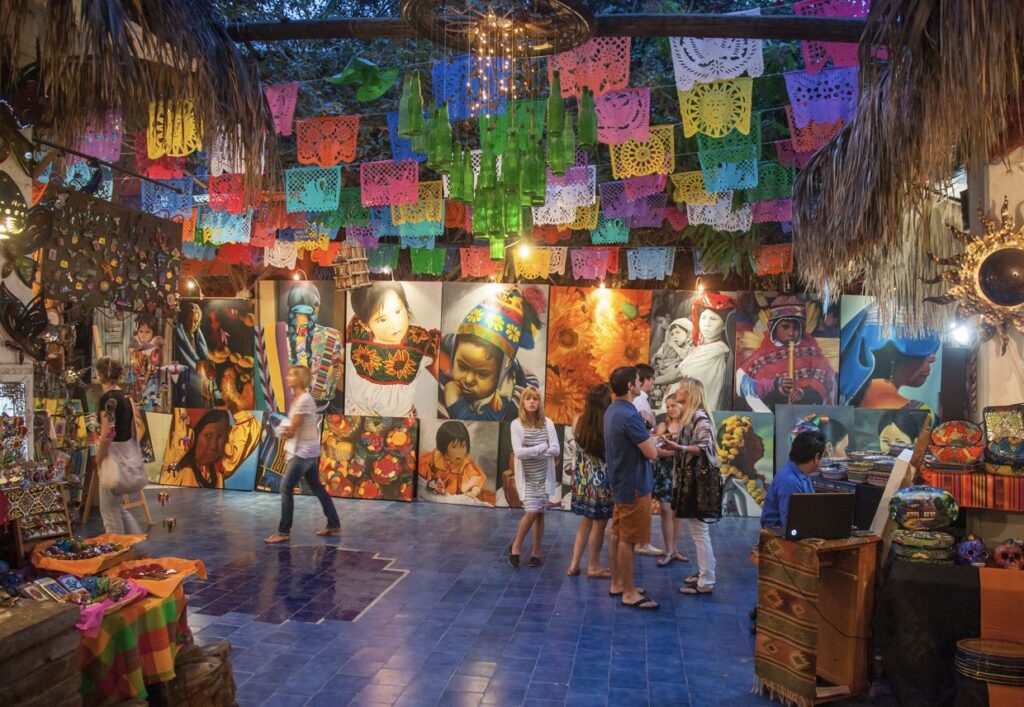
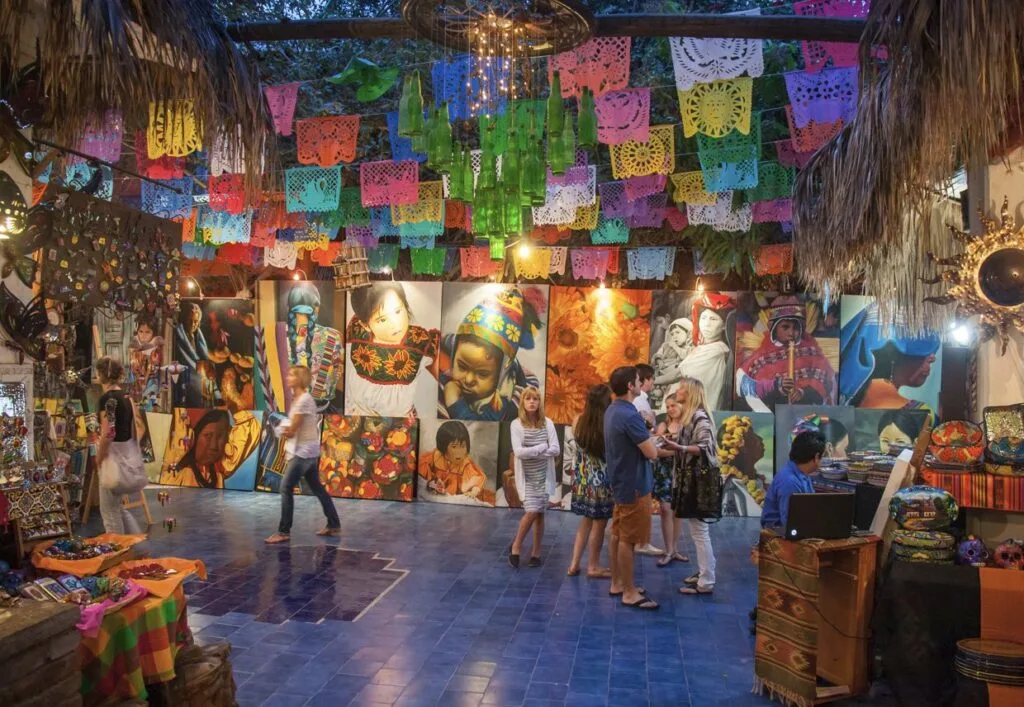
It’s a classic Cabo vacation plan: you’re staying in a high-energy resort in Cabo San Lucas, but you’ve heard all about the incredible restaurants and the famous Thursday Night Art Walk in the charming, historic streets of San José del Cabo. You plan to book a 7:00 PM dinner reservation and check out the galleries, which means you’ll be traveling back to your resort well after dark.
You don’t think anything of it. Then, you do a quick safety check and see the U.S. Department of State’s travel advisory for Mexico. You read a chilling phrase: “U.S. government employee travel restrictions (U.S. citizens are advised to follow): May not travel between cities after dark”.
Suddenly, your simple dinner plan feels like a major risk. This is one of the most common and confusing pain points for savvy travelers. We’re here to separate the fact from the fear and tell you what that warning really means for your trip.
The Breakdown of the Travel Advisory
First, let’s clear up the biggest misunderstanding. The U.S. State Department’s advisory for Mexico is a massive, complex document that covers all 32 states, many of which have vastly different safety profiles.
The Fact: The state of Baja California Sur, where Los Cabos is located, currently has a Level 2: Exercise Increased Caution advisory.


The Crucial Context: This is the exact same safety level as France, Spain, and the United Kingdom. It is a general “be aware” notice, not a “do not go” warning.
While driving at night can come with extra risks such as livestock, potholes, and unmarked speed bumps, the highway between the two cities is very busy and very strongly policed.


The “On-the-Ground” Reality: What Travelers Say
The overwhelming consensus from expats and recent 2024 and 2025 travelers is that the drive between Cabo San Lucas and San José del Cabo at night is considered safe.
This isn’t a dark, rural road. The 20-mile stretch connecting the two towns is the “Tourist Corridor” (Highway 1). It’s a modern, well-maintained, multi-lane highway lined with dozens of world-class resorts, golf courses, restaurants, and car dealerships. It is well-lit and heavily trafficked by locals, shuttles, taxis, and Ubers all evening.


Thousands of tourists make this exact trip every Thursday night for the famous San José Art Walk. Travelers report feeling “super safe” and having zero issues taking an Uber back to their San Lucas resort at 10 PM.
The “Don’t Drive at Night” Rule: What It Really Means
So why is “don’t drive at night” such a common piece of advice for Mexico? This rule is not about crime (in this area); it’s about practical safety.
This warning is essential for long-distance, rural highways, like the drive from Cabo to La Paz. On those dark, unlit stretches of road, the primary dangers are roaming livestock (cows, donkeys, and goats) and unexpected potholes.
The 20-mile Tourist Corridor, however, is a major exception. It is a busy, urbanized highway, not a remote desert road.


The Verdict: Should You Go to Dinner in San José?
So, should you book that 7:00 PM dinner reservation in San José?
Yes. Absolutely.
Based on the unanimous reports from travelers on the ground, making the trip between San Lucas and San José at night is a normal, safe, and incredibly common activity.


The Insider’s Pro-Tip: While you can certainly drive yourself, the most stress-free way to enjoy your evening is to let someone else do the work. Take an Uber or a taxi. That way, you can enjoy a few extra cocktails at dinner or the art walk and not worry about navigating traffic on the way home.
The Ultimate Cabo Trip Planner
When’s the best time to go? Our powerful month-by-month guide breaks down the weather, crowds, hotel rates, and whale watching seasons for your perfect trip.
Find Your Perfect Los Cabos Resort In Seconds
This simple, powerful tool was built by our on-the-ground experts to match you with the ideal resort for your specific budget and travel style.
Subscribe to our Latest Posts
Enter your email address to subscribe to The Cabo Sun’s latest breaking news affecting travelers, straight to your inbox.