
We at The Cabo Sun have good news if you’ve been doom-scrolling hurricane maps before your winter escape to Los Cabos: the 2025 eastern Pacific hurricane season is officially over. Local Civil Protection officials confirmed that the season wrapped up on November 30 after the National Meteorological Service declared the end of tropical storm activity in the Northeast Pacific.
But before you stash the rain jacket for good, there is one more chapter to the weather story: a short, cooler winter rainy period driven not by hurricanes, but by passing Pacific systems.
Let’s break down what that really means for your trip.
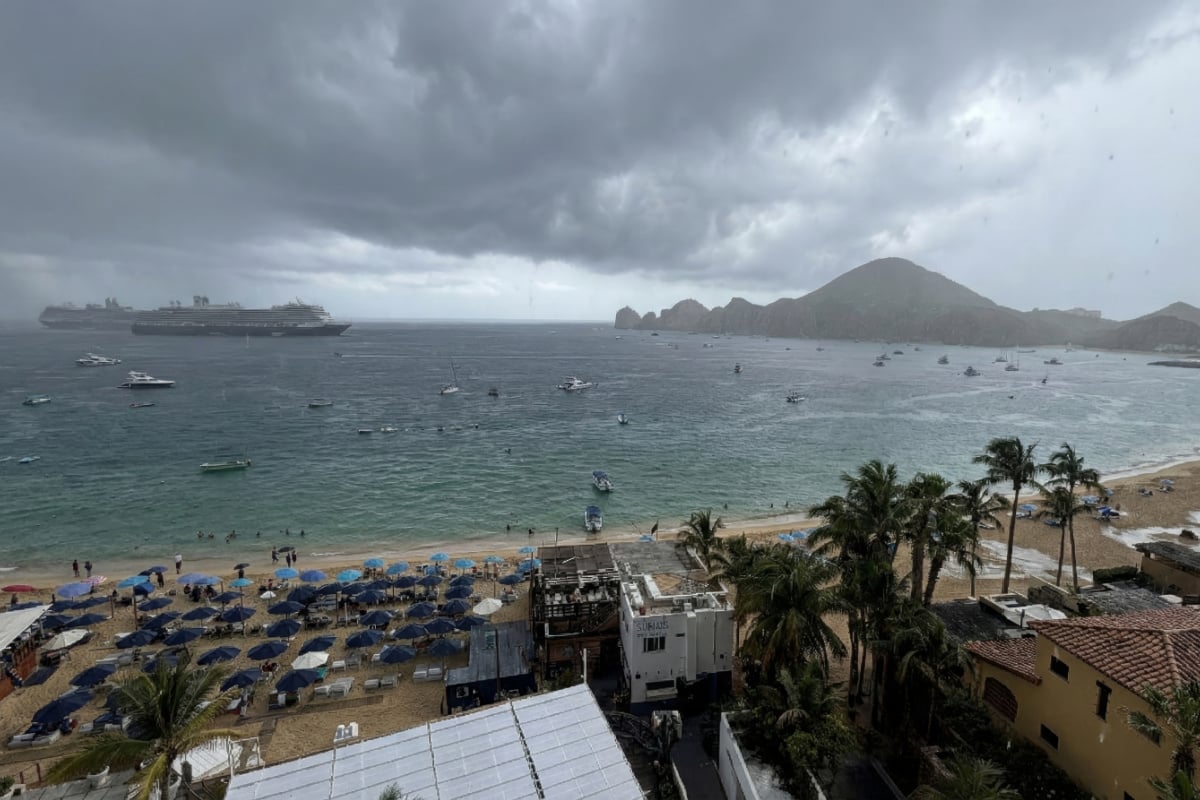
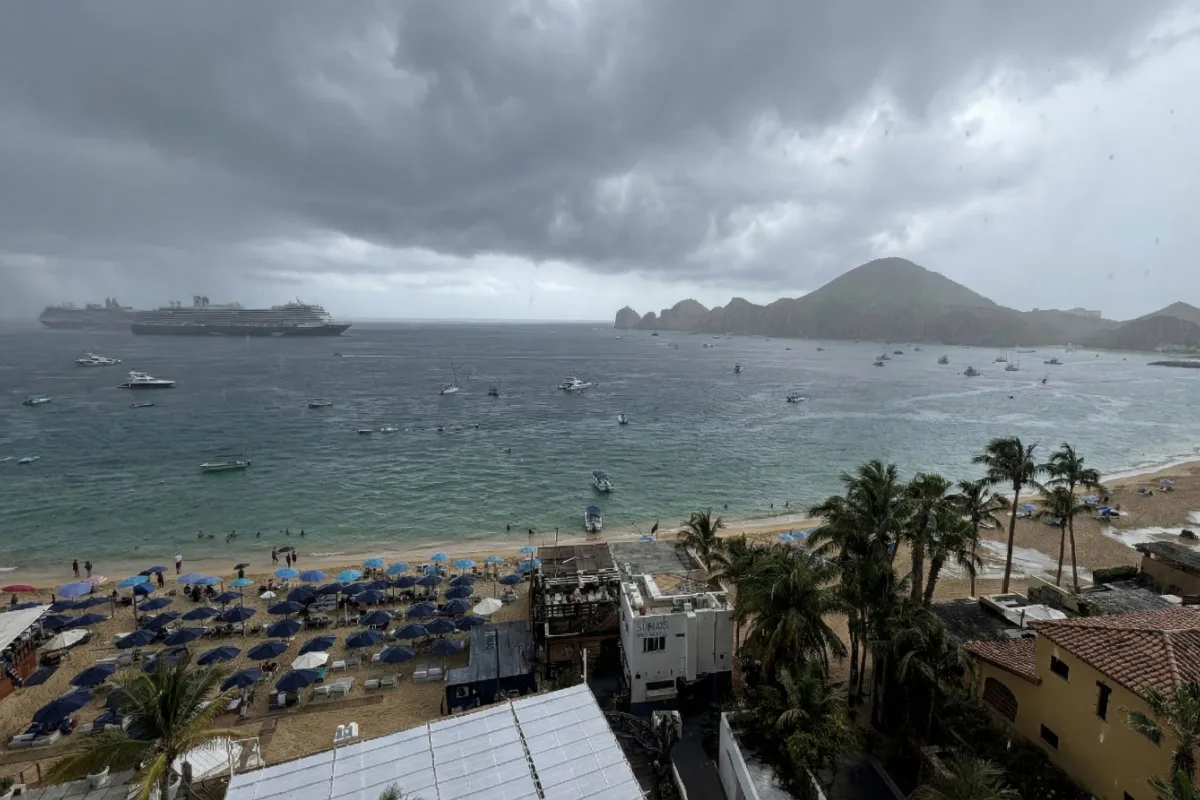
Hurricane season is done – here’s what that actually changes
From mid-May through November, Los Cabos sits in the eastern Pacific hurricane basin, with the highest storm risk typically clustered in late summer and early fall.
That’s the stretch when you see:
- Tropical storms and occasional hurricanes offshore
- Short, intense downpours
- Bigger surf that can close popular beaches
As of November 30, that phase is over for 2025. According to local outlet Tribuna de México, Civil Protection has now officially shifted from “tropical cyclone mode” into monitoring fall–winter systems instead. These are fueled by low-pressure troughs, the polar and subtropical jet streams, and the so-called “atmospheric river” that can drag plumes of moisture over Baja — bringing cooler winds, patchy rain, and sometimes higher waves.
In fact, authorities have already flagged showers between November 30 and December 3 as the informal kickoff to the winter rainy period in Los Cabos.
The key point: you’re no longer worrying about named storms forming off the coast, but you should expect the occasional cool, gray day mixed into an otherwise sunny winter.
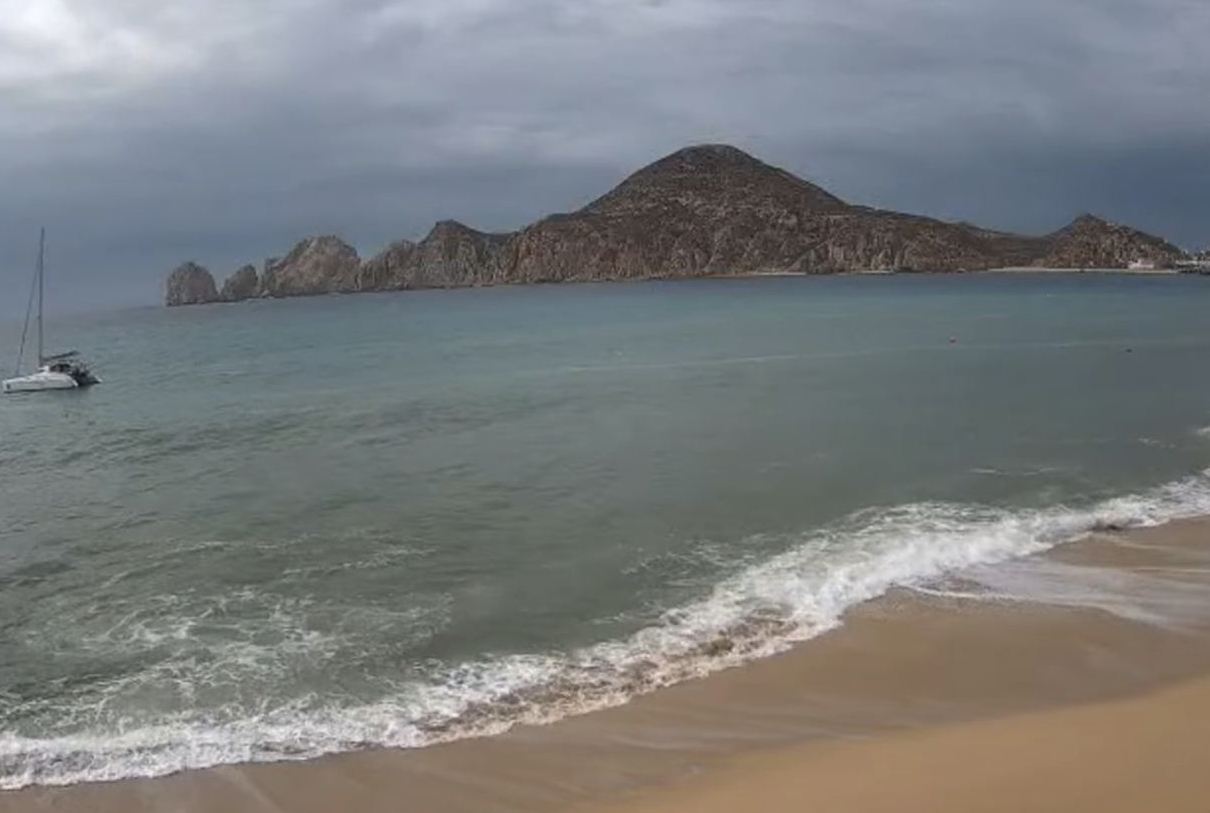
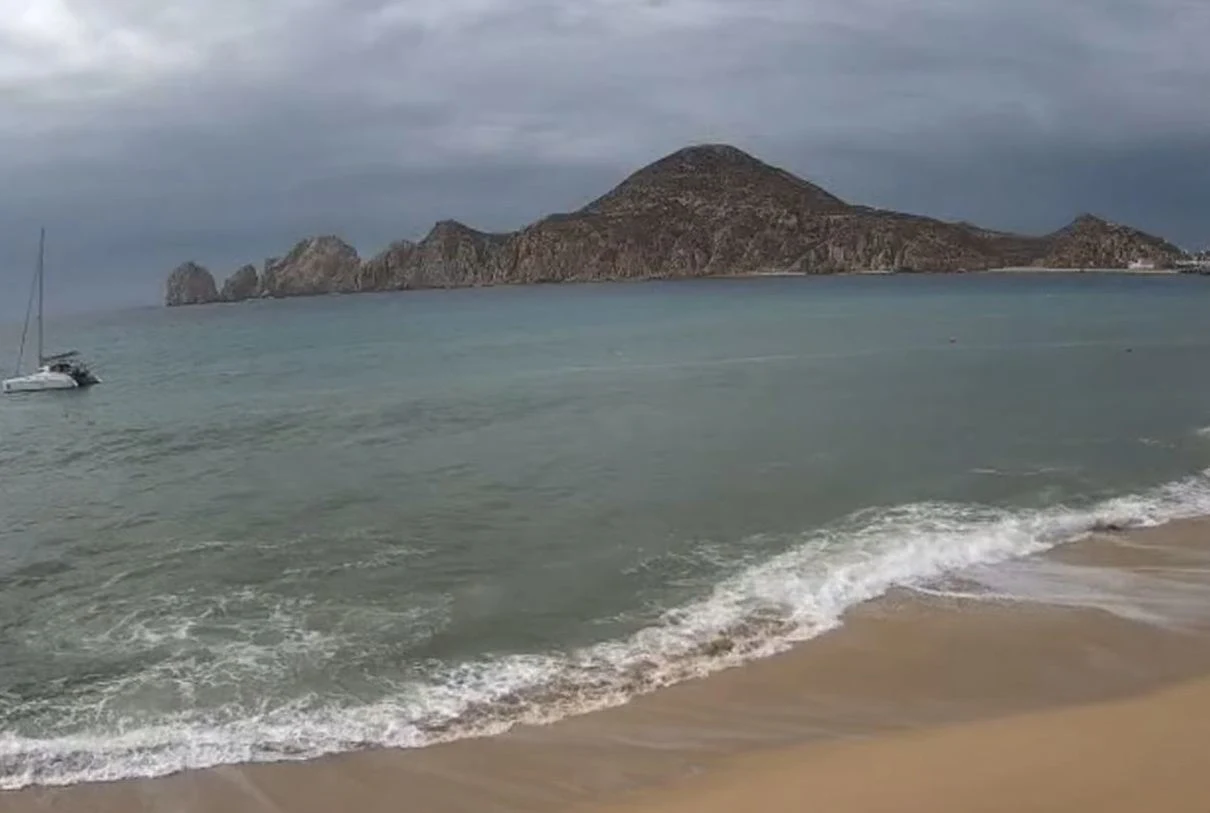
So… how much rain does Los Cabos actually get in winter?
Short answer: not much at all.
Using long-term climate data for Cabo San Lucas, average winter rainfall looks roughly like this:
- December: Around 0.5–0.6 inches (about 15 mm) total, usually on one day
- January: Around 0.4–0.5 inches (about 10–13 mm), again usually one rainy day
- February: Barely a splash — roughly 0.1–0.2 inches (around 4 mm), often on one or zero days
Spread across the whole month, that’s more “brief shower while you’re at brunch” than “all-week washout.”
It lines up with the broader picture: Cabo only picks up around 8–10 inches of rain in an average year and enjoys well over 300 days of sunshine.
That’s why, in our deep dive on winter rain, we describe this season as Cabo’s driest and most predictable time of year — perfect if you want steady sunshine and low weather drama, and you can even use our handy rain-by-month tool to check averages for your exact dates.


Why your weather app shows a rain cloud every day
If you’ve looked up your dates and seen a little rain icon stamped on every single day of your trip, take a breath.
Forecasters here are working with small chances — sometimes a 10–20% risk of a passing shower somewhere in the region. Your app often turns that into a full-time cloud and raindrop, even when:
- The rain window is only a couple of hours
- Showers are scattered over the mountains, not the beach
- Most of the day is still bright and sunny
In our recent guide to how much it rains in winter, we break down why those icons can look scarier than reality and show you how to use averages instead of obsessing over every model run a week out.


What winter systems can still do: wind, surf & cool snaps
Even without hurricanes, those jet-stream-driven systems can pack a punch:
- Cooler, breezy days that have you reaching for a light sweater at night
- Short bouts of rain, especially in December and early January
- Rougher surf and higher waves, which is why beach flags matter just as much in winter
Civil Protection and local hotel associations have been tightening coordination with U.S. officials on weather safety, so travelers get faster, clearer information when the forecast turns messy.
If you wake up to red flags on Médano Beach or your boat tour is delayed, it’s usually the surf, not endless rain, driving those decisions.


How to prep smart for a winter Cabo trip
Here’s how we suggest you pack and plan:
- Bring one light rain layer and closed-toe shoes. You’ll mostly use them for breezy evenings, but they’re nice to have if a front rolls through.
- Bookmark official sources. Follow Los Cabos Civil Protection and the National Meteorological Service for any real weather alerts, and keep an eye on your hotel’s WhatsApp or email updates.
- Have a rainy-day Plan B. A passing shower is the perfect excuse to lean into spa time, long lunches, or the indoor activities we rounded up in our guide to the best rainy day ever in Cabo.
- Use our tools to time your stay. Articles like our winter rain breakdown and our month-by-month trip planner make it easy to pick the right week for your travel style.


TLDR? Mostly sun, with a small chance of stories
For winter 2025–2026, the headline is simple: hurricane season is done, and serious storm risks drop sharply, but Cabo isn’t a cartoon desert. A few cooler, breezy days and a quick shower or two are part of the deal — and honestly, they can make that first warm, blue-sky morning by the pool feel even better.
Check your averages, pack one “just in case” layer, and let winter do its thing. The odds are firmly stacked in favor of exactly what you’re coming for: sun, beach time, and a drama-free escape in Los Cabos.
The Ultimate Cabo Trip Planner
When’s the best time to go? Our powerful month-by-month guide breaks down the weather, crowds, hotel rates, and whale watching seasons for your perfect trip.
Find Your Perfect Los Cabos Resort In Seconds
This simple, powerful tool was built by our on-the-ground experts to match you with the ideal resort for your specific budget and travel style.
Subscribe to our Latest Posts
Enter your email address to subscribe to The Cabo Sun’s latest breaking news affecting travelers, straight to your inbox.