
We at The Cabo Sun have good news for fall and early-winter travelers: the 2025 eastern Pacific hurricane season officially wraps up on November 30.
That means Cabo is moving out of the most active stretch and into the drier, more predictable weather visitors love.
But local emergency leaders are still waving a small “stay ready” flag — and they’re right to do it. A late-season system can still form offshore, send rough surf, or drop a day of heavy rain on the municipality, which is why authorities want risk-management work to keep going even after the calendar says we’re done.
Cabo San Lucas fire chief Juan Carbajal explained this perfectly in local media: because Los Cabos has faced so many hydrometeorological events, the destination knows how to respond — but the response model is due for an upgrade so residents and visitors are even safer next time. He called for “permanent preparation,” not just scrambling when a storm pops up. That’s aimed at hurricanes, yes, but also at newer risks like minor seismic events the region has started to register.
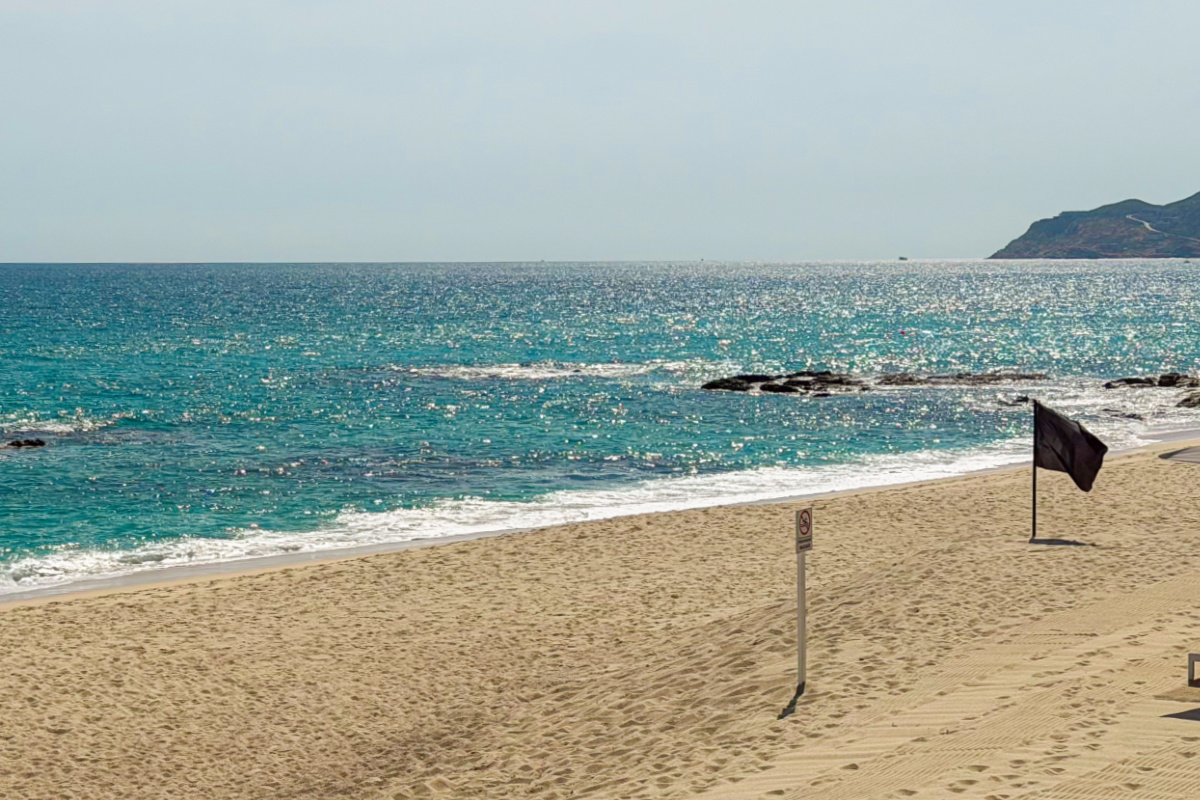
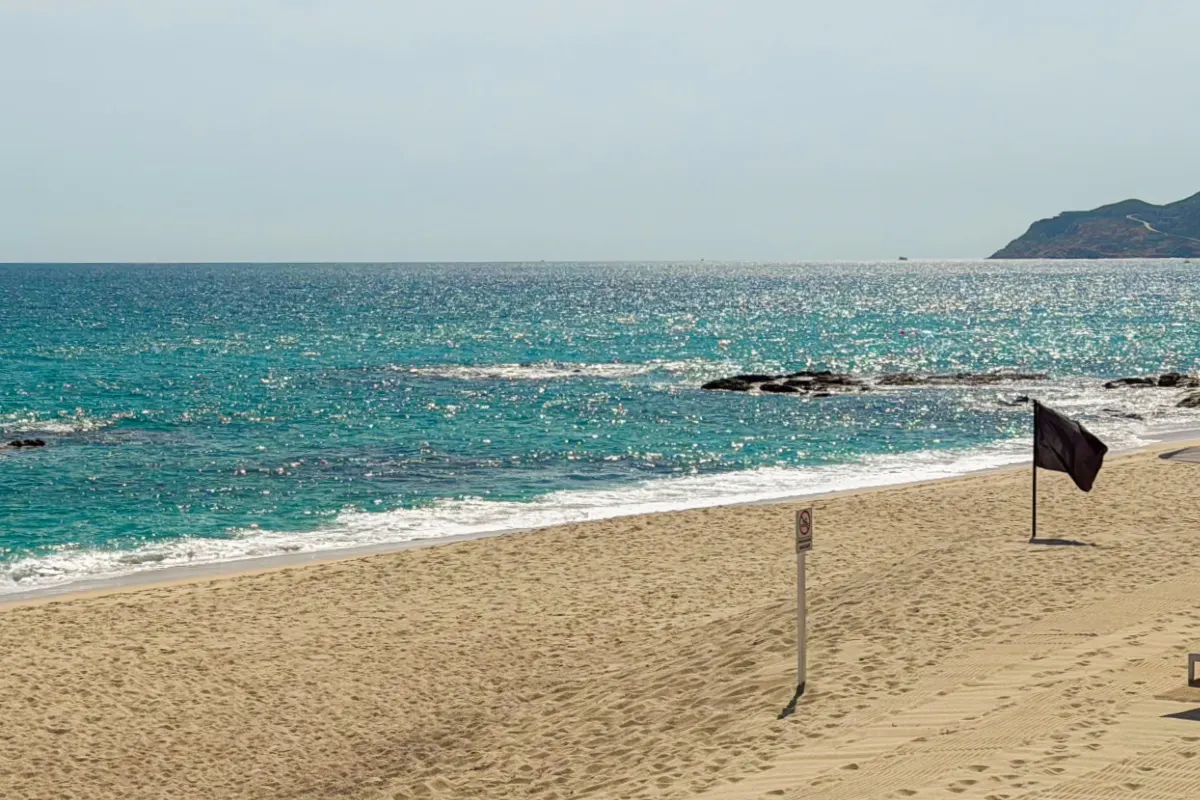
From the traveler side, here’s the bottom line: you can keep your November and December Cabo plans. Most late-season systems stay well offshore. When they do affect tourism, it’s usually through high surf, black or red beach flags, or short-term marina and beach closures — not full-scale resort shutdowns. We laid this out earlier in our piece on how Los Cabos is still expecting some November storms and what that actually looks like on the ground.

So, do you still need to worry?
Think “prepare,” not “panic.”
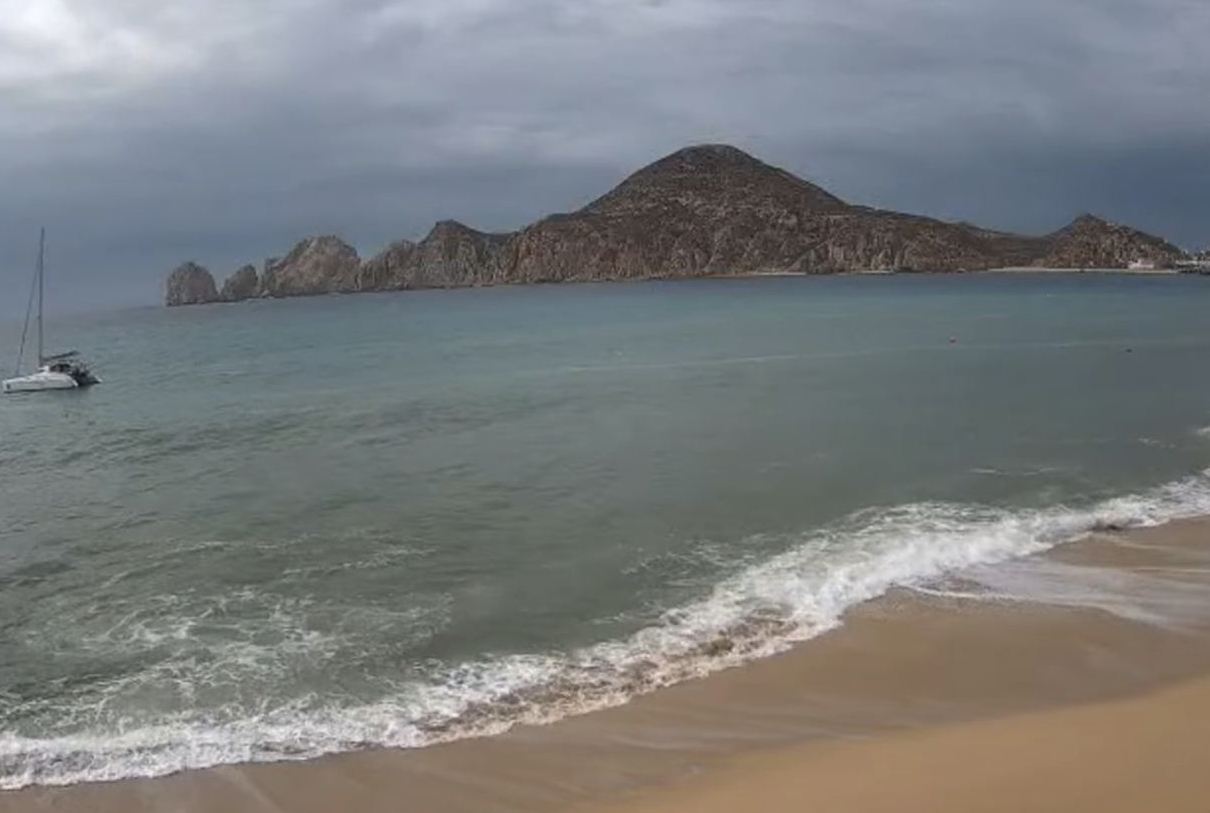
1. Watch the ocean, not just the sky. This is the number one point authorities keep repeating. Even with sunshine overhead, long-period Pacific swells can make Médano and other popular beaches unsafe. That’s why we keep telling visitors to read the beach flags first — start with our recent refresher on why calm-looking waves can be deceptive and our color-by-color guide used across Los Cabos.
2. Lean on your resort’s storm plan. Resorts and vacation rentals have tightened coordination with municipal Civil Protection and even U.S. officials to make alerts clearer and faster. Guests can expect to be briefed, fed, and sheltered onsite if a watch or warning is issued — we reported on that new binational hurricane-safety push in September. So if you’re in a certified property, you’re already in one of the safest spots in town.
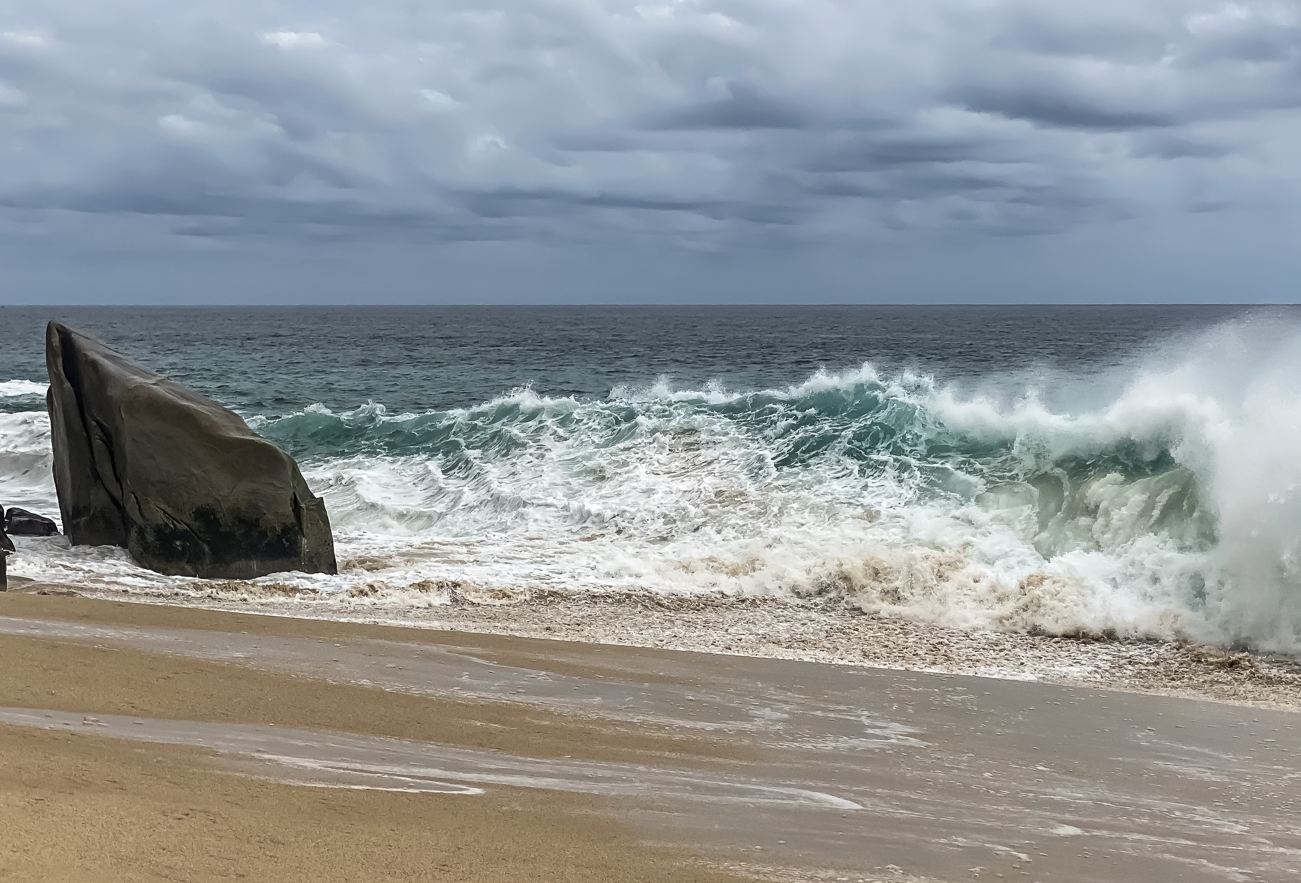
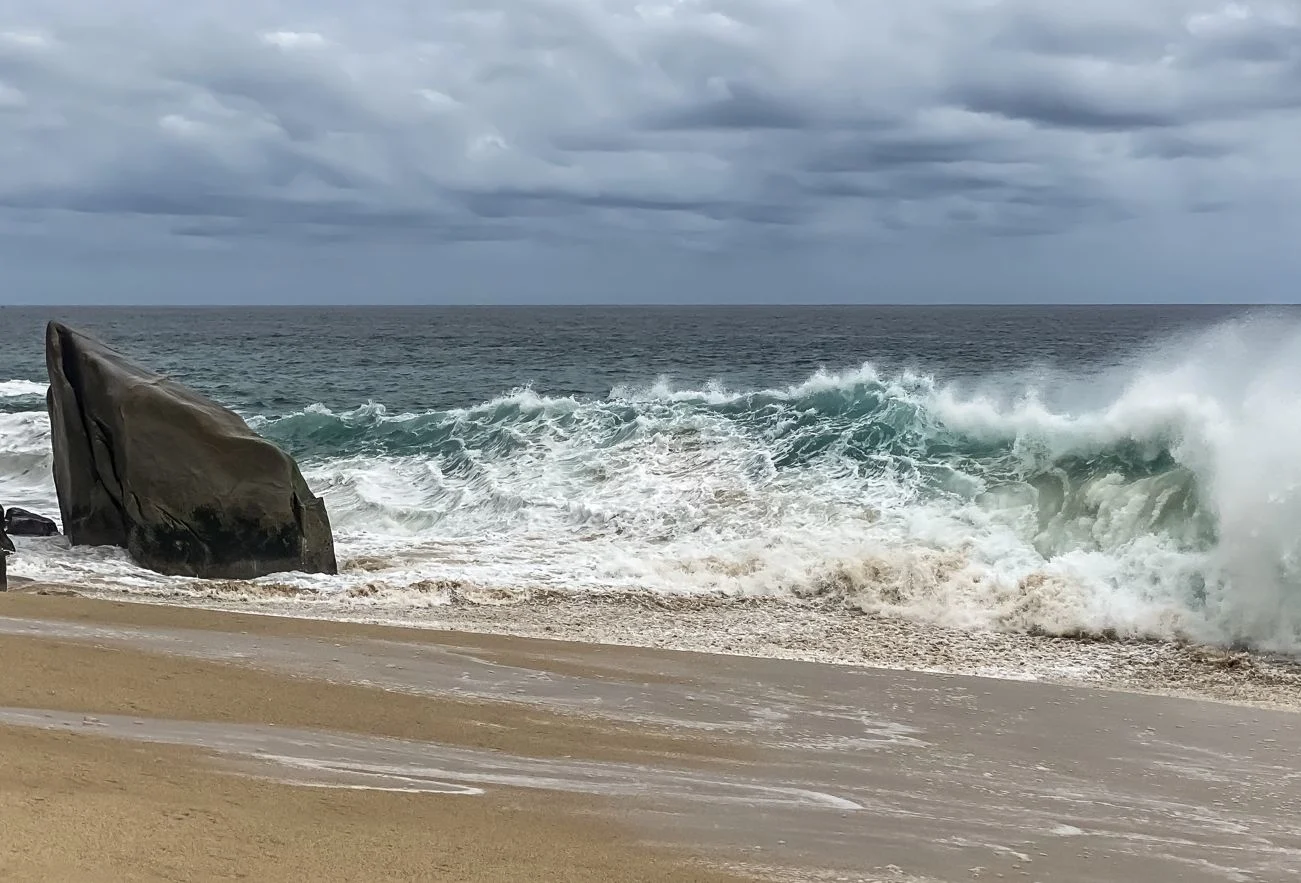
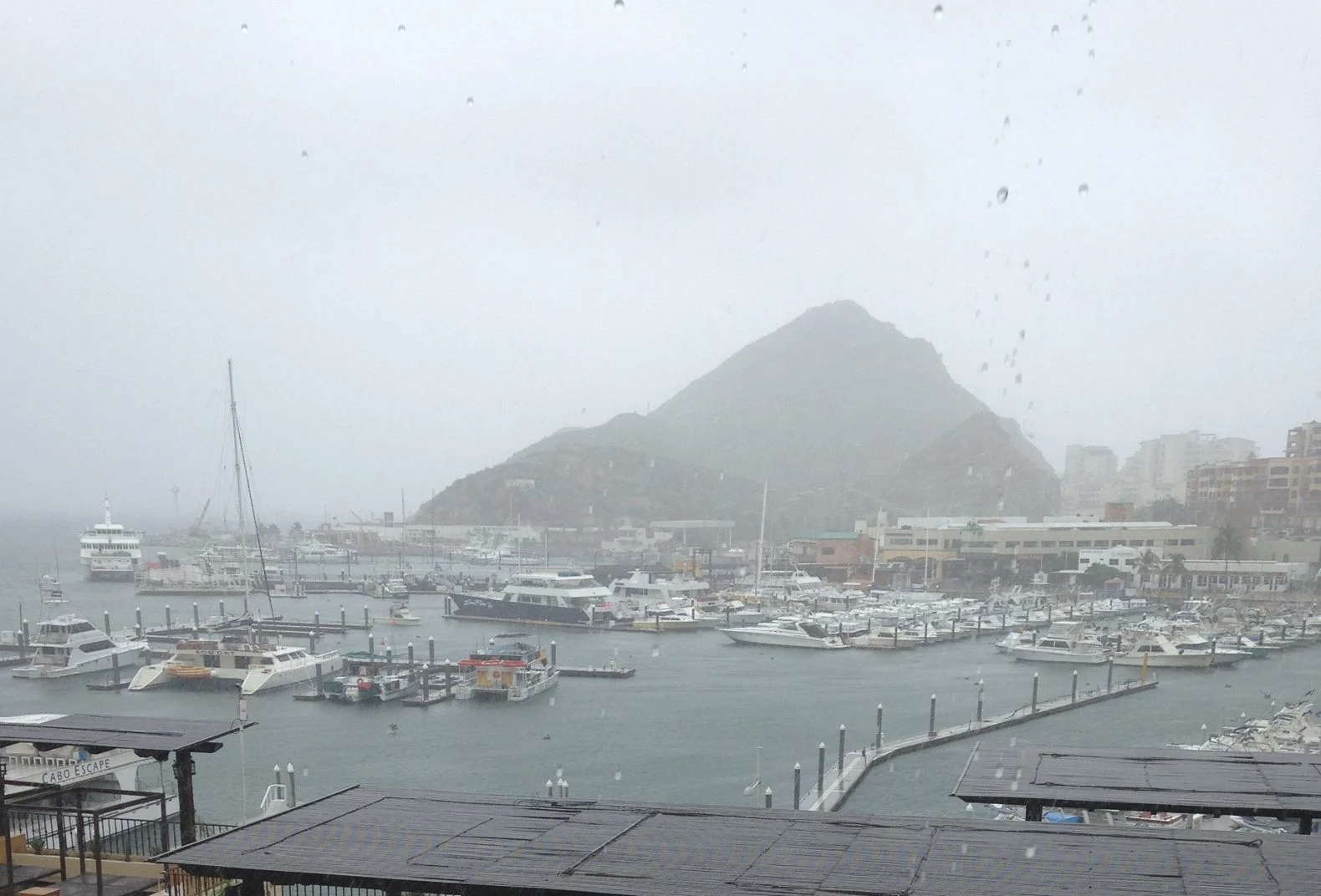
3. Stay flexible on activities. This is the part most visitors actually feel. Late-season weather shows up as: beaches closed until further notice, boat tours postponed, or certain sections of the marina roped off while surf settles. When that happens, just slide to Plan B — spa, San José art walk, downtown tacos, shopping — and wait for the green flag to return. We’ve covered these short-term beach pauses and how fast they reopen once conditions improve.
4. Keep an eye on low-lying roads. Even a “nothing big” storm can flood arroyos or wash out rural stretches — the state has literally spent hundreds of millions of pesos from lodging-tax surpluses fixing rain damage this year, so you know it’s a recurring issue. If you rented a car, let locals clear and inspect the crossings first.
Authorities are pushing so hard on risk management right now because they don’t want to get complacent after a relatively kind season. Cabo’s crews learned a lot from recent tropical systems — how fast to close beaches, how to communicate flags, how to shelter nearly 20,000 tourists inside hotels without major incidents — and they want to modernize that playbook before 2026 rolls in. Travelers benefit directly from that mindset.
Our take:
If you’re arriving in early November, bookmark the National Hurricane Center, ask your hotel about its storm protocol at check-in, and follow beach flags like they’re traffic lights.
Do that, and you can enjoy shoulder-season Cabo with way fewer crowds, lower humidity, and those crisp sunsets the destination is famous for.
The Ultimate Cabo Trip Planner
When’s the best time to go? Our powerful month-by-month guide breaks down the weather, crowds, hotel rates, and whale watching seasons for your perfect trip.
Find Your Perfect Los Cabos Resort In Seconds
This simple, powerful tool was built by our on-the-ground experts to match you with the ideal resort for your specific budget and travel style.
Subscribe to our Latest Posts
Enter your email address to subscribe to The Cabo Sun’s latest breaking news affecting travelers, straight to your inbox.