
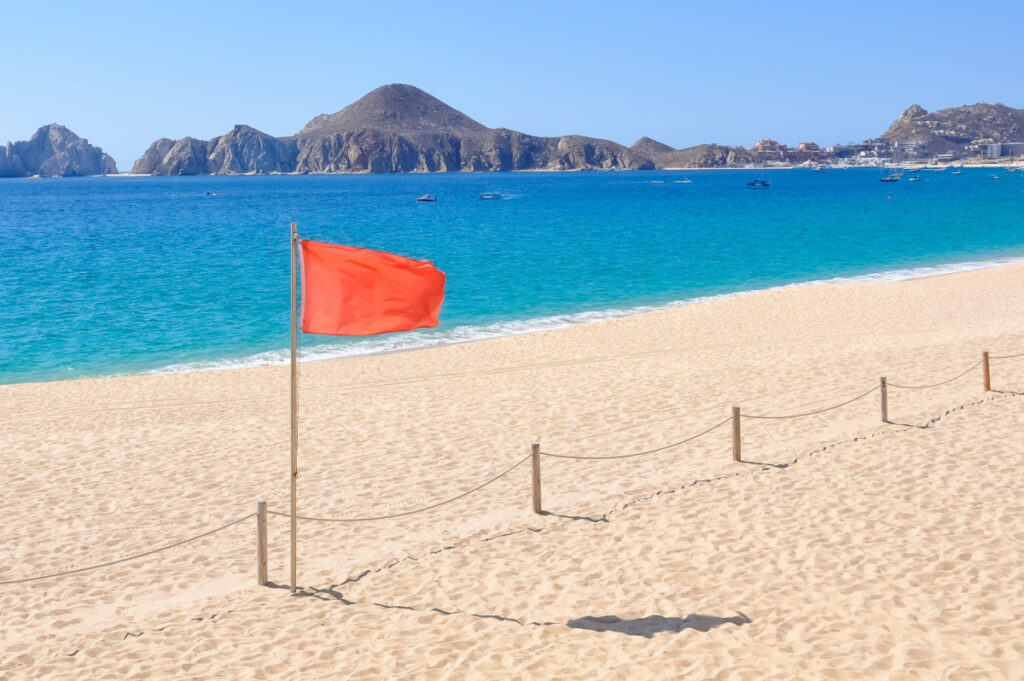
Dreaming of that first plunge into Cabo’s famously turquoise-meets-deep-blue water when—uh-oh—a crimson banner pops against the palm trees? Take a breath.
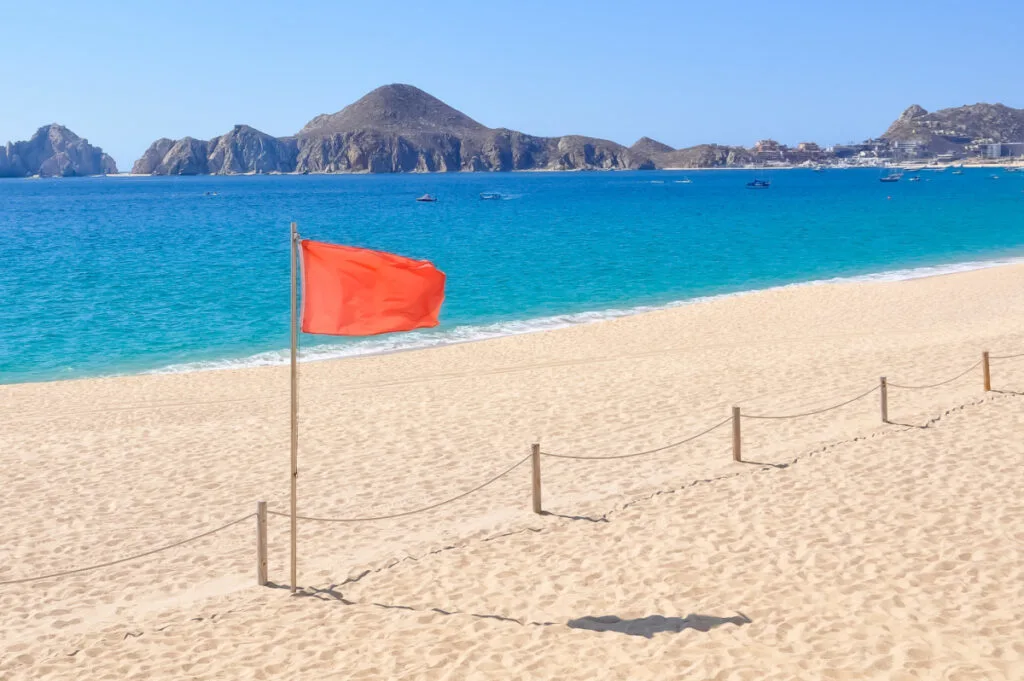
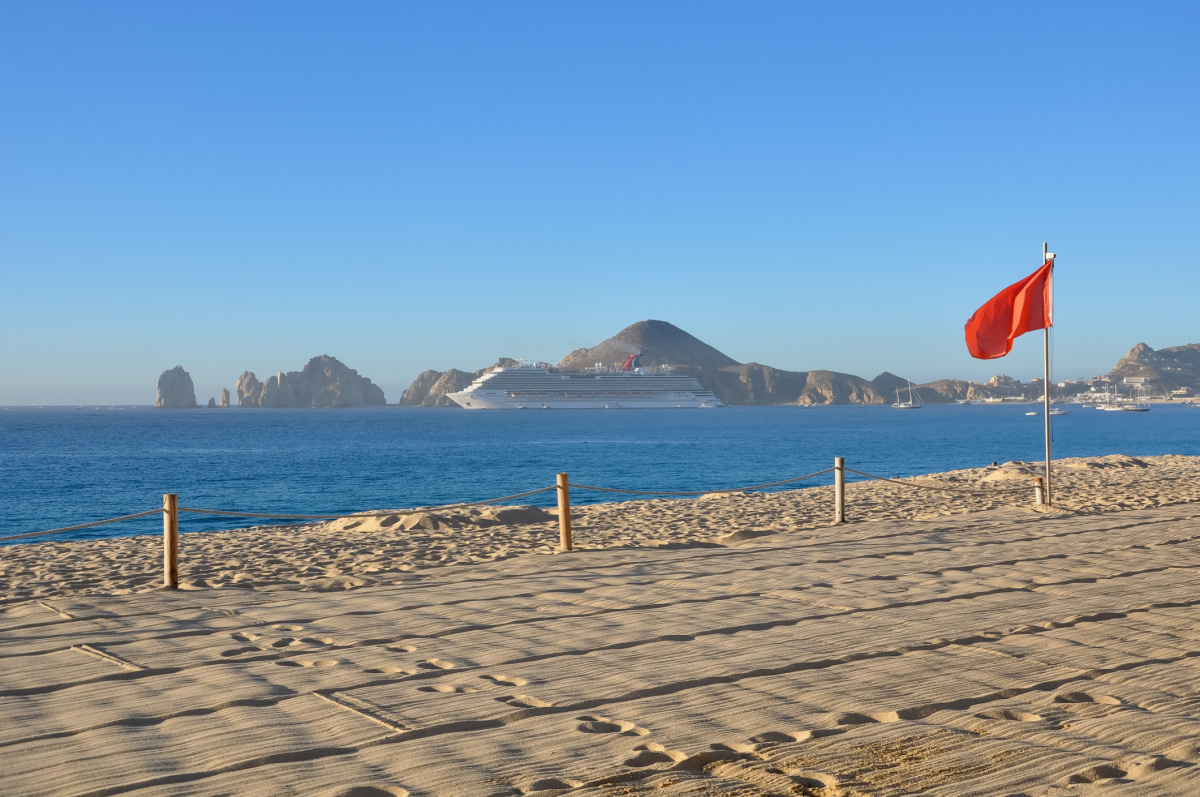
A single red flag isn’t the ocean police … but it is Baja’s way of shouting, “Danger ahead!”
Below, we at The Cabo Sun break down exactly what the red flag is telling you, why enforcement can look wishy-washy, and the smart way to keep your beach day legendary—not legendary for the wrong reasons.
Why Los Cabos Hoists The Red Flag
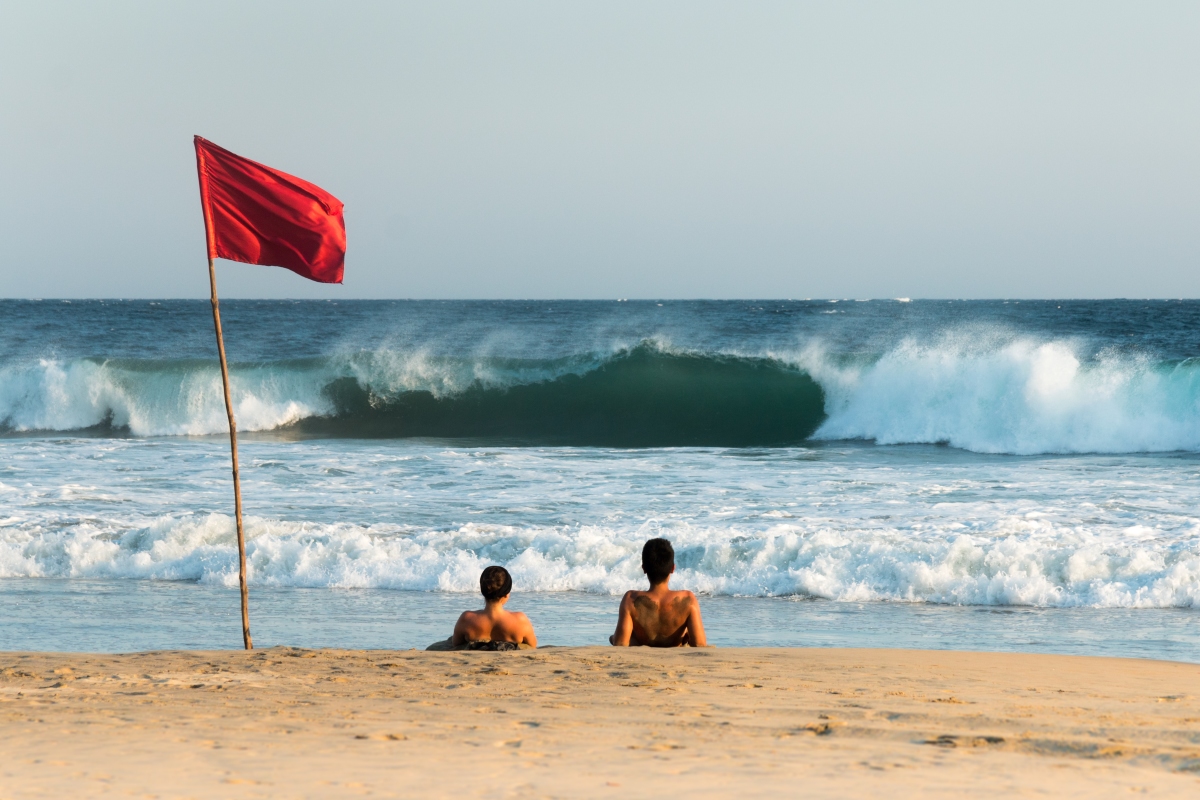
Los Cabos sits where the mellow Sea of Cortez collides with the raw Pacific. Add steep underwater shelves, surprise “mar de fondo” swells, and rip currents that can drag even confident swimmers sideways, and you’ve got a recipe for quick-changing surf.
Local beach authority ZOFEMAT raises a red flag whenever those currents or waves hit “high-hazard” territory—usually after strong winds or distant storms send energy straight to shore.
A red flag strongly advises everyone to stay dry, yet it’s not an outright legal ban. That only kicks in when a black flag (or, in certain stretches, double-red flags) replaces it. Think of red as the final courtesy before the shoreline officially closes.
To be clear: we at the Cabo Sun strongly recommend avoiding getting in the water when a red flag is posted. However, it isn’t an outright ban on dipping your toes in the water.


Confusion On The Sand
So why do the headlines—and sometimes hotel staff—swear a red flag equals “prohibido nadar,” while tourists in neon floaties wade in anyway?
- Mixed rule books: U.S. resorts often teach “single-red = high hazard, double-red = closed.” Mexico’s Pacific coast tends to leap straight from red to black. Visitors assume “one flag means warning, not no-go.”
- Looks can deceive: From your lounger, the first 10 feet of shore break may appear tame, hiding the rip just beyond.
- Guard bandwidth: With hundreds of swimmers spread across Medano, Palmilla, and Chileno, lifeguards focus on rescues, not policing ankle-deep paddlers.
Result: enforcement feels optional, myths persist, and too many vacations end with a ride to the clinic.
When The Beach Is Really Off-Limits: Black Flag
Black means back away from the water’s edge—full stop.
Officials post it for hurricane swell, lightning, sewage spills, or mega “mar de fondo” events.
Under a black flag, even dipping toes for a selfie can earn a whistle and endanger your life.

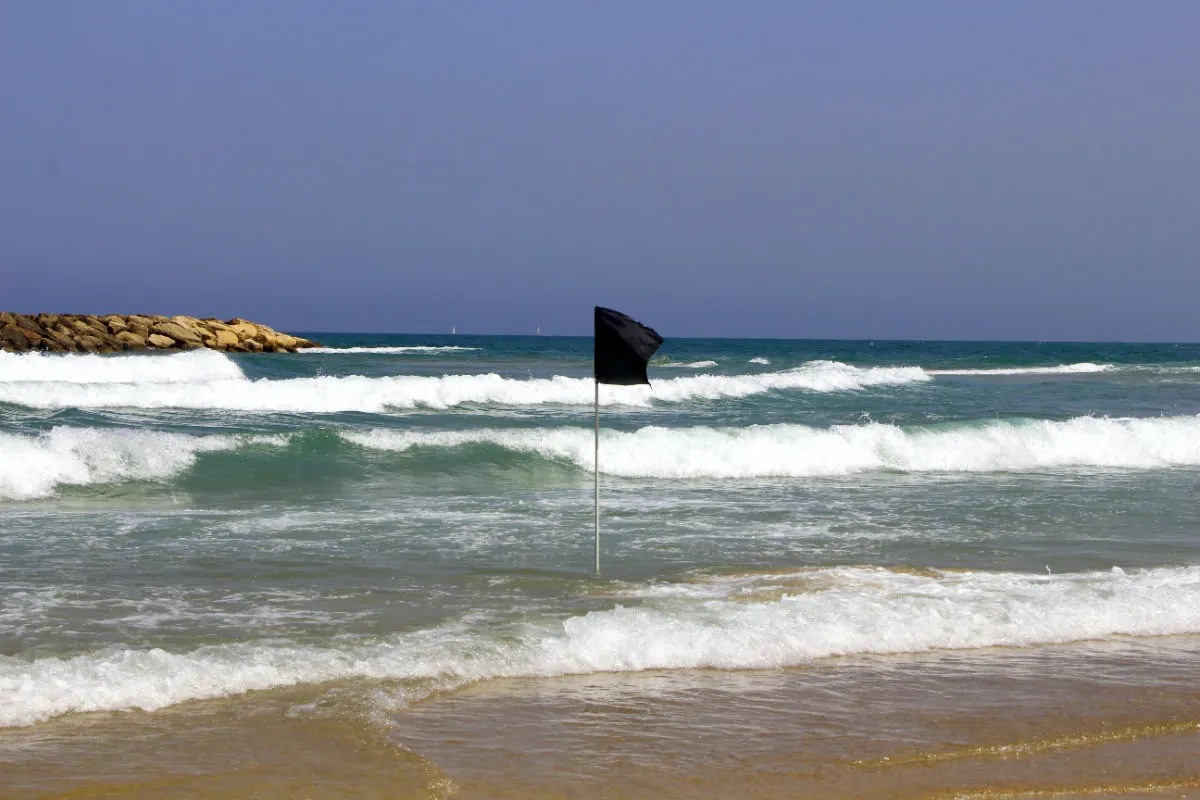
Cabo’s Color-Code Cheat Sheet
- 🟢 Green – Low Hazard: Gentle surf. Keep kids within arm’s reach.
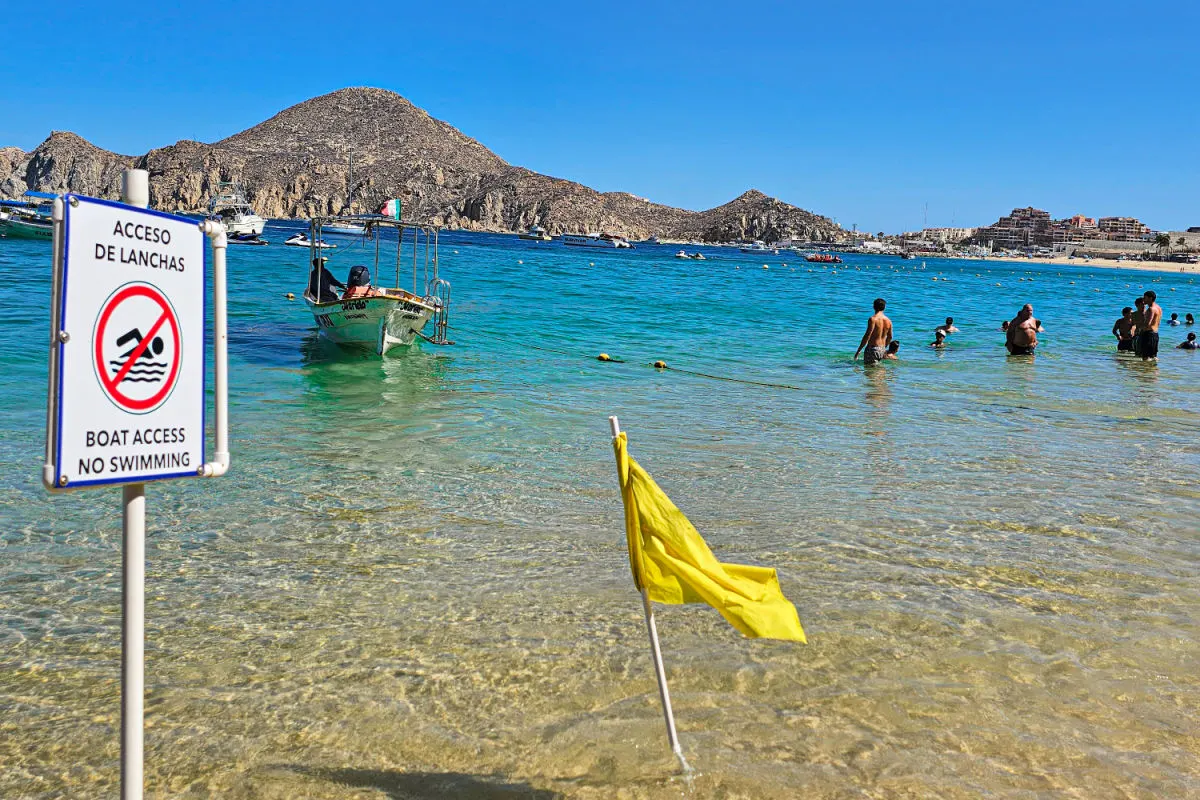
- 🟡 Yellow – Moderate Hazard: Choppy waves or mild currents; confident swimmers only.
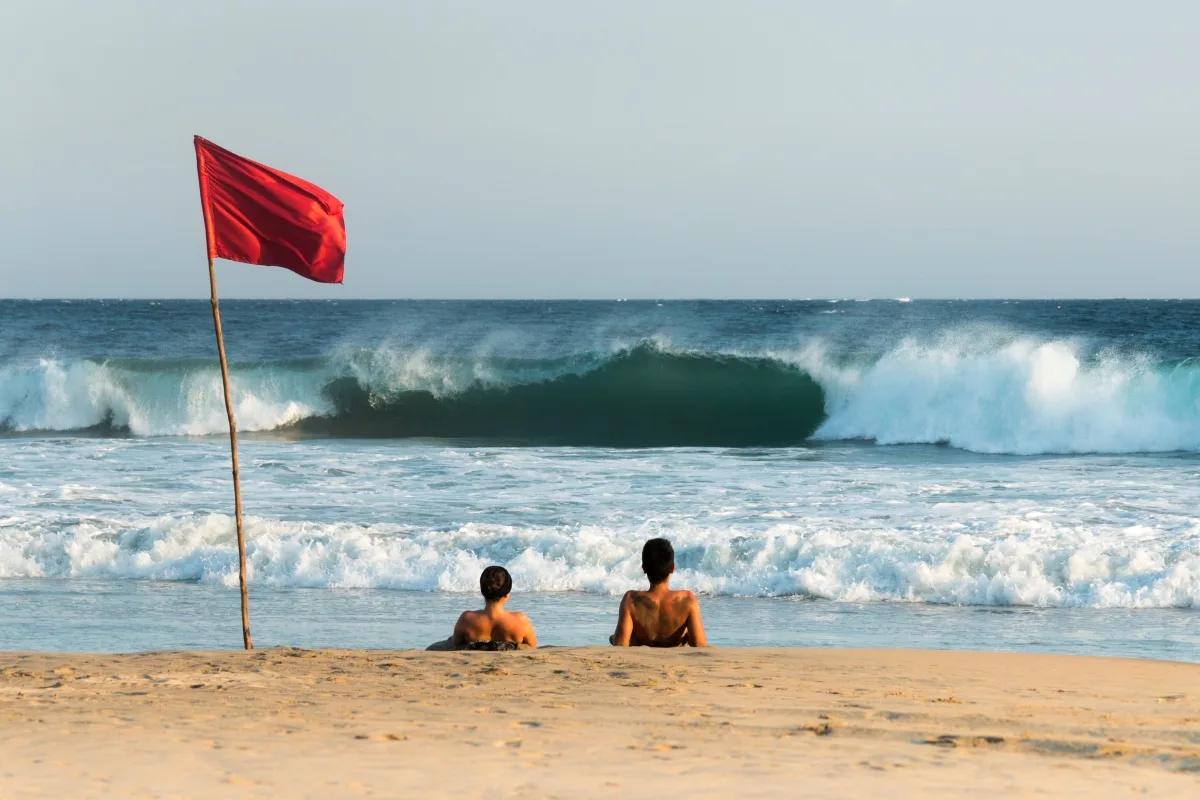
- 🔴 Red – High Hazard: Strong currents/shore-break; swimming strongly discouraged.
- ⚫ Black – Beach Closed: No entry, period—head for the pool bar.
- ⚪ White – Marine Life Alert: Jellyfish or stingrays in the shallows; shuffle those feet.
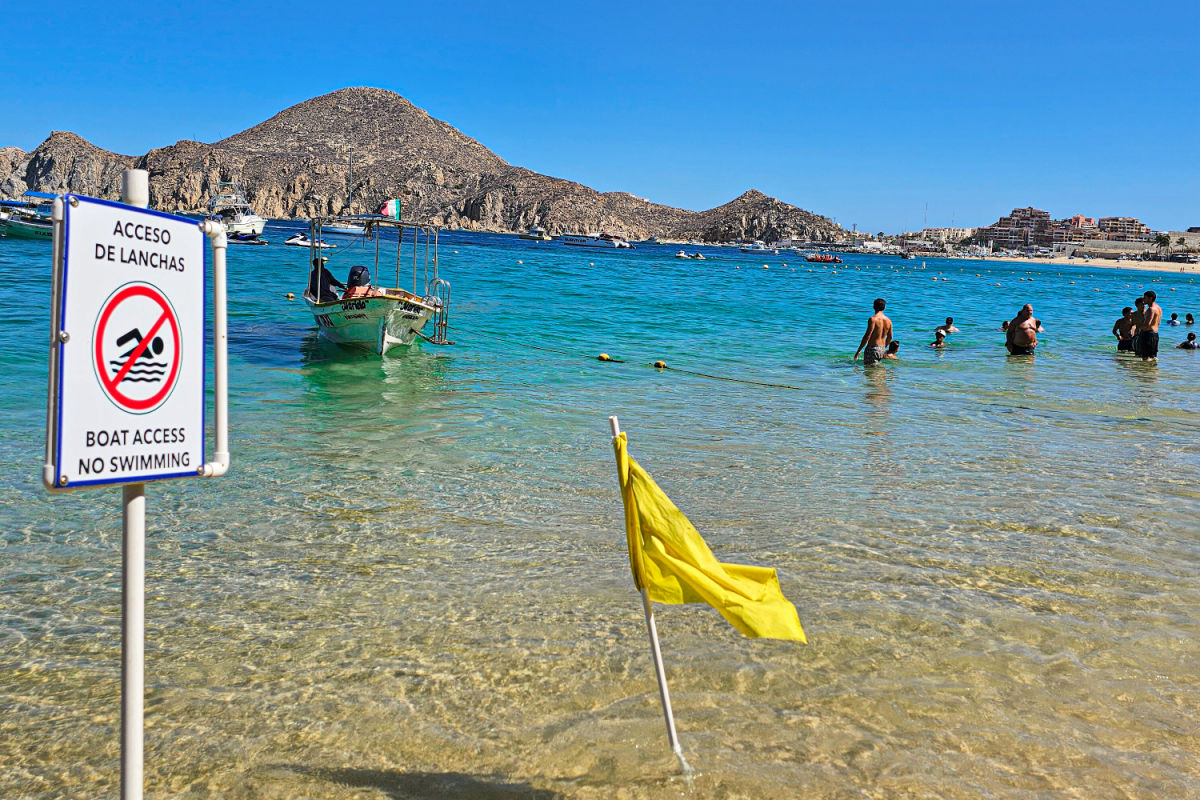
Why You’ll Still Spot Brave (Or Reckless) Souls In The Surf
- Photo-op temptation – That perfect Cabo Instagram shot is just beyond the breakers.
- “It’s fine, bro” groupthink – One confident swimmer emboldens ten newbies.
- Surf culture bleed-over – Local surfers chase the same swells that scare swimmers; onlookers misread their expertise as a green light.
Remember: a surfboard is a flotation device and years of experience—not a hall pass for vacation swimmers.

Pro Tips For A Safe Cabo Beach Day
- Scan the flag before you drop your towel. Conditions can flip twice between breakfast and lunch.
- Ask, then verify. Lifeguards usually patrol during normal business hours and slightly beyond (think 9-5 ish); hazards don’t punch a time clock.
- Stick to supervised zones. ZOFEMAT data show most rescues happen just outside guarded stretches on Medano and Palmilla.
- Skip booze-then-swim. Alcohol dulls rip-current instincts and saps energy fast.
- Know the rip-current escape. If caught, swim parallel to shore until the pull eases, then angle back in.
- Plan B ready? Condo pool, hotel infinity edge, kayak tour—keep an alternate splash option in your pocket.


The Takeaway
In Los Cabos, the red flag isn’t a buzzkill—it’s free, life-saving intel. Treat it like the bartender warning you that fourth mezcal might be one too many: technically optional, but wise to heed.
Save the cannonballs for green and yellow days, file red under hammock-time, and if black is flapping, find the nearest taco stand and call it a cultural adventure.
Respect the colors, and you’ll take home sea-salt memories—not a cautionary tale. Stay safe, and we’ll see you on the sand!
The Ultimate Cabo Trip Planner
When’s the best time to go? Our powerful month-by-month guide breaks down the weather, crowds, hotel rates, and whale watching seasons for your perfect trip.
Find Your Perfect Los Cabos Resort In Seconds
This simple, powerful tool was built by our on-the-ground experts to match you with the ideal resort for your specific budget and travel style.
Subscribe to our Latest Posts
Enter your email address to subscribe to The Cabo Sun’s latest breaking news affecting travelers, straight to your inbox.