
We at The Cabo Sun get the same question every single winter: “Is Cabo actually doing anything to keep tourists safe?”
Short answer: yes—and this season, a lot of those moves are becoming very visible on the ground.
Los Cabos has just been named one of the safest tourist destinations in Mexico based on a new data-driven breakdown of U.S. travel advisories, with the main tourist corridors still sitting at a comfortable Level 2 (the same as many European hotspots). Recent surveys also show Cabo ranking among the safest-feeling cities in the country, even as authorities pile on extra operations for high season.
Here’s what that actually looks like this winter: five concrete things local and state authorities are doing to help keep your Cabo vacation safe.

1. Brighter Streets And Marina Access With New LED Lighting
Let’s start with the one you asked about.
Cabo San Lucas is in the middle of a major public-lighting upgrade. The local Public Services Coordination has been swapping out old fixtures for modern LED lamps along key streets like Hidalgo, Paseo de la Marina, San Antonio, and access roads near the General Hospital and Jardines del Sol.
The official goal is simple:
- Better visibility for drivers at night
- Safer sidewalks for pedestrians
- A more comfortable feel around busy downtown and marina access points
On top of that, federal port authority ASIPONA is modernizing lighting and surveillance inside the Cabo San Lucas Marina itself, tying upgraded cameras and restored lighting into the city’s C-2 security center. That means the boardwalk, restaurant zone, and cruise-ship tender area are being watched more closely—and are literally better lit—than in past years.
Traveler takeaway:
- At night, stick to the main lit corridors—downtown streets like Hidalgo and the official marina boardwalk. You’ll notice the difference compared to older, dimmer seasons.
- You can read more about the marina upgrades in our breakdown of the two big changes officials are making to keep the waterfront safe for tourists on The Cabo Sun.


2. Fresh Dengue-Prevention And Mosquito Control
Winter in Los Cabos overlaps with ongoing dengue-prevention work, especially after rainy periods. State health authorities have launched new fumigation cycles in the municipality to combat the mosquito that transmits dengue, explicitly framed as part of a strategy to “protect the health of the population” in Los Cabos.
We’ve already reported on coordinated neighborhood fumigation trucks, backpack sprayers, and public campaigns asking residents and businesses to eliminate standing water. Authorities in Baja Sur have even adopted innovative tools like releasing Wolbachia-carrying mosquitoes to suppress dengue transmission—an approach used in other destinations around the world.
What this means for you:
- You may see fumigation trucks or backpack sprayers in residential areas and around town.
- Dengue risk is kept comparatively low thanks to these campaigns, but repellent is still a must, especially at dawn and dusk.
- For a deeper dive into how dengue prevention fits into the bigger safety picture, check out our article on 4 ways Los Cabos is making your vacation safer right now on The Cabo Sun.

3. Tougher Beach-Flag Rules, Lifeguards, And Short-Term Ocean Closures
If you’ve been following Cabo beach news lately, you’ve probably noticed a theme: authorities are getting louder and clearer about beach safety.
This season, Los Cabos has:
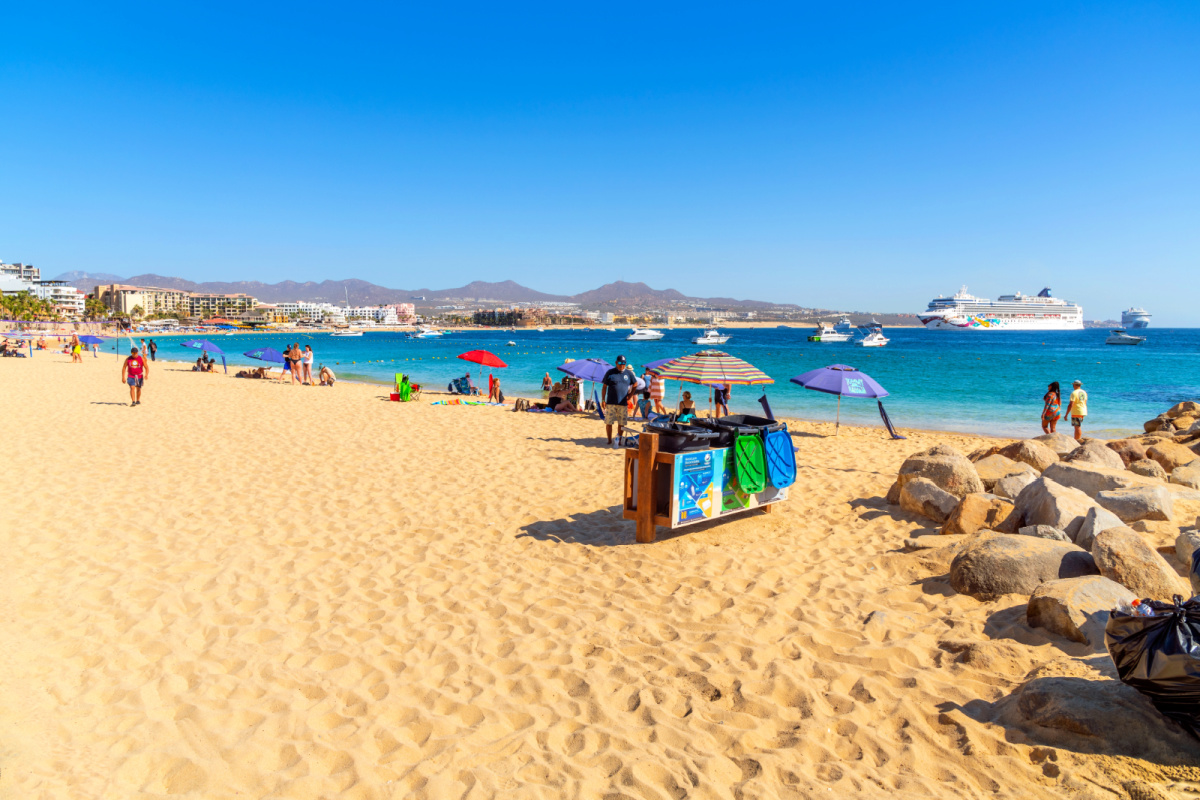
- Expanded and refreshed its colored flag system—especially along busy El Médano Beach—so travelers can quickly see when surf or currents turn dangerous.
- Stepped up lifeguard and ZOFEMAT messaging, with more reminders that red and black flags are not suggestions; they’re hard warnings.
- Issued strong, temporary health advisories to stay out of the ocean for a few days after heavy storms while runoff clears and water-quality tests come back clean, sometimes posting black flags at access points even when the waves look deceptively normal.
We’ve broken all of this down in detail in our guides to being cautious on all beaches, and in the explainer on why officials occasionally ask tourists to stay out of the water for a short window after storms.
Traveler takeaway:
- Learn the flags before you go: green (calm), yellow (caution), red (dangerous), black (closed).
- Swim only at lifeguard-protected coves like Médano, Chileno, and Santa Maria—not random stretches of the Pacific side.
- Treat any health advisory or black flag as a firm “no” even if some people ignore it.
- If you want a one-stop checklist, our 5 need-to-know Los Cabos safety tips for 2025 article is a great pre-trip read.
4. More Blue Flag Beaches Than Anywhere Else In Mexico
Beach safety isn’t just about flags and lifeguards. Los Cabos now leads the country with 27 internationally certified Blue Flag beaches, thanks to a new round of awards that added Playa Corazón, Paraíso Leoneros, and “La Playa” in San José del Cabo to the list.
Blue Flag status is not a marketing slogan—it’s a strict global program that requires:
- Regular water-quality testing
- On-site safety and rescue plans (often including lifeguards)
- Clear rules on bonfires, pets, and waste
- Ongoing audits to keep the flag
Local officials are very open that these certifications are being used to push higher standards for coastal quality and safety all along the Tourist Corridor.
Traveler takeaway:
- If you want the easiest “safe choice,” start with a Blue Flag cove like Santa Maria, Chileno, or Palmilla, which even carry elite “A+” distinctions.
- Expect enforced rules: no pets on the sand, no bonfires, and stricter red/black-flag closures when conditions demand it.
- We map out all 27 beaches—and what the distinction means—for visitors in our full Blue Flag explainer on The Cabo Sun.


5. Extra Security Patrols, Cameras, And Seasonal Operations
Finally, the part most travelers notice right away: more uniforms and more patrols where you spend your time.
Across the marina, downtown Cabo San Lucas, San José’s historic center, and the Tourist Corridor, authorities have:
- Increased tourist-police and military patrols in high-traffic zones.
- Deployed more than 250 personnel and 30+ units for big events like the Fiestas Tradicionales, with similar operations expected over the peak winter holidays.
- Rolled out a dedicated private security team (20 guards) and a fully upgraded camera-and-lighting system at the Cabo San Lucas Marina, all connected to the C-2 monitoring center.
Combine that with the fact that Baja California Sur as a state is still rated Level 2: “Exercise Increased Caution” by the U.S. government—with no extra restrictions on travel for U.S. personnel in the main tourist corridors—and you get a pretty solid safety baseline for a resort destination.
Traveler takeaway:
- Don’t be surprised by bag checks at festival entrances or a strong police presence around the marina and main beaches. That’s by design, not a sign something is wrong.
- Pair these upgrades with smart choices—licensed transport, well-lit routes at night, and the common-sense tips in our Los Cabos safety guide—and you’re stacking the deck in your favor.
The Bottom Line For Your Winter Trip
Big picture, Los Cabos is trying to match its booming visitor numbers with visible, traveler-facing safety upgrades: brighter streets, cleaner and better-managed beaches, firm ocean rules, health campaigns, and more eyes on the places you actually hang out.
Behind the scenes, authorities are also coordinating on wildfire and storm preparedness at the state level so that infrastructure and communities stay protected during extreme weather—another piece of the safety puzzle we’ve unpacked separately for readers.
If you’re booked for this winter—or thinking about it—you can expect a destination that’s not just beautiful, but clearly investing in your peace of mind while you’re here.
The Ultimate Cabo Trip Planner
When’s the best time to go? Our powerful month-by-month guide breaks down the weather, crowds, hotel rates, and whale watching seasons for your perfect trip.
Find Your Perfect Los Cabos Resort In Seconds
This simple, powerful tool was built by our on-the-ground experts to match you with the ideal resort for your specific budget and travel style.
Subscribe to our Latest Posts
Enter your email address to subscribe to The Cabo Sun’s latest breaking news affecting travelers, straight to your inbox.