
We at The Cabo Sun spend a lot of time out on the beaches, the marina, and the tourist corridor, and we’re seeing a clear theme this season: Los Cabos is doubling down on traveler safety.
From mosquitoes to surf flags to police presence, here are four concrete ways authorities are making your trip safer right now, plus a few quick tips you can use today.


1) Fresh mosquito prevention is underway (and it’s coordinated)
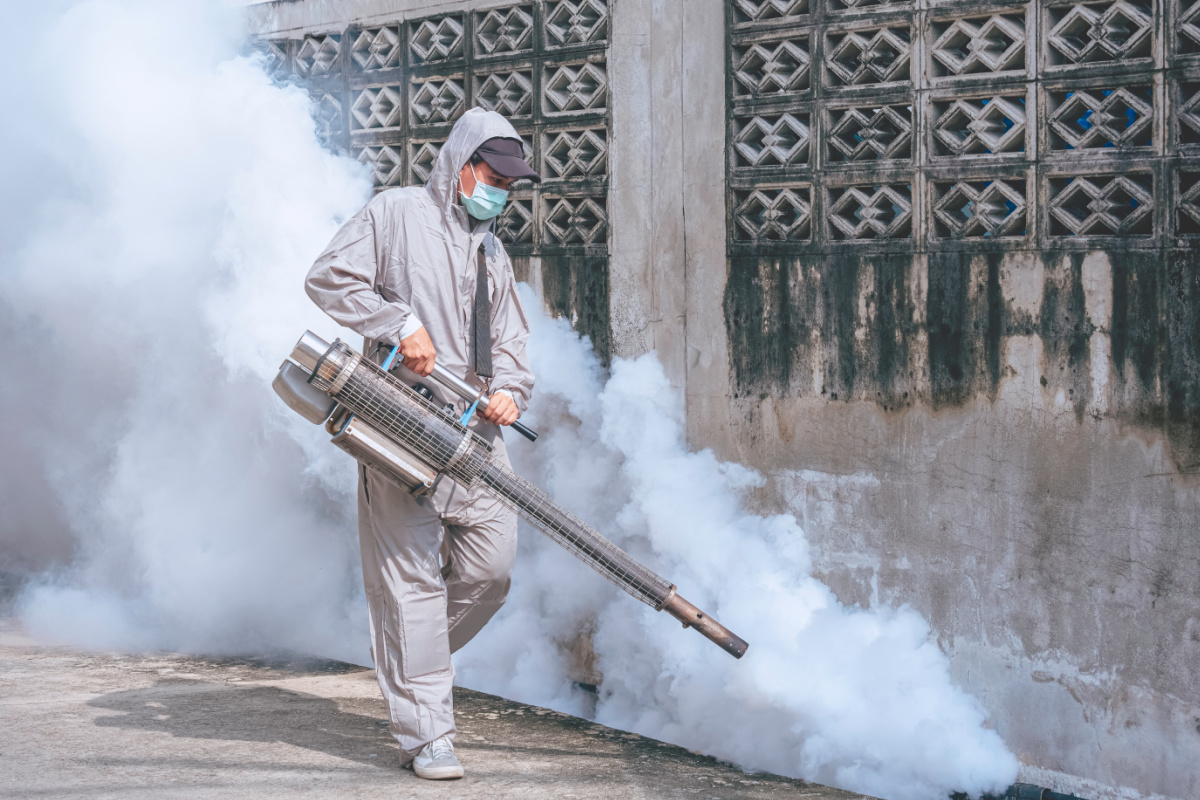
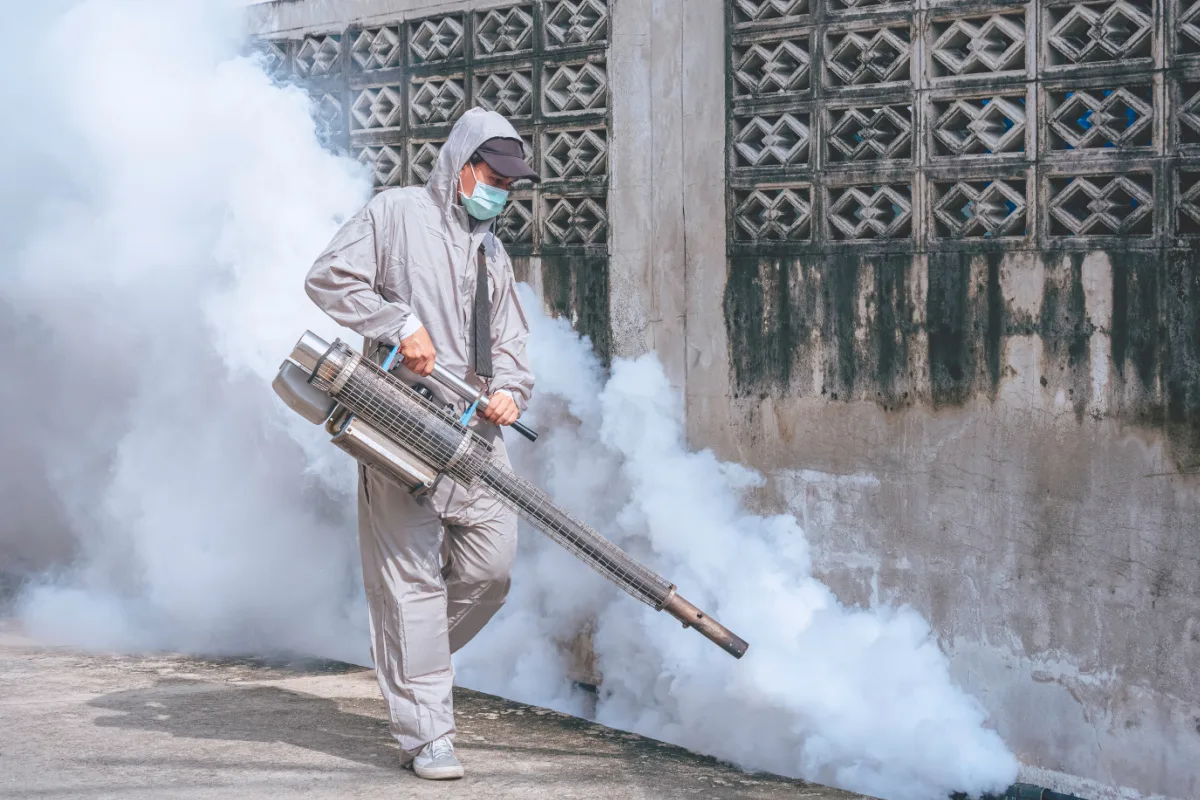
Health officials have kicked off a new round of dengue-prevention work across the municipality, including neighborhood fumigation cycles rolling through San José del Cabo and Cabo San Lucas over the next couple of weeks.
They’re also asking residents and businesses to eliminate standing water so trucks and backpack sprayers make maximum impact.
If you’re visiting, the practical move is simple: use repellent with DEET or picaridin at dusk and dawn, and keep patio areas dry.
We’ve been tracking dengue safety for travelers in Cabo for years, and the public-health strategy now includes innovative steps like releasing Wolbachia-carrying mosquitoes to suppress dengue transmission—good news that might sound counterintuitive at first glance but is a proven tool used globally.
2) Bigger, clearer beach-flag system and lifeguard messaging
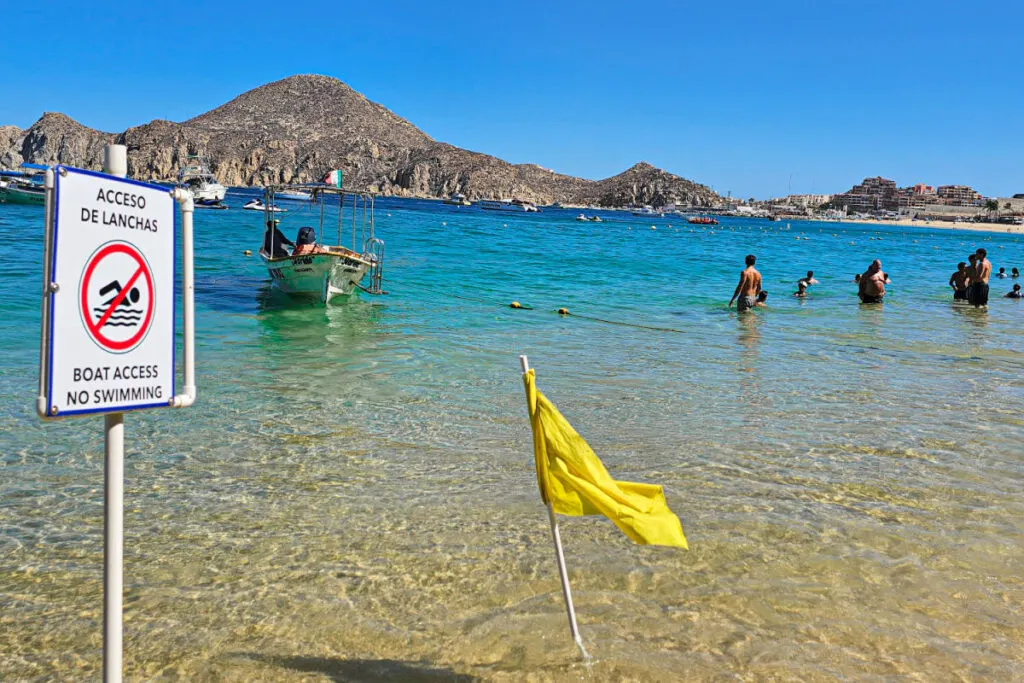
Surf conditions change fast where the Pacific meets the Sea of Cortez, so Cabo has expanded and refreshed safety flags—especially along busy El Médano Beach—to make it easier to understand when currents get tricky.
Lifeguards and ZOFEMAT teams have also amped up reminders to actually follow the colors (and the whistles). If you spot red, think “high hazard” and keep it to a shoreline stroll; black or double-red means the water is closed.
Our full explainer on what each color means—and how enforcement works on the ground—breaks it down in traveler-friendly terms.
Traveler tip: Conditions can flip in an hour after distant storms. Check flags when you arrive and before you leave your towel.

3) More Blue Flag beaches = stricter standards and on-site enforcement
Los Cabos now boasts a record 27 Blue Flag beaches, which isn’t just a bragging right—it’s a package of real-world rules that keep your day safer and cleaner.
Expect consistent lifeguard coverage where required, water-quality monitoring, and rules like no bonfires or pets on certified sands. Authorities have been stepping up enforcement of swim bans during strong swell events, too, to keep accidents down and vibes up. If you like choosing the easy, safe option, aim for Blue Flag—your future self will thank you.
Traveler tip: Want a quick win? Start your beach day at a Blue Flag stretch and ask the lifeguard which pocket is calmest for families.


4) A stronger security presence in tourist zones
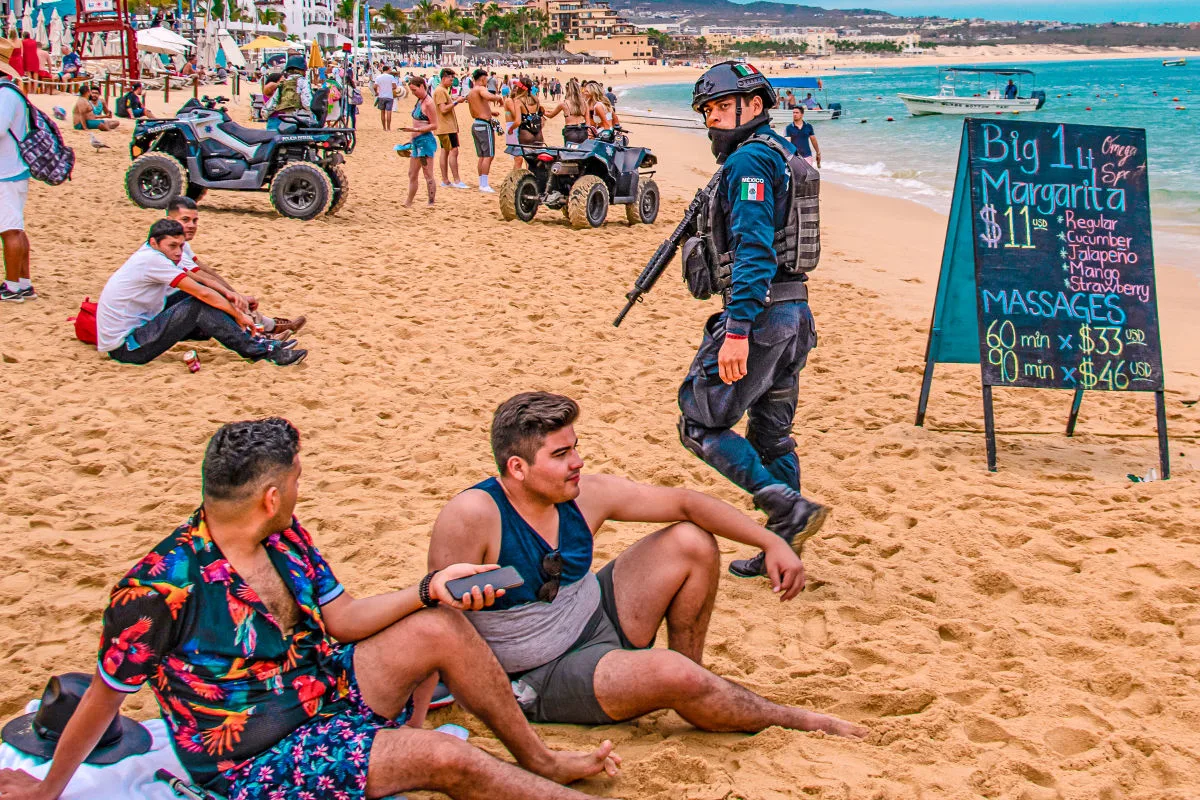
You’ll likely notice more patrols around the marina, downtown Cabo San Lucas, and along the tourist corridor. Local authorities are adding officers and tightening patrol patterns in the places travelers frequent most.
The goal is visibility and faster response—not to harsh your mellow. We’ve assessed safety on foot ourselves recently and found the vibe to be relaxed and comfortable, especially around the marina, with proactive checks on vendors and rules at the busiest beaches.
Traveler tip: Keep the basics in play—use hotel safes, stick to licensed transportation, and follow posted guidance at beaches. Those small habits pair perfectly with Cabo’s upgrades.

Bottom line
Between active dengue prevention, a clearer flag system with lifeguard guidance, a surge of Blue Flag certifications, and more patrols where you actually spend your time, Los Cabos is investing in the details that matter for a low-stress vacation.
If you’re building your itinerary now, here’s how to put this into practice:
- Pack and use repellent at dawn/dusk during rainy-season months.
- Choose a Blue Flag beach for easy safety wins and consistent standards.
- Treat red flags as a strong “no” for swimming and heed lifeguards.
- Expect a friendly, visible security presence in tourist areas—designed to keep your days carefree.
For deeper dives, see our recent coverage on why Los Cabos remains one of Mexico’s safest vacation spots and our hands-on walk test of downtown and the marina—both great context if you’re deciding where to stay and play.
Enjoy the sunshine, stay smart with the flags and repellents, and we’ll see you on the sand.
The Ultimate Cabo Trip Planner
When’s the best time to go? Our powerful month-by-month guide breaks down the weather, crowds, hotel rates, and whale watching seasons for your perfect trip.
Find Your Perfect Los Cabos Resort In Seconds
This simple, powerful tool was built by our on-the-ground experts to match you with the ideal resort for your specific budget and travel style.
Subscribe to our Latest Posts
Enter your email address to subscribe to The Cabo Sun’s latest breaking news affecting travelers, straight to your inbox.