
We at The Cabo Sun know beach time is probably the reason you booked Cabo in the first place.
After back-to-back storms, though, Los Cabos officials are asking visitors to stay out of the ocean for about four days for health reasons while runoff clears and water-quality tests come back clean.
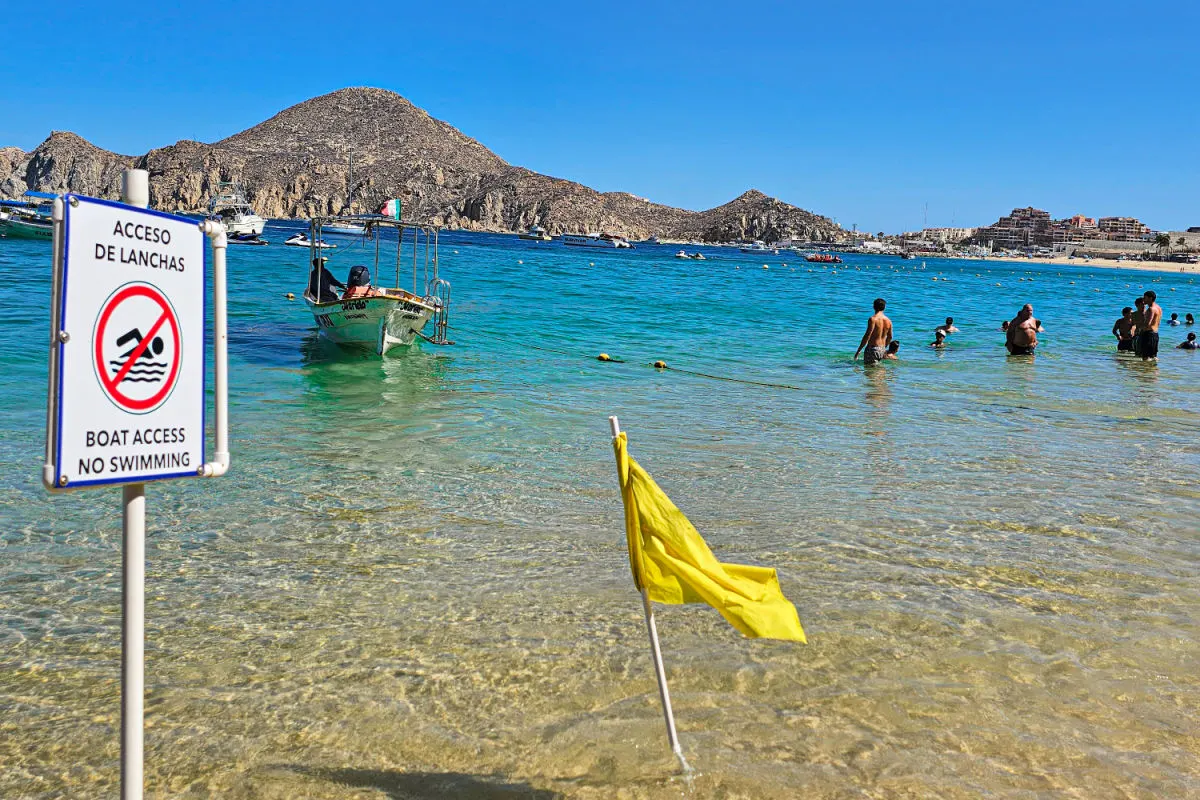
Think of it as a strong, short-term health advisory—not an absolute, everywhere-at-once ban. On some stretches you may still see swimmers and even yellow flags (swim with caution) when surf conditions allow, but the health guidance still applies while testing is ongoing.

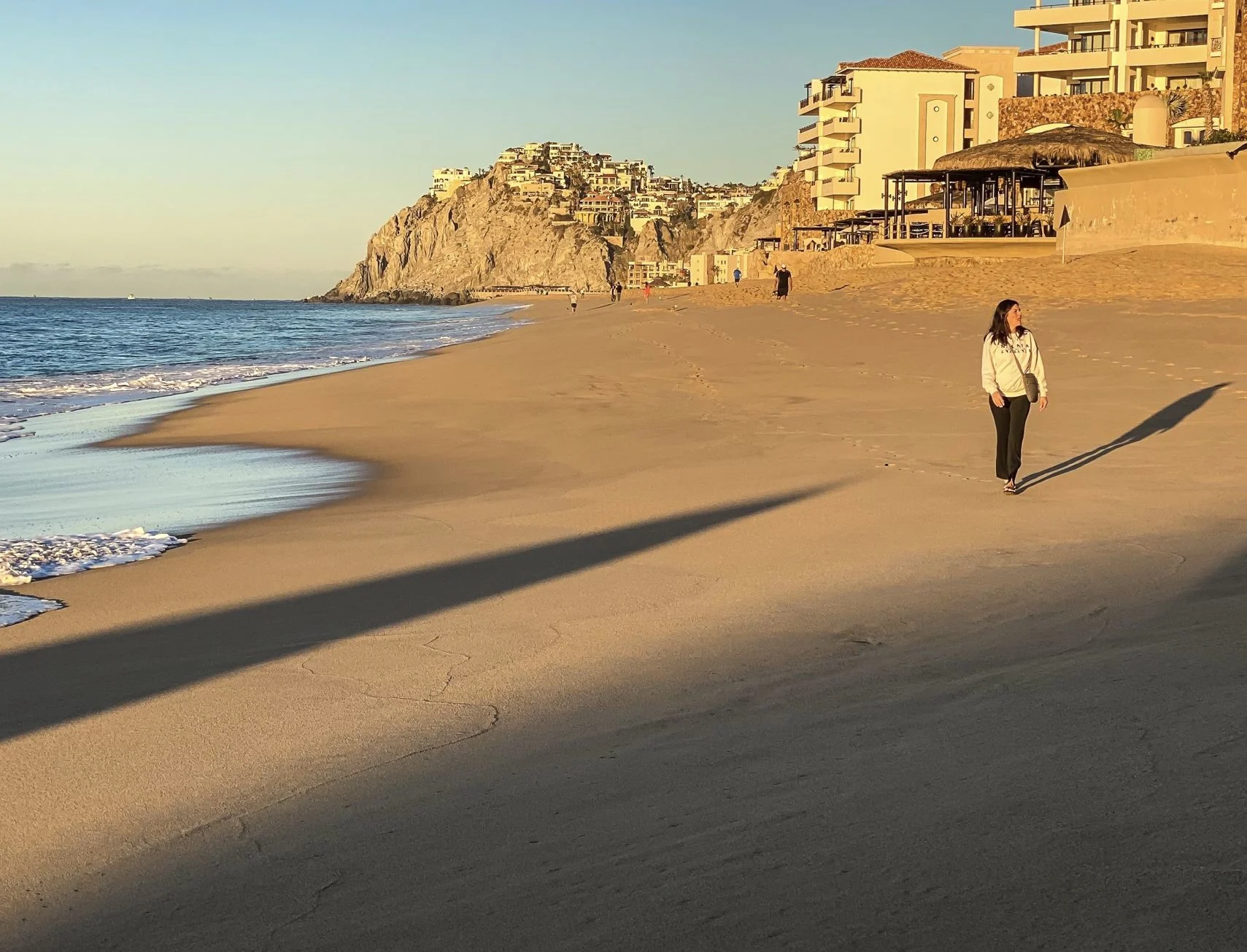
Why the four-day pause?
Heavy rains sent arroyos (seasonal streams) rushing into the Sea of Cortez and the Pacific, carrying soil, trash, oils, and organic matter.
That’s why officials emphasize a minimum four-day window after a “medium-impact” weather event—longer (up to seven days) for a strong impact—to let the near-shore zone flush and for cleanup crews to do their work.
It’s not just about waves; it’s about bacteria and irritants you can’t see from the sand, which can cause skin and stomach issues.
What you’ll actually see on the beach
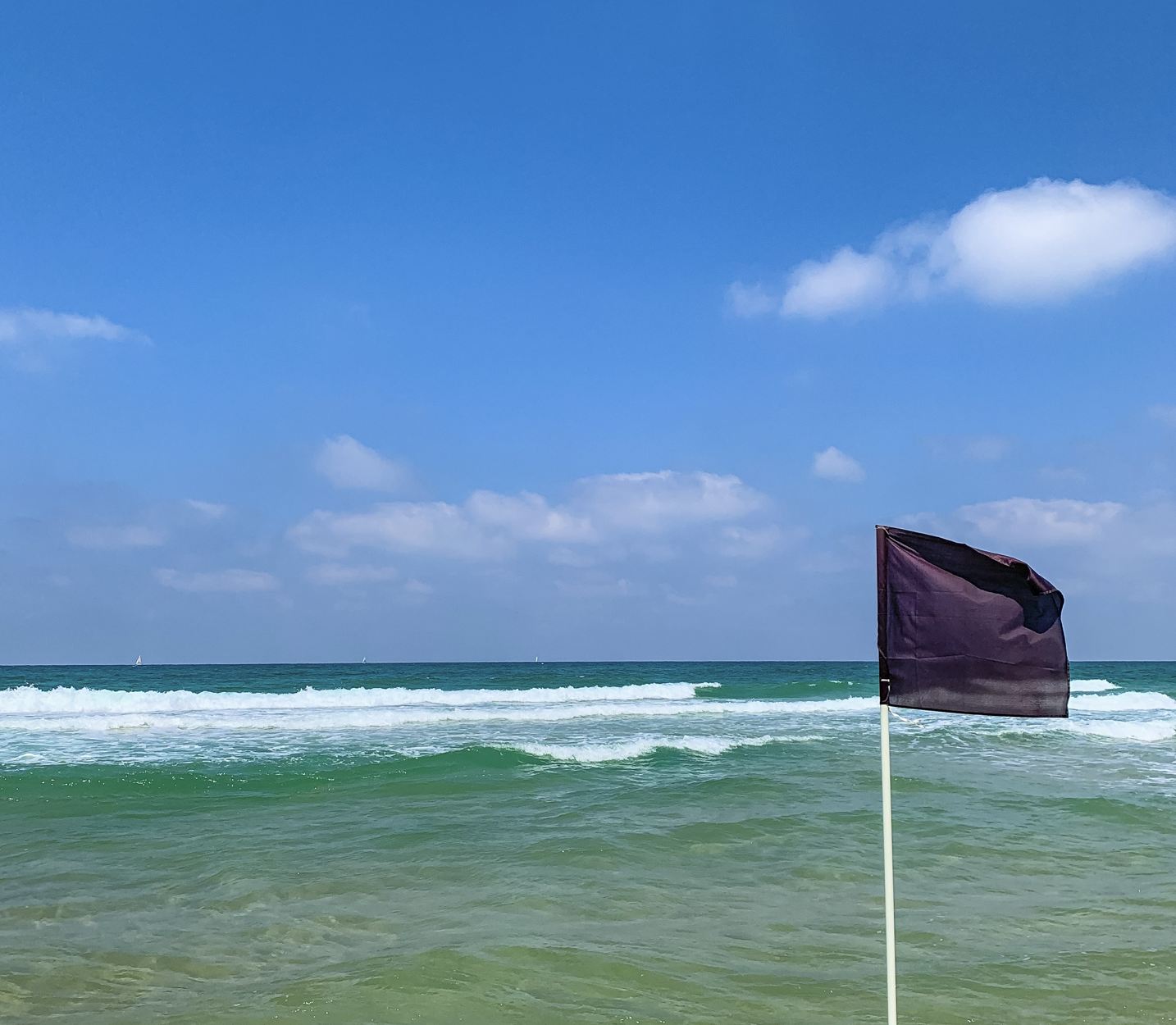
Los Cabos uses an internationally recognized flag system to signal surf hazards. Recently, authorities have posted black flags (beach closed) at various access points while sampling continues, and these will drop in phases as water quality improves.
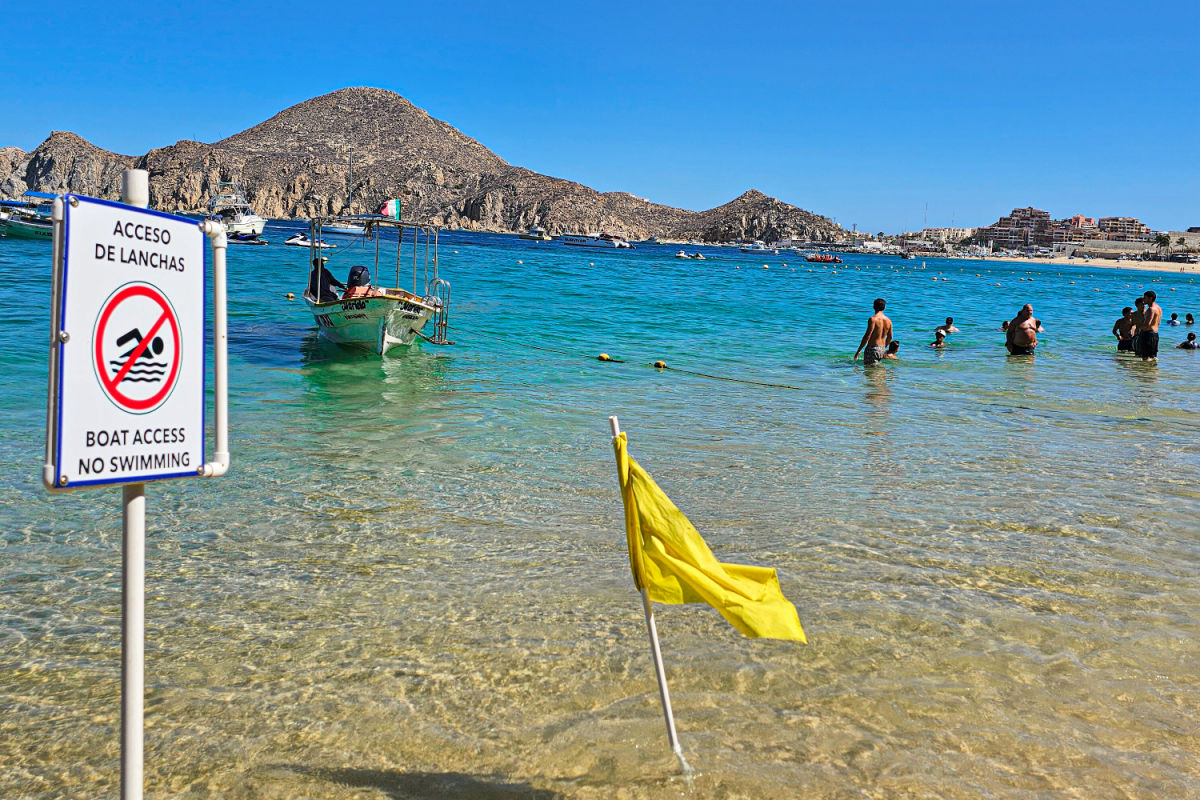
Elsewhere, you may encounter red (extremely hazardous) or yellow (swim with caution) based on surf at that specific cove.
That’s why conditions can look “normal” in one spot and restricted in another—surf safety and health testing are tracked in tandem, and reopenings roll out beach-by-beach.
When in doubt, follow the most conservative guidance on site and listen to lifeguards. For a quick refresher on every color, our recent explainers break it down clearly, including our black-flag guide on when beaches are off-limits and the new safety flags at El Médano.
How long will this last?
Officials say beaches will reopen in phases as soon as test results allow; not every shoreline will flip from closed to open at the same moment.
Municipal updates and local reports confirm the process is already underway, with the caveat that fresh swell or additional rain could extend the timeline.
We’ll keep tracking day-by-day developments in our rolling coverage, including our latest Raymond recovery update, so travelers can adjust plans on the fly.
Smart pivots for this week
Choose pools over waves. Resort pools are unaffected and routinely filtered, giving you the sun-and-swim day you came for—minus the health risk.
Walk, don’t wade. If you see black or red flags, treat the shoreline as off-limits; even ankle-deep water can be risky when surf is strong or contamination is lingering. If yellow flags are up and a lifeguard gives the okay, keep dips short and avoid swallowing water. Our flag guides explain exactly what each color means.
Ask about rescheduling. Snorkel tours, kayak outings, and beach-drop boat trips can often be pushed a day or two. Operators watch the same municipal flag boards and will help you rebook when your cove reopens.
Pick the right beach for later in your trip. Some coves clear faster than others due to currents and exposure. Keep an eye on our reopening roundup and check in with lifeguard towers before you go.


Bottom line
You’ll likely see people in the water this week and even yellow flags on calmer stretches—but the four-day health advisory is there to keep your vacation glitch-free.
Give the sea a short window to reset, follow posted flags and lifeguards, and you’ll be back to snorkeling those turquoise coves soon.
The Ultimate Cabo Trip Planner
When’s the best time to go? Our powerful month-by-month guide breaks down the weather, crowds, hotel rates, and whale watching seasons for your perfect trip.
Find Your Perfect Los Cabos Resort In Seconds
This simple, powerful tool was built by our on-the-ground experts to match you with the ideal resort for your specific budget and travel style.
Subscribe to our Latest Posts
Enter your email address to subscribe to The Cabo Sun’s latest breaking news affecting travelers, straight to your inbox.