
If you’ve been to Cabo a time or two, you’ve probably done the boat to El Arco, lounged on Médano, and made dinner plans around sunset (same).
But there’s a second Baja just beyond the resort zone—quiet oases, ghost-town history, wild coastlines, and teal-blue bays you’ll have practically to yourself.
We at The Cabo Sun live for these kinds of days, and below are five of our favorite under-the-radar trips—with drive times, what to bring, and easy ways to pair them with adventures we’ve already covered for you.

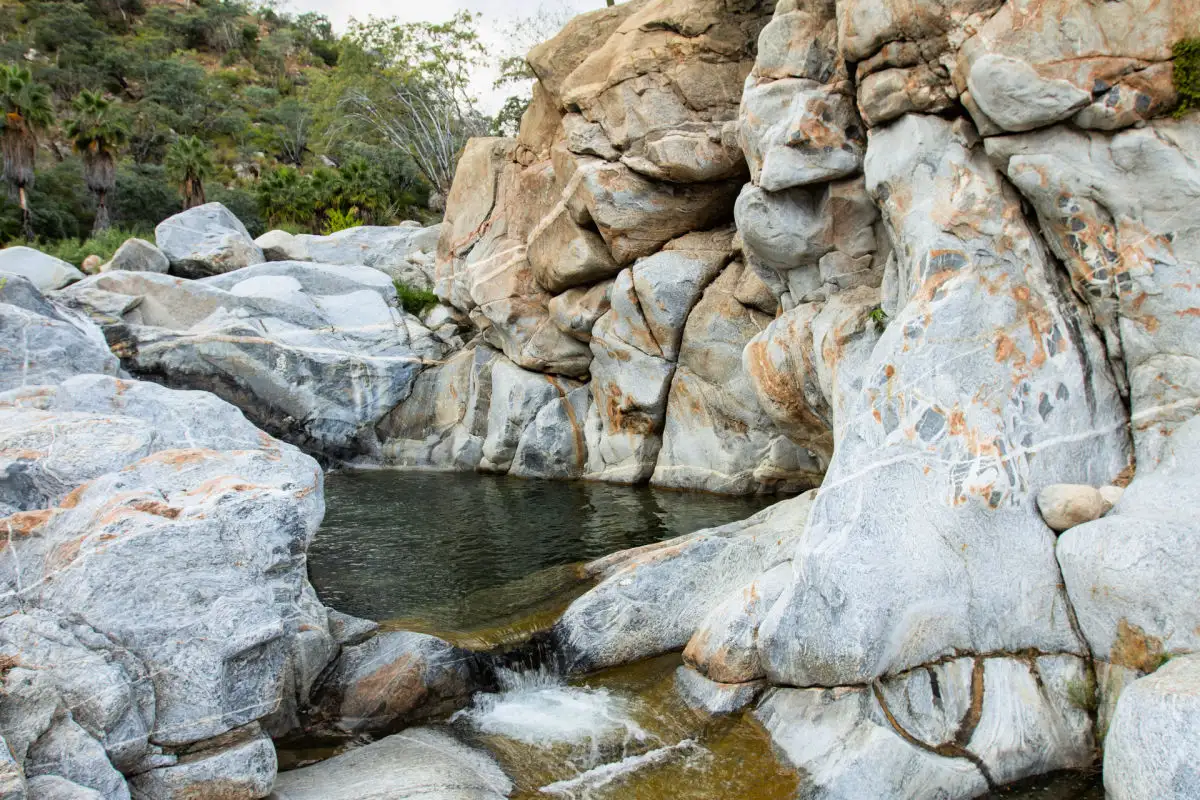
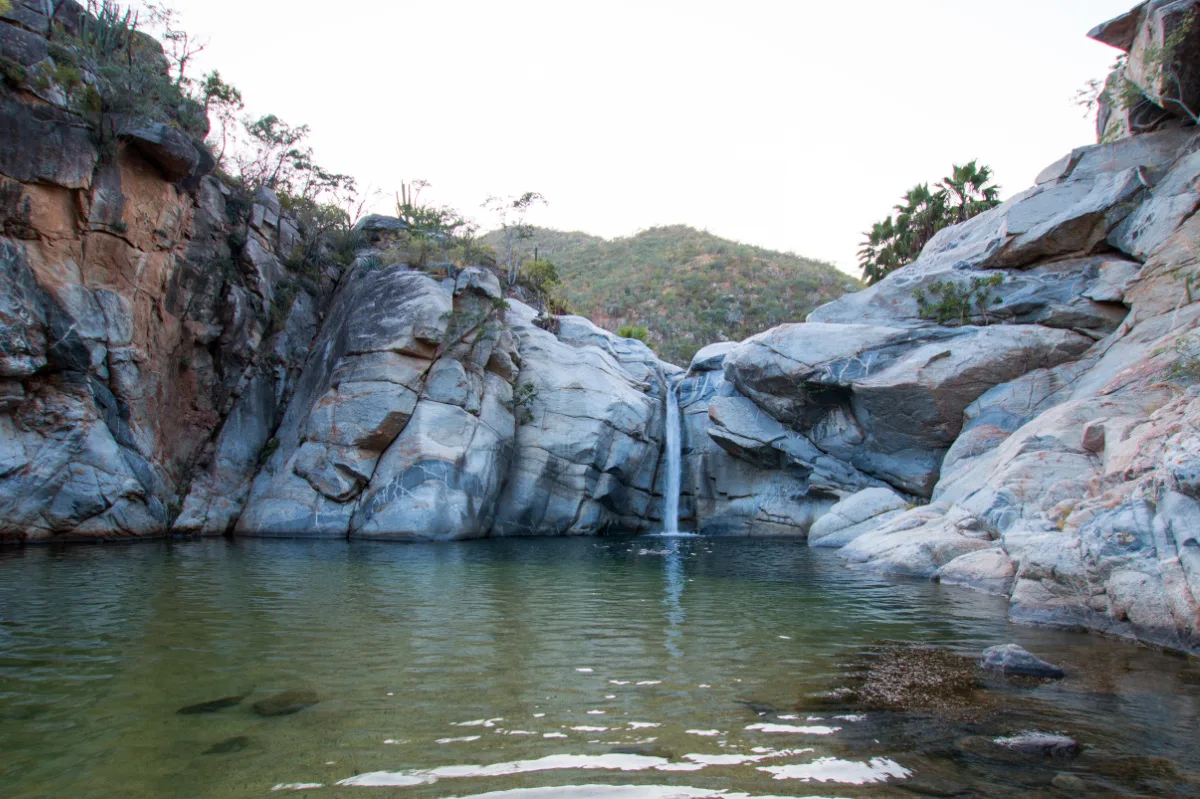
1) Santiago & Cascada Sol de Mayo: swim beneath a desert waterfall
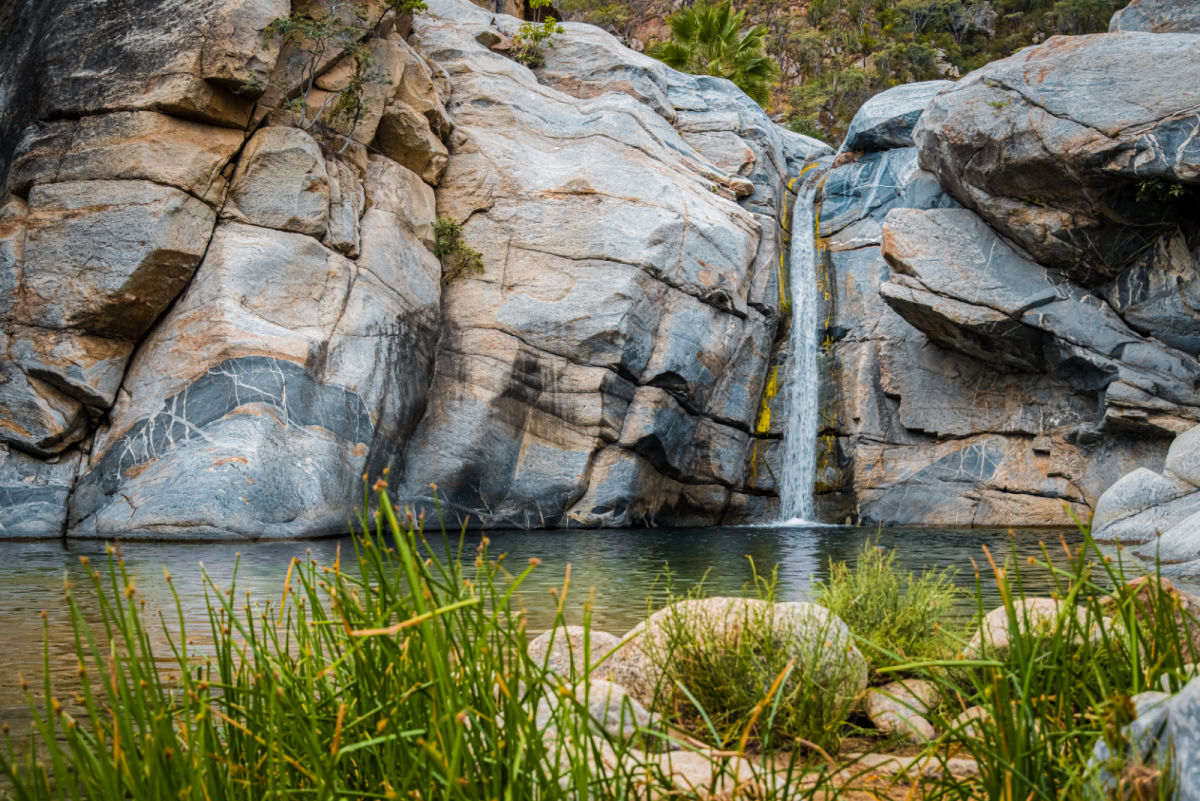
Head inland on Hwy 1 about 90 minutes toward the palm-filled oasis town of Santiago, gateway to the Sierra de la Laguna Biosphere Reserve. A short, rocky trail drops into Cañón de la Zorra where the Sol de Mayo waterfall plunges into a jade-green pool—perfect on a hot day.
Bring sturdy sandals, cash for the small conservation fee, and at least two liters of water per person. We’ve detailed the hike, fee, hours, and trail tips in our waterfall guides so you can plan confidently before you go.
Make it a two-for-one: hot springs near Santiago pair perfectly with the falls, and we’ve listed alternates if conditions close the canyon after heavy rains.
Helpful reads from us: slip “stunning waterfall hike,” “Sol de Mayo ecotourism,” or our “ultimate Cabo day trip” into your tabs for on-the-ground details and directions.

2) El Triunfo: a mining boomtown turned culture stop (2 hr 10 min)
Once the largest city in Baja California Sur, El Triunfo reimagined itself as a heritage destination with excellent small museums and cafés.
Pop into the Silver Route Museum and the quirky Music Museum, then look up—“La Ramona,” the 1890 smokestack, still commands the skyline. It’s a mellow, history-rich day with great food (save room for wood-fired bread at Café El Triunfo).
We’ve covered why it’s the perfect day trip for a cultural experience, including an overview of museums and what to expect.


3) The East Cape: Baja as it used to be (2–3+ hrs, high-clearance/4×4)
Trade resorts for wide-open beaches and silence along the Camino Cabo Este. Much of this route is unpaved and corrugated; services are scarce and cell signal spotty—that’s why the beaches are empty and the water glassy.
Pack extra water/food, air down your tires if you know how, and download offline maps. Our East Cape explainer lays out what the road is like, where the solitude starts, and how this coast is evolving (from rustic palapas to ultra-luxury Costa Palmas up in La Ribera).
Pro move: If you don’t want a full off-road day, aim for La Ribera at the northern end—sleepy, calm-water Sea of Cortez vibes, sport fishing, and easy snorkeling right off the sand when conditions allow. We’ve got a primer on why La Ribera is trending as a crowd-free alternative.
4) Candelaria: folklore, desert medicine, and real-deal ranch life (~1 hr, high-clearance helpful)
Tiny Candelaria sits in the desert north of Cabo San Lucas and runs on tradition: a 300-year-old church, ranch families who know every edible and medicinal plant in the arroyo, and local lore about white magic and longevity.
There aren’t formal attractions—this is about respectful, low-impact cultural travel.
Hire a local guide in Cabo who knows the community and can facilitate introductions. (Because info online is sparse, plan this like a backcountry outing: full tank, extra water, offline map.)


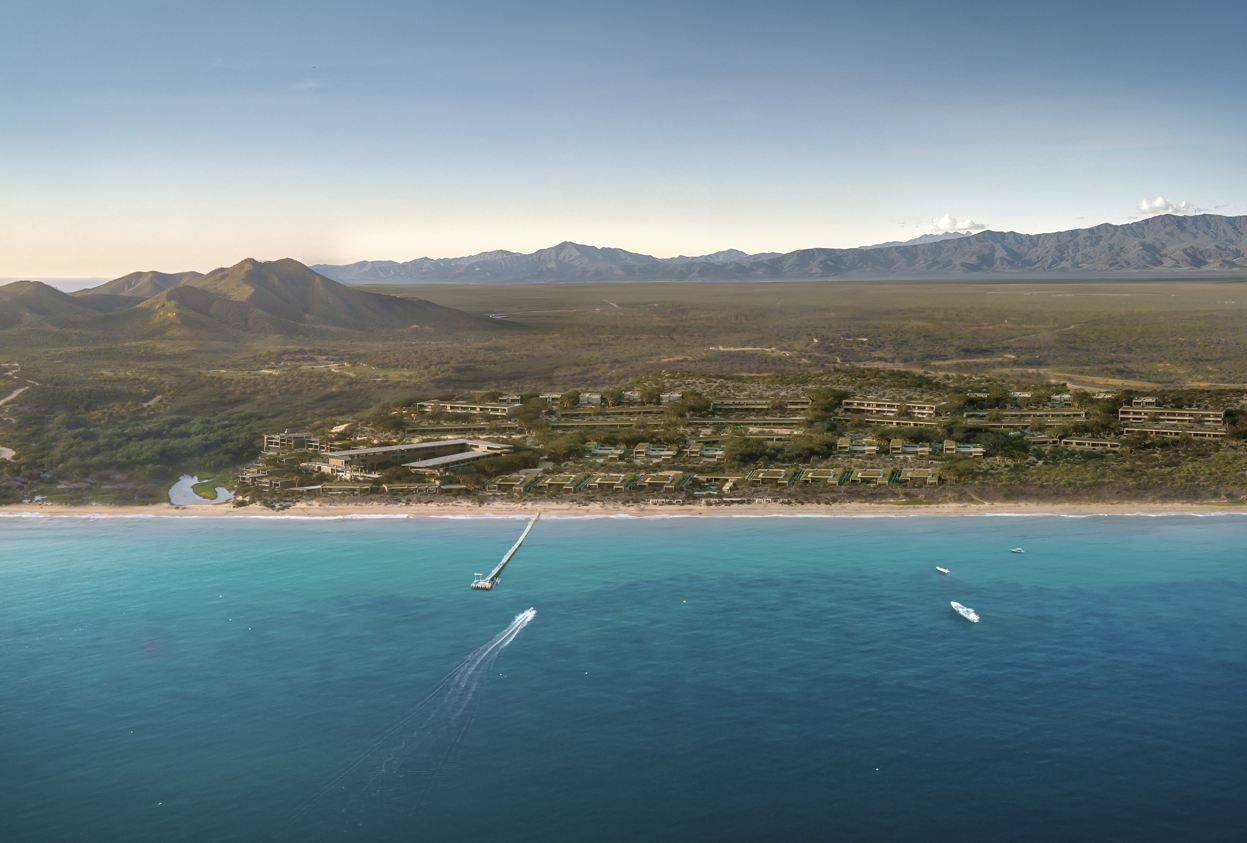
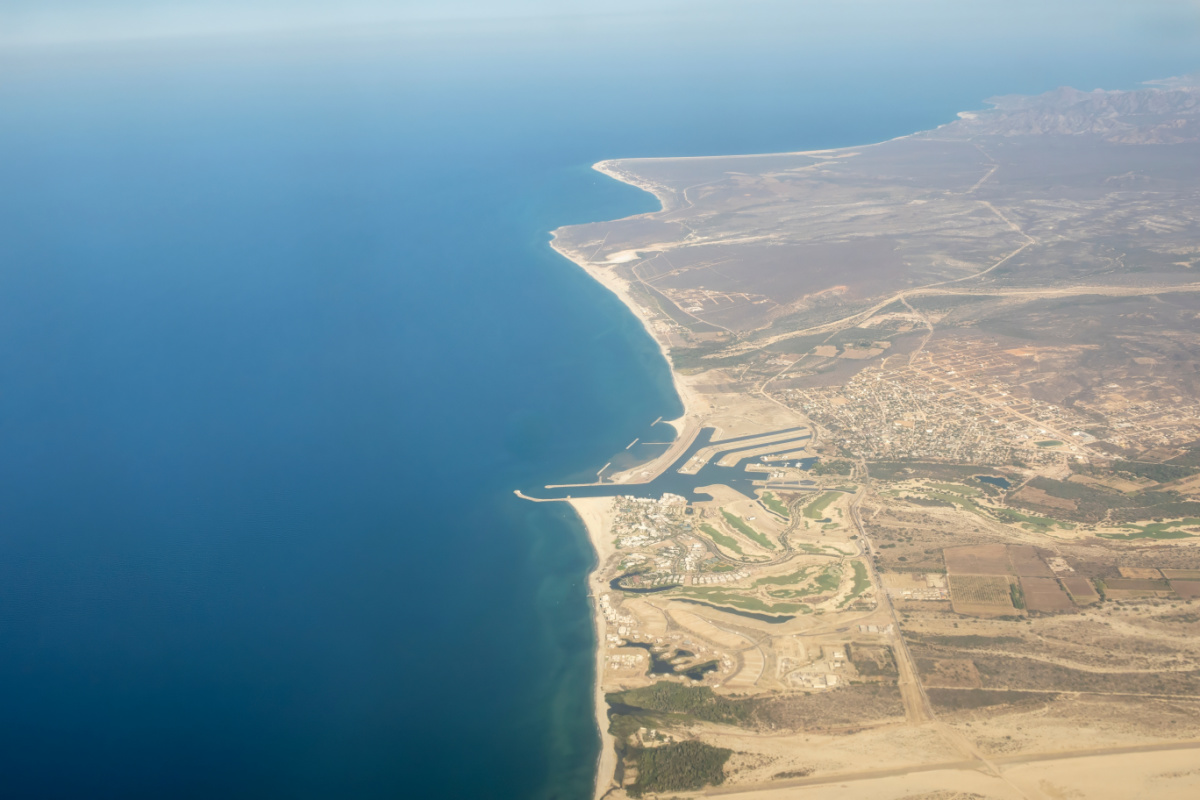
5) Bahía de los Sueños (Bay of Dreams): a serene Sea of Cortez day (~2 hrs)
If the Pacific’s shore break feels too punchy, point the car to this big, protected bay on the Cortez side. Expect unusually calm, crystalline water ideal for swimming, paddling, and beginner-friendly snorkeling over live coral patches.
Public access points exist but amenities are limited; much of the surrounding land is private and in stages of high-end development, so pack a cooler and shade.
A great add-on is a stop in La Ribera for tacos before the drive back.

Bonus: Cabo Pulmo—“Aquarium of the World” (easy add-on from the East Cape)
Just 1.5–2 hours from Los Cabos, Cabo Pulmo National Park protects one of North America’s only living hard-coral reefs.
Visibility can hit ~100 feet in fall; think swirling jack “tornadoes,” turtles, and—if you dive—walls alive with color.
We’ve rounded up why 2025 is a milestone year for Pulmo (30 years protected) and how to day-trip it between breakfast and resort happy hour.


Practical tips before you go
- Safety & seasonality: After storms, canyon areas may close temporarily; we track those updates. Beach flag rules apply everywhere in Los Cabos—know them before you wade in.
- Navigation: Download offline maps; GPS can misroute you on ranch roads around Santiago. Our waterfall pieces note the correct signage to follow.
- Cash is king: Several spots collect modest conservation fees (cash only). We list current amounts and hours in our guides.
- Wheels: Standard cars are fine for El Triunfo and Bahía de los Sueños; go high-clearance/4×4 for the rougher East Cape tracks.

Ready to see the Cabo most visitors miss? Start with our deep dives on the East Cape’s best-kept secrets, the stunning waterfall hike near Santiago, and why Cabo Pulmo belongs on your list this fall—then build your own Baja legend.
The Ultimate Cabo Trip Planner
When’s the best time to go? Our powerful month-by-month guide breaks down the weather, crowds, hotel rates, and whale watching seasons for your perfect trip.
Find Your Perfect Los Cabos Resort In Seconds
This simple, powerful tool was built by our on-the-ground experts to match you with the ideal resort for your specific budget and travel style.
Subscribe to our Latest Posts
Enter your email address to subscribe to The Cabo Sun’s latest breaking news affecting travelers, straight to your inbox.