
If you love Cabo’s beaches as much as we do, you’ve probably noticed those colored flags near lifeguard towers and access points.
They aren’t decorations—they’re your quick-read safety system. As we at The Cabo Sun have reported during recent weather and surf events, understanding the flags is the fastest way to decide if it’s a dip day or a photo-only day.

Cabo’s Beach Flag Colors (Simple, Accurate, Save-able)
- Green — Low Hazard. Calmer conditions; swimming allowed. Still keep kids within arm’s reach and stay near lifeguards.
- Yellow — Moderate Hazard. Choppier waves or mild currents. Confident swimmers only, close to shore.
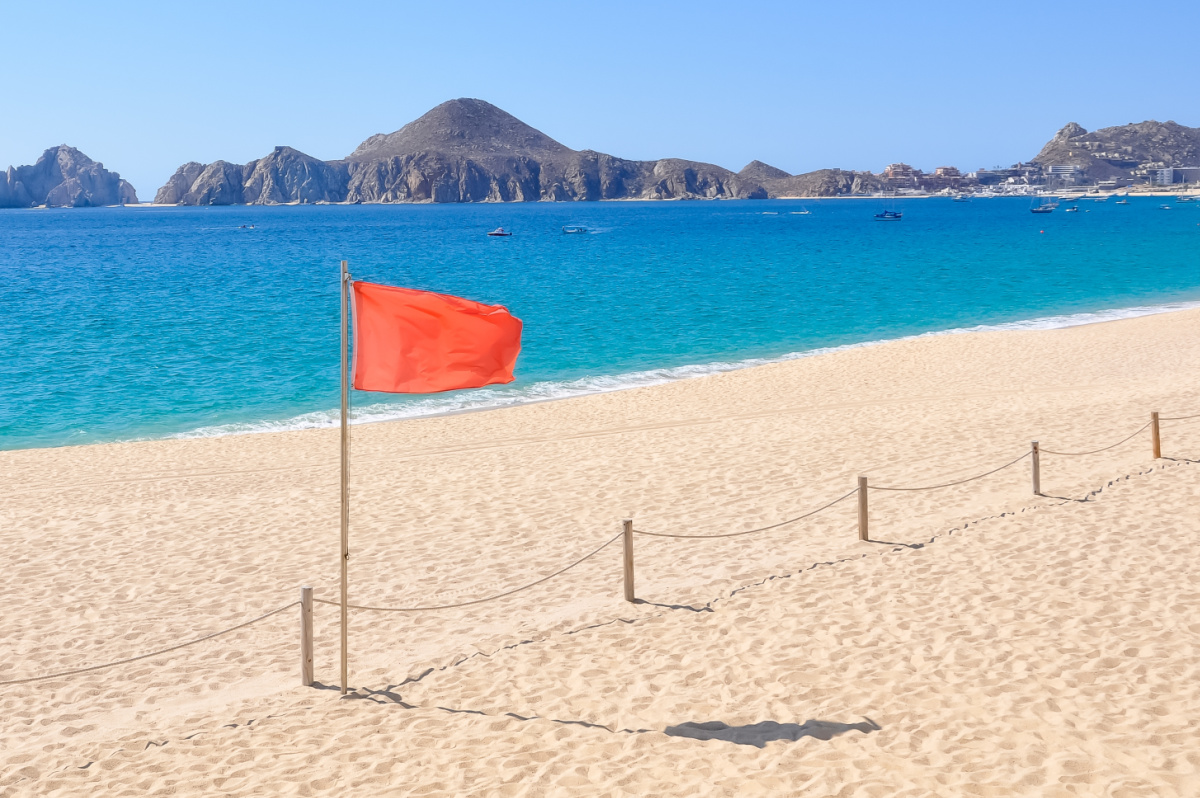
- Red — High Hazard. This does not ban entry—but it strongly advises you to stay out due to powerful shore-break or strong currents. If you choose to go in, keep it shallow and be extra cautious.
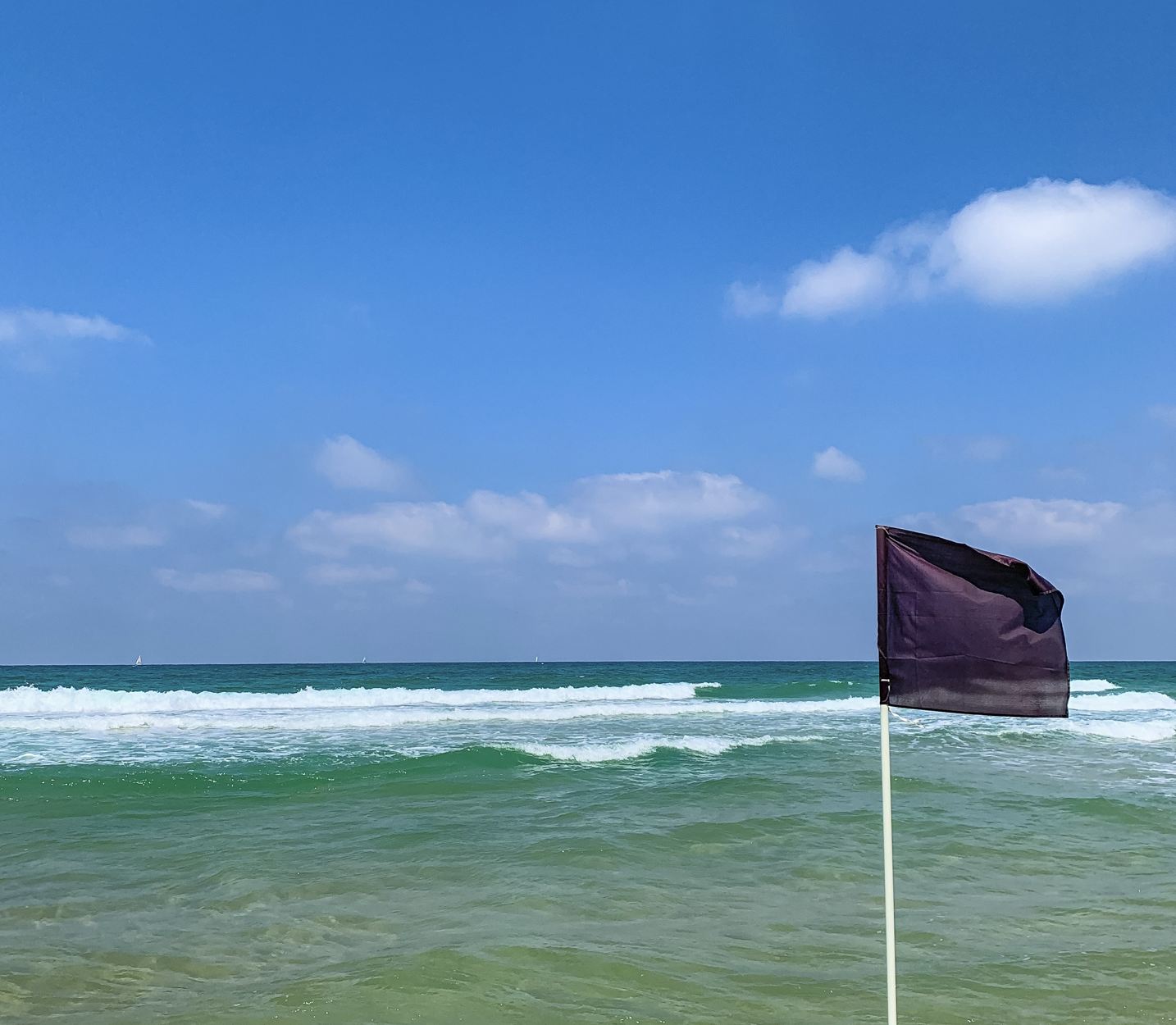
- Black — Beach Closed. Do not enter the water. This is a hard stop used for extreme danger (storm surge, strong currents, contamination after heavy rains, etc.).
- White — Marine Life Alert. Jellyfish or other stingers may be present even if the sea looks calm. Shuffle feet, wear rash protection, and consider sitting this one out if you’re sensitive.
Quick memory trick: Green = Go, Yellow = Careful, Red = Really risky, Black = Ban, White = Wildlife.
Red vs. Black: What Tourists Get Wrong
The most common confusion we see is between red and black flags. A red flag signals high risk, and authorities strongly recommend you stay out—but it is not an automatic ban.
A black flag is different: the beach is closed for entering the water, full stop. If you see black, enjoy the view and plan a pool day or move to a swimmable beach with safer conditions.
Where (And How) To Swim Safely In Cabo
Cabo isn’t one coastline—it’s two very different bodies of water meeting at Land’s End. That means conditions can change quickly. Stick to well-known swimmable beaches and follow lifeguard guidance. We’ve covered why Cabo added new safety flags along El Médano Beach, the area’s most popular swimmable stretch—great vibes when the colors allow.
Want built-in peace of mind? Aim for Blue Flag–certified beaches such as Chileno, Santa María, Palmilla, and Las Viudas. Los Cabos now boasts a record 27 Blue Flag beaches, reflecting strong standards for water quality, safety, and services. Still: Blue Flag is about overall quality—you must still obey the day’s warning flag.
If you’re exploring beyond the swimmable favorites, remember that some shores are look-but-don’t-swim due to powerful surf and rip currents. We recently highlighted the area’s most dangerous beaches (they’re stunning—just enjoy them from the sand, then head elsewhere for a dip).
Cabo Beach Flag Guide
Tap a flag below to see what it means for your beach day.
Green Flag: Low Hazard
What it means: Conditions are calm and swimming is generally safe and allowed.
What to do: Always swim near a lifeguard and keep an eye on children.
Yellow Flag: Moderate Hazard
What it means: Choppy waves or mild currents are present. Use caution.
What to do: Recommended for confident swimmers only. Stay close to the shore.
Red Flag: High Hazard
What it means: Strong currents or powerful waves create dangerous conditions.
What to do: Authorities strongly advise you to stay out of the water. This is a serious warning, not a ban.
Black Flag: Beach Closed
What it means: EXTREME DANGER. The beach is closed to water entry for everyone.
What to do: Do not enter the water for any reason. Used for storm surge, dangerous currents, or contamination.
White Flag: Marine Life
What it means: Jellyfish or other stinging marine life have been spotted in the area.
What to do: Consider staying out if you are sensitive. If you go in, wear protection and shuffle your feet.
Key Difference: Red vs. Black Flags
Red flags are a strong recommendation to stay out due to high risk, but not a formal ban. Black flags mean the beach is CLOSED to swimming entirely. Never enter the water on a black flag day.
Your 60-Second Checklist Before You Get In
- Scan the flag when you arrive and check again before you enter—conditions change with tides and wind.
- Swim near lifeguards and inside marked zones.
- Skip the booze-then-swim combo. Save the margarita for after.
- Caught in a rip? Stay calm, float, and swim parallel to shore to exit the current. Signal for help.
- When in doubt, sit it out. There’s always tomorrow—and often a calmer bay just down the road.
What To Do On A White-Flag Day (Jellyfish Alert)
- Protect skin (rash guard or light layer) and shuffle your feet to avoid stingrays.
- Pack vinegar or ask your hotel’s lifeguard/first-aid post about neutralizing stings.
- If stung, rinse with seawater (not freshwater), remove tentacles with tweezers or a card, and seek medical attention if symptoms escalate. We’ve broken down white-flag safety and prevention tips in detail.


Final Word From The Towers
Lifeguards and beach staff in Los Cabos are there to help you have a great day—and to wave you off the water when needed. Ignoring closures and swimming at no-swim beaches can prompt intervention or even penalties if you refuse to comply. Listen to the pros, pick a safer shore, and you’ll still get a perfect beach day.
Stay safe out there, and we’ll see you by the shore.
The Ultimate Cabo Trip Planner
When’s the best time to go? Our powerful month-by-month guide breaks down the weather, crowds, hotel rates, and whale watching seasons for your perfect trip.
Find Your Perfect Los Cabos Resort In Seconds
This simple, powerful tool was built by our on-the-ground experts to match you with the ideal resort for your specific budget and travel style.
Subscribe to our Latest Posts
Enter your email address to subscribe to The Cabo Sun’s latest breaking news affecting travelers, straight to your inbox.