
We at The Cabo Sun love a good beach day as much as you do. But here’s the Cabo reality check: some of our most jaw-dropping stretches of sand are strictly “look, don’t swim.” Powerful Pacific swells, steep drop-offs, and unpredictable rip currents turn certain shores into no-go zones for bathing—even when the water looks calm.
Below, we break down the 5 riskiest beaches, how to enjoy them from the sand, and where to go instead when you’re ready to swim.


Know the flags (it’s your real-time surf report)
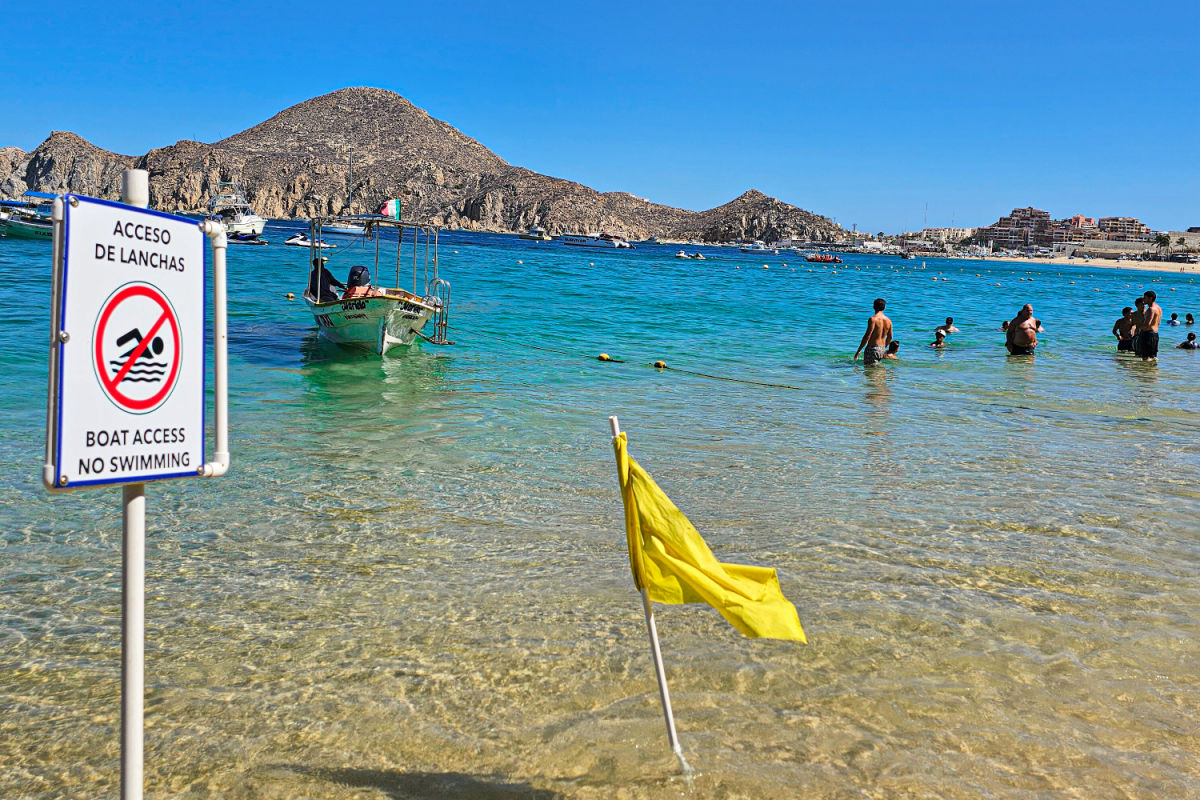
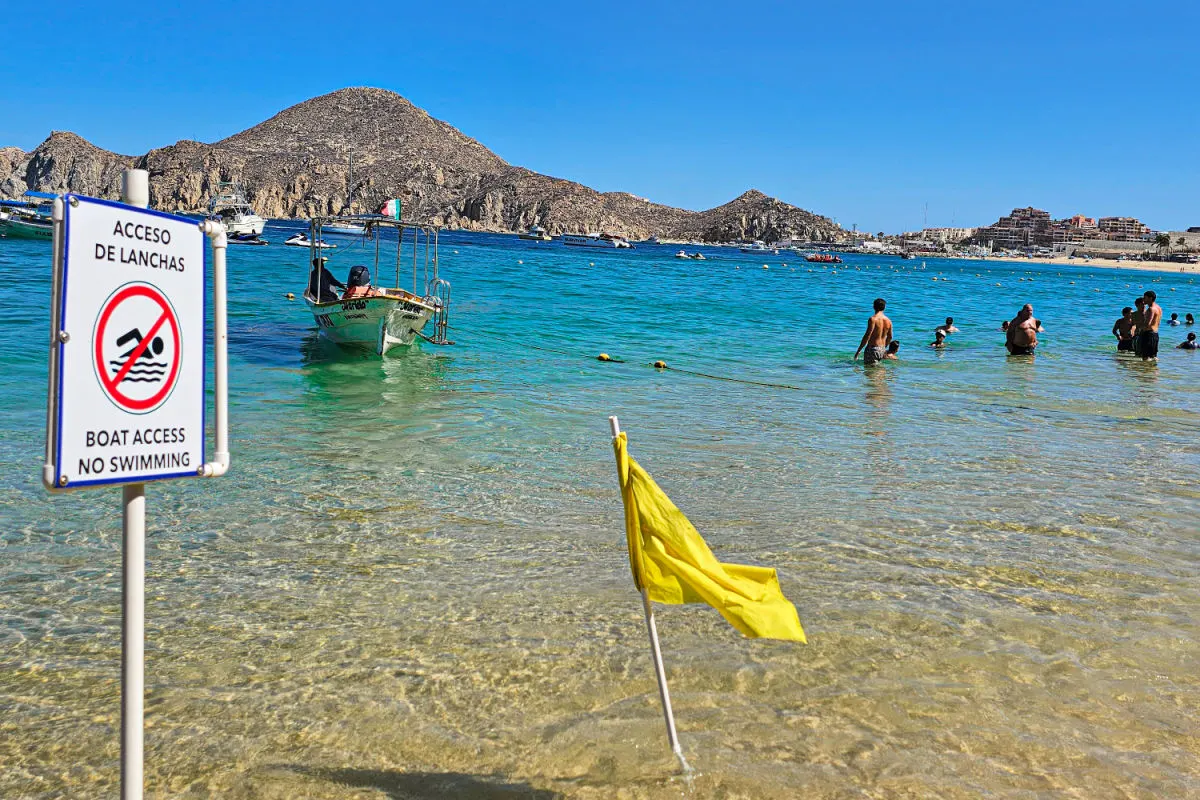
Los Cabos uses a colored flag system run by ZOFEMAT to tell you exactly what the ocean is doing—conditions can change by the hour. Green = safe to swim, yellow = caution, red = hazardous (highly recommended you don’t enter), black = beach closed, and white = marine life (think jellyfish).
You’ll now see big, bilingual safety boards that spell this out at popular access points, and they’ve even expanded the flag set at busy Médano so it’s unmistakable. Check the flag every visit and follow lifeguards.
1) Divorce Beach (Pacific side of Land’s End)
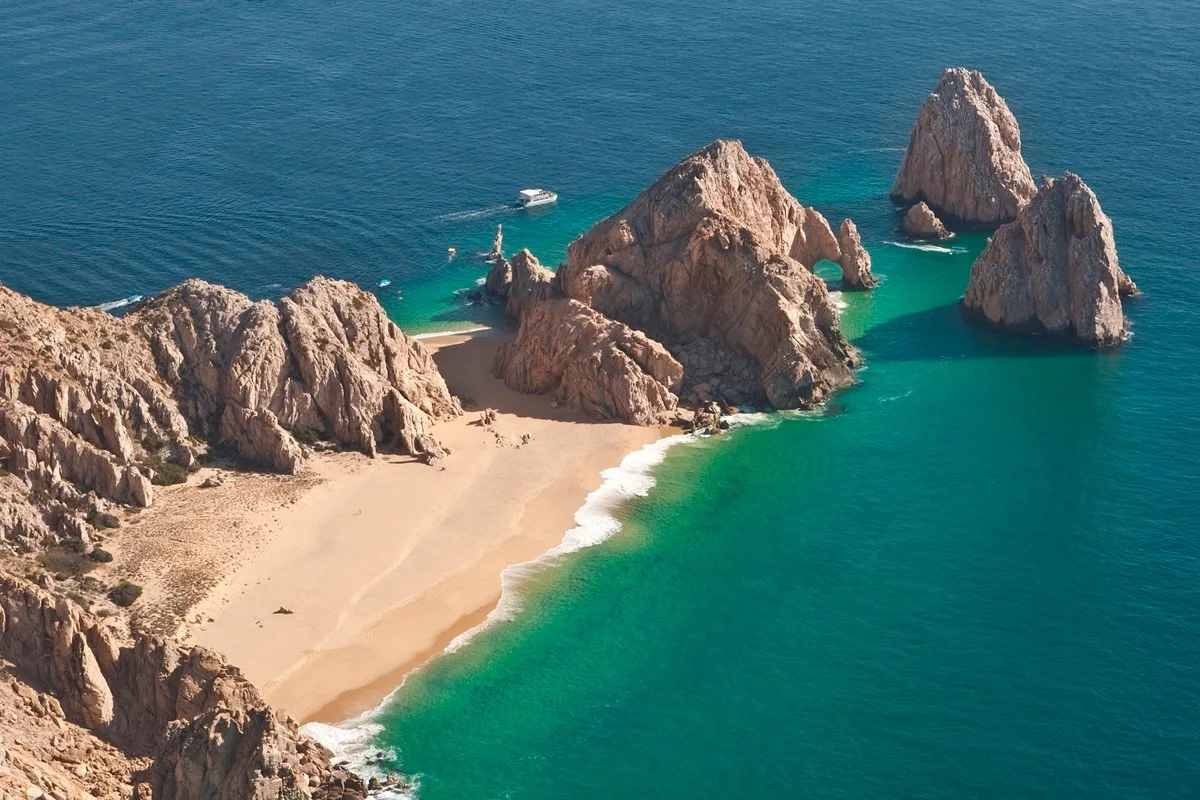
Why it’s dangerous: Open-ocean exposure means violent shore break, rip currents, and rogue-wave risk. Swimming is prohibited.
How to enjoy it: Treat it like a scenic lookout—photos of Land’s End, rock formations, and a dramatic Pacific backdrop from a safe distance on dry sand. Access it from Lover’s Beach, but stay well back from the waterline.

2) Playa Solmar
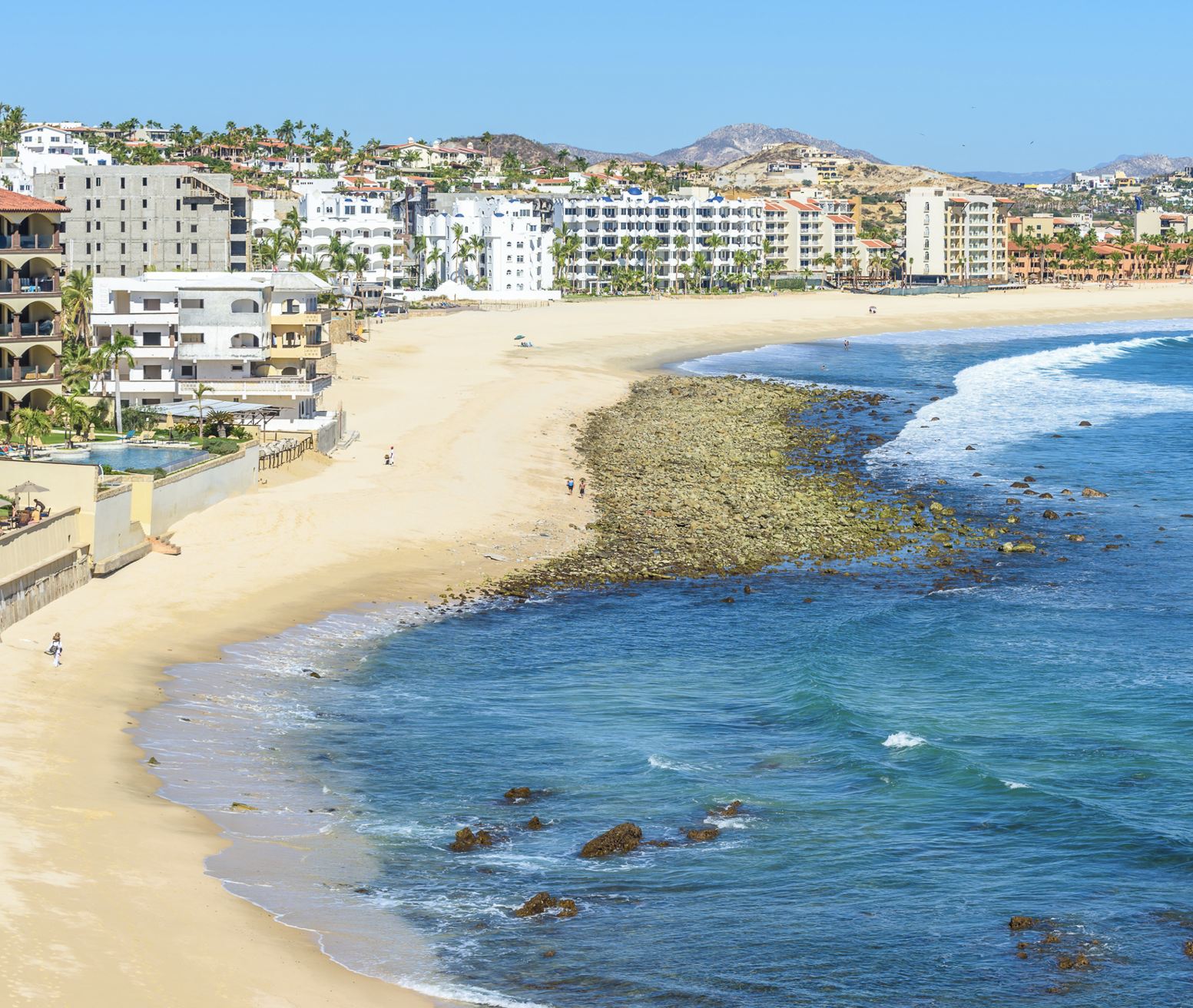
Why it’s dangerous: Same Pacific exposure, plus a reputation for surprise rogue waves that have swept people off their feet. Resorts back this beach, which can falsely signal “safe”—it isn’t. No swimming or wading.
How to enjoy it: Sunrise/sunset strolls away from the surf line, and in winter you may spot whales right from shore.


3) Pedregal Beach
Why it’s dangerous: Heavy surf, powerful currents, and no lifeguard infrastructure. Swimming is forbidden.
How to enjoy it: Come for the drama—thundering waves against the cliff-studded, mansion-lined coast—then head elsewhere to swim.


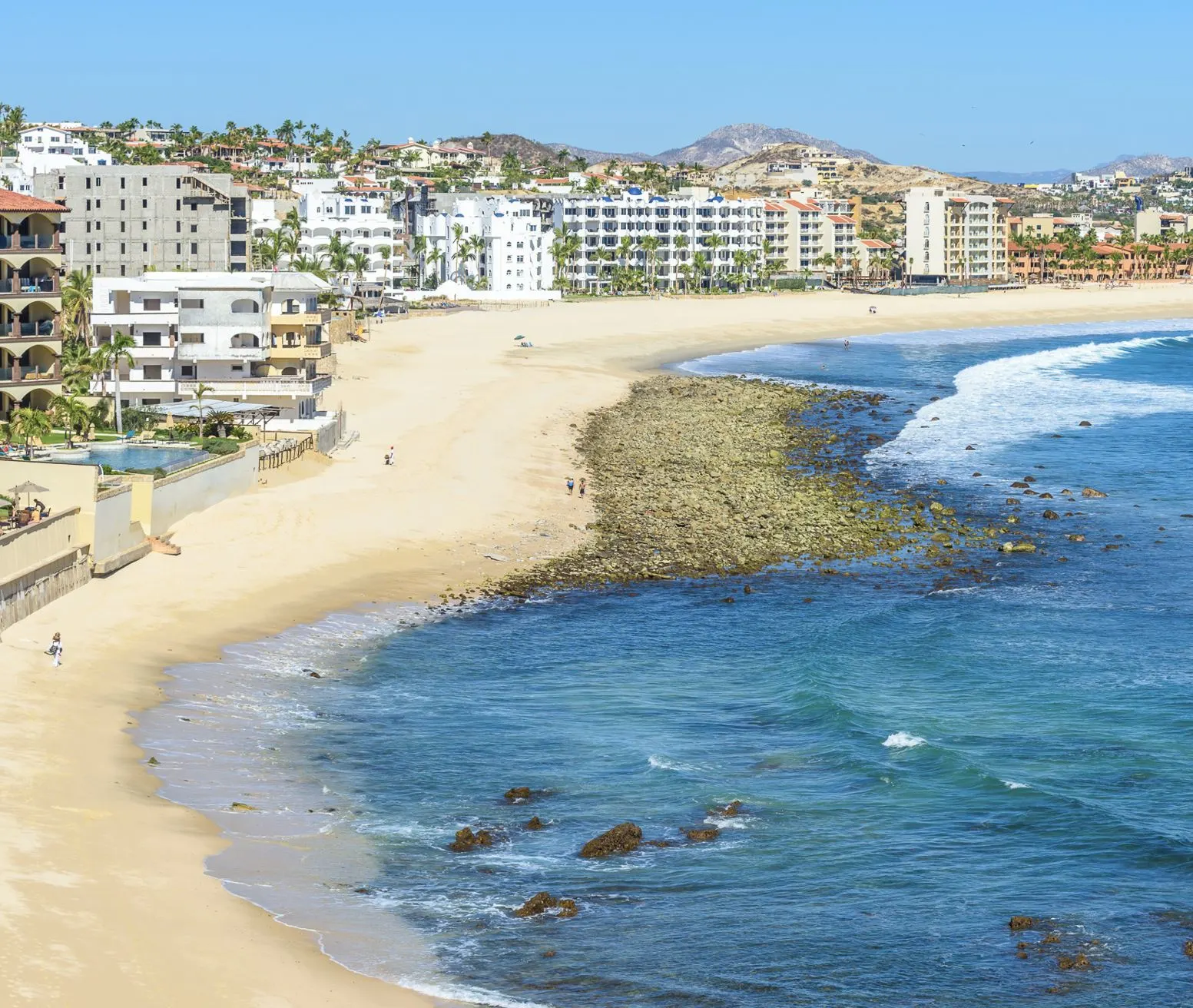
4) Playa Hotelera (San José del Cabo Hotel Zone)
Why it’s dangerous: Sudden, steep underwater drop-offs sit close to shore, paired with undertows that can pull you out fast.
How to enjoy it: Great for beach walks, volleyball, and horseback rides—then cool off in the resort pool, not the ocean.
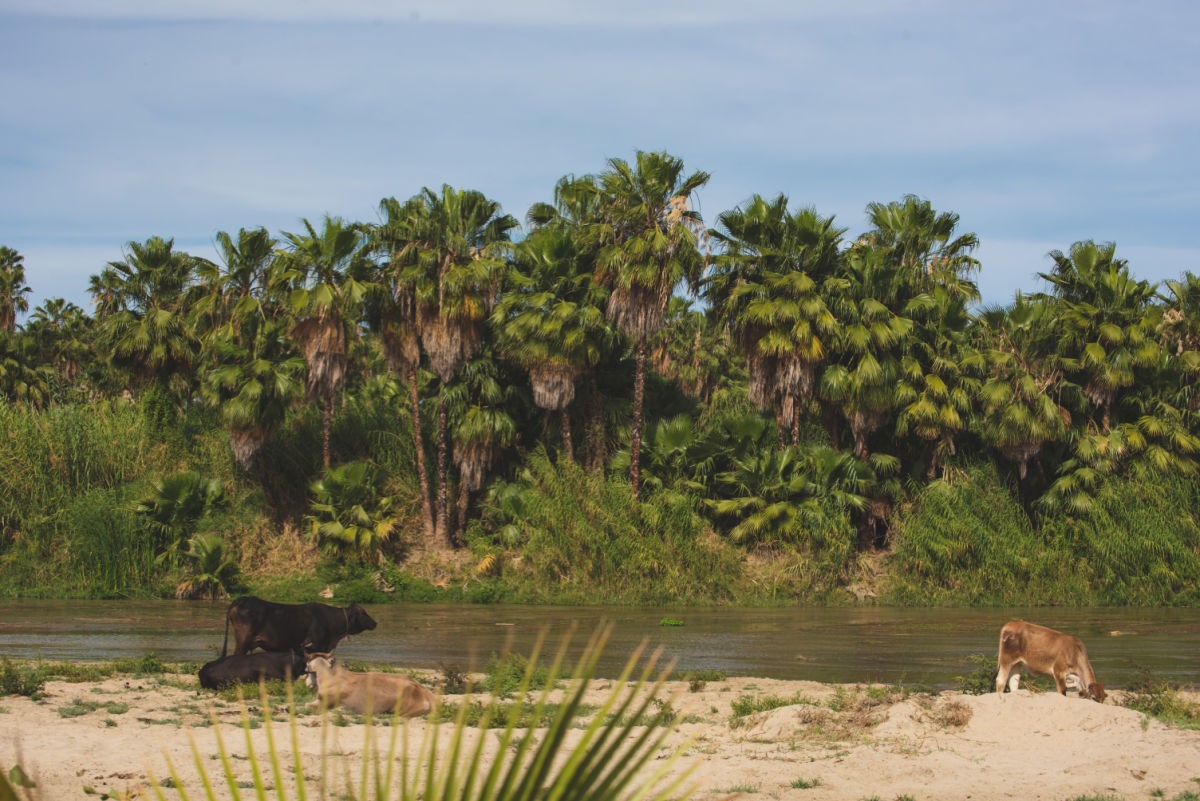
5) Estuary Beach (Playa del Estero)
Why it’s dangerous: Where the San José Estuary meets the sea, strong outflow plus surf creates a serious undertow.
How to enjoy it: It’s a sanctuary for wildlife, not swimmers—bring binoculars for bird-watching and stick to the trails.
Where to safely get in the water instead
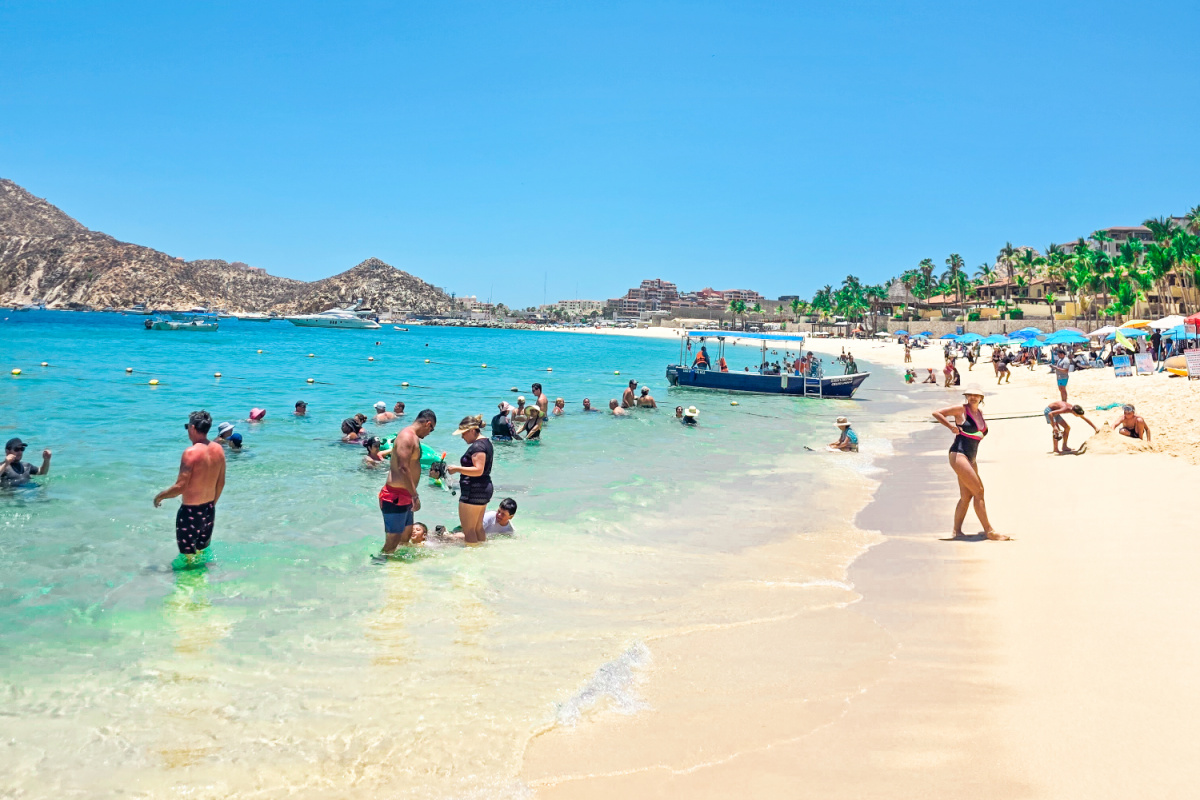
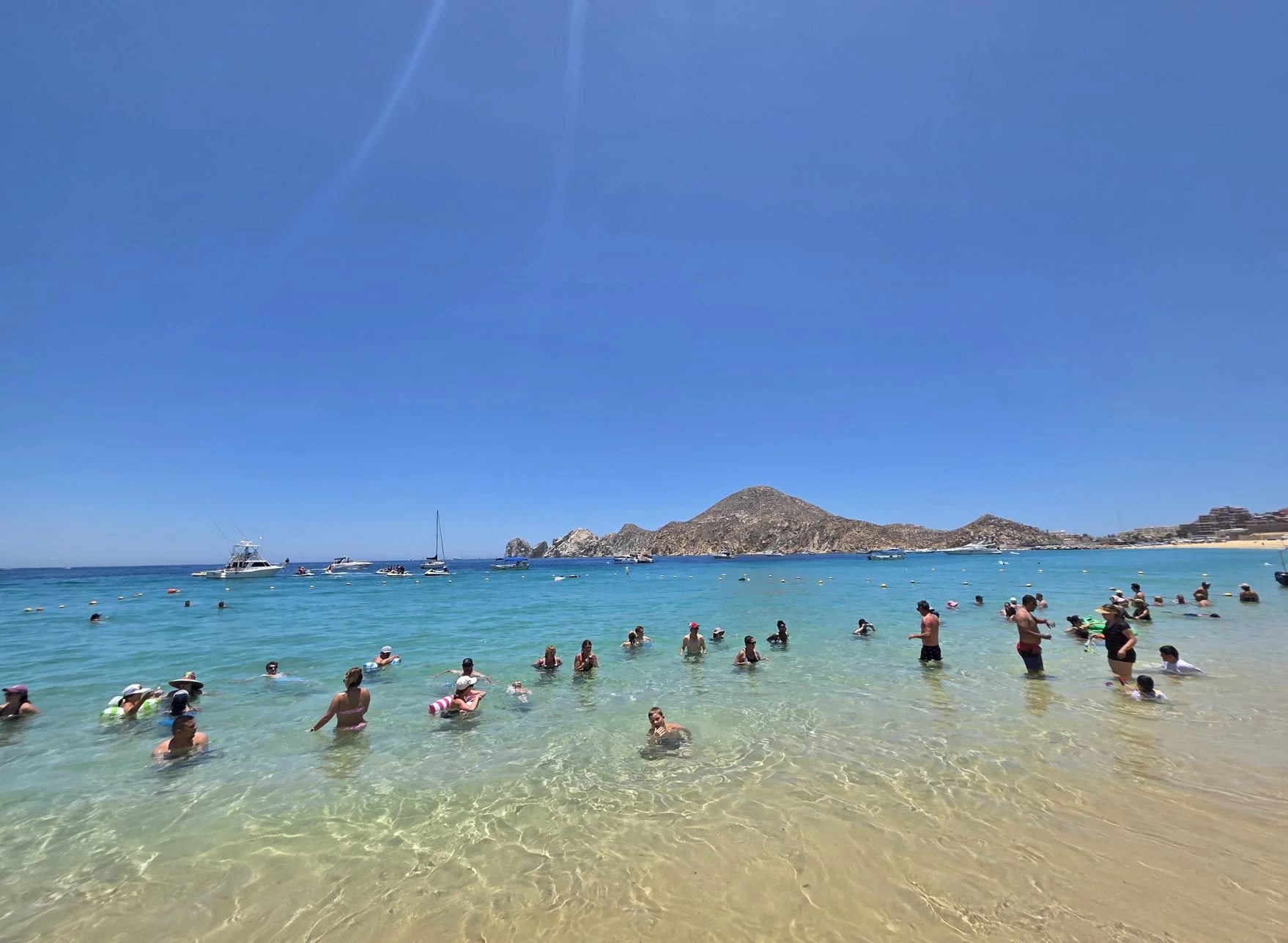
Ready to swim? Choose the Sea of Cortez side and stick to protected bays—then double-check the day’s flag.
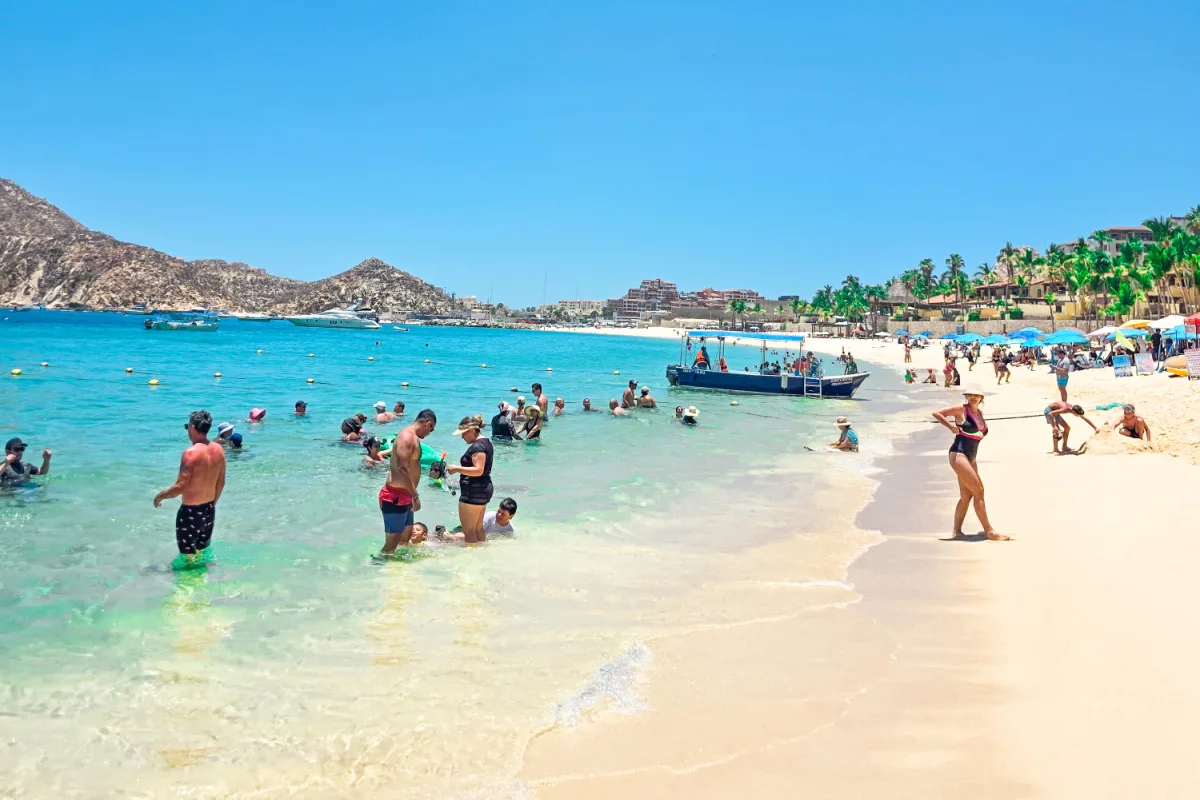
Family-friendly favorites include Médano, Chileno, Santa María, and Palmilla. They’re part of Los Cabos’ growing roster of Blue Flag beaches for water quality, safety practices, and amenities, and Santa María/Palmilla even hold “A+” distinctions this season.
Pro tips to enjoy dangerous beaches—safely
- Make the flags your first stop. Those new safety boards and banner flags take the guesswork out of conditions—use them.
- Treat the Pacific like a cliff edge. On Divorce, Solmar, and Pedregal, admire from dry sand and keep a generous buffer from the wash line—rogue waves don’t announce themselves.
- Listen to lifeguards and local guidance. Authorities routinely warn visitors to distinguish swimmable from unswimmable zones—don’t let “it looks calm” override the rules.
- Have a Plan B. If winds shift or a red flag pops up, swap to a Blue Flag bay, hit a pool day, or explore inland—your beach day will still be a win.

Keep reading on The Cabo Sun
If you want a deeper dive into how the system works, start with our plain-English explainer on what a red flag really means and why Cabo hoists it more often than you might expect.
The same Pacific energy that makes Cabo’s coast so photogenic is exactly why some beaches are forever unswimmable. Enjoy the wild ones with respect, then save your splash time for the Blue Flag bays on the Sea of Cortez—checking the flag every single time you set your towel down.
The Ultimate Cabo Trip Planner
When’s the best time to go? Our powerful month-by-month guide breaks down the weather, crowds, hotel rates, and whale watching seasons for your perfect trip.
Find Your Perfect Los Cabos Resort In Seconds
This simple, powerful tool was built by our on-the-ground experts to match you with the ideal resort for your specific budget and travel style.
Subscribe to our Latest Posts
Enter your email address to subscribe to The Cabo Sun’s latest breaking news affecting travelers, straight to your inbox.