
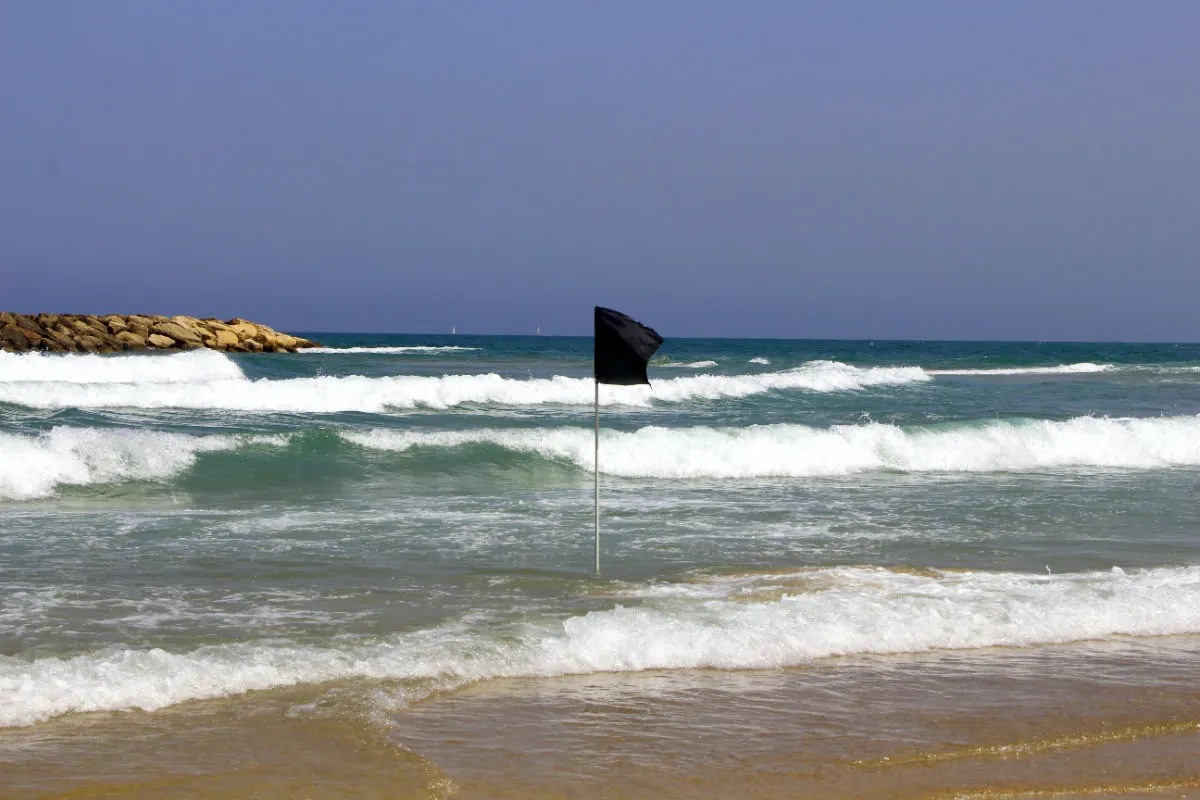
If you spot a black flag flying on a Los Cabos beach, that’s your cue to back away from the water’s edge—full stop. As we at The Cabo Sun have reported during recent weather events, local authorities use the beach flag system to clearly communicate risk.
A black flag is the highest alert: the beach is closed due to extremely dangerous conditions like powerful surf, rip currents, lightning, or contamination. Entering the ocean—and in many cases even approaching the swash zone—is prohibited for your safety.

As an aside, local media documented how one visitor ignored black flags during Tropical Storm Raymond and sat at the wave break—exactly the scenario these closures are meant to prevent.
ZOFEMAT and security agencies removed people from the shore because of strong waves and currents. Don’t be that traveler.
Heed the flag and the lifeguards.
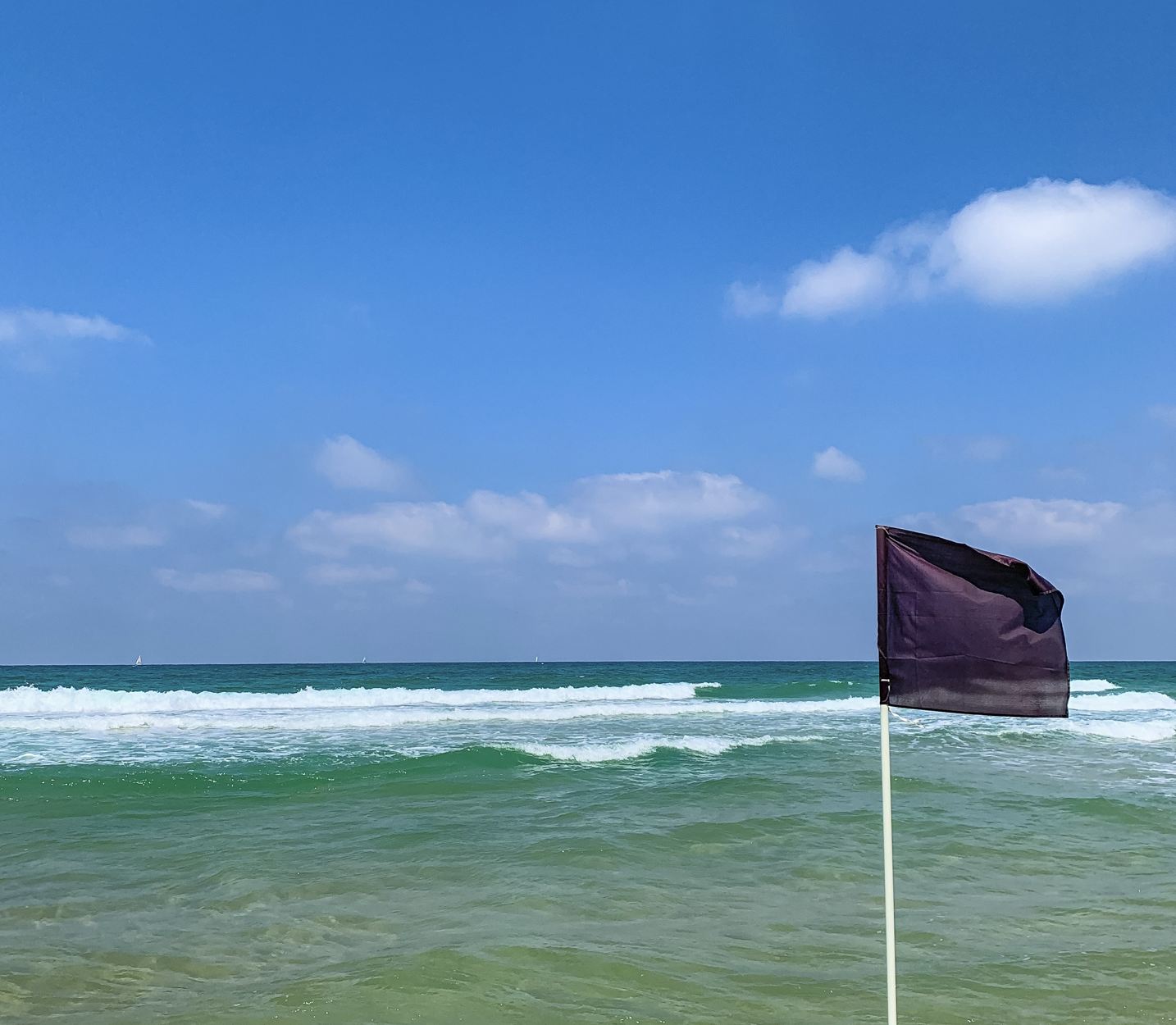
What a black flag really means in Los Cabos
- Beach closed. Under a black flag, access to the water is off-limits. Authorities may also restrict parts of the sand if surf or surge threatens the shoreline.
- Extreme hazards present. Typical triggers include hurricane/tropical swell, powerful rip currents, electrical storms, sewage/contamination events, or major “mar de fondo” (long-period swell).
- Active enforcement. Local teams—ZOFEMAT, Civil Protection, the National Guard, and the Navy—patrol and will ask beachgoers to leave closed areas. Expect whistles, loudspeakers, and cordoned zones.

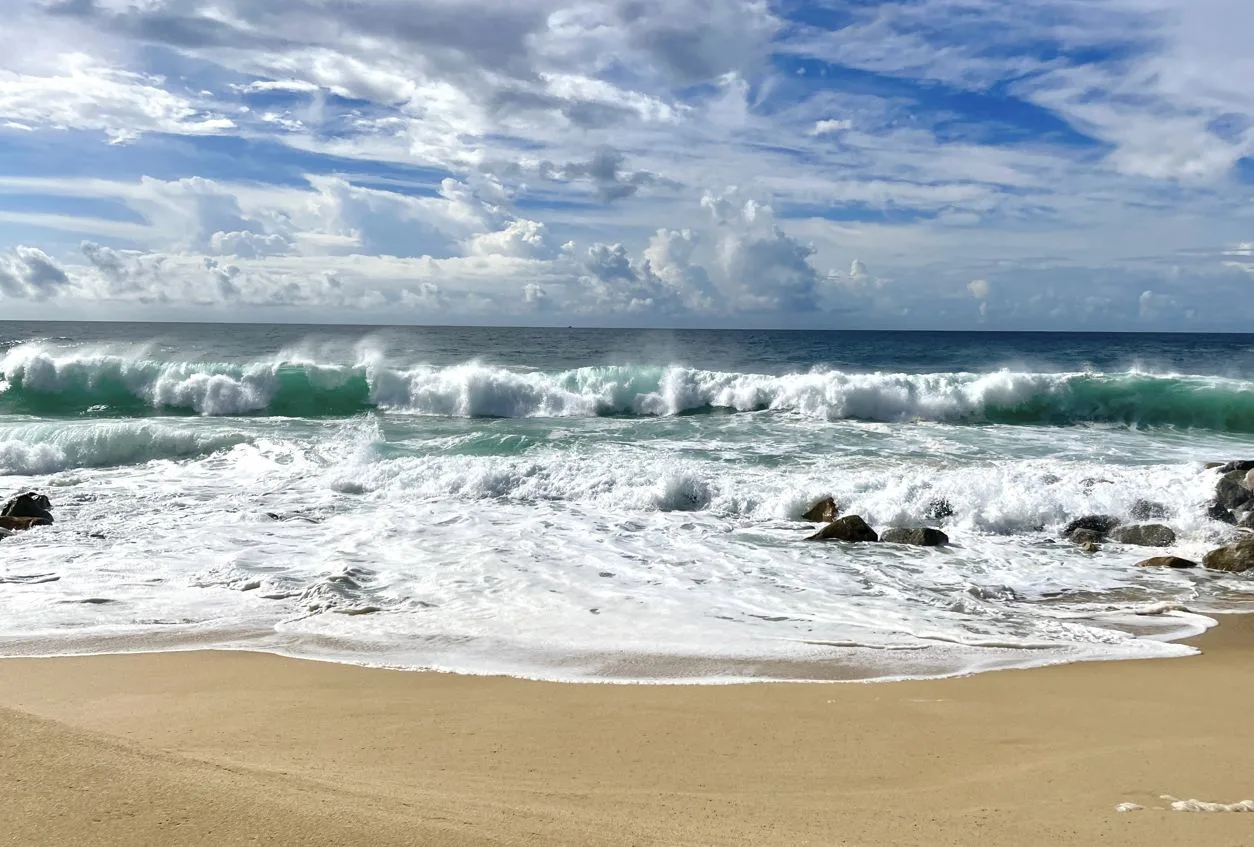
Why you shouldn’t ignore it (even if the sea looks calm)
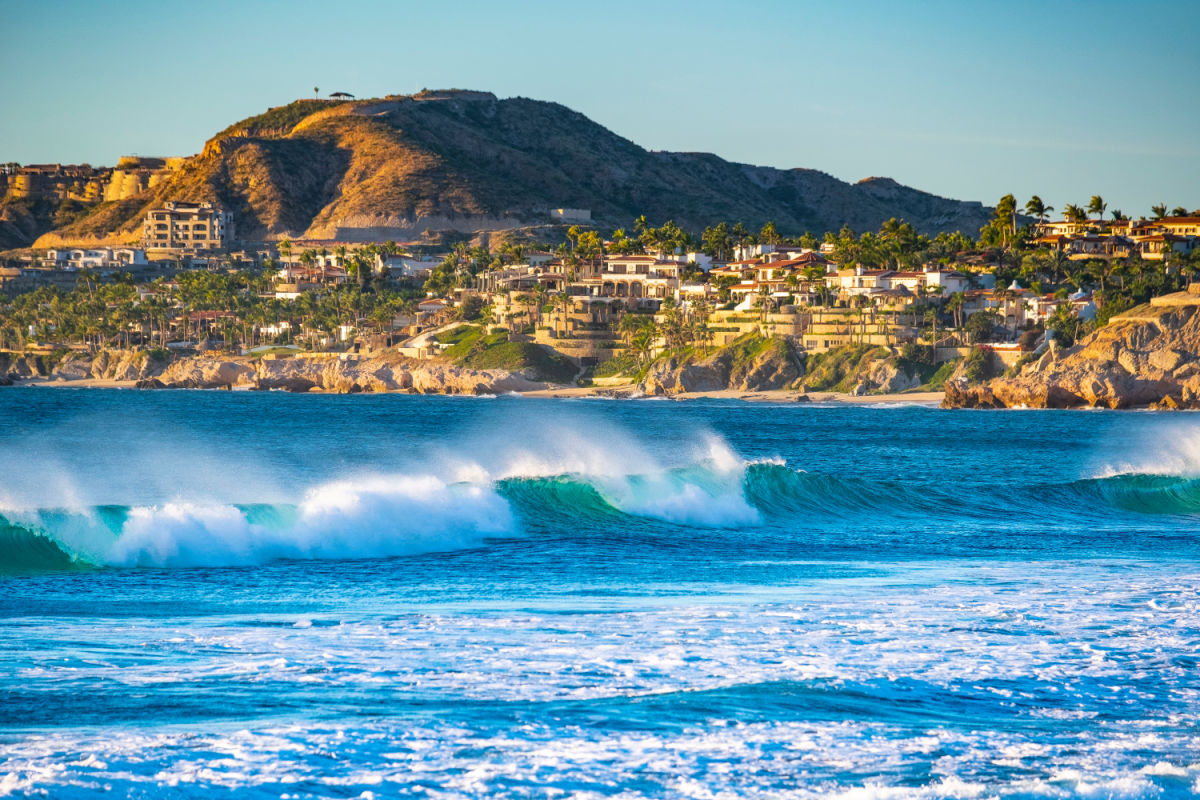
Rip currents and set waves can appear deceptively tame between surges. Long-period swells can produce sudden, much larger breakers that knock you down and pull you seaward.
When storms like Raymond pass, hazardous energy and poor water quality can linger after the skies clear. We’re tracking that in our continuing coverage of airport status, flooding, and closures and our explainer on why closures can last several days.
How to read Cabo’s beach flags at a glance
While today’s guide focuses on the black flag, here’s the quick code you’ll see around the corridor and beyond:
- Green: generally safe conditions.
- Yellow: use caution; moderate danger.
- Red: hazardous; staying out of the water is highly recommended.
- White: marine life (think jellyfish)—follow lifeguard guidance.
- Black: beach closed; extreme danger; do not enter.
For a deeper dive on mid-level warnings, see our breakdown of what a red flag really means.
What to do if you arrive to a black-flag beach
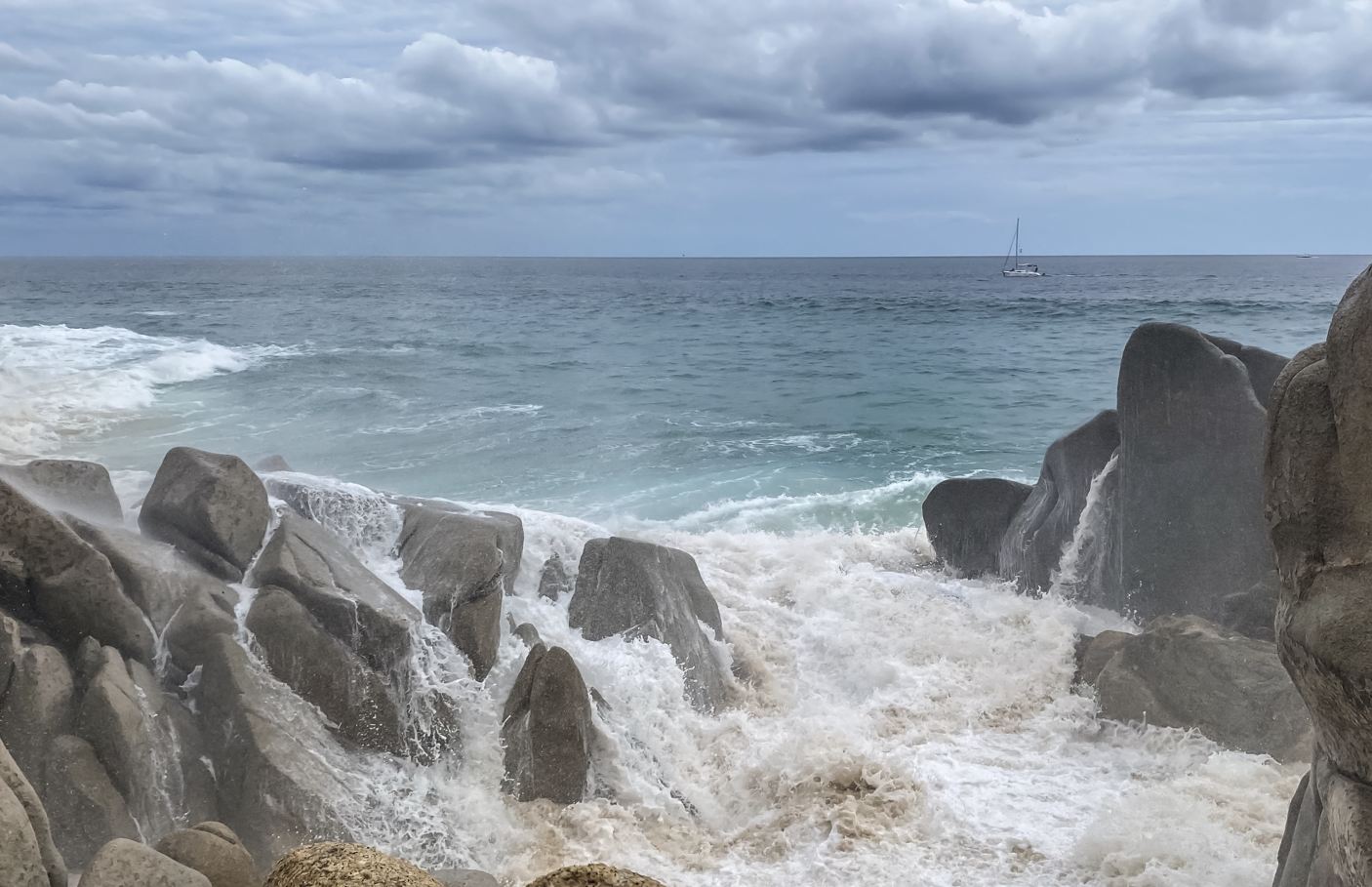
- Respect the closure. Don’t dip “just your feet,” don’t pose for a splash-zone selfie, and don’t let kids play near the edge. Surges can sweep legs out instantly.
- Follow official updates. Look for ZOFEMAT/Civil Protection announcements on reopening windows. Hotels also implement protocols (closing seafront access, allowing pool use) until conditions normalize.
- Pivot your plan. Enjoy resort pools, book a spa hour, or explore town. If you need ideas, check our current Raymond impacts & what’s open.
- Re-check tomorrow. Beaches can reopen quickly once testing and inspections clear; black flags typically drop to red/yellow as conditions improve.
FAQs we get from readers
“Can I still walk on the sand?” Sometimes, but not always. Black flags can include sand-area restrictions if waves are reaching the berm or if contamination is suspected. Always follow posted tape/cordons and lifeguard instructions.
“Is this about jellyfish?” Usually not. Jellyfish alerts are generally signaled with white/purple flags. Black is about extreme, multi-factor danger—from surf to storms to water quality.
“The weather looks fine… why closed?” Swell energy and currents can remain hazardous after the rain stops. During Raymond’s remnants, authorities kept closures in place due to elevated surf and currents across BCS municipalities.
Bottom line: A black flag isn’t a suggestion; it’s the strongest possible warning on Cabo’s beaches. If you see it, skip the ocean, snap your photos from a safe distance, and save the swim for another day. Your future self—and the lifeguards—will thank you.
The Ultimate Cabo Trip Planner
When’s the best time to go? Our powerful month-by-month guide breaks down the weather, crowds, hotel rates, and whale watching seasons for your perfect trip.
Find Your Perfect Los Cabos Resort In Seconds
This simple, powerful tool was built by our on-the-ground experts to match you with the ideal resort for your specific budget and travel style.
Subscribe to our Latest Posts
Enter your email address to subscribe to The Cabo Sun’s latest breaking news affecting travelers, straight to your inbox.