
If there is one thing I hear constantly from American travelers this time of year, it is sheer, unadulterated panic over their weather apps. You finally book that vacation, dust off your passport, and look forward to escaping the stateside grind. But when you check the forecast for Los Cabos a week before your flight out of the States, you see a terrifying wall of dark clouds and lightning bolts stretching across your entire itinerary.
Before you frantically try to cancel your flights or mourn the loss of your vacation budget, take a deep breath.
We are officially entering the peak of the Eastern Pacific storm season, which historically runs its hardest from August through October. But the way weather behaves on the Baja Peninsula is completely different from what you might be used to in Florida or along the Gulf Coast.
If you are heading south of the border in the coming months, here are the 5 unique realities of Cabo storm season you actually need to know.
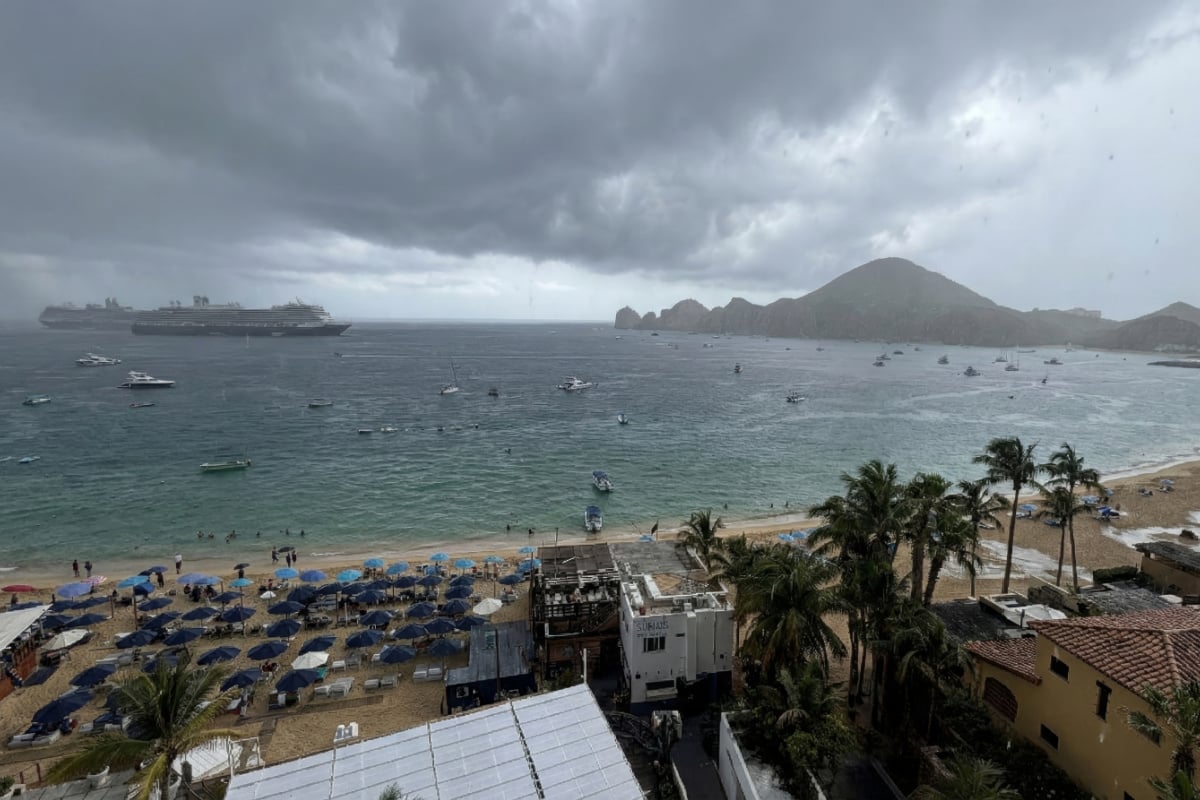
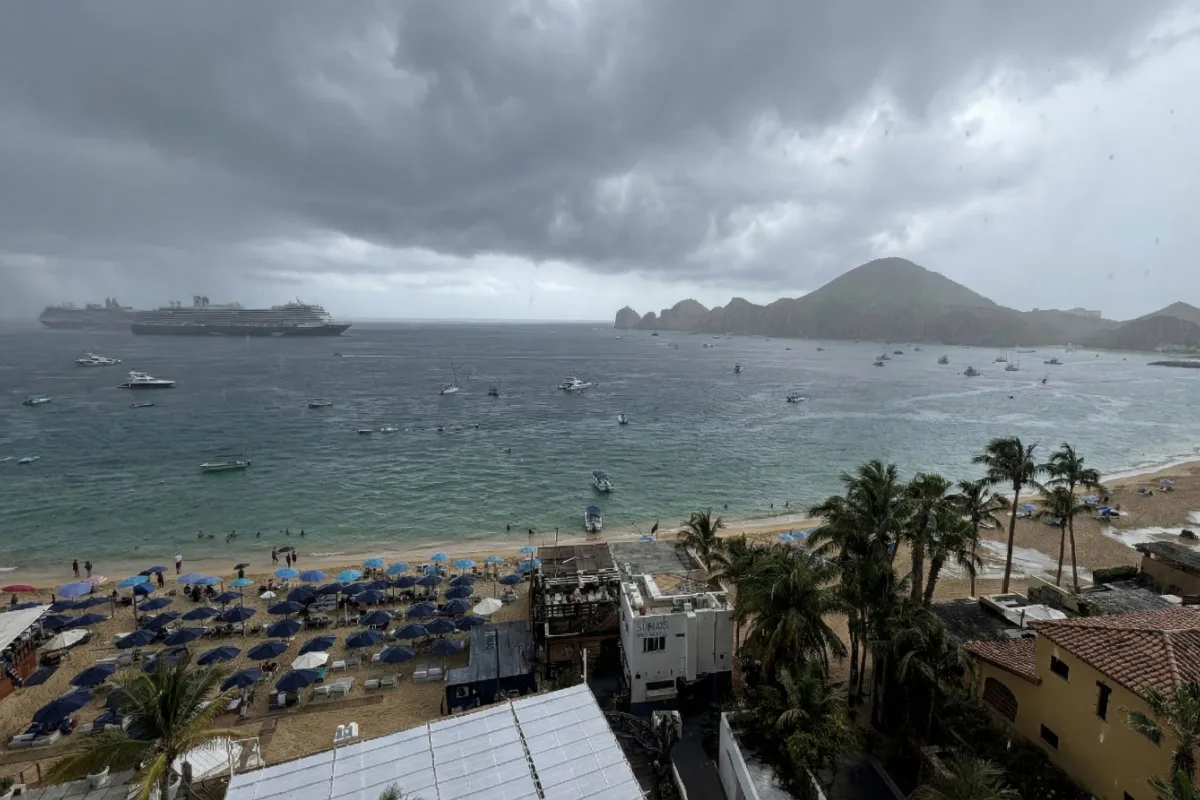
1. The “Desert-Meets-Ocean” Rain Reality
When your weather app predicts a 70% chance of rain in Seattle or Chicago, you know you are in for a miserable, gray, all-day washout. But Los Cabos is not a tropical jungle; it is a stark desert ecosystem surrounded by water.
When the humidity finally spikes enough to trigger a storm down here, it rarely settles in for a multi-day drizzle. Instead, you typically get a highly localized, intense cloudburst that dumps rain for about 45 minutes to an hour.
The moment the storm breaks, the intense Mexican sun immediately goes right back to baking the sand. A lightning bolt icon on your phone does not mean your pool day is ruined—it usually just means you will get an incredible sunset after a brief afternoon shower.
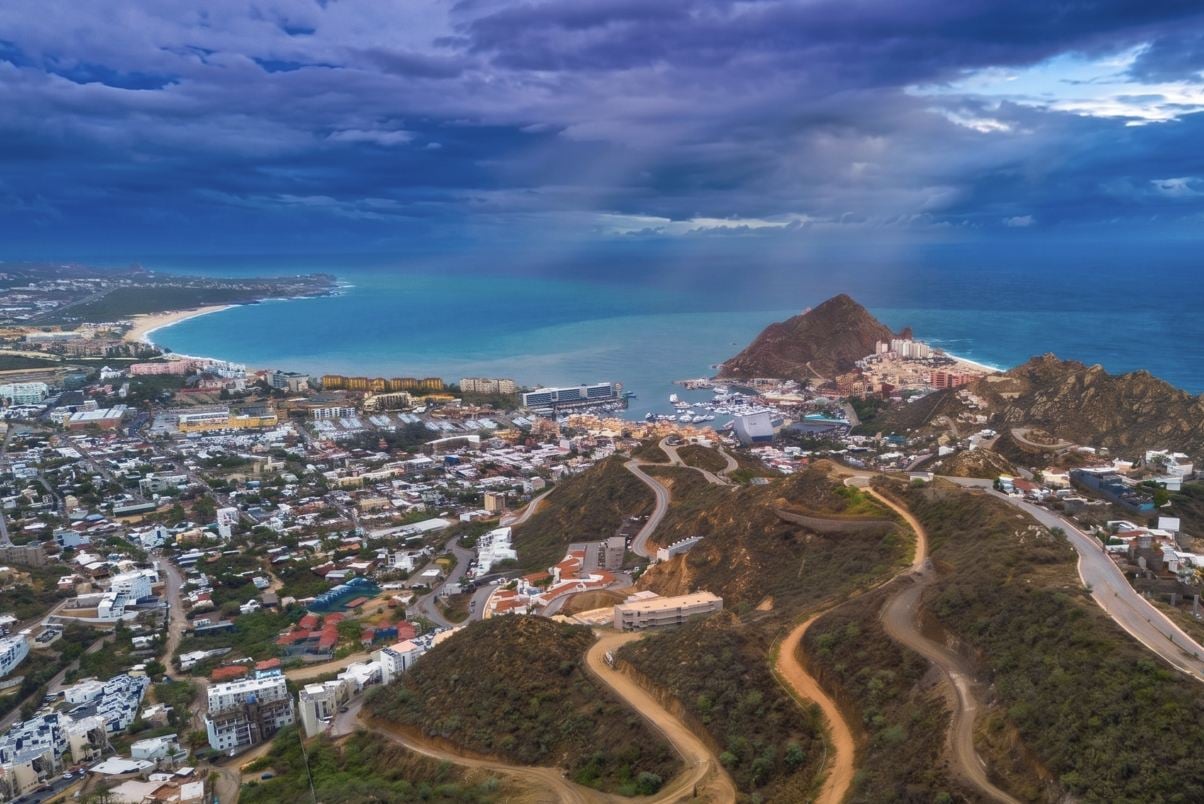
2. The Invisible Threat: Mar de Fondo
In Los Cabos, the biggest weather threat to your itinerary often happens when there isn’t a single cloud in the sky. While a passing thunderstorm is harmless, massive Pacific cyclones churning hundreds of miles offshore push immense kinetic energy toward the Baja coastline.
This creates a phenomenon known as mar de fondo, or heavy groundswell. Even if it is 95 degrees and sunny at your resort, these offshore storms can generate towering, violent waves and aggressive rip currents. When this happens, local authorities will fly black flags on the beaches and the Port Captaincy will completely shut down the Cabo San Lucas marina.
If you are traveling during storm season, understand that your sunset catamaran cruise or snorkeling tour might get canceled due to ocean conditions, regardless of what the sky looks like.

3. Mastering the Baja Microclimate Schedule
Because the weather here operates on a very specific daily rhythm during the late summer, you need to adjust your vacation schedule. Do not sleep in until 10:30 AM.
The mornings in Cabo are almost universally clear, calm, and perfect for water activities. Get your breakfast early and knock out your beach time before noon. As the midday heat builds, clouds often gather over the Sierra de la Laguna mountains and push toward the coast by mid-to-late afternoon.
Use this predictable window strategically: book your deep-tissue massage at the resort spa for 3:00 PM, or retreat to your suite for a restorative afternoon siesta.

4. Your Luxury Resort Is a Concrete Fortress
If the absolute worst-case scenario happens and a major tropical system makes direct landfall while you are in Mexico, you need to know that you are physically safe.
The luxury properties lining the Tourist Corridor are not flimsy beach shacks. Following the devastating lessons of Hurricane Odile a decade ago, the modern mega-resorts in Cabo are heavily fortified, concrete fortresses engineered specifically to withstand extreme hurricane-force winds.
If a major storm hits, the hotel will execute a rigorous shelter-in-place protocol. They utilize massive industrial backup generators, hurricane-rated glass, and dedicated emergency food supplies. While being confined to a ballroom isn’t the idyllic vacation you spent your US dollars on, you will be highly secure.

5. The Hard Line: Knowing When to Rebook
There is a massive difference between flying down for a rainy weekend and flying directly into the path of a Category 3 hurricane.
Stop relying on generic weather apps and start monitoring the U.S. National Hurricane Center directly. If a named storm is actively tracking toward the southern tip of the peninsula, US airlines will almost always issue flexible travel waivers.
Do not try to “ride it out” just to save your PTO days. During a direct threat, the lavish resort buffets shut down, alcohol sales are halted by local law, and you will be stuck indoors eating boxed survival meals. If a major cyclone is imminent, use those airline waivers, stay stateside, and rebook your trip for November when the skies clear and the weather is flawless.
Join Our Cabo Sun Community of 20,000+ Members
Get real-time answers to your travel questions from our team of local experts and thousands of fellow travelers directly inside our interactive group.
Find Your Perfect Los Cabos Resort In Seconds
This simple, powerful tool was built by our on-the-ground experts to match you with the ideal resort for your specific budget and travel style.
The Ultimate Cabo Trip Planner
When’s the best time to go? Our powerful month-by-month guide breaks down the weather, crowds, hotel rates, and whale watching seasons for your perfect trip.
Enter your email address to subscribe to The Cabo Sun’s latest breaking news affecting travelers, straight to your inbox.