
If you’ve ever looked at a Cabo beach day and thought, “Wait… why does this feel so much cleaner and more organized than other places?”—that’s not an accident. We at The Cabo Sun have been tracking a big push that’s quietly turning Los Cabos into something like a global “beach quality” powerhouse: more internationally certified beaches, tighter standards, and (ideally) fewer vacation-ruining surprises.
Los Cabos currently has 27 Blue Flag–certified beaches, and local officials say the goal is to keep adding more—potentially up to 13 additional beaches—with the idea of getting closer to (and even surpassing) Barcelona’s reported 37 Blue Flag beaches.
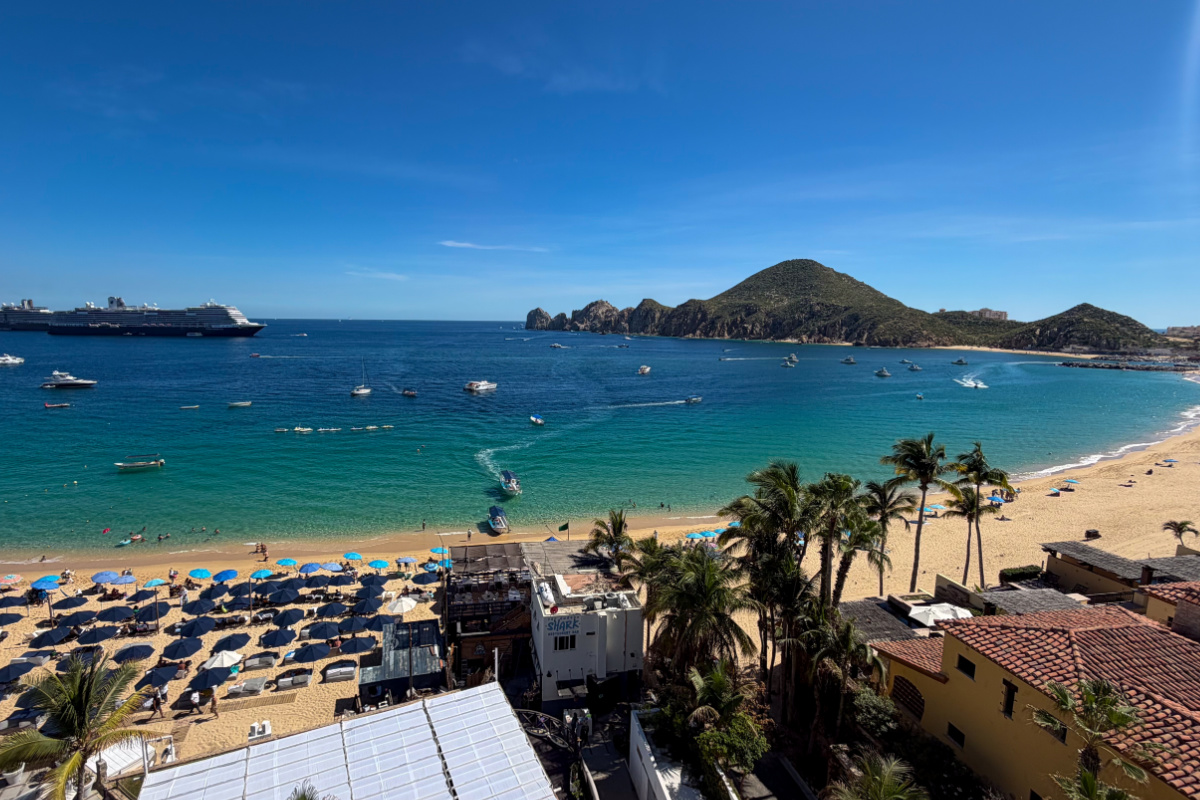
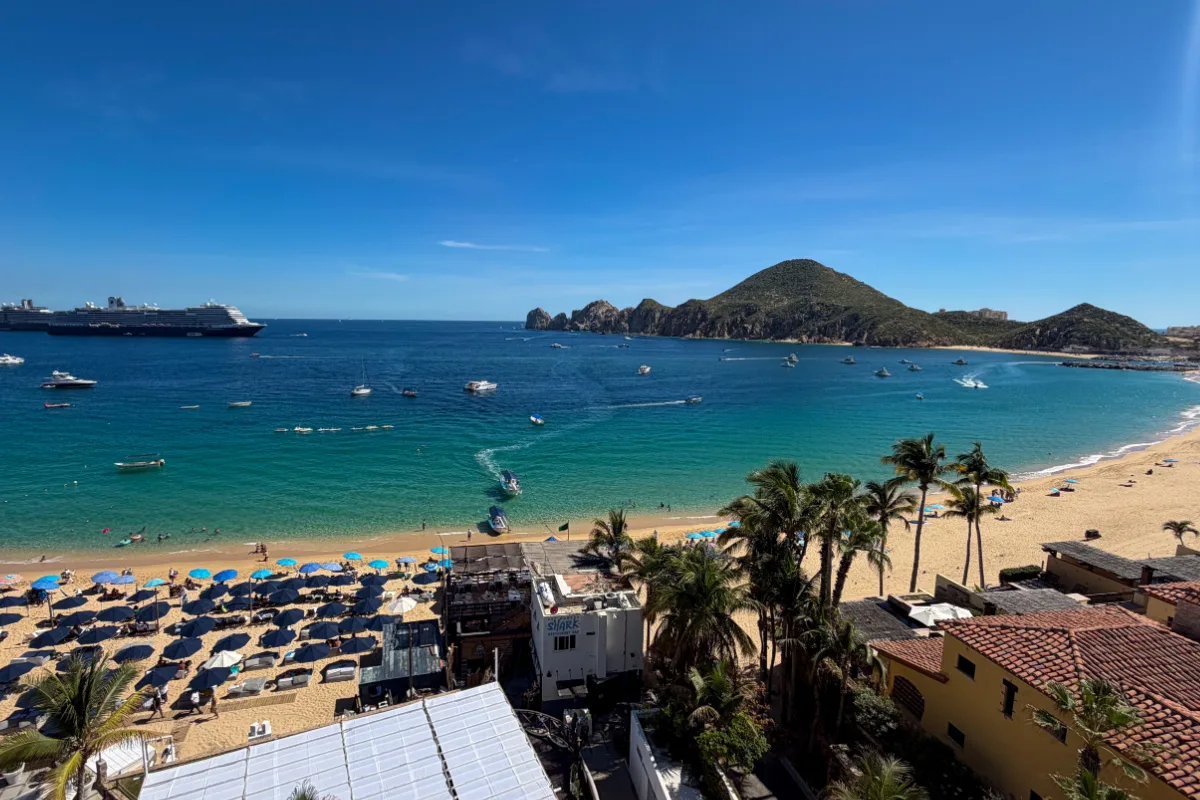
So… what does “Blue Flag” actually mean for tourists?
Blue Flag is a globally recognized eco-label, and it’s not just a cute banner for Instagram. The program’s criteria focus on things travelers actually care about: water quality, safety, services, environmental management, accessibility, and education.
In real-life Cabo terms, that usually translates to:
- Better maintained beach areas (cleanliness and waste management tend to be taken seriously)
- More visible safety support (think signage, lifeguard presence, marked areas)
- More consistent standards year after year, because beaches have to keep passing reviews/renewals
And yes—Los Cabos has been stacking these up fast. Earlier this year we reported on the destination hitting 27 Blue Flag beaches after new awards were added. (You can read that update here: Los Cabos now boasts 27 Blue Flag beaches.)
Cabo Beach Quality Guide
Los Cabos now has 27 Blue Flag beaches and is aiming for more. Here is what that certification actually means for your beach day. Click to reveal.
The Stat: Cabo currently has 27 Blue Flag beaches. Officials aim to add up to 13 more, potentially surpassing Barcelona’s 37.
The Result: A global “beach quality” powerhouse with consistent standards across the destination.
More than a Banner: It guarantees water quality, safety services (lifeguards), and environmental management.
Real-Life Perk: Expect cleaner sands, organized waste management, and accessible facilities.
Tourist Corridor: Chileno Bay, Santa María, and Palmilla are top certified choices.
Cabo San Lucas: Multiple sections of Médano Beach (often resort-fronts) hold the certification.
The Rule: Blue Flag measures quality, not currents. A clean beach can still have dangerous waves.
Action: Always check the safety flags (Green, Yellow, Red, Black) before entering the water.
 Powered by The Cabo Sun
What tourists can expect next if Cabo keeps chasing more certifications
1) More “reliable” beach choices (especially for first-timers).
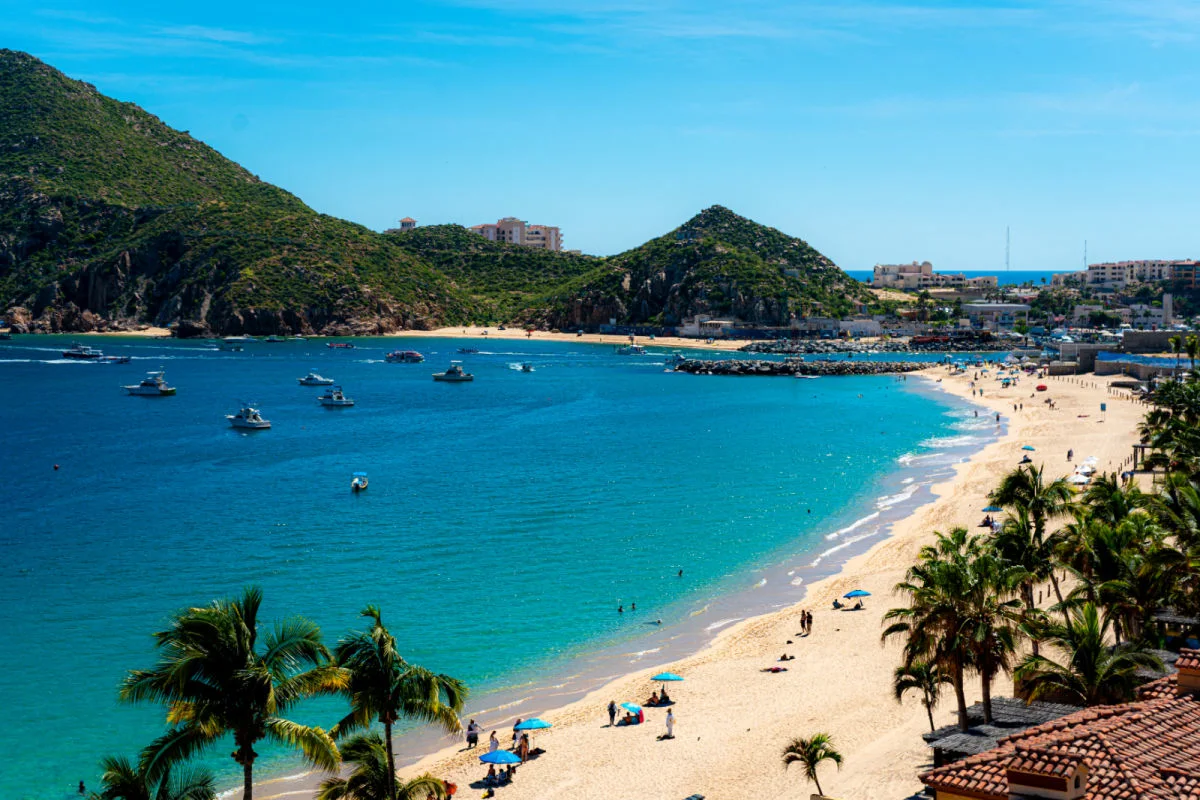
POSTA’s list shows certified zones across the map—Tourist Corridor favorites like Chileno, Santa María, Palmilla, plus multiple certified sections along Médano Beach in Cabo San Lucas (often tied to specific resort-front areas).
If you want the quick cheat-sheet approach before your trip, we also broke down why these certifications matter (and how to use them when planning): 23 Blue Flag beaches & why it matters for your trip.
2) Cleaner, stricter, more “managed” beach days.
Some travelers love this. Some travelers grumble when they can’t do whatever they want. But in general, higher certification standards often mean tighter control around things like waste, signage, and environmental protection.
3) More “labels” to watch for—Blue Flag plus Mexico’s own beach certifications.
Los Cabos isn’t only chasing Blue Flags. The municipality also received 22 Playa Platino (Platinum Beach) certifications, according to the Los Cabos government and our own recent coverage. That’s another signal the destination is investing hard in beach quality and visitor experience. Here’s our breakdown of the 22 Platinum Beach certifications.
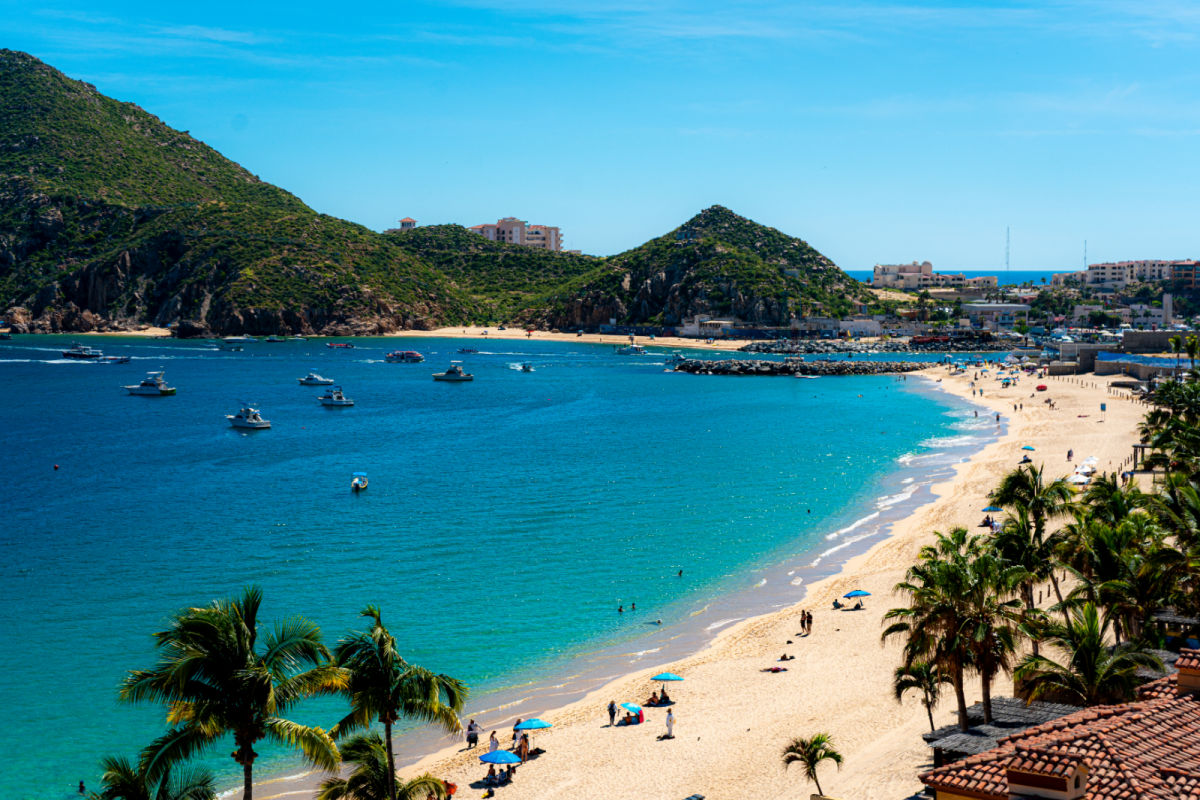
The one thing tourists still need to do (even on a “certified” beach)
Blue Flag is about overall standards—it does not override ocean conditions.
Before you jump in, always check the daily beach safety flags (green/yellow/red/black). We made it super simple here: The Ultimate Los Cabos Beach Flag Guide.
And if you’re coming during peak season, it’s worth skimming our practical December game plan too—because crowds + currents + holiday energy is a very real combo: Visiting Cabo in December: 5 most important things to know.

Bottom line
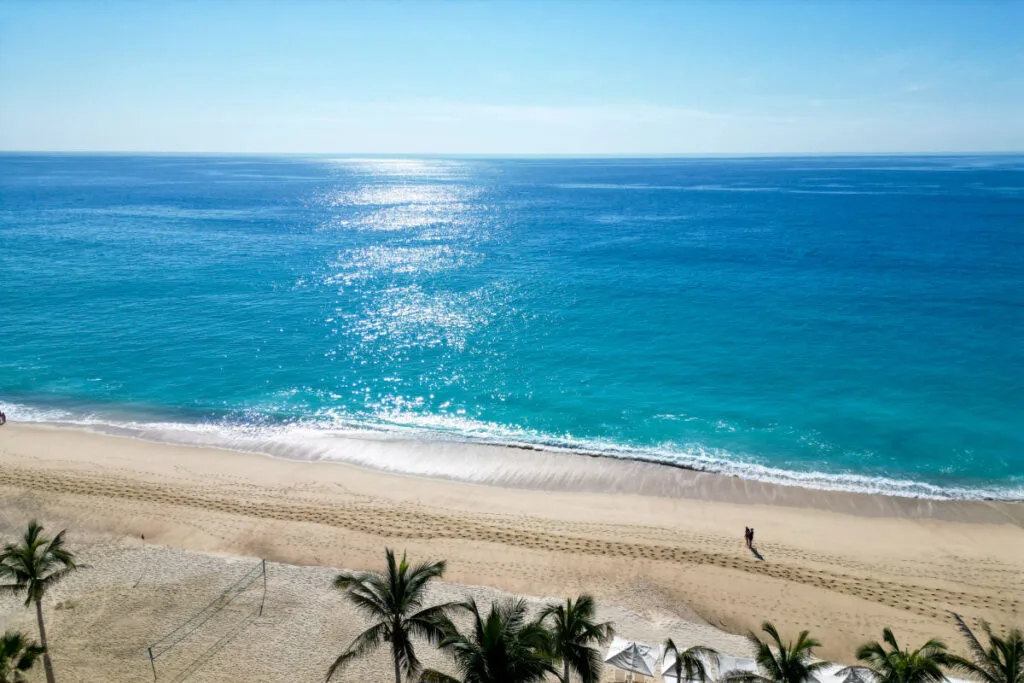
Los Cabos isn’t just trying to be “pretty.” It’s trying to be globally competitive on beach quality—the kind of destination where you can beach-hop for a week and consistently land on clean, well-run, safety-forward shoreline. If the planned expansion (adding up to 13 more candidate beaches) actually happens, tourists should expect an even bigger menu of beaches that feel “easy mode” to visit.
And honestly? That’s the kind of flex that matters—because the best vacation stories usually start with “we spent all day at the beach”… not “we spent all day figuring out the beach.”
The Ultimate Cabo Trip Planner
When’s the best time to go? Our powerful month-by-month guide breaks down the weather, crowds, hotel rates, and whale watching seasons for your perfect trip.
Find Your Perfect Los Cabos Resort In Seconds
This simple, powerful tool was built by our on-the-ground experts to match you with the ideal resort for your specific budget and travel style.
Subscribe to our Latest Posts
Enter your email address to subscribe to The Cabo Sun’s latest breaking news affecting travelers, straight to your inbox.