
Real-time note from the sand: we’re reporting this week from the Tourist Corridor—and yes, some mornings the ocean looks like a postcard.
The set rolls in smoothly, the surface shimmers, and you’ll spot a few people wading out for that “just a quick dip.” But as we at The Cabo Sun remind readers year-round, Cabo’s water can switch personalities fast, and the only trustworthy signal is the flag flying above the beach. If you memorize nothing else on vacation, make it that.
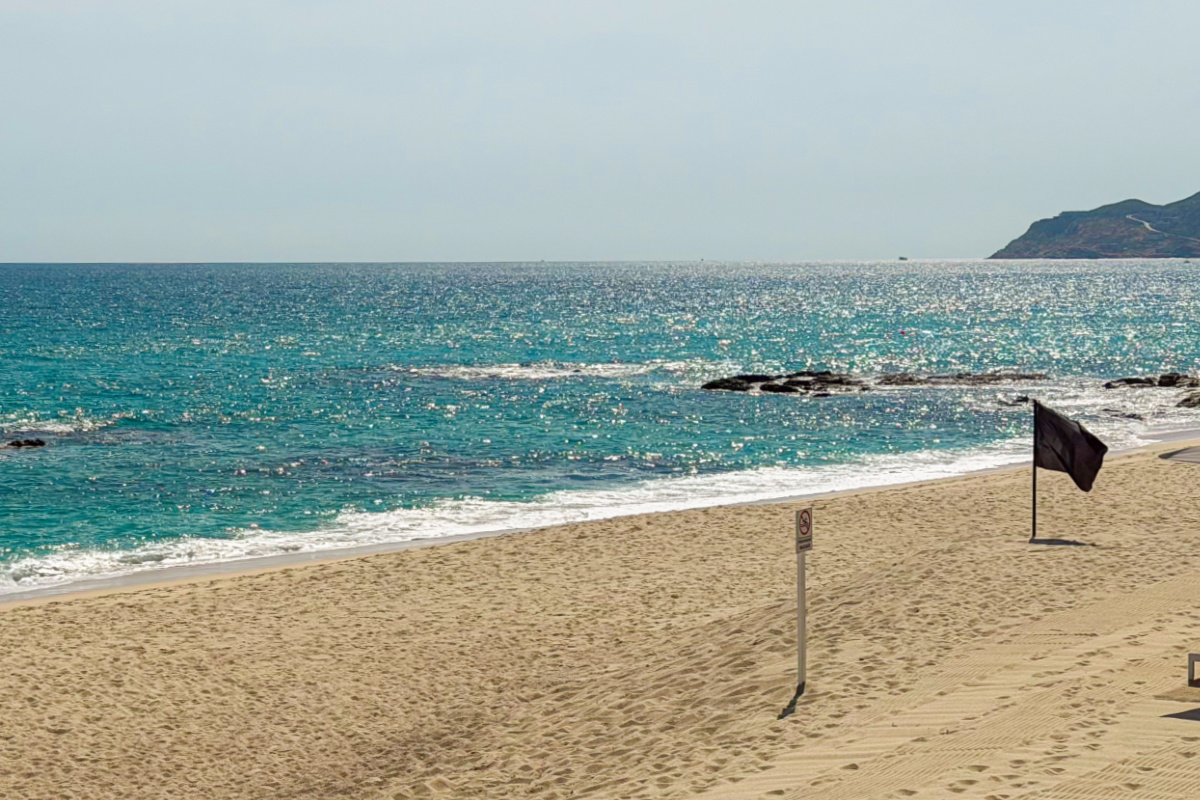
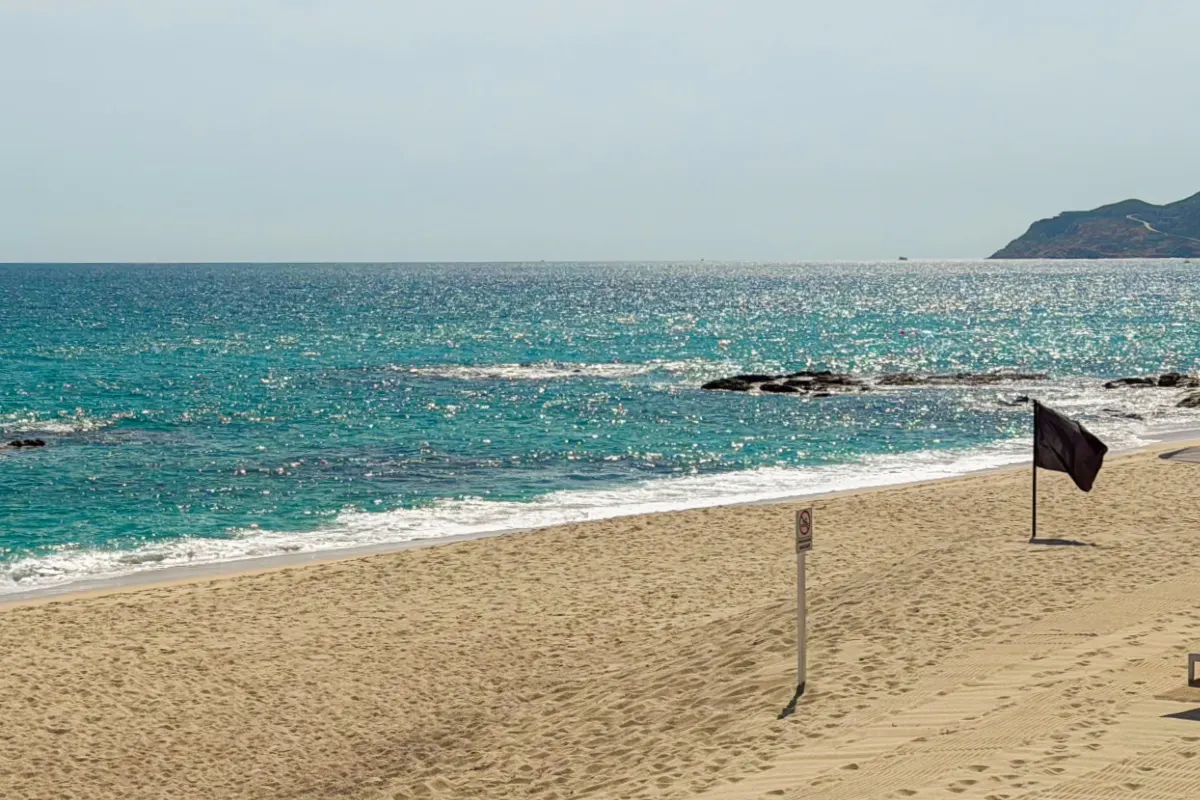
Calm-looking water ≠ safe water
Here’s what we’re seeing in person along the Corridor: long stretches of gentle-looking waves—then a sudden, heavier “set” that slams the shoreline.
You could see 20 gentle and calm waves… then that “wave number twenty-one” can knock your feet out, spin you in the shorebreak, and tug you outward on a rip before you realize what changed. Cabo’s underwater topography and exposure to Pacific swell make these swings normal, not rare.
Our breakdown of why Los Cabos waves are so powerful—and which beaches are calmer explains the mechanics in plain English.

Read the flag like your life depends on it (because it does)
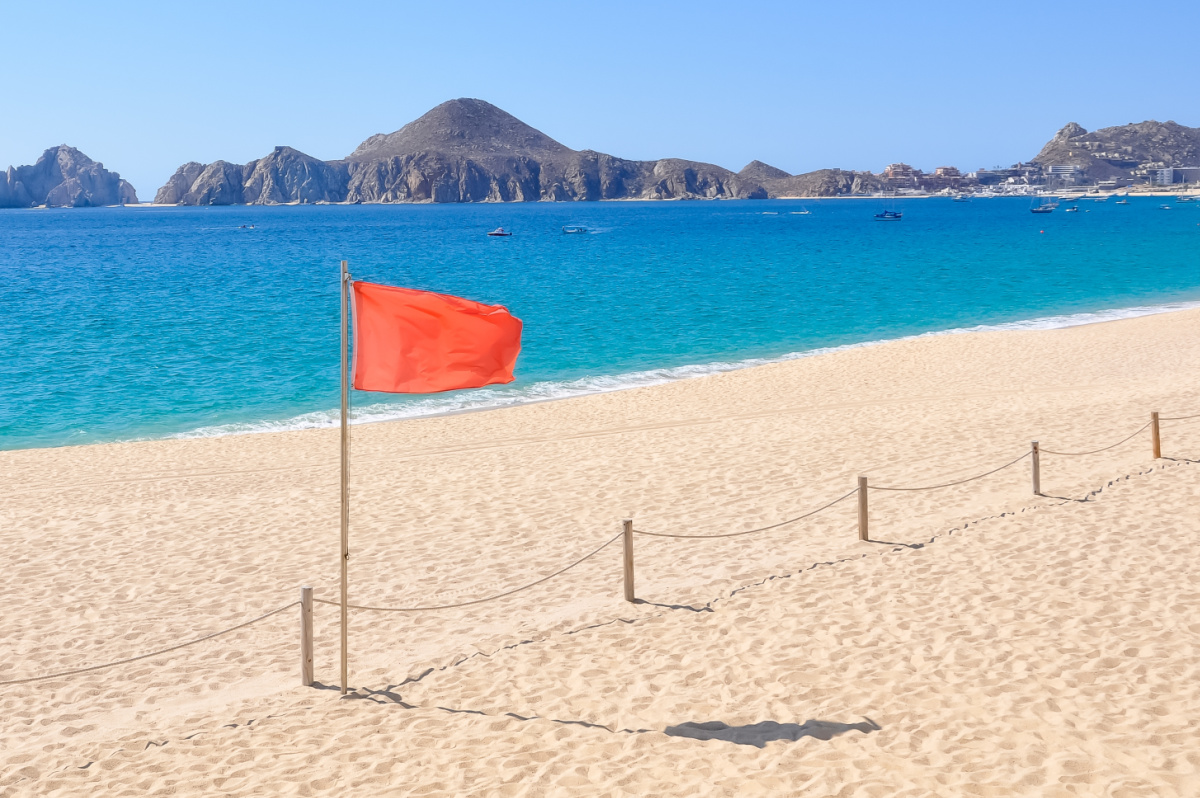
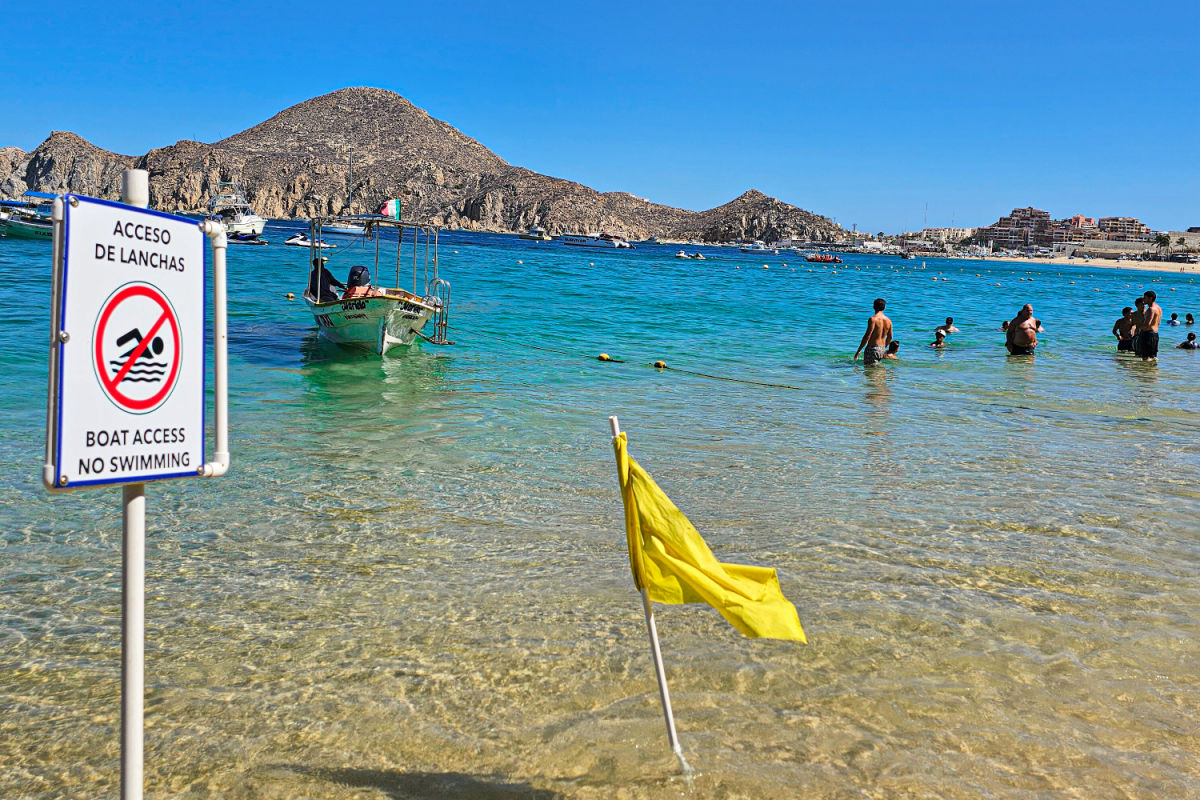
If you only screenshot one thing on this trip, make it our Ultimate Los Cabos Beach Flag Guide—a simple, color-by-color cheat sheet you can check on the walk down from your room. Quick refresher: green means conditions are generally manageable, yellow means use caution and stay close to shore, red means high hazard (our advice: don’t go in), and black means the beach is closed to water entry. You’ll also occasionally see white when marine life—think jellyfish—has been spotted.
Because conditions change by the hour, officials have even added more flag posts at Médano to reduce confusion on busier days. Don’t assume the flag at one end of the beach matches the other—look for the nearest mast and check it every time you pass.

Corridor reality check: most beachfronts aren’t for swimming
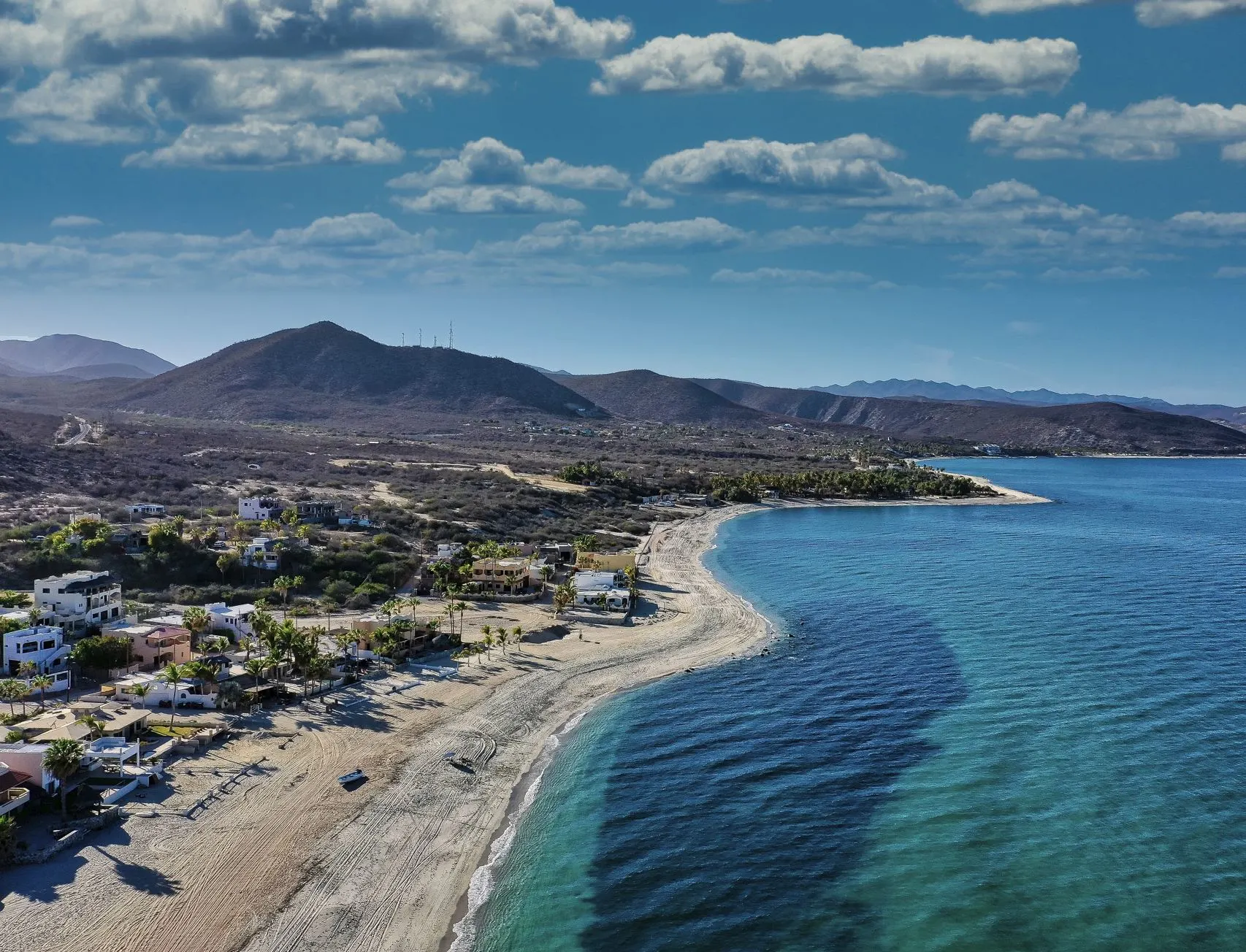
Many stretches of the Tourist Corridor are non-swimmable most days due to rip currents and heavy shorebreak.
Resorts post signs, and lifeguards will whistle you back if you drift too close—it’s not to spoil the fun; it’s to stop rescues before they start. When you do want to swim, aim for protected coves that consistently post friendlier flags, like Chileno, Santa María, Palmilla, and the sheltered ends of El Médano. We summarize the safest bets (and why they’re safer) in our recent explainer.
And remember, storm cycles elsewhere can affect Cabo even under sunny skies here. After recent systems, beaches moved from black to red and then back to yellow as conditions normalized—a perfect example of how fast the situation can evolve. If you saw green in the morning, don’t assume it’ll be green after lunch.
“I’m just going to wade…”
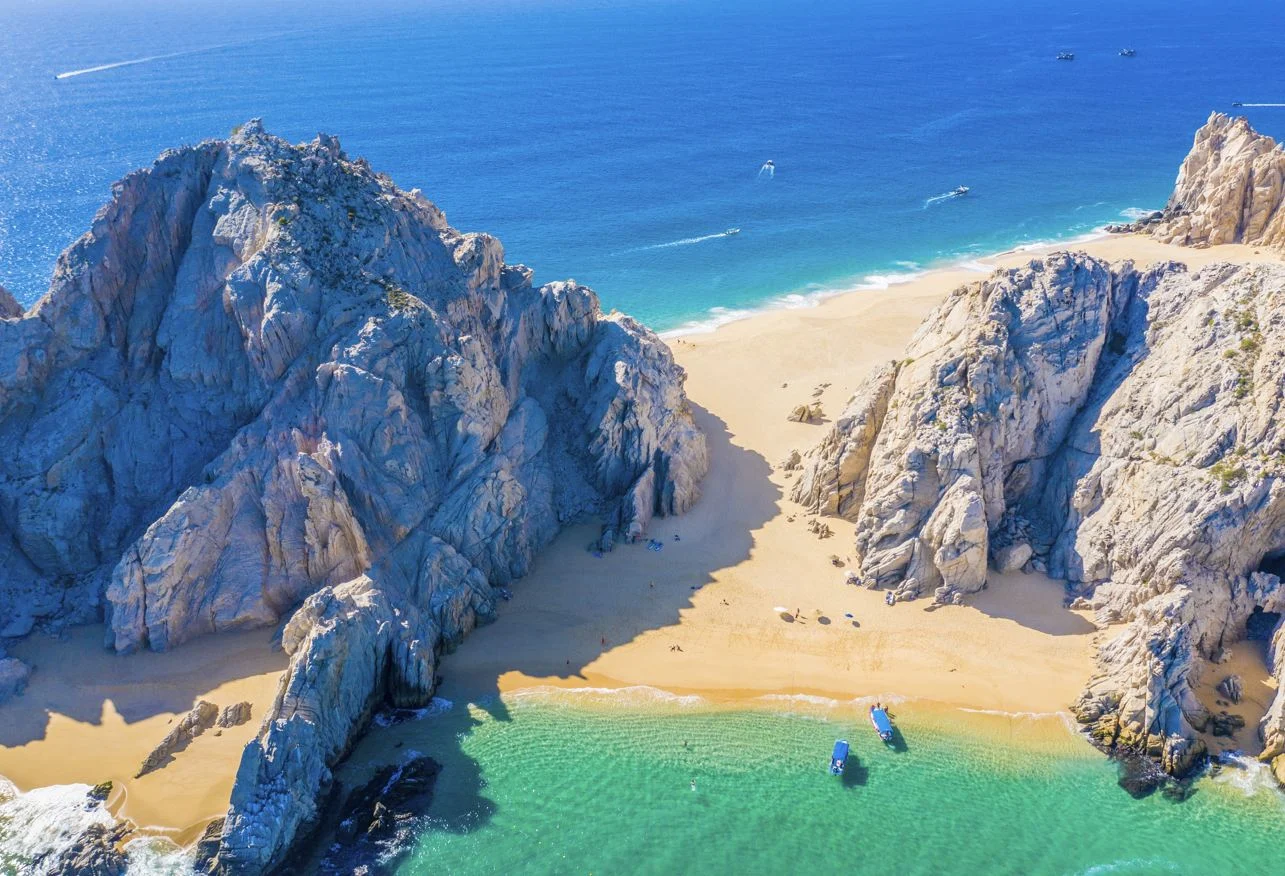
We’re watching tourists try this right now, and it’s the riskiest misconception. On exposed Pacific-facing spots (like Divorce Beach), a surprise surge can sweep ankles out and toss you into the impact zone.
Our guide to Los Cabos’ most dangerous beaches explains how to enjoy those dramatic vistas safely—from a healthy distance on dry sand.

Five habits that actually keep you safe
- Flag first, feet second. Make checking the flag your first move, not an afterthought. Our flag primer is the fastest refresher you’ll find.
- Swim where lifeguards are—and listen. If you hear a whistle, step back and ask what changed. Authorities keep stressing this for a reason.
- Enter feet-first and stay shallow on yellow. Shorebreak here is no joke; yellow ≠ gentle.
- When in doubt, pick a protected cove. Our list of top Corridor beaches for swimmers is a great starting point.
- Respect closures and warnings during storm windows.
Bottom line from the Corridor this week
From where we’re standing, the ocean looks serene more often than not—and that’s exactly why travelers get lulled into bad decisions. Don’t let smooth sets fool you. Let the beach flag make the call, choose guarded, protected beaches when you want to splash, and save the moody Pacific panoramas for long walks and epic photos.
For deeper dives, bookmark our Ultimate Beach Flag Guide and our explainer on why Cabo’s waves are so dangerous (and which beaches usually stay calm) before you head down from your room. A five-second flag check is the easiest safety win of your vacation.
Stay safe, enjoy the sunshine, and if you see us out on the Corridor this week—say hi (we’ll be well back from the shorebreak).
The Ultimate Cabo Trip Planner
When’s the best time to go? Our powerful month-by-month guide breaks down the weather, crowds, hotel rates, and whale watching seasons for your perfect trip.
Find Your Perfect Los Cabos Resort In Seconds
This simple, powerful tool was built by our on-the-ground experts to match you with the ideal resort for your specific budget and travel style.
Subscribe to our Latest Posts
Enter your email address to subscribe to The Cabo Sun’s latest breaking news affecting travelers, straight to your inbox.