
You arrive at the beach, drop your towel, and look at the ocean. It looks calm enough. Maybe a little choppy, but fine, right?
Wrong.
In Cabo, the ocean is deceptive. A beach can look serene on the surface but hide a riptide strong enough to drag an Olympic swimmer out to sea. This is why we don’t guess—we look for the flags.
Lifeguards in Los Cabos use a universal color-coded system to tell you exactly what the water is doing. It takes 10 seconds to check, and it is the single most important habit you can build on your vacation.
Here is your cheat sheet to the Cabo flag system.
The Cheat Sheet (Memorize This)
If you can remember traffic lights, you are halfway there. Use our tool below to explore each flag color.
Cabo Beach Flag Guide
Tap a flag below to see what it means for your beach day.
Green Flag: Low Hazard
What it means: Conditions are calm and swimming is generally safe and allowed.
What to do: Always swim near a lifeguard and keep an eye on children.
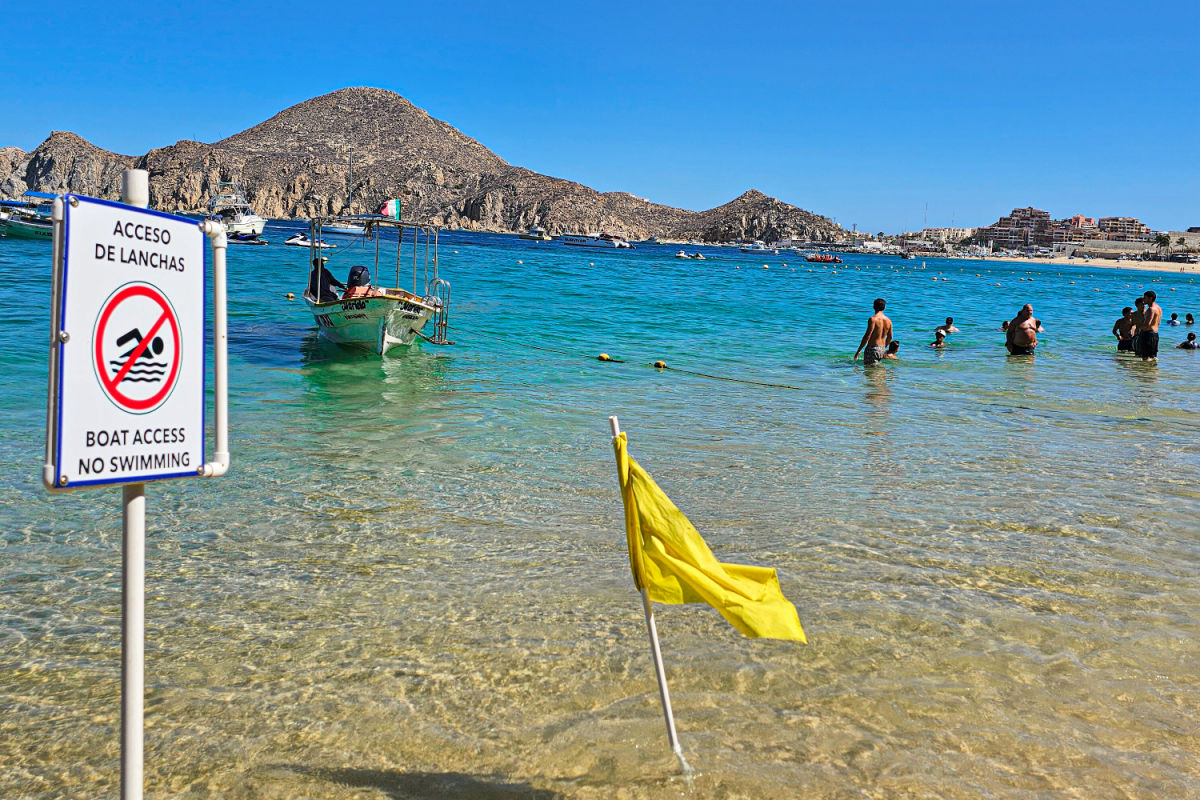
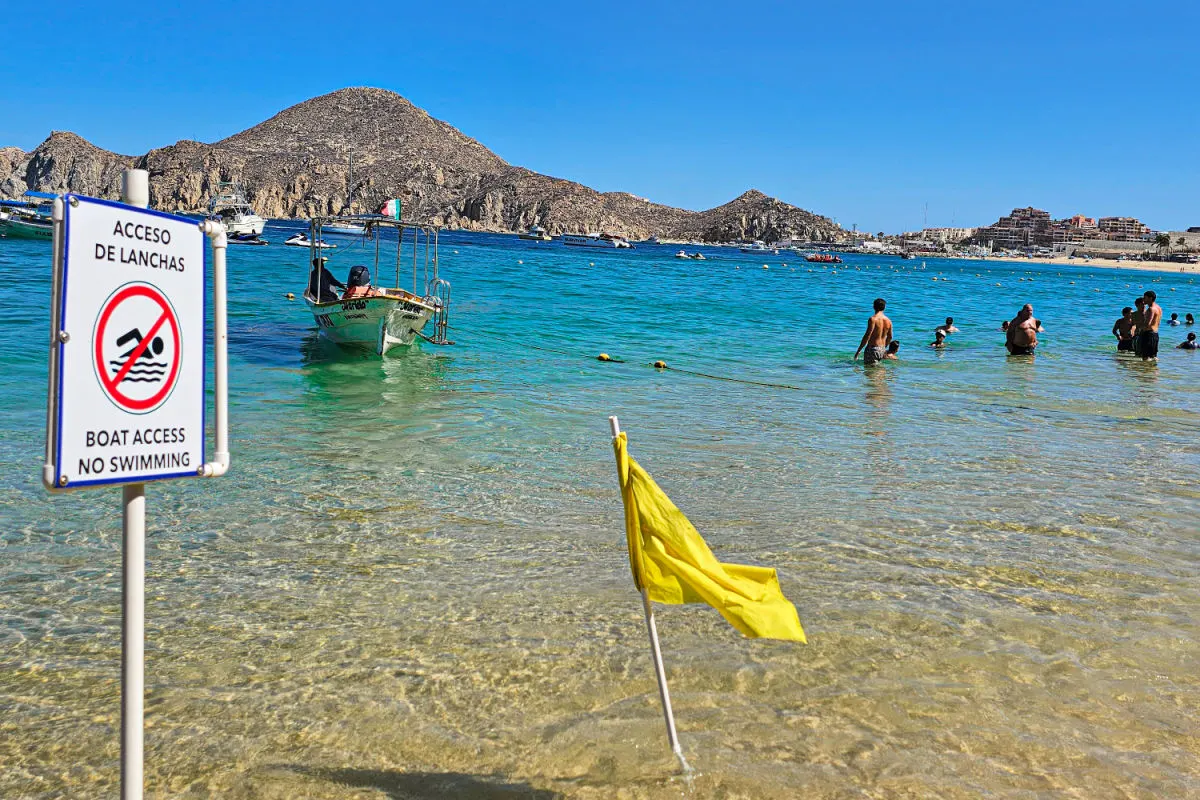
Yellow Flag: Moderate Hazard
What it means: Choppy waves or mild currents are present. Use caution.
What to do: Recommended for confident swimmers only. Stay close to the shore.
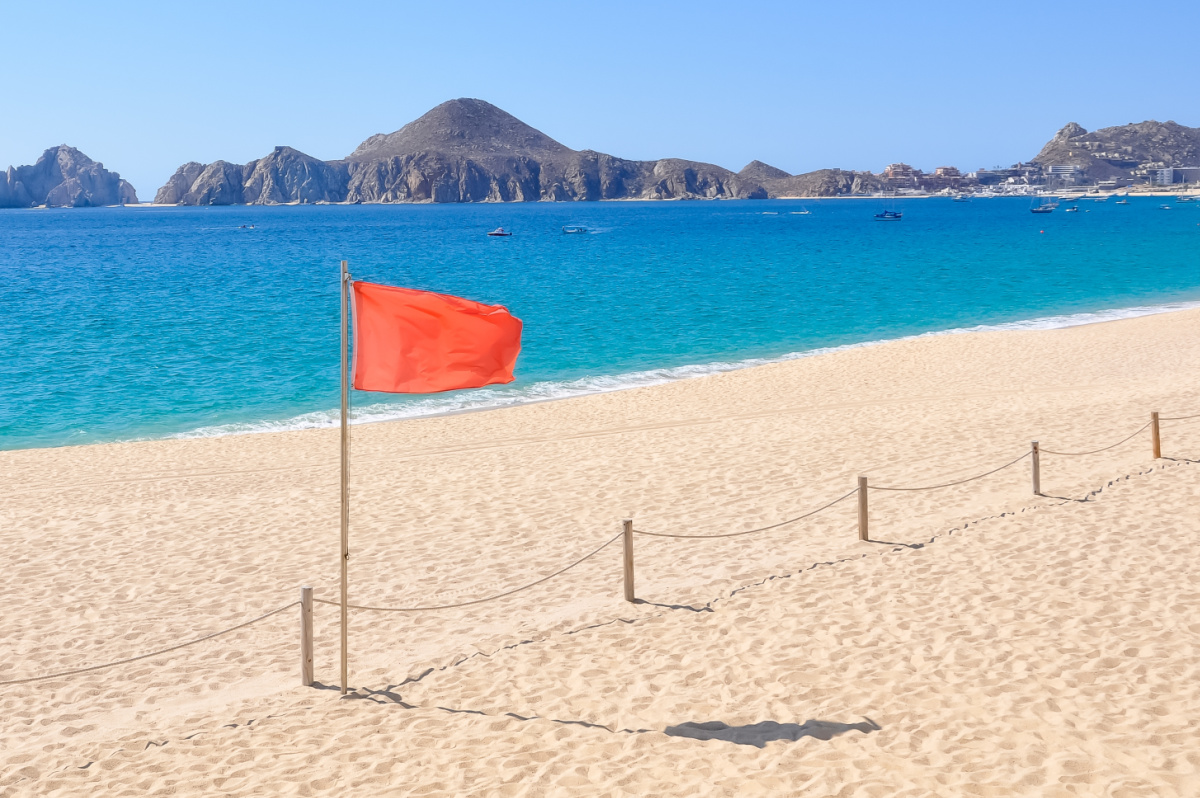
Red Flag: High Hazard
What it means: Strong currents or powerful waves create dangerous conditions.
What to do: Authorities strongly advise you to stay out of the water. This is a serious warning, not a ban.
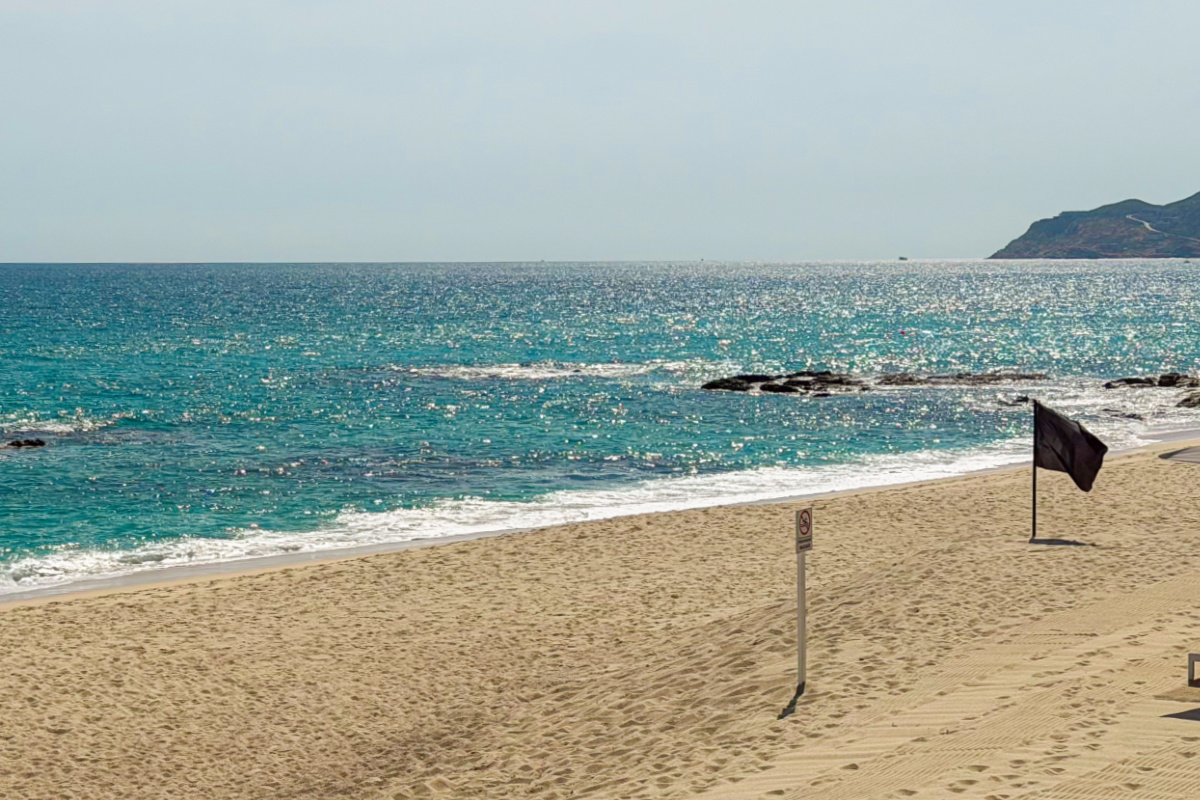
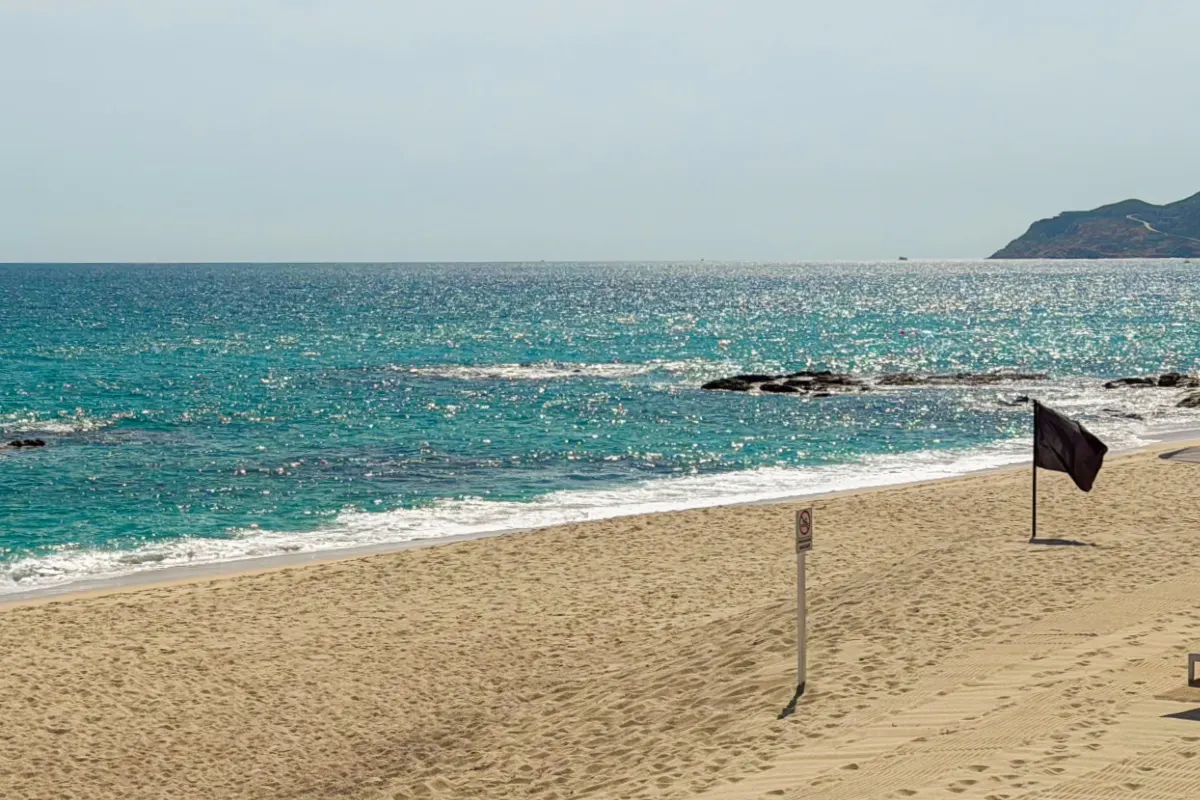
Black Flag: Beach Closed
What it means: EXTREME DANGER. The beach is closed to water entry for everyone.
What to do: Do not enter the water for any reason. Used for storm surge, dangerous currents, or contamination.
White Flag: Marine Life
What it means: Jellyfish or other stinging marine life have been spotted in the area.
What to do: Consider staying out if you are sensitive. If you go in, wear protection and shuffle your feet.
Key Difference: Red vs. Black Flags
Red flags are a strong recommendation to stay out due to high risk, but not a formal ban. Black flags mean the beach is CLOSED to swimming entirely. Never enter the water on a black flag day.
The Memory Trick:
- Green = Go
- Yellow = Careful
- Red = Risky
- Black = Ban
- White = Wildlife


The Deadly Confusion: Red vs. Black
This is where most tourists get into trouble. They see a Red Flag and think, “Oh, it’s just a warning, I’ll be fine.”
In the U.S., a Red Flag often means “Swim at your own risk.” In Cabo, a Red Flag means the ocean is acting violent. While it isn’t technically illegal to enter (like a Black Flag), it is the final warning before the beach is shut down.
- The Reality: If you see Red, treat it like a “Don’t Swim” sign unless you are an extremely strong ocean swimmer.
The “Invisible” Danger: The White Flag
The White Flag is the trickiest one because the ocean often looks perfect when it’s flying.
- The Scenario: It is a calm, sunny day with zero waves. You dive in—and immediately feel a burning sting.
- The Cause: Jellyfish or stingrays are present in the shallows.
- The Fix: If the White Flag is up, wear a rash guard (long-sleeved swim shirt) or just skip the swim. If you must go in, do the “Stingray Shuffle” (drag your feet in the sand) to scare them off before you step on them.

Don’t Risk It
Cabo isn’t the Caribbean. The Pacific Ocean is powerful and changes fast.
Before you order your first bucket of beer, scan the lifeguard tower. If you see Green, enjoy the dip. If you see Red or Black, settle into your lounge chair and enjoy the view from dry land.
The Ultimate Cabo Trip Planner
When’s the best time to go? Our powerful month-by-month guide breaks down the weather, crowds, hotel rates, and whale watching seasons for your perfect trip.
Find Your Perfect Los Cabos Resort In Seconds
This simple, powerful tool was built by our on-the-ground experts to match you with the ideal resort for your specific budget and travel style.
Subscribe to our Latest Posts
Enter your email address to subscribe to The Cabo Sun’s latest breaking news affecting travelers, straight to your inbox.