
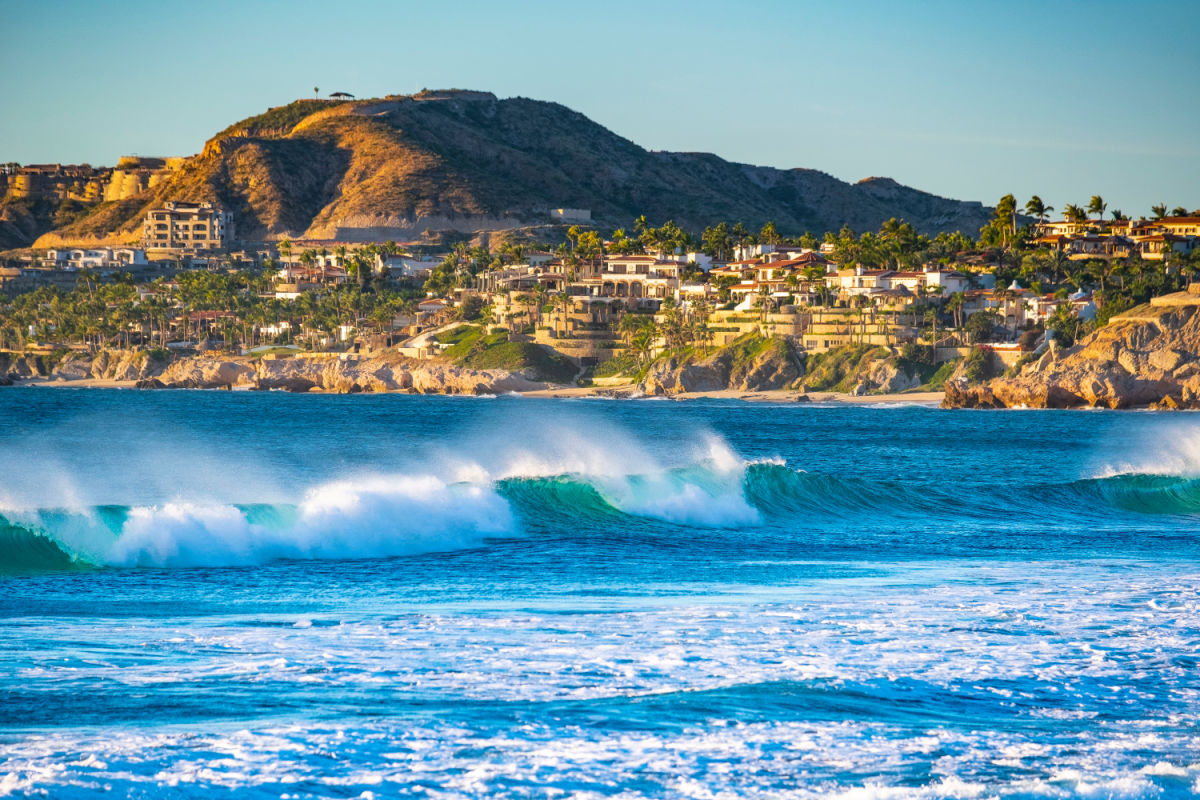
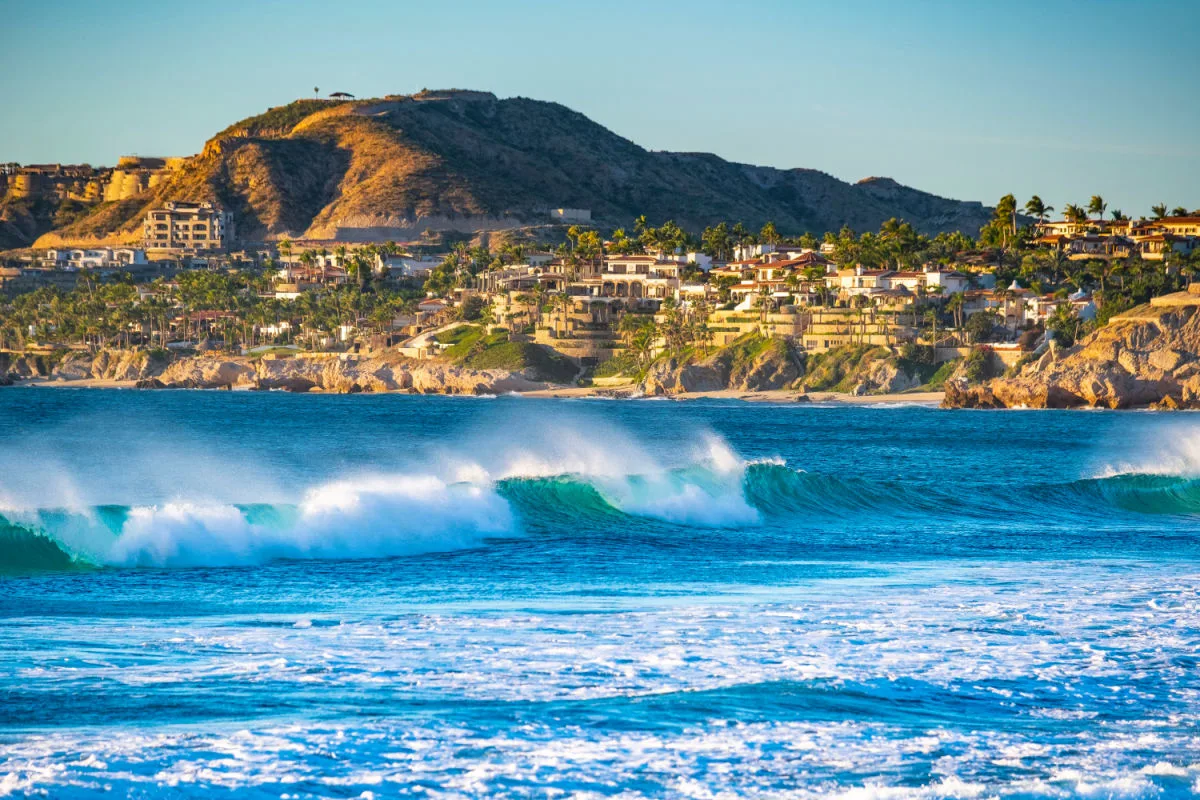
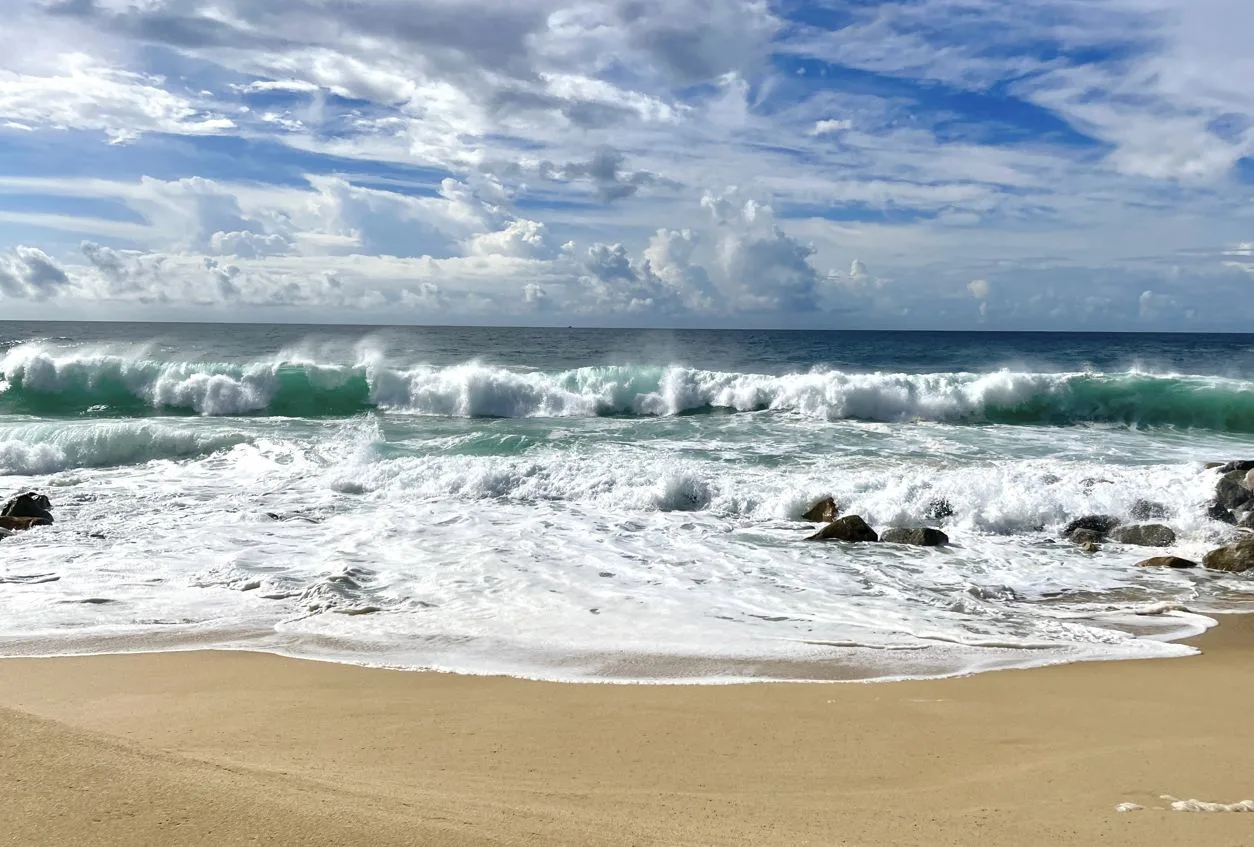
Los Cabos’ postcard-pretty shoreline hides a not-so-pretty truth: its underwater topography and open-Pacific exposure funnel long-period “mar de fondo” swells straight onto the sand, creating deceptively powerful waves that routinely knock visitors off their feet.
Because the continental shelf here plunges to 100 m depth just offshore, the energy doesn’t have time to dissipate, so even a distant storm can translate into dangerous shore break.
Yet Cabo isn’t one giant no-swim zone.
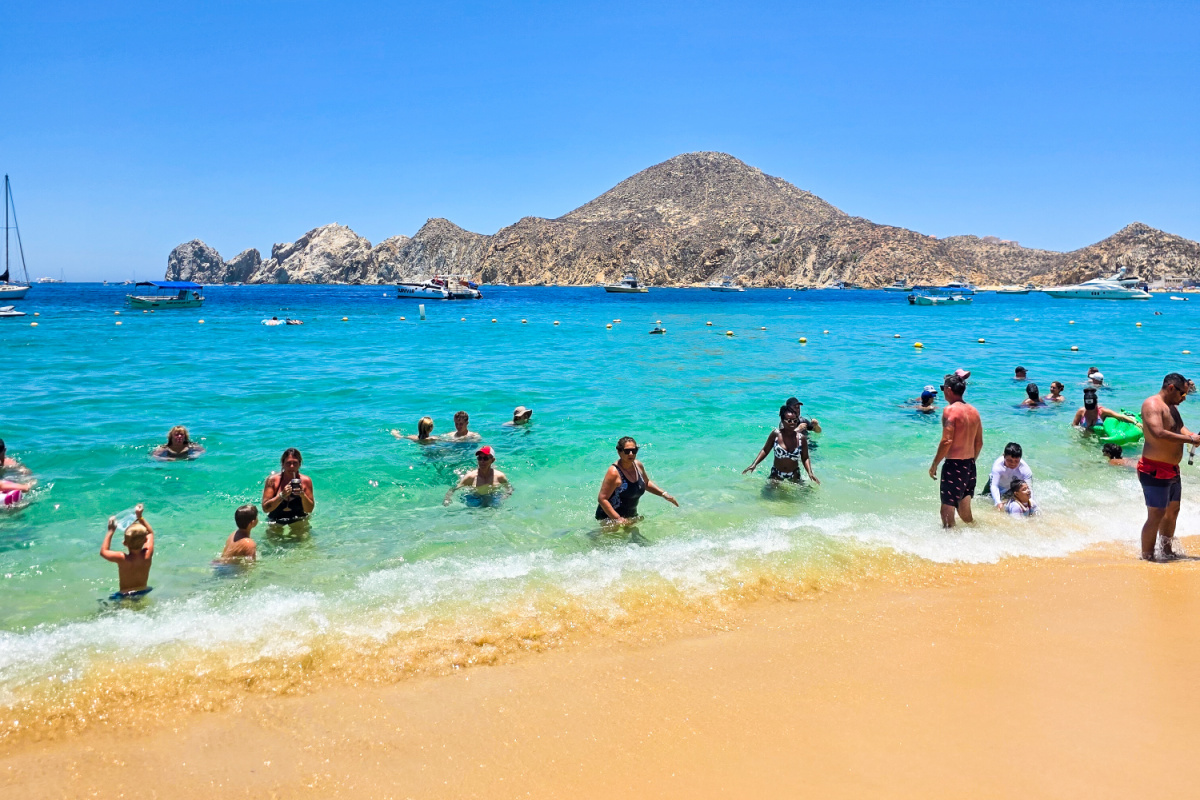
Protected coves like El Médano, El Corsario, and La Hacienda sit inside Bahia San Lucas, sheltered from the brunt of the Pacific, and consistently post green or yellow flags.
Below we break down why the waves get wild, how to read Cabo’s flag system, and exactly where to splash safely.
Why Cabo’s Waves Pack Such a Punch
A front-row seat to the Pacific
Los Cabos faces the open Pacific on one side and the Sea of Cortez on the other, but its tourist-heavy beaches sit squarely on the Pacific flank. That means swells generated by tropical systems—like this week’s far-off Tropical Storm Gil—arrive head-on instead of being filtered by Baja’s mountains.
A “bottomless” near-shore drop
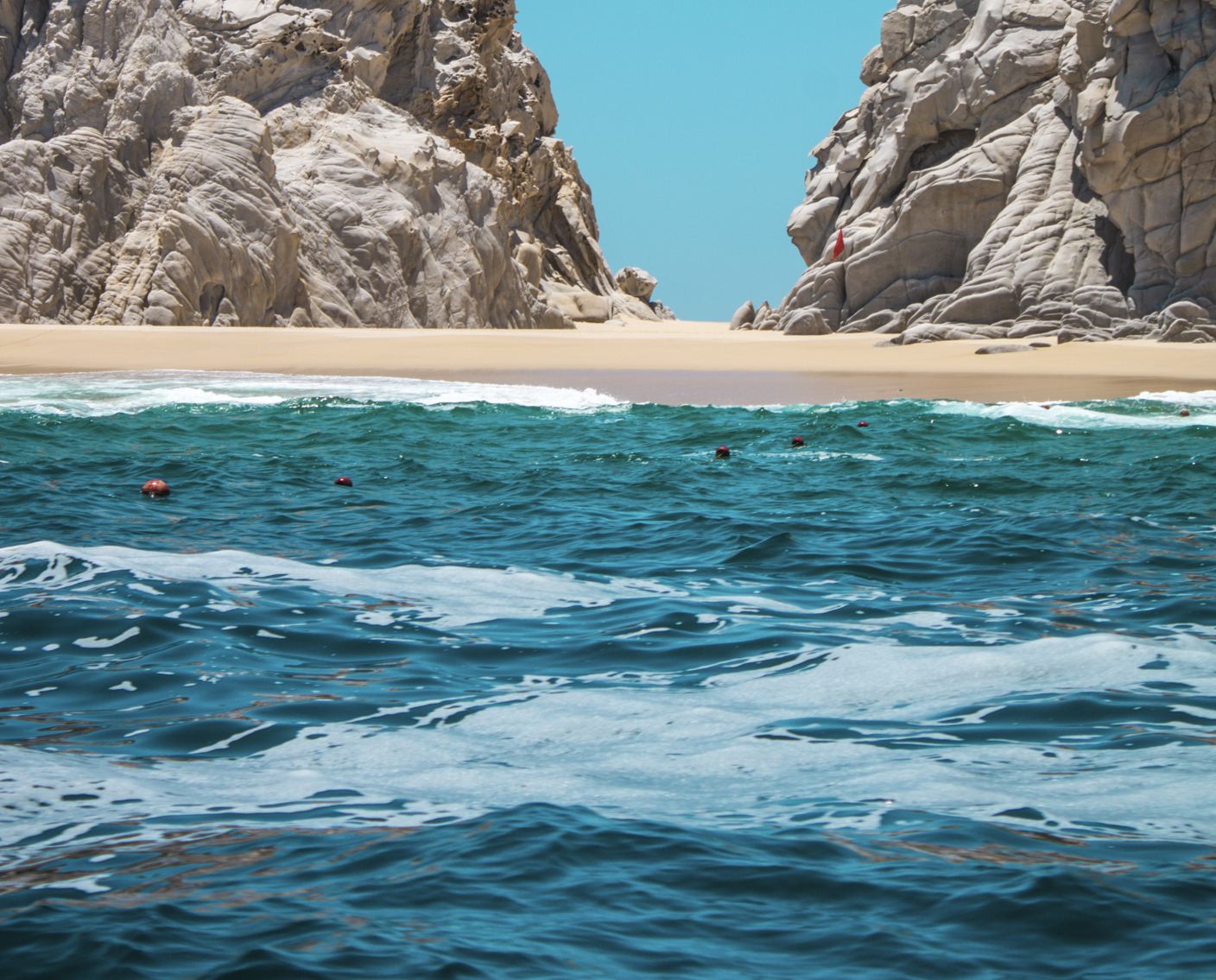
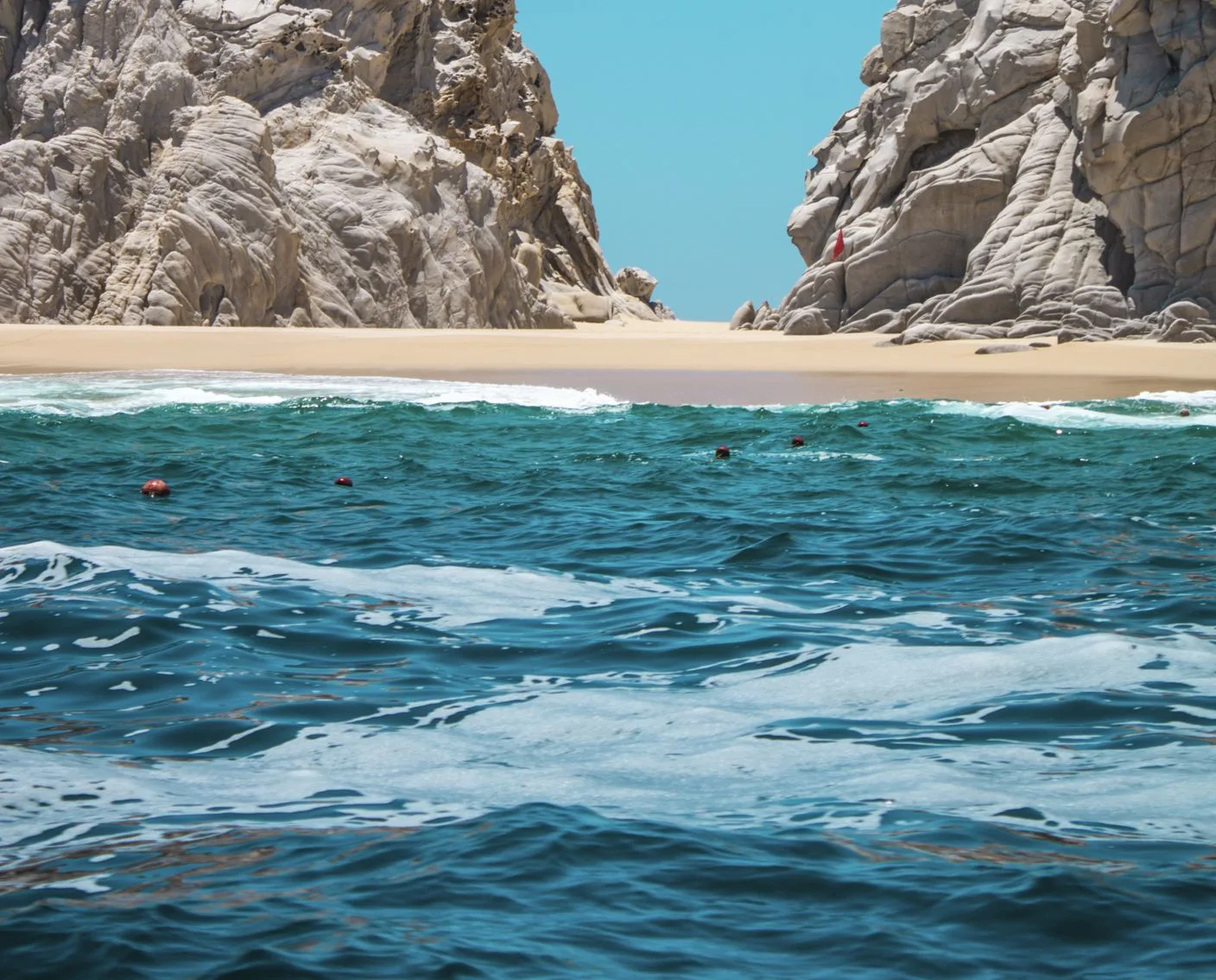
Studies map Cabo’s continental shelf break only a few hundred meters from shore; the seabed then plunges steeply, letting waves retain full energy until the last second.
In practical terms, a wave that looks harmless can stand up into a thundering wall right at the waterline—exactly where vacationers are wading.
Mar de Fondo season
From roughly May 15 to November 30, the same hurricane corridor that powers Cancun’s Caribbean sets up a conveyor belt of long-period swell toward Baja.
Local authorities routinely post red or black flags when mar de fondo spikes; they even closed several beaches outright in mid-June after one fatality.

What Those Beach Flags Are Really Telling You
Color-coded flags aren’t just for decoration—they’re your first clue about how safe it is to get in the water. Here’s what each one means:
- 🟩 Green: Calm and generally safe for swimming. Still, watch for changing wave sets.
- 🟨 Yellow: Moderate surf or currents. Stay waist-deep, and make sure kids have flotation devices.
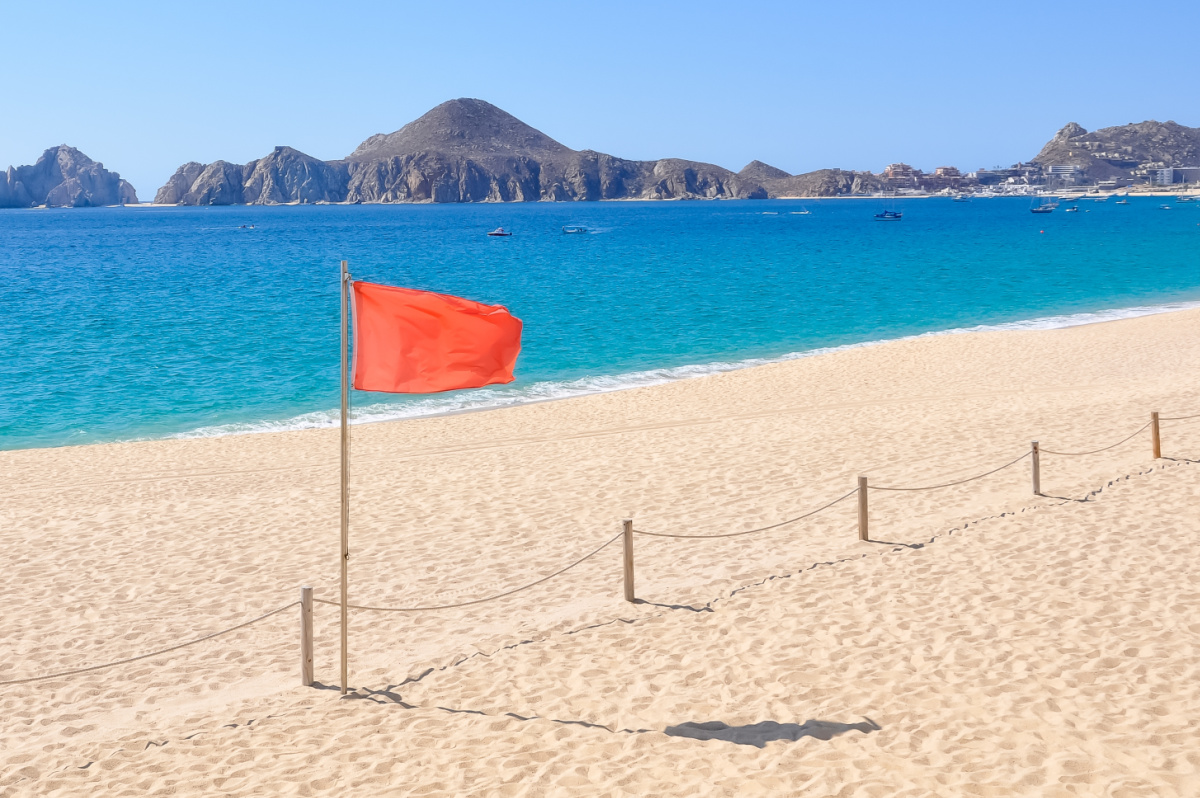
- 🟥 Red: Strong currents and high waves. It’s not an outright ban, but entering the water is strongly discouraged.
- ⬛ Black: Water is officially closed for swimming. At this point, stay on the sand—it’s unsafe and you could face fines.
A key thing to know: many visitors see red flags and still swim, but that’s when most rescues and tragedies happen. Earlier this summer, an American tourist drowned after entering the ocean under a black flag warning.
A crucial nuance: red is a warning, not a legal ban. But ignoring it can turn deadly.

The Calmest, Swimmable Pockets in Cabo
El Médano Beach
Right in downtown Cabo San Lucas, Médano forms a gentle arc inside the bay and is further buffered by Land’s End rock formations. Resorts rope off swim zones, and authorities just tightened jet-ski rules to keep the water calmer for bathers.
El Corsario Beach
Tucked beside the marina’s breakwater, Corsario enjoys minimal swell and usually posts green flags. Its soft sand and mellow depth make it popular with stand-up-paddle beginners and families.
La Hacienda Beach
Less famous but equally placid, La Hacienda sits between Médano and the private Pedregal headland. The same bay protection applies, and snorkelers often report glassy conditions early in the morning.
Honorable mentions: Chileno Bay and Santa Maria Bay, a short drive up Highway 1, are set inside rocky coves on the Sea of Cortez side and rank among Baja’s best all-ages swim spots.
Smart Ways to Stay Safe (And Still Get Your Saltwater Fix)
- Flag check first, selfie second – Snap the ocean, but scan the pole; colors change throughout the day.
- Early birds win calm water – Night breezes calm by sunrise, and wind-driven chop hasn’t built yet.
- Stay between the rope lines – Lifeguards position them where rip currents are weakest.
- Treat yellow like a yield sign – Stay no deeper than waist-high and keep kids in life vests.
- Respect lifeguard calls – They coordinate with Navy and Protección Civil during mar de fondo events.
Bottom Line
Cabo’s dramatic waves are part of its wild beauty, but they demand respect.
By understanding the science behind the swells and sticking to the handful of naturally protected beaches, you can soak up Baja’s signature turquoise without ending up in the rescue stats.
When in doubt, flag it out—and if it’s red or black, join us on the sand for a cold agua fresca while the Pacific puts on its show.
The Ultimate Cabo Trip Planner
When’s the best time to go? Our powerful month-by-month guide breaks down the weather, crowds, hotel rates, and whale watching seasons for your perfect trip.
Find Your Perfect Los Cabos Resort In Seconds
This simple, powerful tool was built by our on-the-ground experts to match you with the ideal resort for your specific budget and travel style.
Subscribe to our Latest Posts
Enter your email address to subscribe to The Cabo Sun’s latest breaking news affecting travelers, straight to your inbox.