
If you visited Medano Beach earlier this week, you might have noticed the water didn’t look like its usual crystal-clear turquoise. It probably looked more like chocolate milk.
The winter storm that hit the region last week brought significant rainfall, which washed debris and urban runoff down the arroyos and straight into the bay.
But authorities are moving fast to fix it.
According to a new report, ZOFEMAT (the federal agency in charge of the coastline) has deployed heavy machinery and testing crews to restore the beaches in Cabo San Lucas.
Here is what is happening on the ground and what you need to know before you swim.
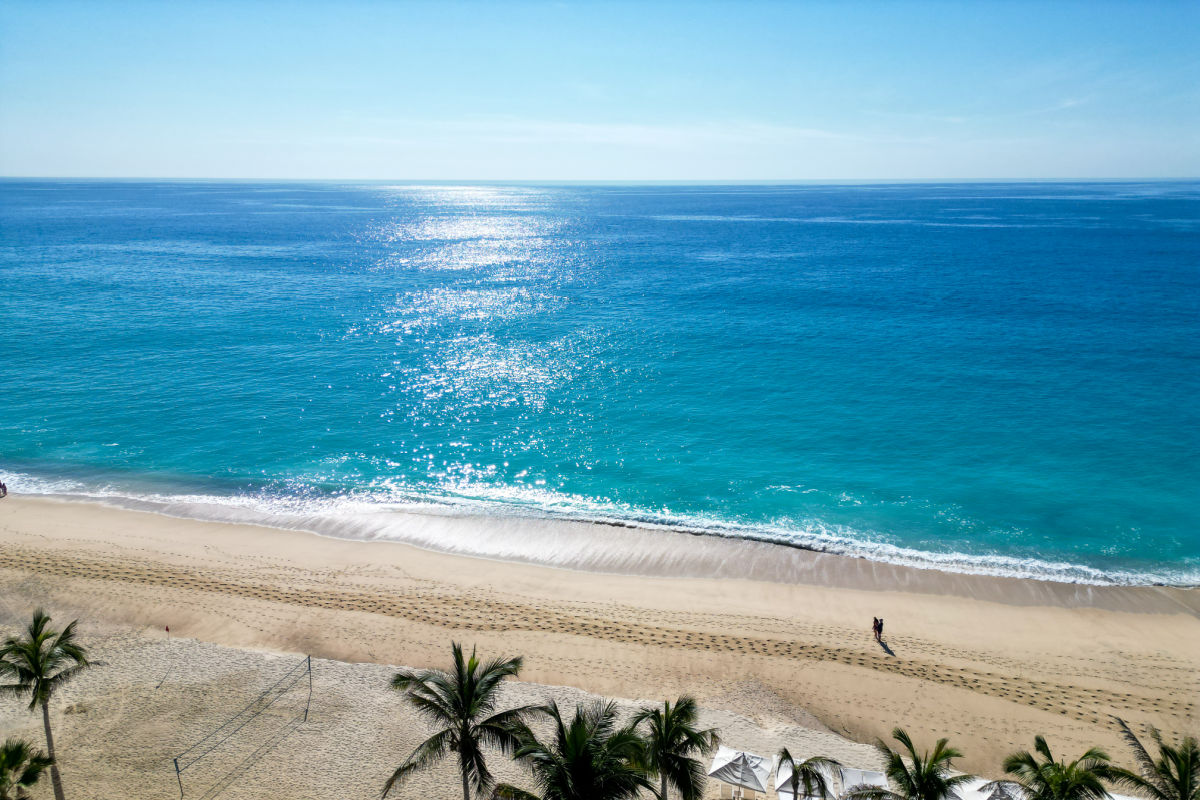
The Cleanup Operation
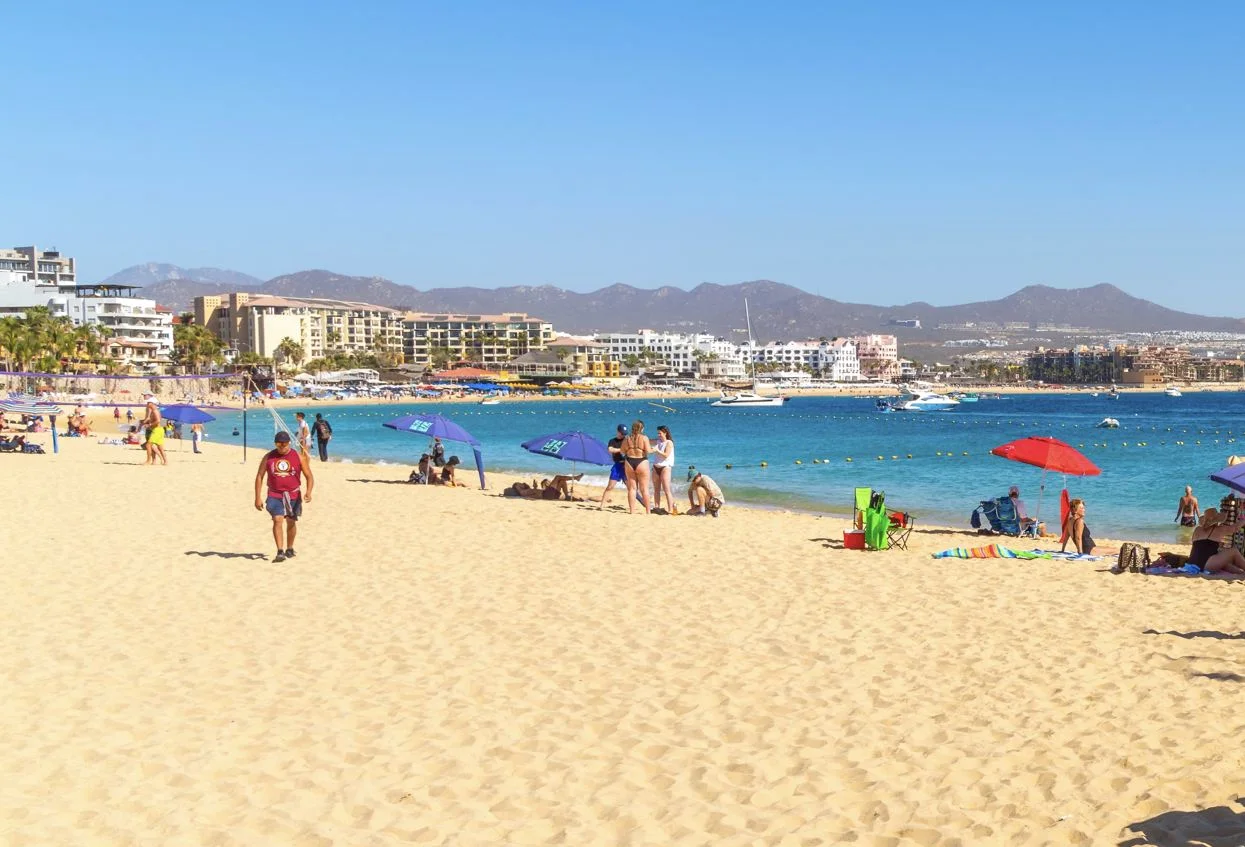
The rain caused “significant damage” to the most popular beaches in Cabo San Lucas, specifically El Médano, 8 Cascadas, and the Marina.
When it rains in Cabo, the water moves fast. Because the ground is dry, it doesn’t absorb the water; instead, it rushes down the dry riverbeds (arroyos), carrying urban debris with it.
- The Debris: The runoff brought solid waste—trash, branches, and plastic—from the city streets down to the tourist zone.
- The Response: Rafael Álvarez Munguía, the coordinator of ZOFEMAT, confirmed that crews are actively using heavy machinery to physically scrape the sand and remove the debris before it can be pulled back into the ocean by the tide.

The “Black Flag” & Water Testing
The bigger concern for tourists isn’t just the trash on the sand; it is what is in the water.
The report confirmed that sewage runoff mixed with the stormwater, leading authorities to fly Black Flags (total closure) at Médano and 8 Cascadas immediately following the storm.
- Daily Testing: To ensure safety, ZOFEMAT is currently conducting daily water sampling on all certified beaches. They are testing bacteria levels to verify that the water meets international safety standards.
- The Recovery: Munguía noted that the strong ocean currents in the Sea of Cortez are naturally cycling the water, diluting the contamination. However, the brown color persists due to the sediment washed down from the Salto Seco stream.
Medano Beach Recovery
Heavy machinery and water testing crews are deployed following the storm. Tap a card for the safety breakdown.
WATER CLARITY
Why It Looks Brown
TAP TO REVEALTHE CLEANUP
Heavy Machinery
TAP TO REVEALBLACK FLAGS
What They Mean
TAP TO REVEALSWIM ADVICE
Can You Go In?
TAP TO REVEALWhat To Expect Right Now
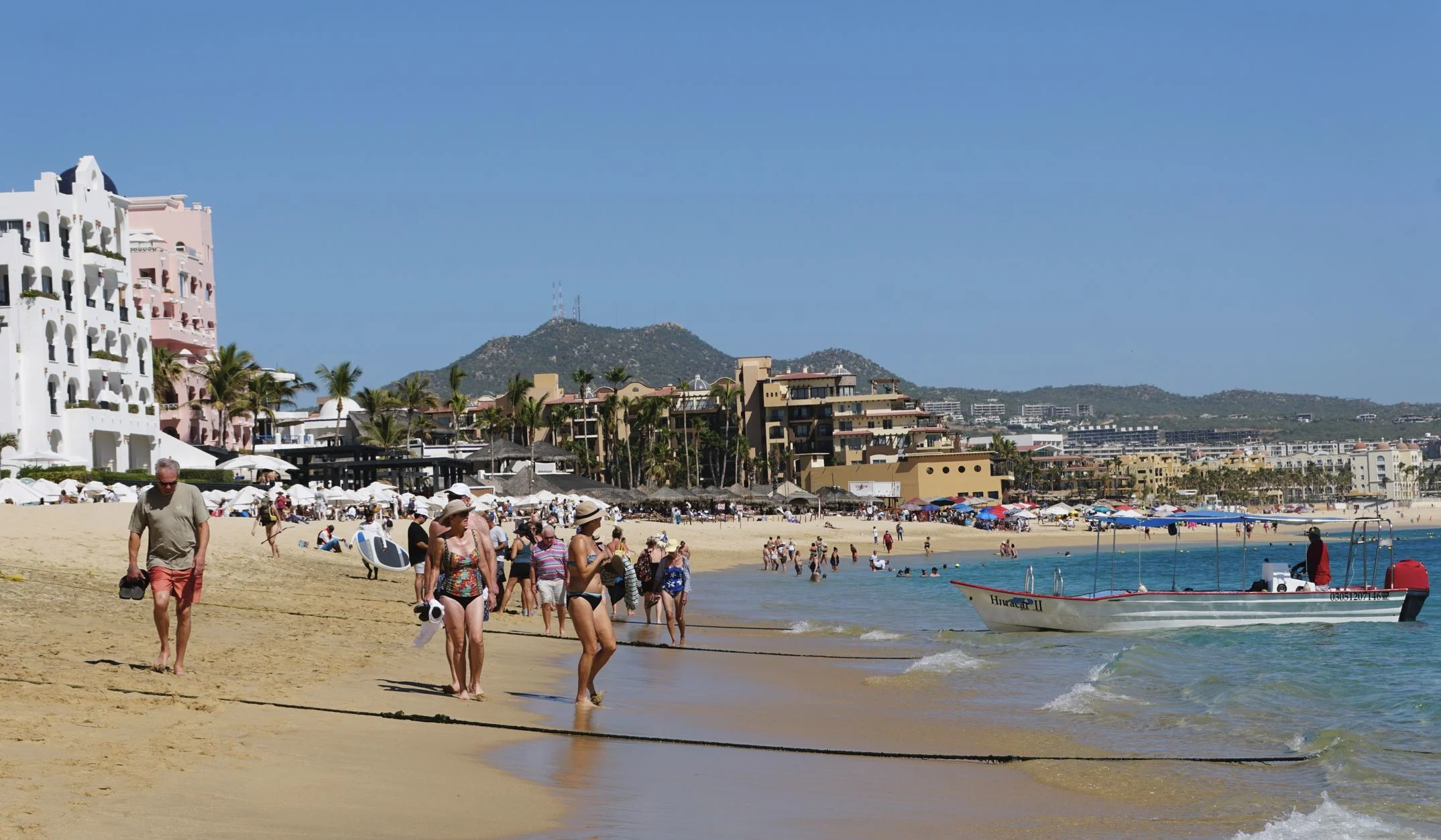
As of this week, the cleanup is ongoing. If you are heading to the beach, be aware of the following:
- Ponding: You may still encounter large puddles or “lagoons” of standing water on the sand in low-lying areas of Medano Beach.
- Discoloration: The ocean may still have a brownish tint for a few more days as the sediment settles.

The Bottom Line
The ocean is resilient, and the bay cleans itself quickly. However, you must respect the system.
If you see a Black or Red flag on the lifeguard tower, do not enter the water. It isn’t just about the waves; it is about your health. The daily testing is working, so wait for the Green or Yellow flag before taking a dip.
The Ultimate Cabo Trip Planner
When’s the best time to go? Our powerful month-by-month guide breaks down the weather, crowds, hotel rates, and whale watching seasons for your perfect trip.
Find Your Perfect Los Cabos Resort In Seconds
This simple, powerful tool was built by our on-the-ground experts to match you with the ideal resort for your specific budget and travel style.
Subscribe to our Latest Posts
Enter your email address to subscribe to The Cabo Sun’s latest breaking news affecting travelers, straight to your inbox.