
Seeing uniformed soldiers or National Guard officers walk past your lounge chair can be jarring — especially if you’ve just flown in from a U.S. or Canadian beach town where that’s not a thing.
But in Los Cabos, that sight is usually a sign of routine security and rescue operations, not an emergency unfolding around you. And most days, it actually means you’ve got extra eyes watching out for your safety, not fewer.
We at The Cabo Sun have been following these deployments closely, from the Navy’s summer “lifeguard” operation on local beaches to the waves of National Guard personnel assigned to tourist hotspots across Baja California Sur.
Here’s how to understand what you’re seeing — and why you really don’t need to panic.

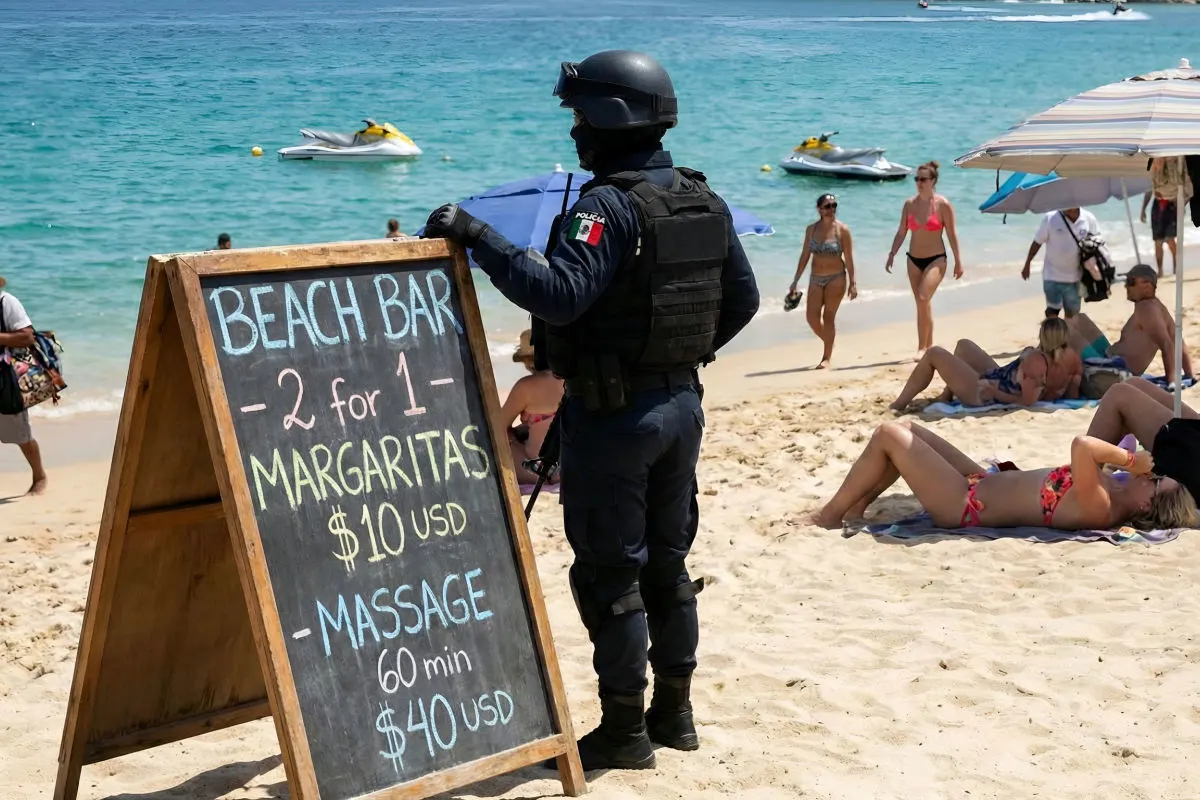
Why You’re Seeing Soldiers On The Sand
First important point: their presence is not random.
Over the last few years, federal and state authorities have made Los Cabos a priority for extra security and tourist support. That’s meant:
- Deploying more than 300 extra security personnel statewide — including Army and Navy units — with a focus on key tourist areas like Los Cabos after isolated crime incidents in 2025.
- Stationing at least 140 National Guard members to patrol major tourist sites around the destination and keep illicit activity away from visitors.
- Rolling out seasonal Navy operations on beaches (like the recent “Operación Salvavidas Verano 2025”), which put uniformed, sometimes armed, personnel on the sand specifically to handle strong currents, rescues, and medical emergencies.
In other words, if you’re on Médano Beach or strolling the Cabo San Lucas Marina and see soldiers in fatigues, it’s usually because those areas are busy, important to the local economy, and therefore get extra protection by design — especially during high season and holiday periods.
During a recent stay in the tourist corridor, a longtime resort staff member explained to us: “When guests ask why there are soldiers on the beach, we tell them, ‘If something goes wrong, you want the people with radios and training to already be here — not stuck in traffic across town.’”


What These Patrols Actually Do (And Don’t Do)
From our reporting and official briefings, the role of these troops falls into a few buckets:
- Deterrence and patrols – Walking the sand, marina boardwalks, hotel zones, and main streets so would-be troublemakers think twice.
- Crowd and traffic control – Helping keep things orderly on ultra-busy days like Christmas–New Year’s, Semana Santa, and big event weekends.
- Rescue and first response – On the beach, Navy personnel are specifically deployed to assist with riptides, boating incidents, and medical issues as part of coordinated lifeguard-style operations.
What they don’t typically do:
- They’re not there to hassle normal tourists taking photos, drinking a margarita, or buying a legal beach massage.
- They’re not a sign the area is “about to erupt” — in fact, Los Cabos continues to rank among Mexico’s safer large cities, and our own recent boots-on-the-ground safety walk around downtown & the marina found the vibe relaxed, with far fewer patrols than you see in more heavily militarized resort zones.
- Officials have even doubled down recently, publicly reassuring travelers that Los Cabos remains safe despite broader U.S. alerts and stepping up visible security tools like checkpoints and joint patrols to back that up.


How To Read The Situation: Our “3-Question Cabo Calm Check”
Here’s something you won’t find anywhere else — the quick mental checklist we use at The Cabo Sun when we’re out on the beaches ourselves:
1. Are people still swimming, eating, and tanning like normal?
If the vibe around you is business-as-usual — kids in the water, vendors making normal sales, waiters carrying tacos — you’re almost certainly looking at a routine patrol, not an unfolding crisis.
2. Are the soldiers walking slowly and scanning, or running and shouting?
Walking, chatting with each other, occasionally speaking with vendors or hotel staff = standard presence.
Jogging, calling people away from the shoreline, or motioning everyone to move = that’s when you follow directions first and ask questions later.


3. Is anyone making coordinated announcements?
Emergency loudspeaker messages, lifeguards whistling everyone out, or a line of vehicles clearing the street suggest a specific incident (for example, a strong surf warning or medical evacuation), not generalized danger to tourists.
If you answer “normal, slow, calm” to those questions, you can usually treat the soldiers as part of Cabo’s behind-the-scenes safety net — similar to seeing extra police at a big concert.
A guest we made friends with last year in Cabo proper told us, “The first time I saw a soldier on Médano with a rifle, I thought something was wrong. Ten minutes later, he was helping a kid who’d sliced his foot on a rock and flagging down a rescue truck. That totally changed how I see them.”
It really is true, too; every interaction we’ve had with soldiers (or lack of interaction) has been nothing but positive. They make us feel safer every time we see them.
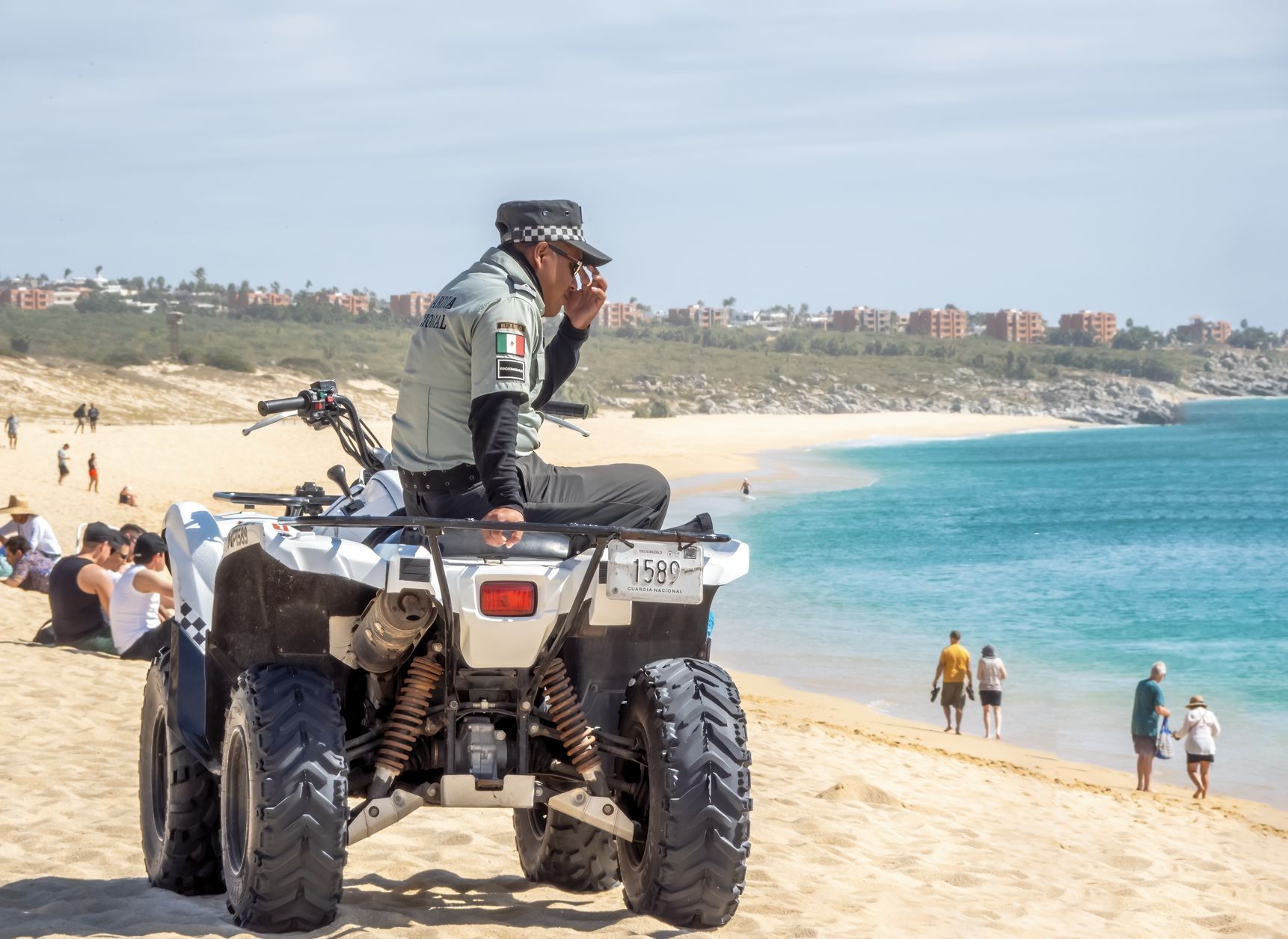
Where You’re Most Likely To See Patrols
You’ll notice more uniforms in higher-traffic areas where local authorities concentrate their resources:
- Médano Beach and the Cabo San Lucas Marina – Packed with water activities, vendors, and bars. This is where previous operations have focused on vendor rules and safety patrols, which we break down in detail in our guide to beach vendor rules this high season.
- Hotel zones and main tourist corridors – The strip between Cabo San Lucas and San José del Cabo, plus busy downtown streets, often sees patrol vehicles and occasional checkpoints — something local officials have been upfront about in their recent safety messaging.
- Family-friendly beaches with help points – Spots like Palmilla, La Playita, and other main bays sometimes have staffed “tourist help points” where you’ll see uniforms alongside volunteers and Civil Protection teams ready to answer questions or respond to incidents.
Prefer a quieter vibe with fewer patrols in your sightline? Use our interactive Cabo Trip Planner and Cabo Resort Finder to lean toward low-key Corridor resorts or East Cape hideaways, where the atmosphere is more “desert beach escape” than “busy city beach.”


Practical Tips So You Can Relax
A few simple habits go a long way toward staying comfortable when you do spot soldiers on the beach:
- Treat them like lifeguards with extra training. If you need help — lost child, medical issue, someone struggling in the waves — they are exactly the people you want to flag down.
- Follow instructions calmly. If a patrol or lifeguard waves you away from the water because of rip currents or jellyfish, take it seriously. The same Navy teams you see walking the sand are plugged into national rescue networks for a reason.
- Expect checkpoints on busy weeks. On highways and city entrances, you may encounter National Guard or local police stops, as we’ve explained in our coverage of official safety reassurances after the latest U.S. alert. Have IDs handy, be polite, and you’ll usually be waved through in under a minute.
- Remember the bigger picture. Our own two-day safety walk downtown and around the marina found that, despite occasional troop deployments, Los Cabos relies more on plain-clothes tourism police and private resort security than on constant heavy military presence — and visitor surveys continue to rate the destination as feeling safe overall.
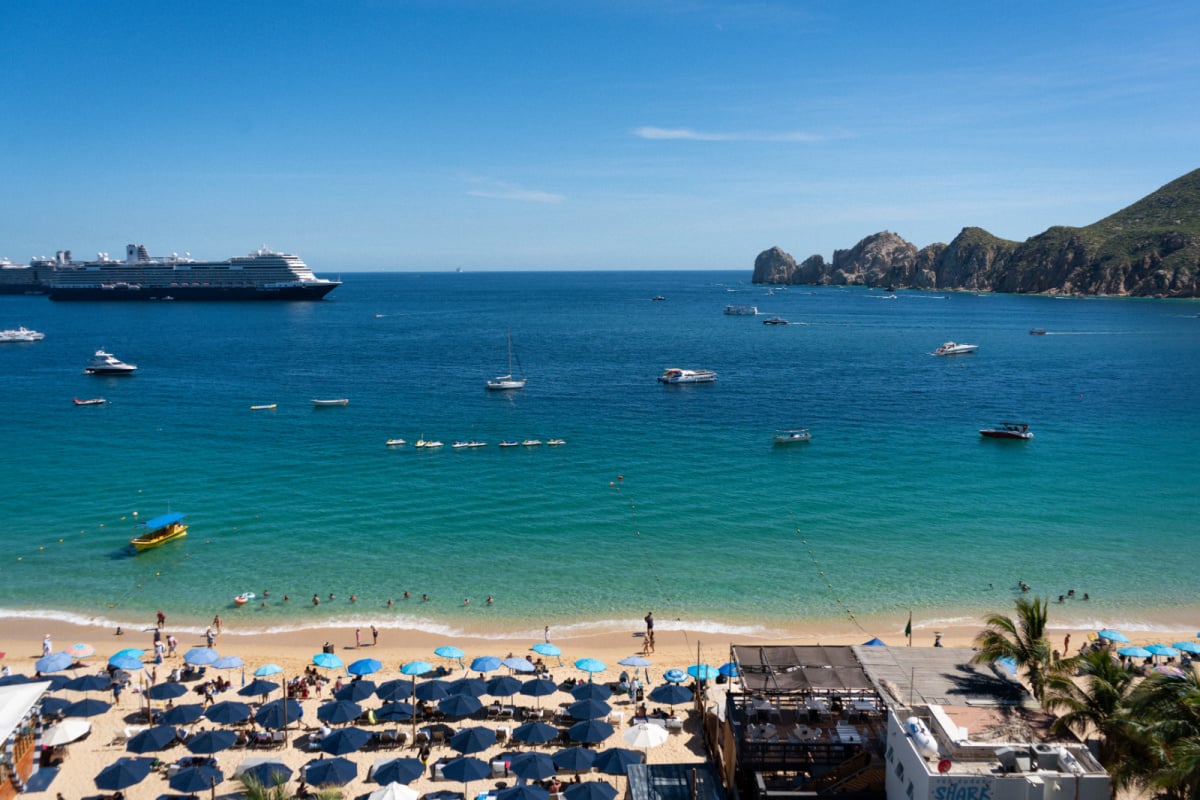
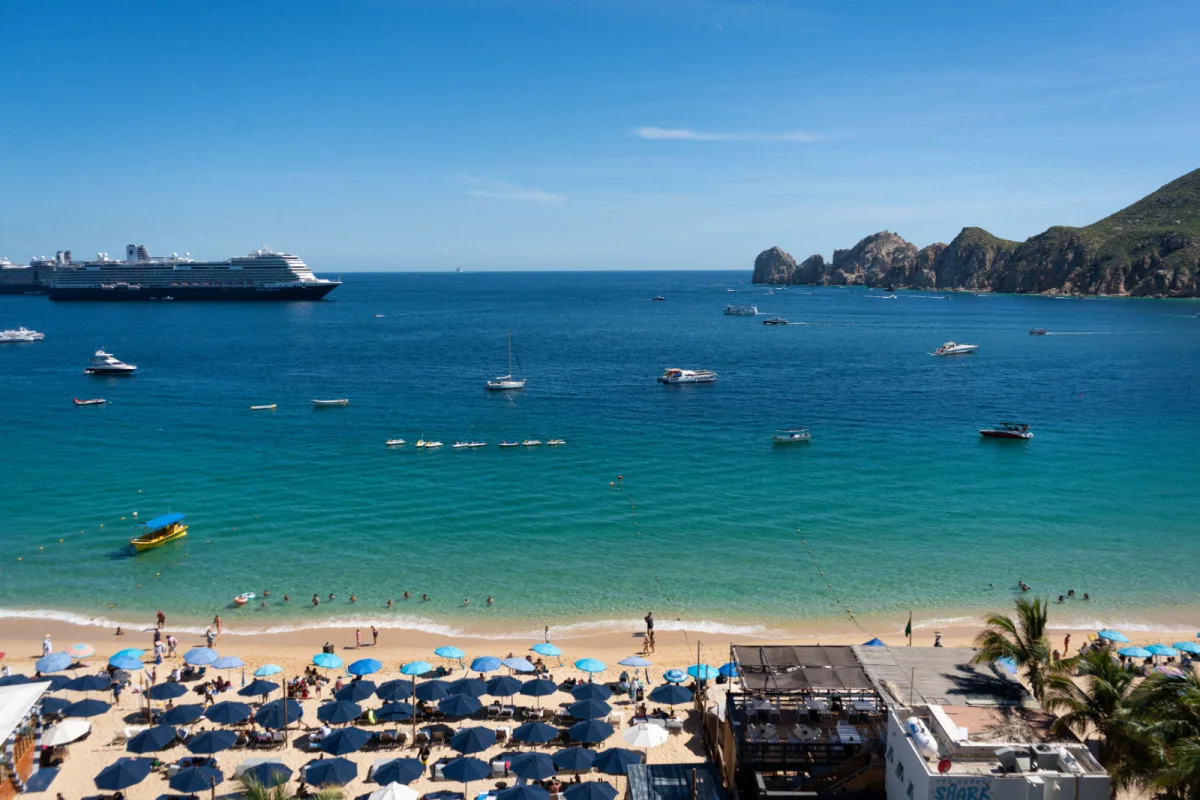
Put simply: seeing soldiers on the beach in Cabo is usually a feature, not a bug.
They’re part of a layered system that also includes tourist help points, vendor inspections, plain-clothes tourism police, and resort security — all working together so your biggest decision of the day can stay “pool or beach?” instead of “is it safe to go outside?”
And as always, we at The Cabo Sun will keep walking the sand, watching the patrols, and talking to local officials so you can keep focusing on sunsets, tacos, and which swimsuit to pack for your next Cabo escape.
The Ultimate Cabo Trip Planner
When’s the best time to go? Our powerful month-by-month guide breaks down the weather, crowds, hotel rates, and whale watching seasons for your perfect trip.
Find Your Perfect Los Cabos Resort In Seconds
This simple, powerful tool was built by our on-the-ground experts to match you with the ideal resort for your specific budget and travel style.
Subscribe to our Latest Posts
Enter your email address to subscribe to The Cabo Sun’s latest breaking news affecting travelers, straight to your inbox.