
We at The Cabo Sun are hearing what a lot of you are already seeing in your feeds and flight alerts: high season is about to be big.
Local hotel leaders are projecting roughly 75% average occupancy for November and December, with Thanksgiving and New Year’s week pushing well above that—and average nightly rates hovering around $500. In other words, it’s peak Cabo: busy, buzzy, and pricier than shoulder season.
So what does a $500 average mean for your trip planning—and where can you still find value without sacrificing that Cabo magic? Here’s the game plan.

What the numbers really say
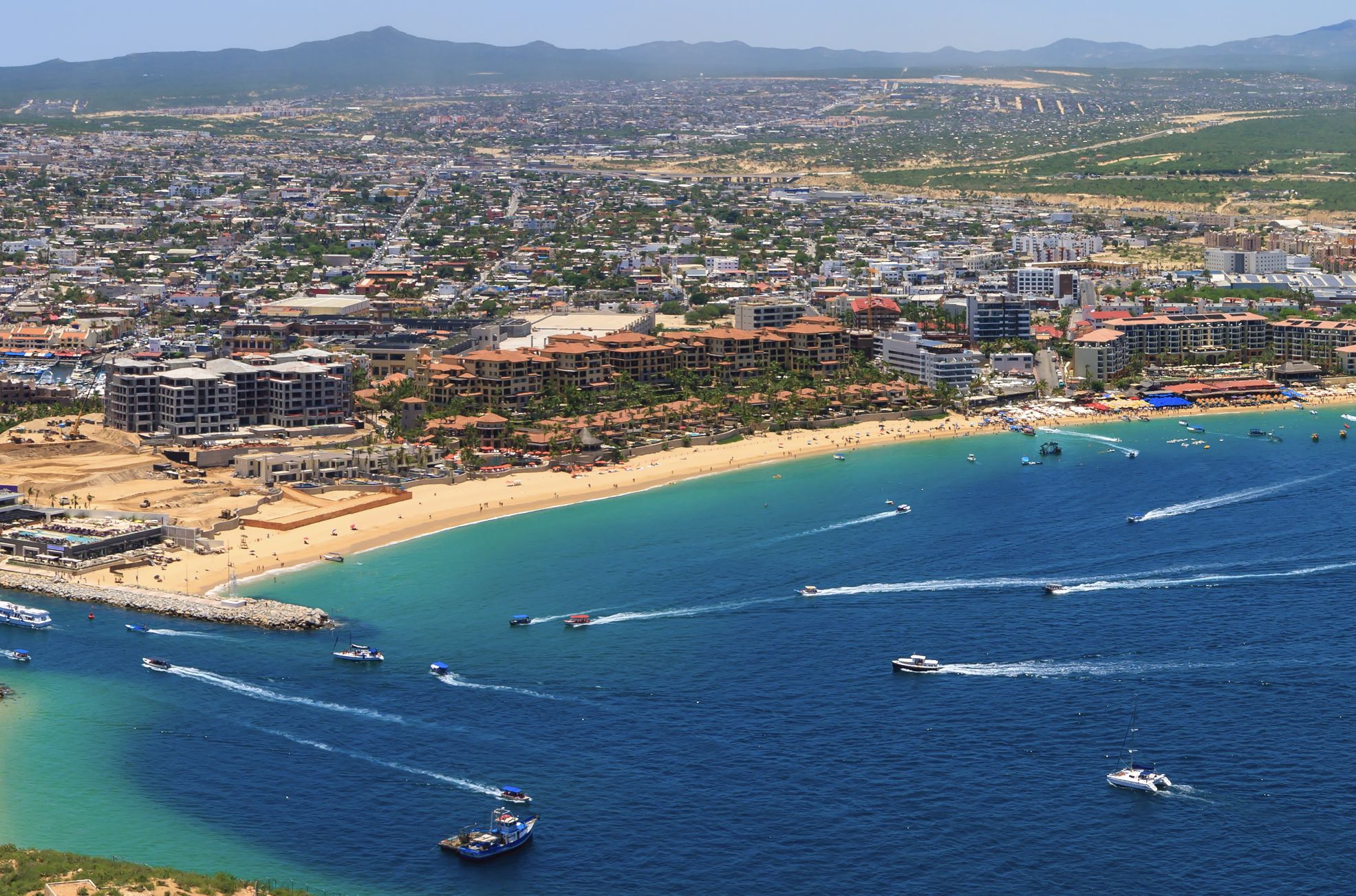
The Los Cabos Hotel Association is preparing for a classic high-season surge: steady 70s occupancy most days, then sharp spikes for the holiday weeks. When inventory tightens, prices rise, and the $500 average rate reflects that premium positioning.
That doesn’t mean every hotel is $500 a night—some are more, some less—but it is a realistic midpoint travelers should budget around for late November through early January.

How to score value in a $500 market
Book the gaps, not just the holidays. If your dates are flexible, target the weekdays between Thanksgiving and Christmas, or the first week of December, before office parties wrap and family trips spin up. Booking slightly off-peak in a peak window is one of the easiest ways to drop nightly rates.
Go all-inclusive if you’re prone to add-ons. If you love pool days, room service, and staying on property, an all-inclusive can control spend when à-la-carte food and beverage add up fast during high season. We’ve broken down why this strategy helps travelers dodge sticker shock during winter demand.
Consider points and mid-week stays. Award availability can be surprisingly good for Sun–Wed nights when weekend wedding groups drive rates. Mixing cash and points for a split stay (two properties, mid-trip move) can also keep the cabo-good vibes without cabo-big bills.
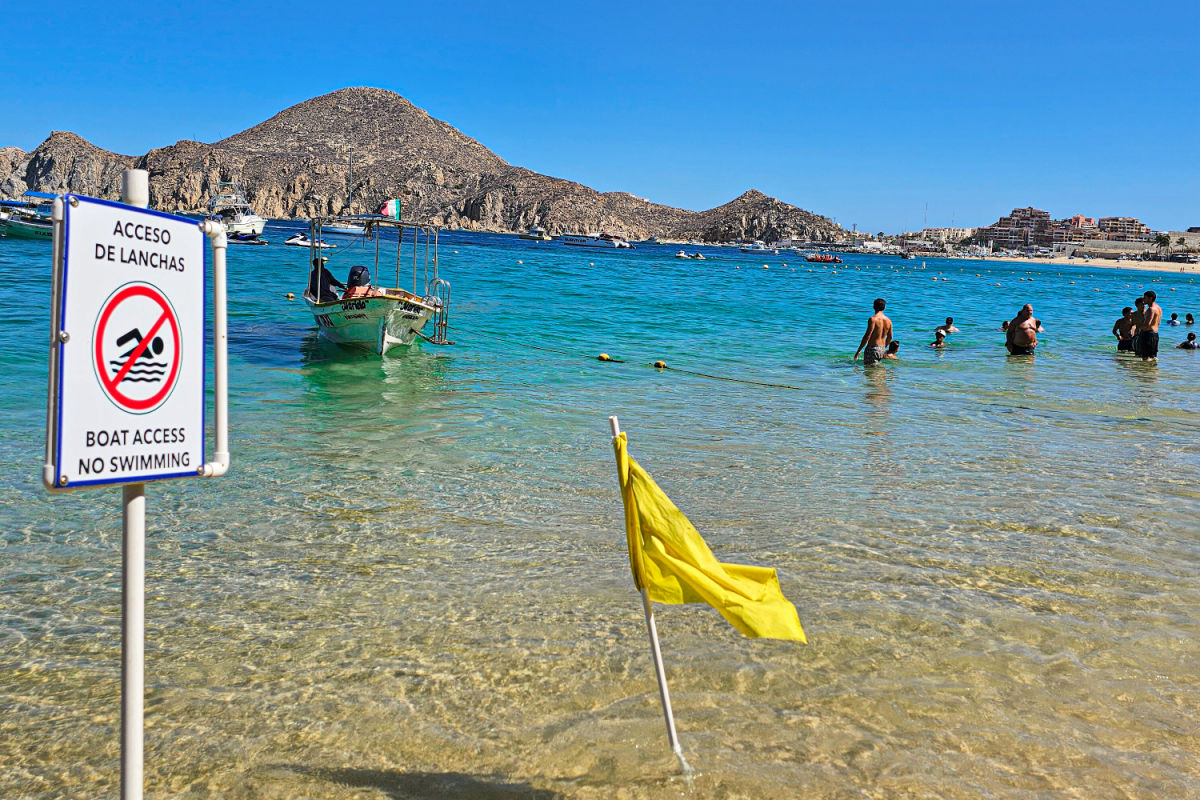
Pick the right beach for your plans. If ocean time is non-negotiable, prioritize the swimmable Sea of Cortez bays (Chileno, Santa María, Palmilla) and keep an eye on the daily flag colors. Our recent beach status guide explains what yellow flags mean—and which popular beaches are open with caution right now.
Safety and seasonality reminders (that save money, too)
Cabo’s Pacific hurricane season officially winds down at the end of November, but late-season disturbances can still ripple into early high season with surf, currents, or temporary restrictions. We always tell readers to follow the beach flags and lifeguard instructions—yellow means extra caution, red means stay out, and black means closed. Knowing the colors helps you plan activities (and avoid last-minute tour cancellations).
If your dates brush up against storm season or you’re booking far in advance, look at trip insurance that covers weather-related delays and interruptions. It won’t change the weather, but it can keep a delay from becoming a very expensive extra two nights. We’ve laid out what to look for in Cabo-specific coverage in our plain-English guide.


Budget for the “Cabo extras”
High season also means more activity on the sand. Most vendors are licensed and follow the rules—but there’s been an official crackdown on unlicensed sellers lately, and travelers should know how to spot the difference.
Look for uniforms and a visible ID with a scannable QR code; if something feels off, a polite “no, gracias” goes a long way. We put together a quick visual checklist to help you shop safely and confidently.
Bottom line: book smart, not scared
A $500 average rate signals that Los Cabos remains one of Mexico’s most in-demand beach destinations for the holidays. If you’re dreaming of whales breaching at sunrise, tacos al pastor at sunset, and that perfect Sea of Cortez swim, you can absolutely do it without overspending—as long as you plan like a pro:
- Lock in flights and hotels early; use 24-hour fare holds and free-cancellation windows to your advantage.
- Target mid-weeks and non-holiday pockets in late Nov/early Dec.
- Use our beach-flag safety guides to choose the right bay on the right day.
- If your dates are near storm season, consider the right insurance so a delay doesn’t derail your budget.
- On the sand, buy from licensed vendors (uniform + badge + QR).
We’ll keep tracking occupancy and rates across the season and updating you when deals pop up or conditions change. For now, if Cabo is calling for the holidays, the takeaway is simple: book smart, choose your beach wisely, and you’ll still get top-shelf Cabo without the shock-sticker bill.
The Ultimate Cabo Trip Planner
When’s the best time to go? Our powerful month-by-month guide breaks down the weather, crowds, hotel rates, and whale watching seasons for your perfect trip.
Find Your Perfect Los Cabos Resort In Seconds
This simple, powerful tool was built by our on-the-ground experts to match you with the ideal resort for your specific budget and travel style.
Subscribe to our Latest Posts
Enter your email address to subscribe to The Cabo Sun’s latest breaking news affecting travelers, straight to your inbox.