
If you’re heading down between now and November, we at The Cabo Sun have a little insider tip: fall in Los Cabos is quietly one of the most magical times to be outside. Beyond pool days and tacos, the desert and sea kick off a show most travelers never see—because they don’t know where (or when) to look.
Here are 3 natural spectacles you can actually plan for this season, plus quick tips to witness them responsibly.
1) Sunset sea-turtle hatchings on our beaches 🐢
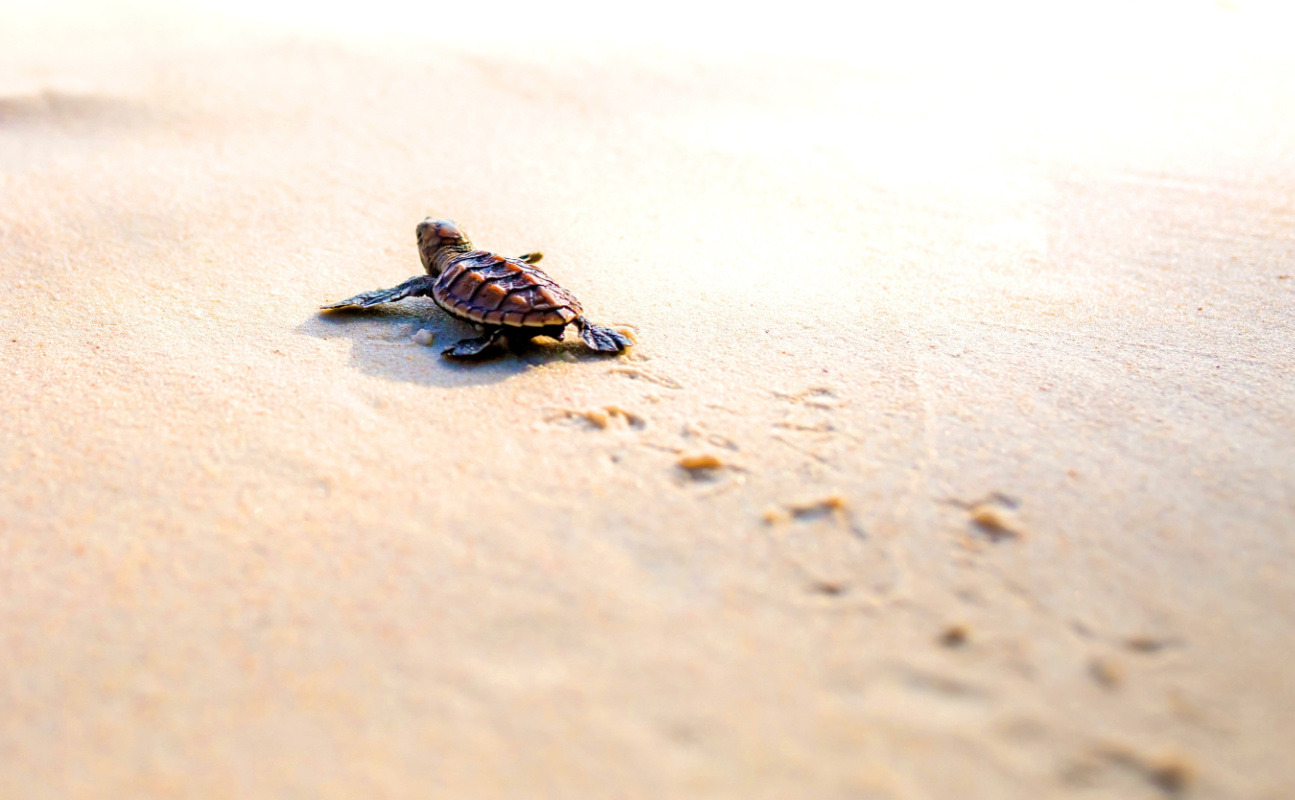
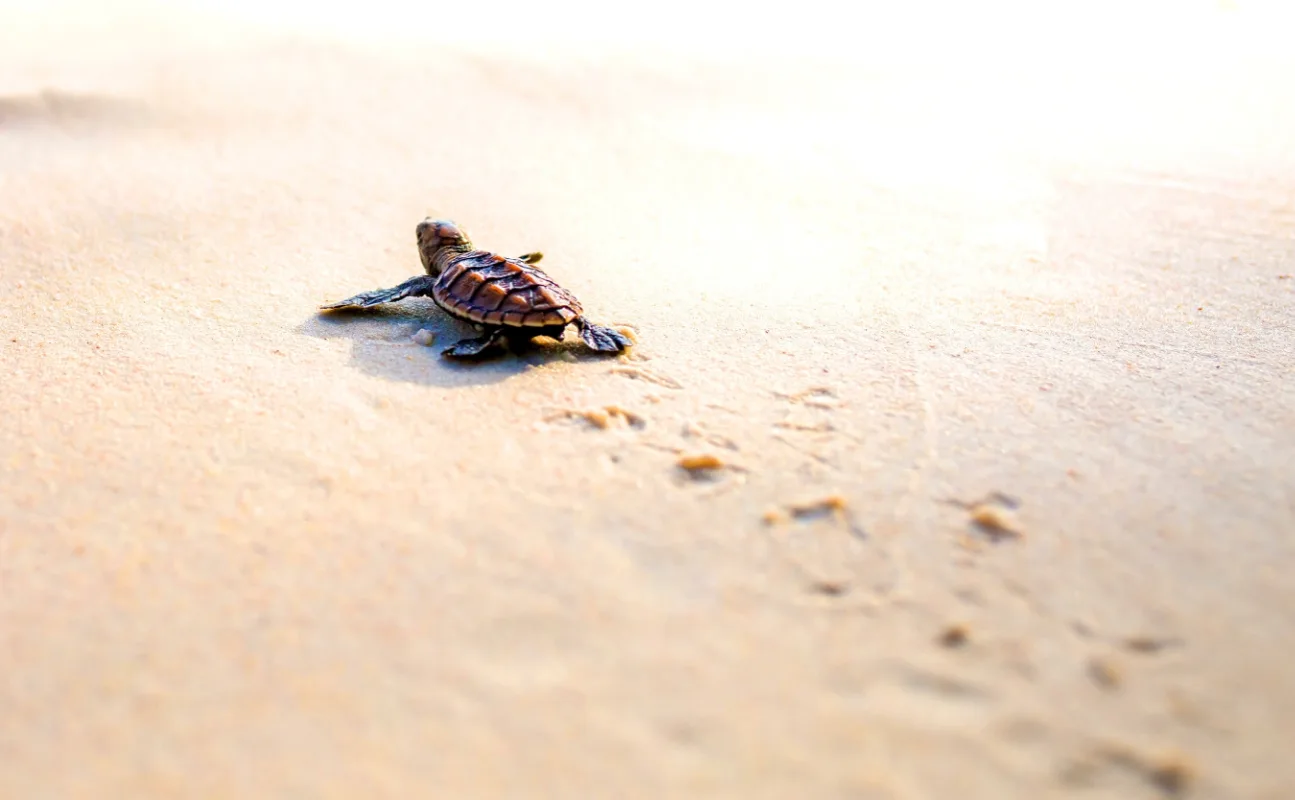
Fall aligns with the peak of turtle season, when tiny hatchlings erupt from nests and wobble toward the surf at dusk. It’s emotional, it’s photogenic, and—done correctly—it actively helps conservation.
Several local resorts run government-approved, supervised releases open to guests, including programs we’ve covered at Hilton Los Cabos, Waldorf Astoria Pedregal, Pueblo Bonito Pacifica/Sunset Beach, and Viceroy Los Cabos. If a release pops the day you’re here, the concierge will usually blast a property-wide alert so you can join.
Read our guide to where and how to participate responsibly, and brush up on simple beach-lighting rules (no flash, no fires) that keep hatchlings from getting disoriented.
How to see it: Keep one evening flexible. Ask your hotel about their turtle program at check-in, or swing by the front desk after lunch to see if a nest is “breaking” that day. Releases often happen around golden hour—bring a red-light setting if your phone has it.
2) A flyway in motion: fall bird migration (and a new feather in Cabo’s cap) 🐦
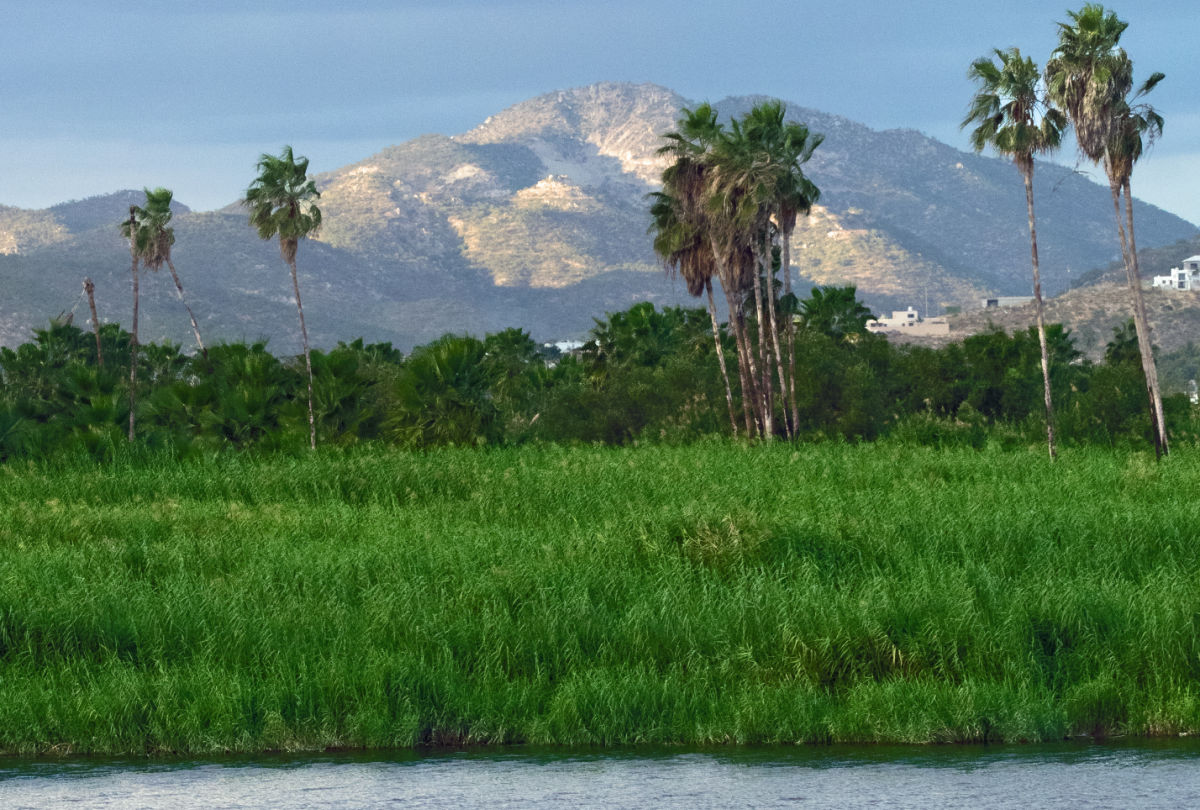
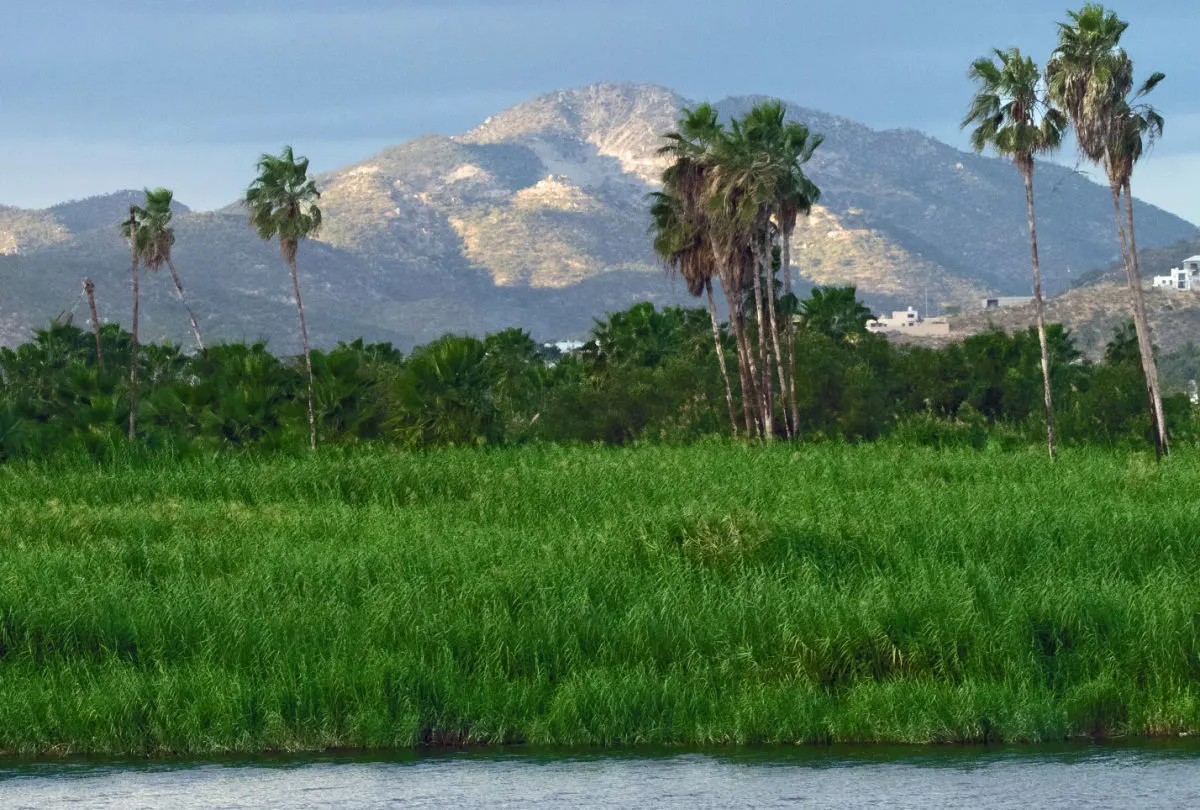
Los Cabos sits along critical routes for shorebirds and desert species, and fall migration brings a surge of life to wetlands, arroyos, and the Sierra foothills.
This year there’s extra reason to look up: Los Cabos has just been recognized internationally as a Bird City—only the second municipality in Mexico to earn the designation—thanks to community-wide efforts to protect habitats. Local authorities are marking the milestone with a new International Bird Festival (Sept 25–27), making fall a perfect window to pair your beach time with an early-morning bird walk. Pack binoculars—herons, ospreys, warblers, and hummingbirds are frequent headliners.
How to see it: Start at dawn around San José’s estuary or any of the calmer arroyos after rains. If you want an easy primer before you go, skim our sustainability-minded traveler roundups; they’ll point you toward guided options and bird-rich, Blue Flag-managed beaches.


3) The “Aquarium of the World”: Cabo Pulmo National Park 🐠
Two hours up the East Cape, Cabo Pulmo protects one of the only coral reef systems in the entire Gulf of California—and the northernmost coral reef in the eastern Pacific.
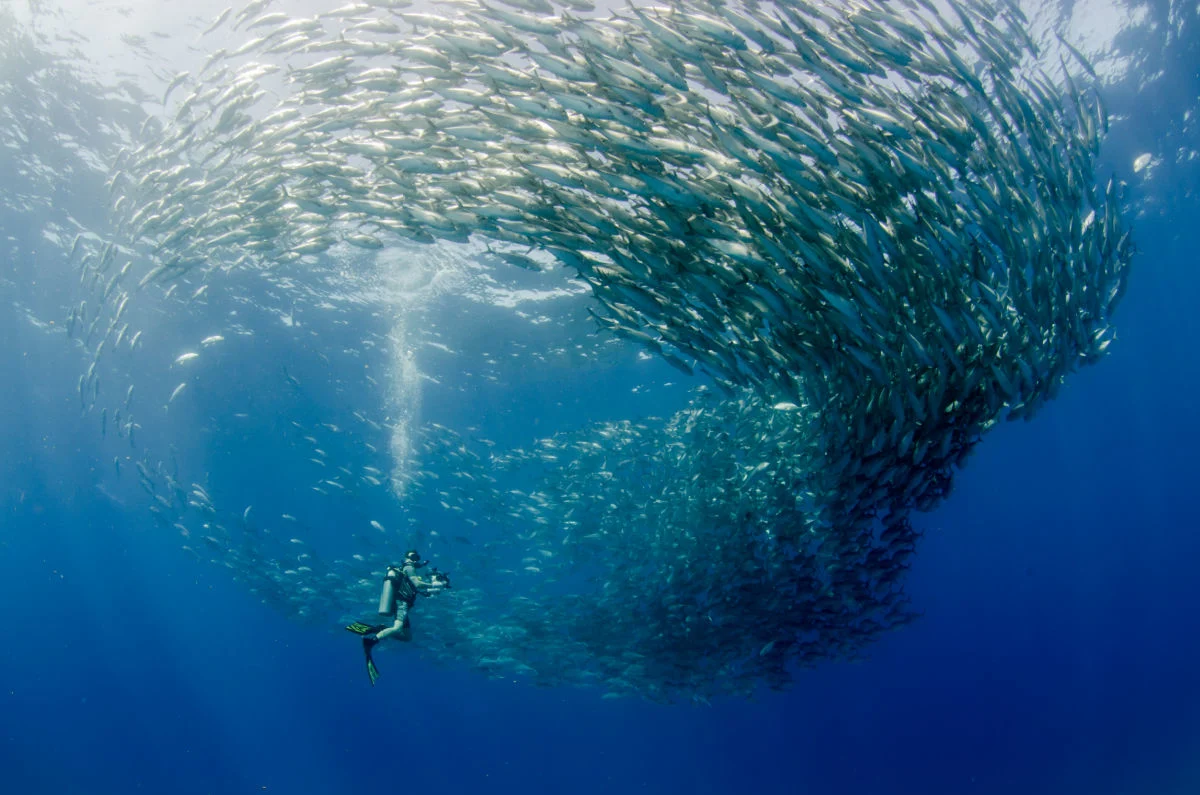
This living reef is why Jacques Cousteau famously nicknamed the Sea of Cortez the “Aquarium of the World,” and fall (September–November) is prime time: warm water, excellent visibility that can reach ~100 feet, and teeming marine life—from swirling jack tornadoes to sea turtles. If you’ve been meaning to trade the pool for a once-in-a-lifetime snorkel or dive, this is the place.
We’ve covered why fall is the sweet spot for Pulmo—fewer crowds than winter whale season, yet that glorious clear water—and even rounded up easy ways to pair it with a mellow East Cape day. Start in the tiny village (cash only), check in with a licensed local operator, and let certified guides match you to conditions.


How to see it:
- Book regulated boats/guides only and follow CONANP park rules (no touching coral or wildlife; stay in assigned zones; wear a buoyancy aid when required). Operators will handle your park bracelet/permit. Rash guards beat sunscreen—many reefs restrict lotions altogether.
- Go mornings in fall for calmer seas and brighter viz; afternoons can chop up. If seas kick up, your captain may move you to a more protected site. We’ve highlighted why Pulmo is a smart shoulder-season play in our recent fall features, too.
- Plan the drive: it’s partly paved/partly graded depending on your route. A compact SUV helps; bring cash for simple eateries in the village and your park wristband. (Signal is spotty, though public Wi-Fi has been rolling out in the area.)
If you add just one big nature experience to your fall itinerary, make it Pulmo—Los Cabos’ underwater crown jewel and an easy day trip that most tourists skip.

Quick etiquette & safety (so nature keeps showing up)
- Lights out for turtles: No flash, lasers, or bonfires—artificial light can fatally disorient hatchlings. Stick behind roped lines and follow staff instructions. We’ve reported on seasonal beach-rule crackdowns that explain why this matters.
- Book regulated wildlife tours only: If you add marine activities to your fall list, choose licensed operators and skip anything unregulated or unsafe (we’ve called this out when it pops up).
- Desert sense: Bring more water than you think, wear proper footwear, and don’t drive dirt roads during or immediately after heavy rain.
Fall may be “shoulder season” on paper, but outside, Los Cabos is in full performance mode. Line up one turtle evening, one dawn bird session, and one desert-oasis day trip—and you’ll go home with a version of Cabo most travelers never see.
The Ultimate Cabo Trip Planner
When’s the best time to go? Our powerful month-by-month guide breaks down the weather, crowds, hotel rates, and whale watching seasons for your perfect trip.
Find Your Perfect Los Cabos Resort In Seconds
This simple, powerful tool was built by our on-the-ground experts to match you with the ideal resort for your specific budget and travel style.
Subscribe to our Latest Posts
Enter your email address to subscribe to The Cabo Sun’s latest breaking news affecting travelers, straight to your inbox.