
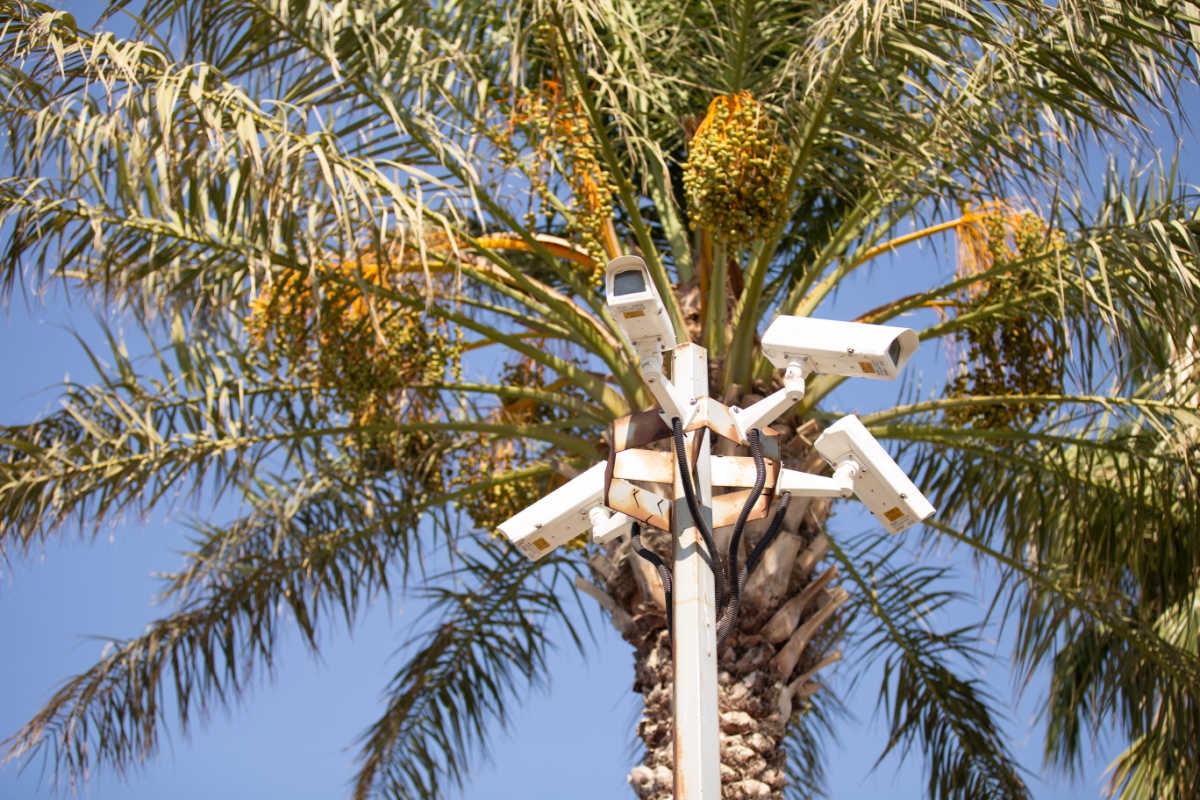
If you’ve been spending more time off-resort lately (hello, taco runs and sunset strolls), here’s a practical update to have on your radar: enhanced video surveillance is expected to roll out across key tourist zones in Cabo San Lucas and San José del Cabo in 2026.
We at The Cabo Sun have been tracking the wider safety push across Los Cabos, and this is one more piece of the “make busy areas feel easier and more secure” strategy that travelers will actually notice on the ground.

What’s being planned (and where)
According to reporting from local outlets, business leaders with the Consejo Coordinador de Los Cabos are pushing for stronger security strategies that also improve the perception of safety, which they say has risen over the last year.
The biggest tourist-facing takeaways:
- El Médano + central Cabo San Lucas: A camera system that’s been in the works for years is expected to be concluded in 2026, including coverage for the El Médano area and central Cabo San Lucas, plus other tourist points.
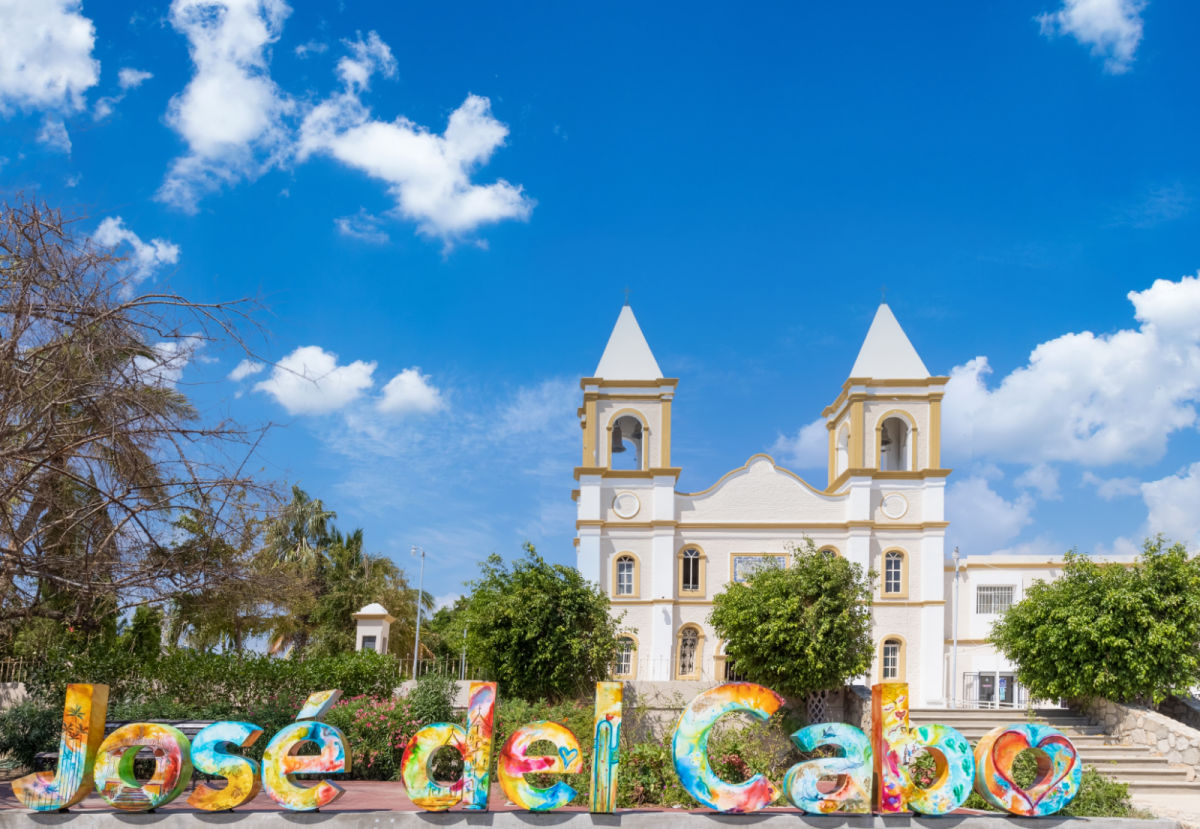
- Downtown San José del Cabo: There’s also a “strong” surveillance program being discussed for San José’s downtown, specifically mentioning the historic center and tourist zones.
- Upgrades to the municipal C2 (command and control center): The plan also includes strengthening the local C2 with more technology, which matters because that’s the hub where monitoring and response coordination typically happens.
If you’ve read our breakdown on Los Cabos permanently increasing security to protect tourists, this fits right into that same theme: more permanent presence, more technology, and more coordination in the places visitors spend time.

What tourists will actually notice
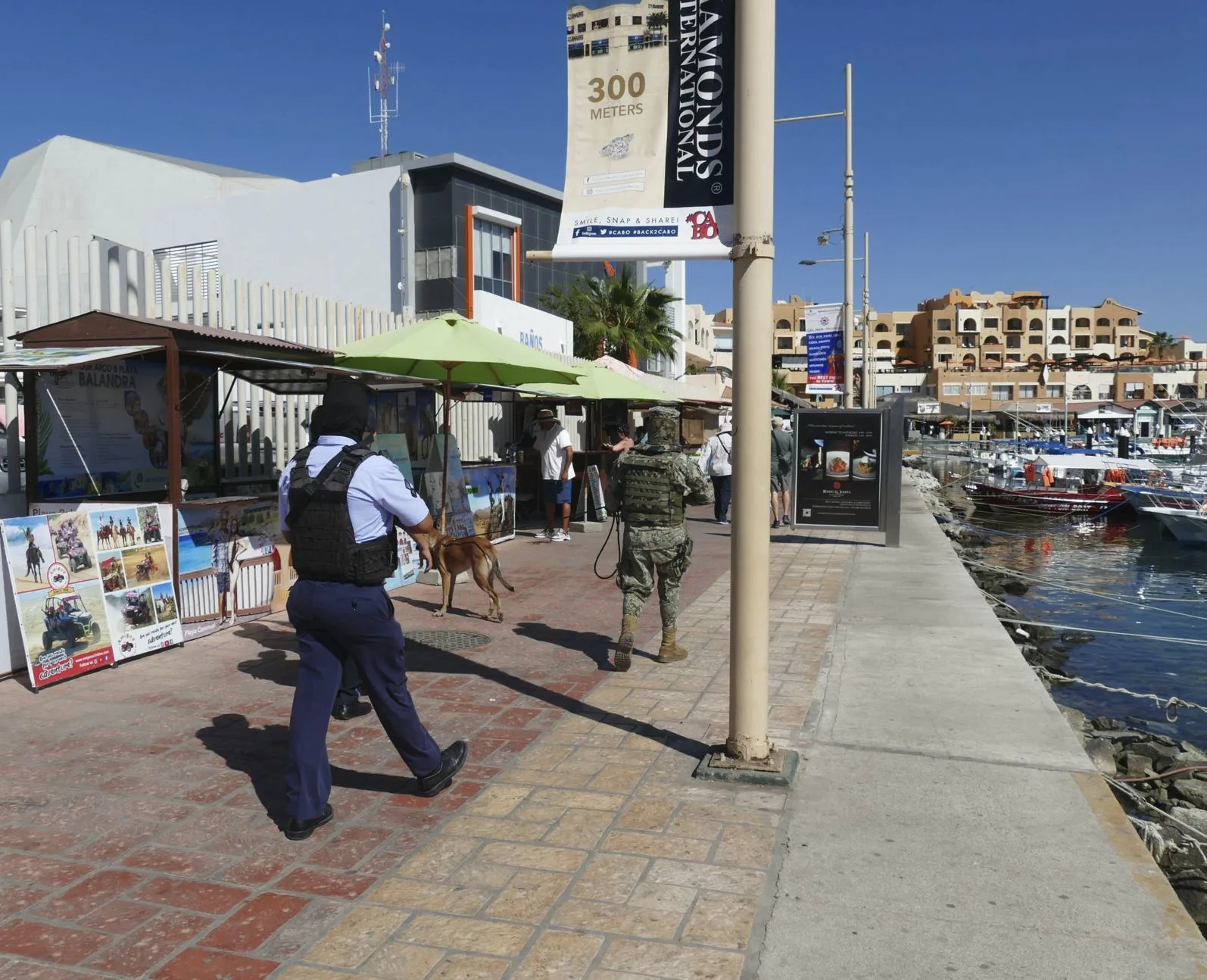
This kind of upgrade usually doesn’t feel dramatic day-to-day. For most travelers, it shows up as small, visible changes:
- More cameras in high-traffic public areas (think: main pedestrian routes, busy intersections, tourist corridors, and popular gathering spots).
- More “eyes on” during peak times when downtowns are busiest, especially evenings and weekends. (If you’re traveling in the holiday rush window, you’ll already see layered operations happening.)
- A faster, more coordinated response when something goes sideways, since a stronger monitoring hub can help dispatch the right team quicker.
And just to keep the vibe grounded: no one is saying this magically removes all risk. But it can help with deterrence, evidence, and response in the exact places tourists care about most.


“Does this affect privacy?” The simple answer
In Mexico (and specifically in Baja California Sur), video surveillance systems are governed by a legal framework that regulates where cameras can be installed, how systems operate, and how captured images/sound are handled, including use by security institutions.
📹 Cabo Surveillance Upgrade 2026
New cameras are rolling out in the busiest tourist zones. Tap a card to see where they are and what it means for you.
Where are they?
Tap to Reveal ↻Key Tourist Areas
- El Médano: The main beach area.
- Cabo San Lucas: Central downtown streets.
- San José: The Historic Center.
The C2 Upgrade
Tap to Reveal ↻Faster Response
The Plan: Authorities are upgrading the municipal “Command and Control” (C2) center to coordinate emergency response faster.
Will I notice?
Tap to Reveal ↻Visible Security
You will see more cameras in public plazas and intersections. It helps busy areas feel more structured and monitored.
Best Practices
Tap to Reveal ↻Stay Street Smart
- At Night: Stick to well-lit, busy routes.
- Transport: Use official taxis/rideshares.
- Privacy: Keep personal docs secured.

Practically speaking as a visitor: this is about public spaces (streets, plazas, tourist zones). Your best move is to treat it the way you would in any major destination: assume busy public areas may be monitored, and keep your personal stuff (passport photos, sensitive documents, etc.) secured like you normally would.
Smart “tourist mode” tips for downtown Cabo + San José
Even with extra surveillance, your trip stays smoother if you do a few basics:
- Choose your routes intentionally at night. Stick to well-lit, busy streets when walking back from dinner or bars, especially if you’re not familiar with the area.
- Use official transportation habits. If you’re bouncing between the Marina, Médano, and downtown, keep your rides simple and legit. Our guide on what to do if you are stopped by the police in Los Cabos is worth skimming before you drive.
- Build a tiny buffer into your plans. More safety operations can also mean more traffic pinch points at certain hours. If you’re heading out, especially during peak season, our piece on planning extra time for airport transfers has the same “be early, stay chill” logic that applies around town too.
- Know what’s “normal” for the season. During the holiday period, Los Cabos runs an annual multi-agency push with extra personnel and support units. Here’s our explainer on Los Cabos deploying over 1,700 security personnel so the extra visibility doesn’t catch you off guard.


Bottom line
If you’re visiting in 2026, you may see more camera infrastructure and monitoring in the exact places you’re most likely to explore: El Médano, central Cabo San Lucas, and the historic/tourist zones of San José del Cabo, alongside broader efforts to strengthen how the municipality coordinates safety response.
For travelers, that usually translates to one thing: downtown feels a little more structured, a little more monitored, and a little easier to enjoy with confidence.
The Ultimate Cabo Trip Planner
When’s the best time to go? Our powerful month-by-month guide breaks down the weather, crowds, hotel rates, and whale watching seasons for your perfect trip.
Find Your Perfect Los Cabos Resort In Seconds
This simple, powerful tool was built by our on-the-ground experts to match you with the ideal resort for your specific budget and travel style.
Subscribe to our Latest Posts
Enter your email address to subscribe to The Cabo Sun’s latest breaking news affecting travelers, straight to your inbox.