
If you’re flying into Los Cabos right now, don’t be surprised if your first “welcome to paradise” moment includes a little more law enforcement visibility than you remember.
We at The Cabo Sun have been tracking a steady push from local authorities to keep the destination feeling safe and running smoothly during peak travel periods, and the latest update is pretty straightforward: more permanent patrols, more checkpoints, and more surveillance tech (including drone training) across the municipality.
Here’s what that actually means for you on the ground.


What’s being added (in plain English)
According to local reporting, Los Cabos officials say they’re maintaining ongoing strategic operations in coordination with agencies across municipal, state, and federal levels. The idea is to prevent crime, respond faster, and keep public spaces orderly.
They also highlighted specific prevention-focused programs like Safe Streets, Safe Quadrant, and Safe Schools, which are meant to increase coverage in priority areas and emphasize community-style policing.

What travelers will notice most
This is the “real life” version of those announcements:
1) A more visible patrol presence in busy zones
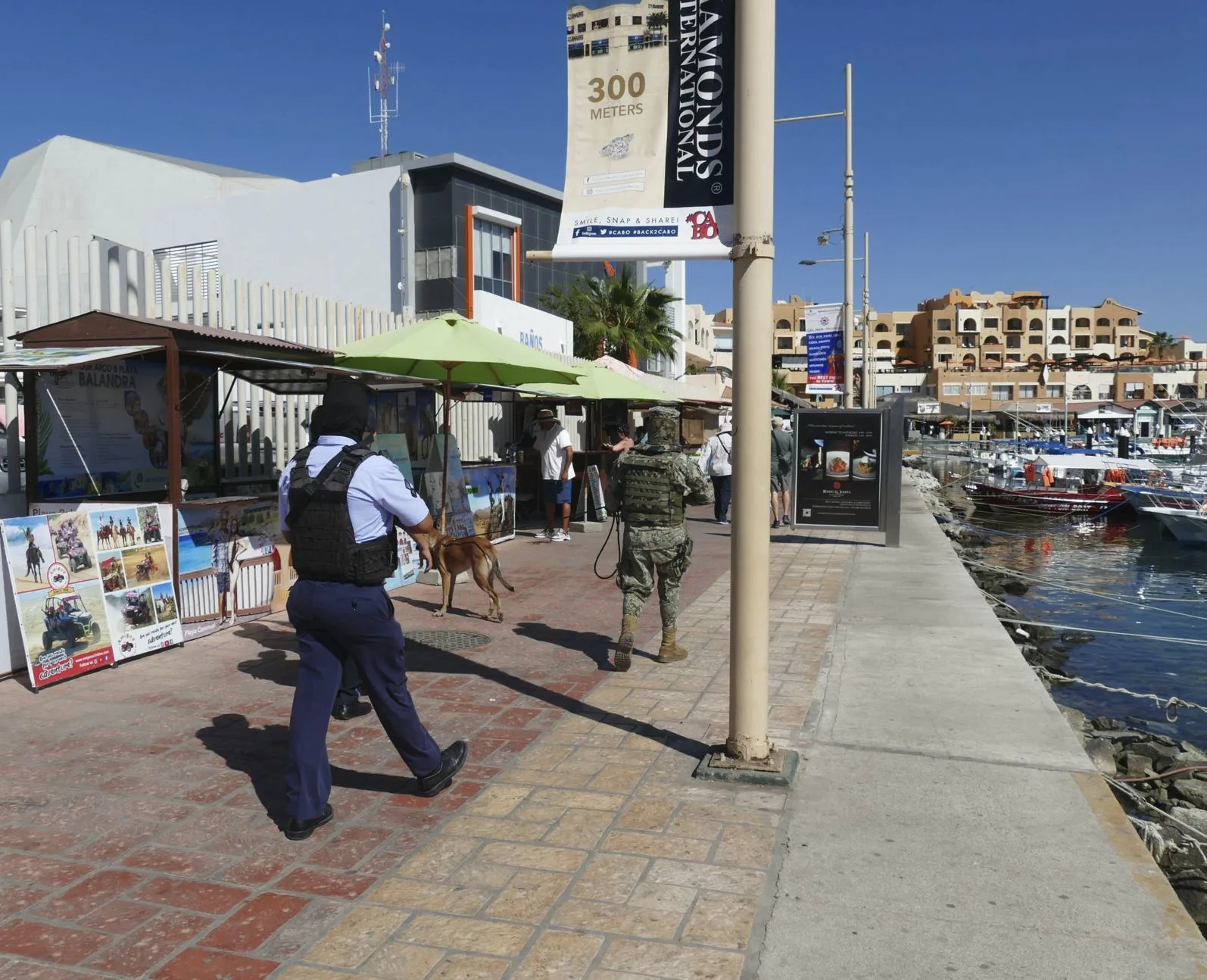
Expect to spot more patrol vehicles and officers around places travelers naturally cluster: main roads, commercial zones, and high-traffic public areas. If you’ve read our guide on Los Cabos’ major holiday safety operation, it’s that same theme—just extending beyond a single holiday window.
2) More checkpoints (especially during peak weeks and nights out)
Officials specifically called out breathalyzer-style checkpoints and traffic operations that ramp up during high-travel seasons like Easter, summer, and year-end holidays.
If you’re here during the Guadalupe–Reyes season, the municipality has also said alcohol checkpoints have been running as part of the operation (including in Cabo San Lucas, San José del Cabo, and along stretches of the federal highway). That lines up with what we’ve been reminding travelers in our piece on what to do if you’re stopped by police in Los Cabos: these stops are often about road safety and tend to pop up more during the busiest travel stretches.
👮♂️ Cabo Security Update 2026
Seeing more police than usual? It’s part of a new safety push. Tap a card to see what’s changing on the ground.
More Patrols
Why are they everywhere?
Tap to Reveal ↻“Safe Streets” Program
The Gist: Increased permanent presence in tourist corridors and commercial zones to deter crime and speed up response times.
Checkpoints
What to expect.
Tap to Reveal ↻Safety & Sobriety
The Gist: Breathalyzer stops ramp up during peak weeks. Keep your ID handy, stay calm, and don’t exit the car unless asked.
“Carrusel” Ops
Why is traffic slowing down?
Tap to Reveal ↻Speed Management
The Gist: Police vehicles drive at a set pace to slow down traffic. Do not try to pass them or weave lanes.
Drones
Eyes in the sky.
Tap to Reveal ↻Surveillance Upgrade
The Gist: Authorities are training with drones for crowd monitoring and traffic flow analysis in high-density areas.

3) “Carrusel” speed-control operations
You might also run into something locals call an operativo carrusel, which is basically a speed-management tactic where official vehicles drive at a steady pace and traffic flows behind them. Translation: it’s not the moment to be aggressive, weave lanes, or try to pass the patrol car.
4) Occasional drones overhead
One of the more modern updates: authorities mentioned training in drone operation for surveillance. Most travelers won’t “feel” this day-to-day, but you may notice drones at certain times or in certain areas, especially around big crowds, events, or traffic points.

Will this affect your vacation?
For most travelers: you’ll notice it, but it won’t disrupt your trip. The biggest “impact” is usually small stuff like:
- A brief slowdown at a checkpoint
- Heavier enforcement of seatbelts, speeding, and sober driving
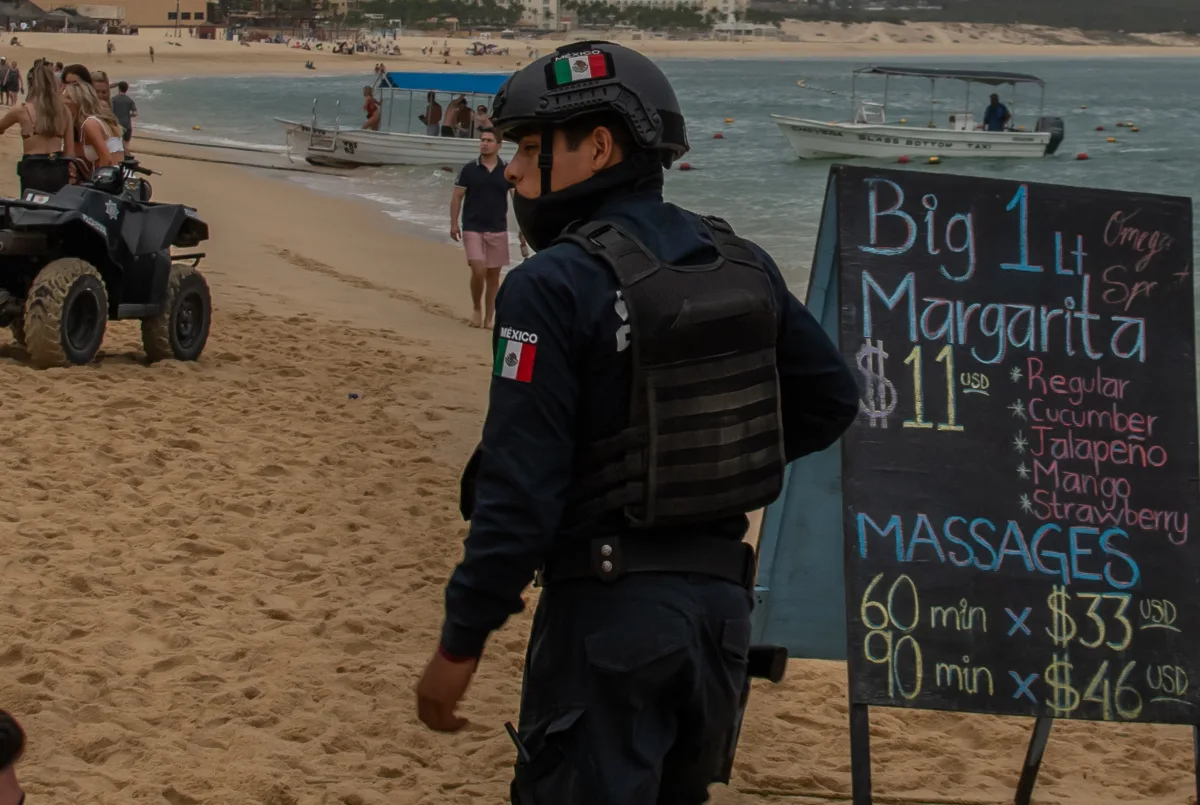
- More uniforms in places you already expected them (airport corridor, busy nightlife zones)
If anything, it’s a good reminder to build a little buffer into your plans. We just covered why that matters in general in our update on planning extra time for airport transfers—and checkpoints can be another “small delay” factor during super-peak weeks.


How to breeze through checkpoints without stress
A quick checklist that keeps things simple:
- Keep your passport photo + entry info handy (a photo on your phone is fine for most situations, but keep originals secured)
- Have your rental agreement + driver’s license accessible if you’re driving
- Stay calm, stay polite, keep answers short
- Don’t hop out of the car unless you’re directed to
- Follow hand signals and cones (don’t improvise your own lane change)
- If you’re going out at night, plan a sober ride home (rideshare/taxi/private driver)
And if you want the full step-by-step, bookmark our practical guide: What to do if you are stopped by the police in Los Cabos (plus what NOT to do).


Quick “just in case” numbers to save
Hopefully you never need these, but it’s smart to have them anyway:
- Emergency (police/medical/fire): 911
- Roadside help on highways (Green Angels / Ángeles Verdes): 078
Bottom line: Los Cabos is leaning into a more proactive, visible safety posture, and travelers will mostly experience it as extra presence and more traffic enforcement—especially during the busiest weeks of the year. Be patient, drive smart, and you’ll be right back to the part of Cabo you came for.
The Ultimate Cabo Trip Planner
When’s the best time to go? Our powerful month-by-month guide breaks down the weather, crowds, hotel rates, and whale watching seasons for your perfect trip.
Find Your Perfect Los Cabos Resort In Seconds
This simple, powerful tool was built by our on-the-ground experts to match you with the ideal resort for your specific budget and travel style.
Subscribe to our Latest Posts
Enter your email address to subscribe to The Cabo Sun’s latest breaking news affecting travelers, straight to your inbox.