
Look at a map of Los Cabos, and you will see miles of breathtaking, golden coastline stretching from San José del Cabo all the way down to the tip of Land’s End. Naturally, if you are planning a vacation, you might assume you can simply pack a cooler, pick a spot on the map, and set up your towel for the day.
Legally speaking, you are absolutely right.
Under Mexican federal law, there is no such thing as a “private beach.” Every single beach in the country belongs to the public. However, the operational reality on the ground in Los Cabos is incredibly complicated. If you try to walk onto the sand in front of a $1,500-a-night mega-resort, you are likely going to run into a security guard, a velvet rope, or a locked gate.
If all the beaches are technically public, why does it feel like so many of them are off-limits? Here is the exact breakdown of Mexican beach laws, the geographical “catch” that resorts use to keep crowds away, and how you can navigate the coastline like a pro.

The Law of the Sand (ZOFEMAT)
To understand your rights as a tourist, you have to understand a federal designation known as ZOFEMAT (Zona Federal Marítimo Terrestre).
- The Rule: Mexican law dictates that the Federal Maritime Terrestrial Zone—which is the strip of land measuring 20 meters (about 65 feet) inland from the high tide line—is federal property.
- The Reality: It belongs to the nation. No hotel, luxury condo developer, or billionaire homeowner can legally own that strip of sand. You are legally allowed to walk, sit, and swim (if the water is safe) anywhere within that 20-meter zone, regardless of what multi-million dollar property sits behind it.
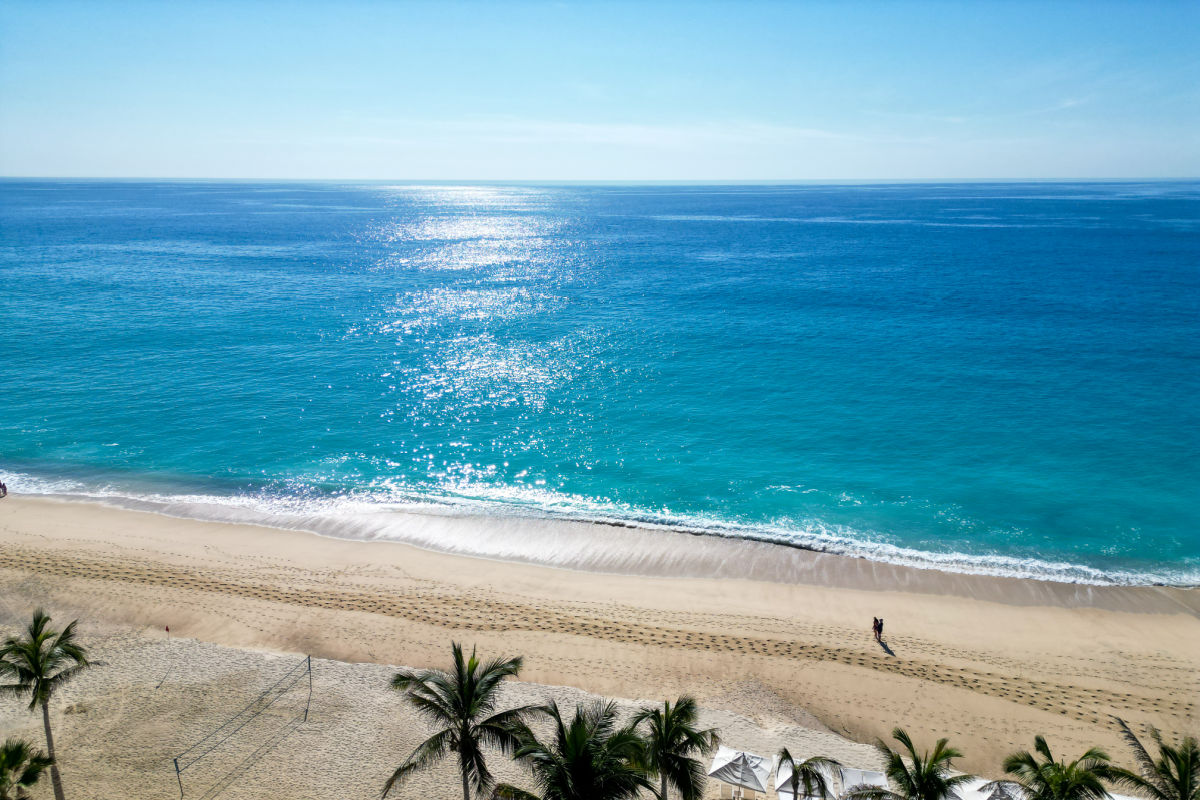
The Catch: The “Moat” of Private Property
If the sand is public, why is it so hard to get to certain beaches like the exclusive coves near Palmilla or the high-end stretches of the Tourist Corridor? It all comes down to access.
- The Loophole: While a resort cannot own the beach, they absolutely own the land leading up to the beach.
- The Tactic: Over the decades, massive resorts and gated communities effectively built “moats” around the best beaches. They don’t block the sand itself; they simply block the roads and pathways required to reach the sand.
- The Result: If the only physical way to access a public cove is by walking through the lobby of a private luxury hotel, the hotel can legally deny you entry to their building. The beach remains public, but it becomes physically inaccessible unless you arrive by boat.

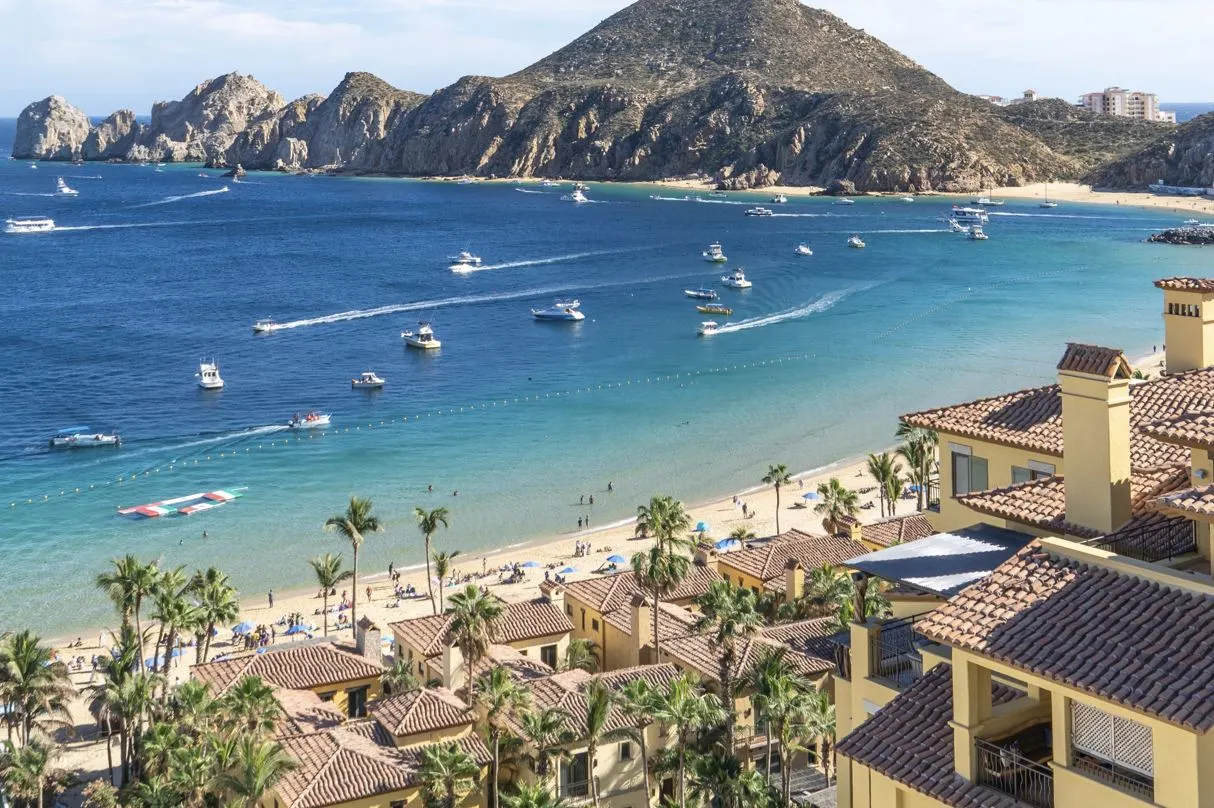
The Pushback and Public Corridors
This geographical loophole has been a massive point of friction between locals, tourists, and mega-developers for years. Fortunately, the government is actively pushing back to ensure people can actually reach the water.
- The Crackdown: Federal and municipal authorities have been actively auditing coastal developments. Recently, authorities in nearby La Paz made headlines for physically dismantling blocked access points that developers had illegally shut down.
- The Corridors: When new resorts are built, they are legally required to provide dedicated, free public access corridors that bypass their private amenities and lead directly to the beach.
- The Reality Check: While these public access paths exist, resorts are notoriously bad at advertising them. They are often narrow, unpaved dirt paths tucked away at the extreme edges of the property lines, deliberately designed to be easily missed by the casual tourist.


What You Can (And Cannot) Do
If you navigate a public access corridor and successfully set up your towel on the sand in front of a luxury resort, you need to know exactly where the boundary lines are.
- You Can: Sit on the sand within the 20-meter high-tide zone, swim in the ocean, and bring your own food and drinks. If a resort security guard approaches you on the wet sand and tells you it is a “private beach,” they are bluffing. You have the legal right to be there.
- You Cannot: Use the resort’s lounge chairs, sit under their palapas, use their bathrooms, or swim in their pools. Those amenities are strictly private property. If you step off the federal sand and onto the resort’s elevated beach deck, you are officially trespassing.
The Law of the Sand
Do not let an intimidating luxury resort facade keep you away from a beautiful coastline. Tap a card to uncover the legal reality of public beach access in Los Cabos.
FEDERAL PROPERTY
The 20-Meter Rule
TAP TO REVEALTHE “MOAT”
Blocking Access
TAP TO REVEALPUBLIC CORRIDORS
Finding the Sand
TAP TO REVEALBOUNDARIES
What You Can Do
TAP TO REVEALHit the sand!
Los Cabos beaches belong to everyone, but the luxury hospitality sector works very hard to curate an illusion of absolute privacy.
Do not let an intimidating resort facade keep you away from a beautiful stretch of coastline.
Do your research, find the designated public access paths, respect the private property lines, and enjoy your legal right to the Baja sand.
The Ultimate Cabo Trip Planner
When’s the best time to go? Our powerful month-by-month guide breaks down the weather, crowds, hotel rates, and whale watching seasons for your perfect trip.
Find Your Perfect Los Cabos Resort In Seconds
This simple, powerful tool was built by our on-the-ground experts to match you with the ideal resort for your specific budget and travel style.
Subscribe to our Latest Posts
Enter your email address to subscribe to The Cabo Sun’s latest breaking news affecting travelers, straight to your inbox.