
A trip to Los Cabos is not complete without spending time on its world-famous coastlines.
However, the beaches at the very tip of the Baja Peninsula are incredibly unique, and navigating them requires a bit of local know-how.
Between the contrasting oceans, strictly enforced environmental rules, and daily safety protocols, the beach experience here is very different from other tropical destinations.
If you are packing your bags for a 2026 getaway, here are 5 things you must know before you step onto the sand.
1. Understanding The Daily Flag System
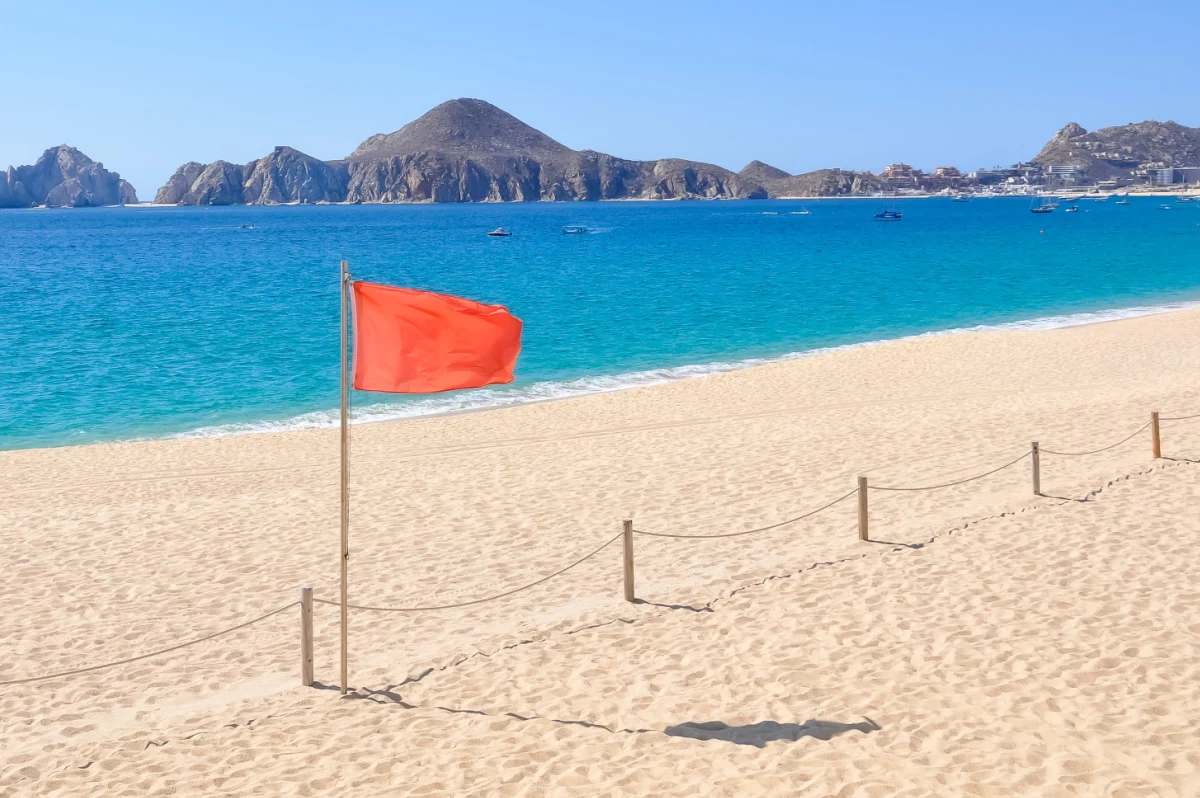
Even if the sky is perfectly clear and the water looks inviting, the ocean currents in Los Cabos can shift rapidly. To keep visitors safe, the Federal Maritime Terrestrial Zone (ZOFEMAT) heavily monitors the coastlines and utilizes a daily color-coded flag system.
You must look for these flags before entering the water on any public beach.
- 🟢 Green Flag: Safe conditions. The water is calm, and swimming is permitted.
- 🟡 Yellow Flag: Moderate danger. Use caution, as there may be moderate currents or a light shore break.
- 🔴 Red Flag: High danger. Strong currents or high waves are present; do not enter the water.
- ⚫ Black Flag: Extreme danger. The beach is officially closed to all activities.
- ⚪ White Flag: Indicates the presence of hazardous marine life, such as jellyfish.


2. Swimmable Vs. Non-Swimmable Shores
The geography of Los Cabos creates a dramatic contrast in ocean conditions. While some beaches feature bathtub-calm waters, others are incredibly dangerous and strictly off-limits for swimming.
Knowing which side of the peninsula you are on is a matter of life and death.
- The Pacific Side: Beaches facing the open Pacific Ocean, such as Playa del Divorcio and Playa Solmar, feature steep underwater drop-offs and aggressive, deadly undertows. You should never attempt to swim or wade in the water on this side.
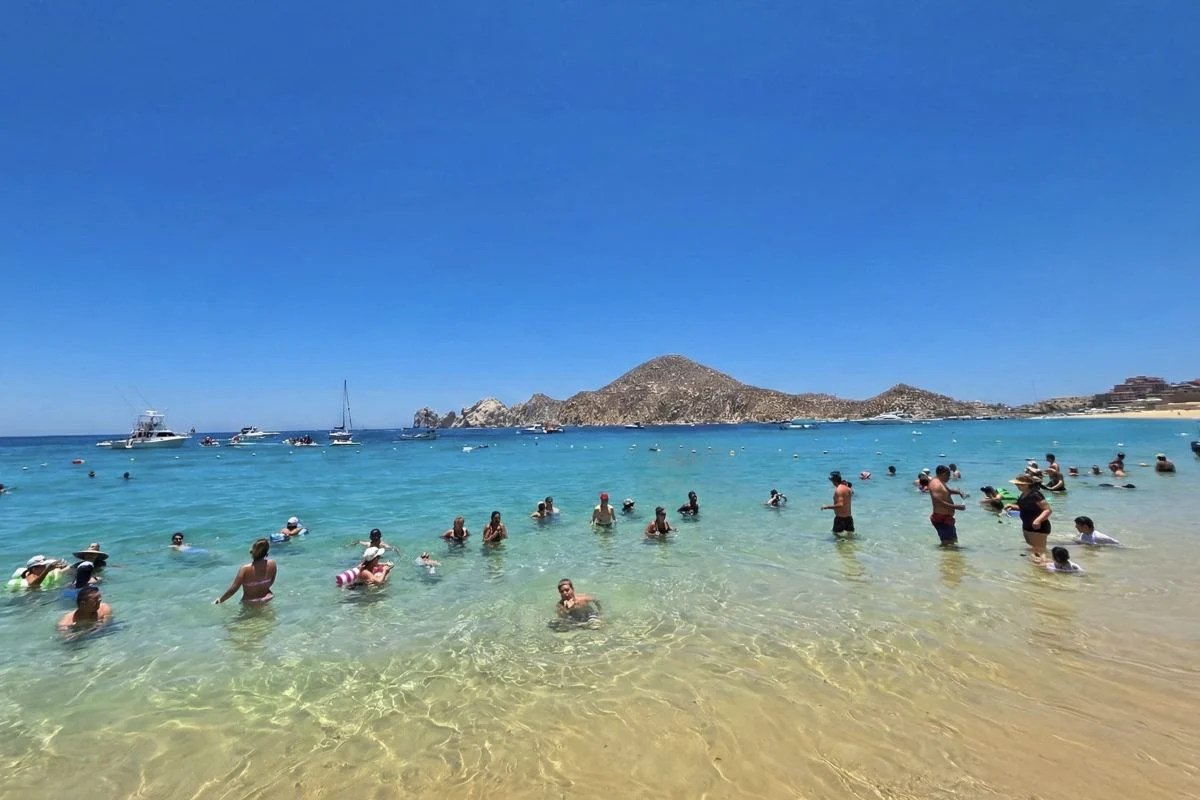
- The Sea of Cortez Side: This protected body of water is home to the region’s famous swimmable bays. For a safe swimming and snorkeling experience, stick to designated spots like Playa El Médano, Chileno Bay, and Santa María Bay.
3. The Zero Sargassum Advantage
If you are deciding between a vacation on the Mexican Caribbean or the Baja Peninsula, the seaweed situation is a massive factor this year. While other major destinations constantly battle foul-smelling algae blooms, Los Cabos naturally offers a pristine alternative.
- Unlike Cancun or Playa del Carmen, the beaches of Los Cabos remain completely naturally free of sargassum seaweed year-round.
- You will never wake up to find your luxury resort’s beachfront buried under rotting algae or blocked by heavy cleaning tractors.
- The water clarity remains exceptional, making it one of the absolute best destinations in North America for snorkeling and scuba diving.
4. Navigating The Beach Vendors
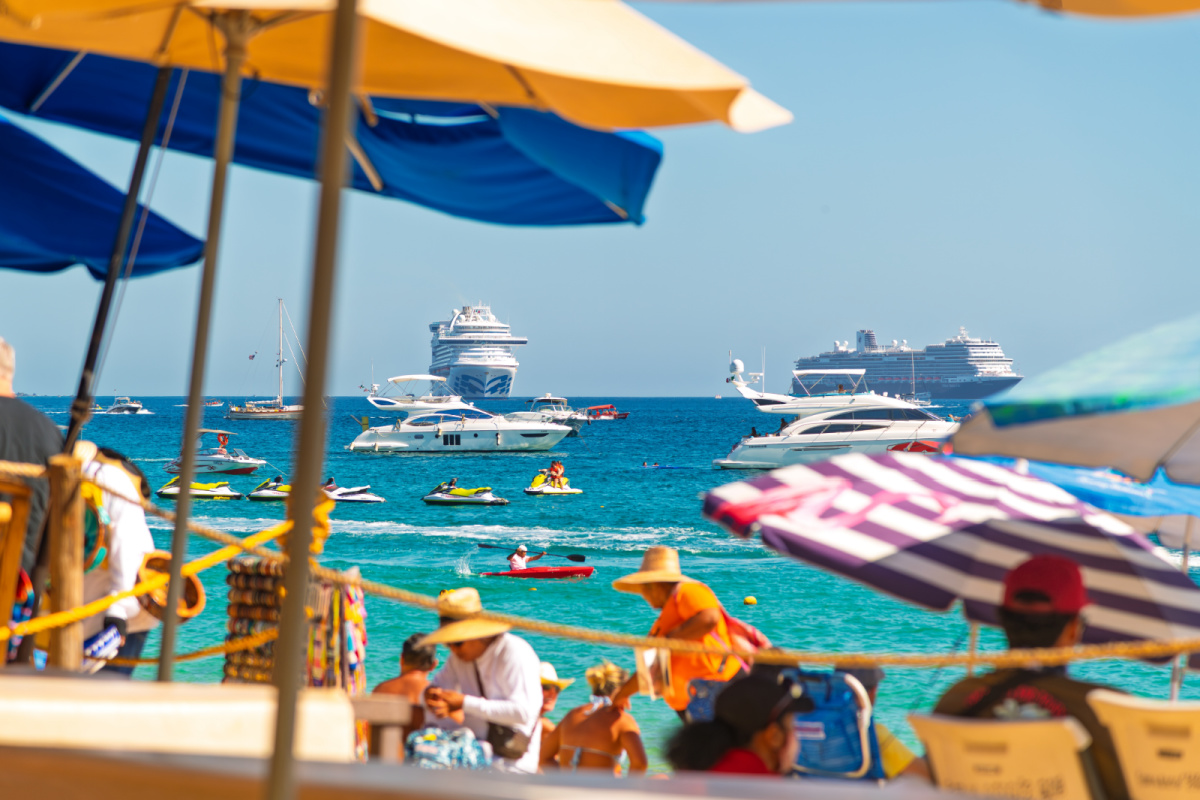
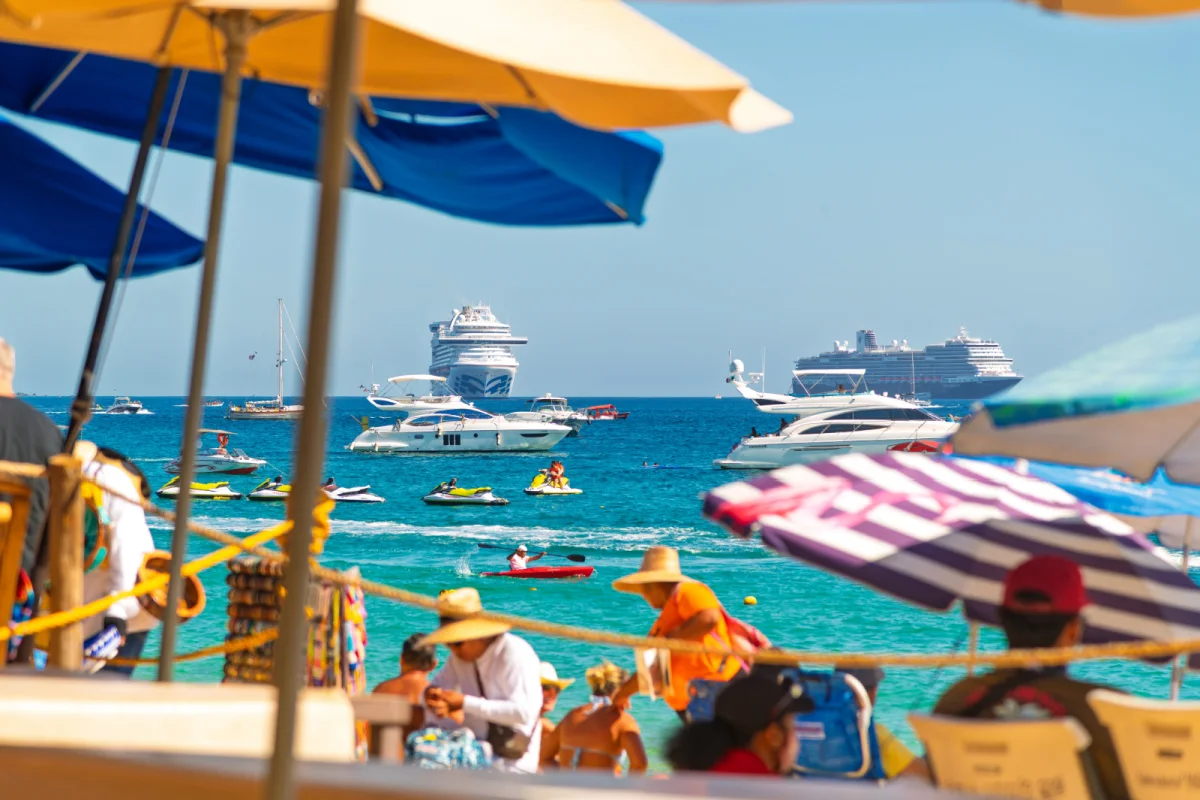
If you spend the day on the highly popular Playa El Médano in Cabo San Lucas, you will undoubtedly encounter a steady stream of local beach vendors selling everything from silver jewelry and woven blankets to temporary tattoos and cigars.
- They are licensed: The vendors walking the main tourist beaches are officially licensed and simply making a living.
- A polite dismissal works: If you are not interested in buying anything, you do not need to get annoyed. A simple, polite “No, gracias” with a smile is all it takes, and they will respect your space and move on.
- Haggle respectfully: If you do see a souvenir you like, negotiating the price is completely expected and part of the local culture, but always keep the haggling friendly.
5. Strict Environmental Rules On Certified Beaches
Los Cabos is actively pushing to become the national leader in environmental standards, boasting the highest number of Blue Flag certified beaches in Mexico. While this guarantees pristine water quality, clean restrooms, and top-tier safety, it also means visitors must adhere to strict ecological rules.
- Reef-Safe Sunscreen Only: To protect the delicate marine ecosystems and coral reefs, you are required to use biodegradable, reef-safe sunscreen at protected bays like Chileno and Santa María.
- No Glass Allowed: To prevent hidden hazards in the sand, glass bottles and containers are strictly prohibited on all Blue Flag beaches.
- Leave the pets at home: While dogs are welcome on some local stretches of sand, they are generally not permitted on the highly regulated, Blue Flag certified sections of the beach to maintain sanitary standards.
Join Our Cabo Sun Community of 20,000+ Members
Get real-time answers to your travel questions from our team of local experts and thousands of fellow travelers directly inside our interactive group.
Find Your Perfect Los Cabos Resort In Seconds
This simple, powerful tool was built by our on-the-ground experts to match you with the ideal resort for your specific budget and travel style.
The Ultimate Cabo Trip Planner
When’s the best time to go? Our powerful month-by-month guide breaks down the weather, crowds, hotel rates, and whale watching seasons for your perfect trip.
Enter your email address to subscribe to The Cabo Sun’s latest breaking news affecting travelers, straight to your inbox.