
When the U.S. Embassy drops a fresh security warning for a major vacation destination, travelers instantly look at their booking confirmations with a knot in their stomach. If you have an upcoming trip to the bustling, sunny docks of Cabo San Lucas, seeing “Cabo” explicitly named in an official government text is enough to make you wonder if you should cancel your flights entirely.
But to understand what this alert actually means for your upcoming trip, you have to look past the scary headlines and dig into the geography. There is a massive difference between the two distinct towns that make up this region, and knowing the layout changes everything.
The Backdrop: What Actually Triggered The Alert
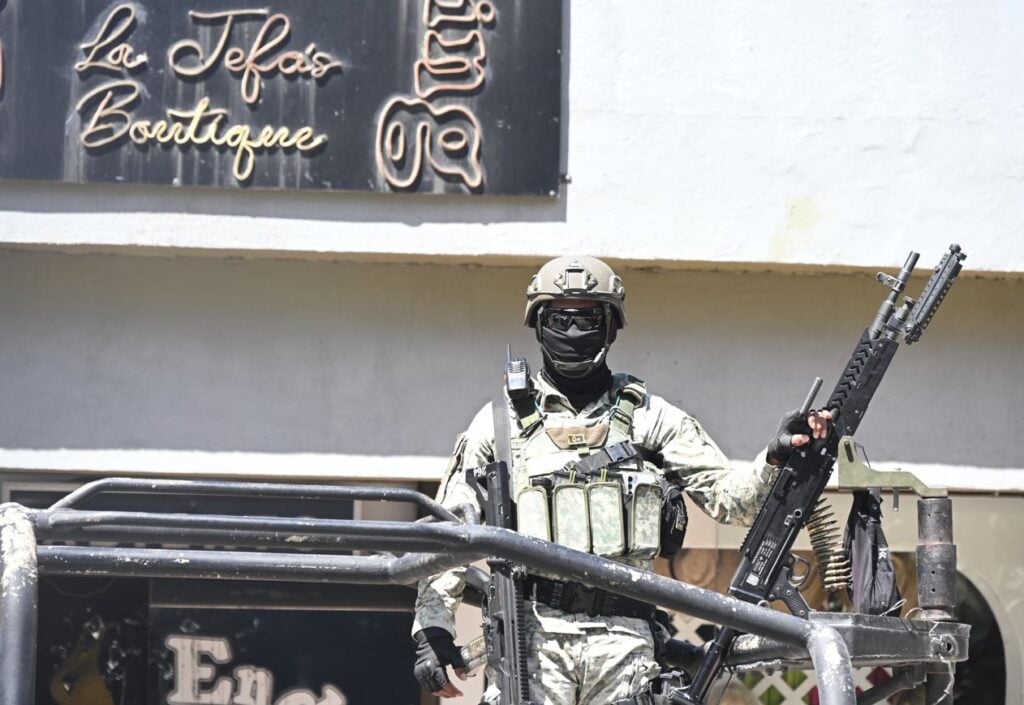
To understand why the U.S. Consulate General in Tijuana put this out, we have to look briefly at what happened inland over the weekend. Late Saturday night, an isolated, heavy clash occurred between a group of armed individuals and a routine military patrol deep within the residential suburb of Santa Anita. The confrontation was intense, resulting in a heavy exchange of gunfire, multiple local injuries, and the tragic crossfire death of a California resident who was in the area.
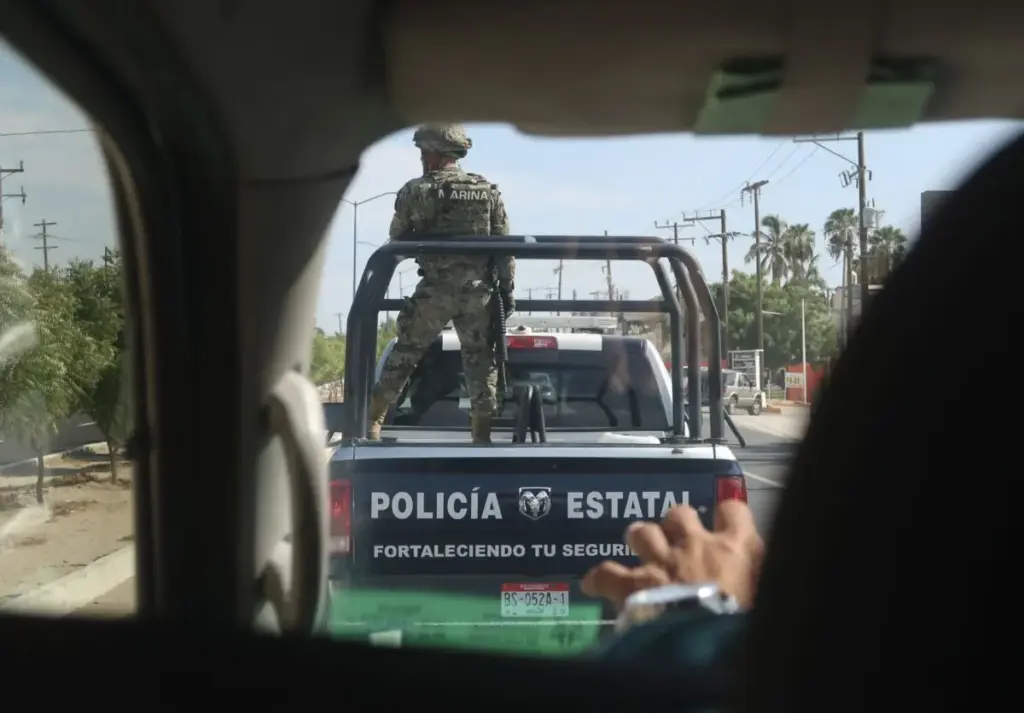
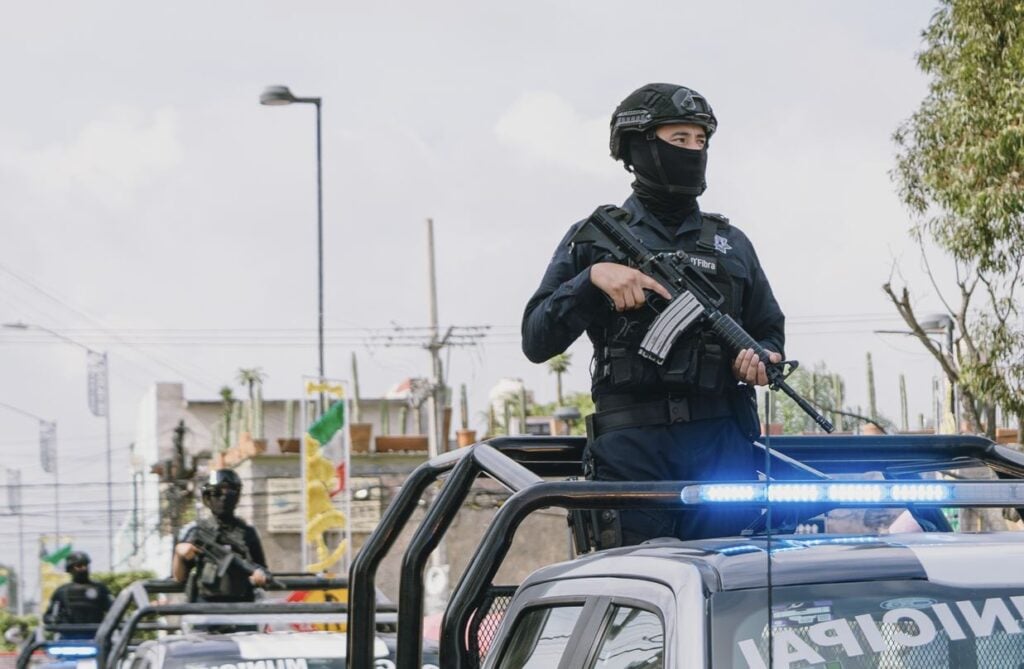
Because of the severity of the shootout, Mexico’s federal government stepped in immediately, deploying specialized investigators and intelligence units alongside a new fleet of local patrol units to aggressively lock down the municipality’s inland areas.
Because this specific neighborhood sits right along the main highway infrastructure leading away from the coast, the U.S. Embassy decided it needed to give travelers a heads-up.
Breaking Down The Embassy Text: Why Cabo San Lucas Is Named
The official alert states that the U.S. Consulate is highly aware of these security incidents occurring near the main international airport servicing the region. But then, the text adds a line that has caused a wave of confusion for travelers:
“While these events have taken place outside of traditional tourist areas, many U.S. citizens transit the airport when traveling to the region. We encourage continued vigilance throughout Cabo San Lucas, and particularly around the airport.”
So, why is the embassy telling you to be vigilant “throughout Cabo San Lucas” if the actual shooting happened miles away in a completely different town?
The answer comes down to ground transit logistics. The San José del Cabo International Airport (SJD) is the single main gateway for the entire region. Every single tourist heading to a luxury resort in Cabo San Lucas must land at this airport and transit down the highway corridor past the areas where these security sweeps are taking place. The embassy isn’t naming Cabo San Lucas because the beaches or the marina are dangerous; they are naming it because Cabo San Lucas is the ultimate destination for the vast majority of travelers moving through that airport transit zone. It is a warning about your arrival commute, not your vacation spot.
Understanding The Two Cabos: A World Apart
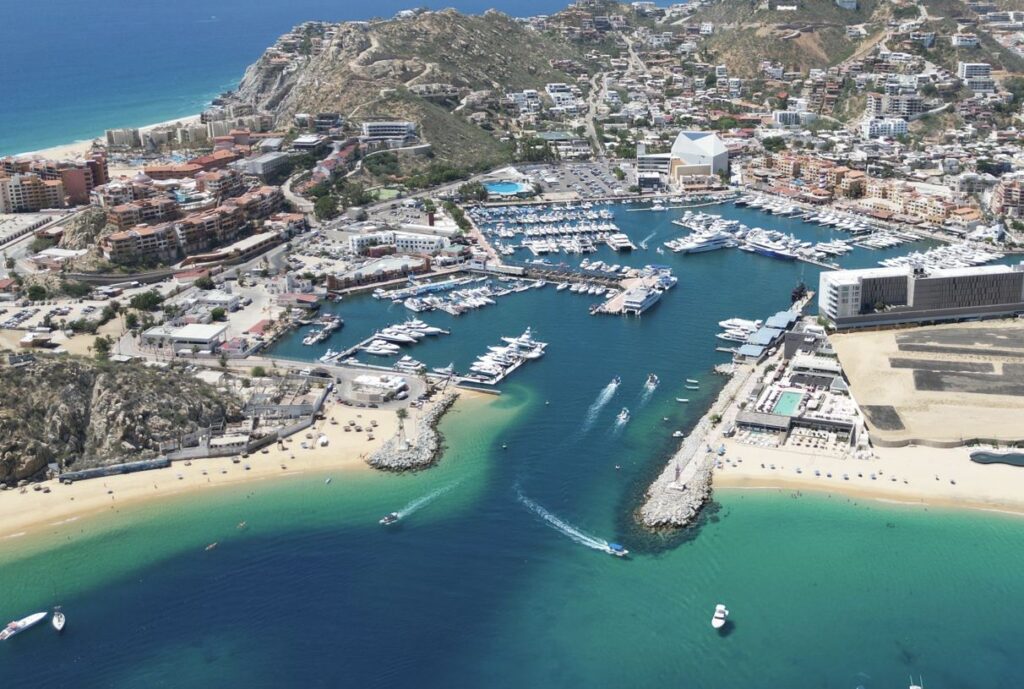
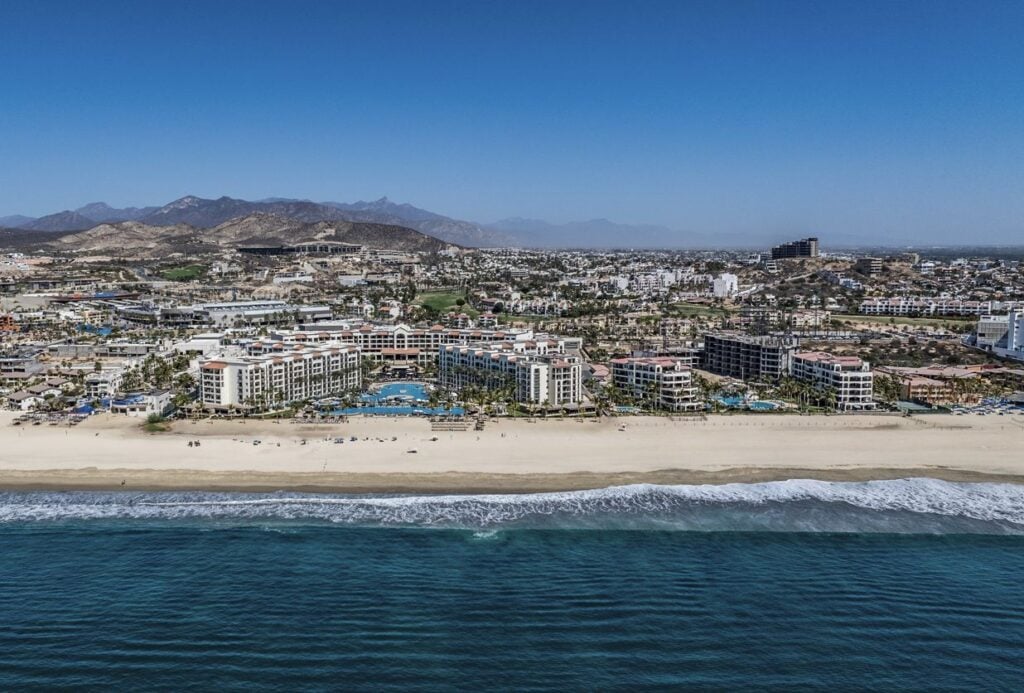
To put your mind at ease while staying completely realistic, you have to understand the geography of how Los Cabos is set up. “Cabo” is not one big city. It is a region anchored by two entirely different towns separated by a 20-mile stretch of highway known as the Tourist Corridor.
- San José del Cabo: This is the quieter, artsy town where the airport is physically located. Because it is geographically sprawling, its boundaries sit much closer to local residential suburbs like Santa Anita and La Ballena, where the government is currently running its heavy security sweeps.
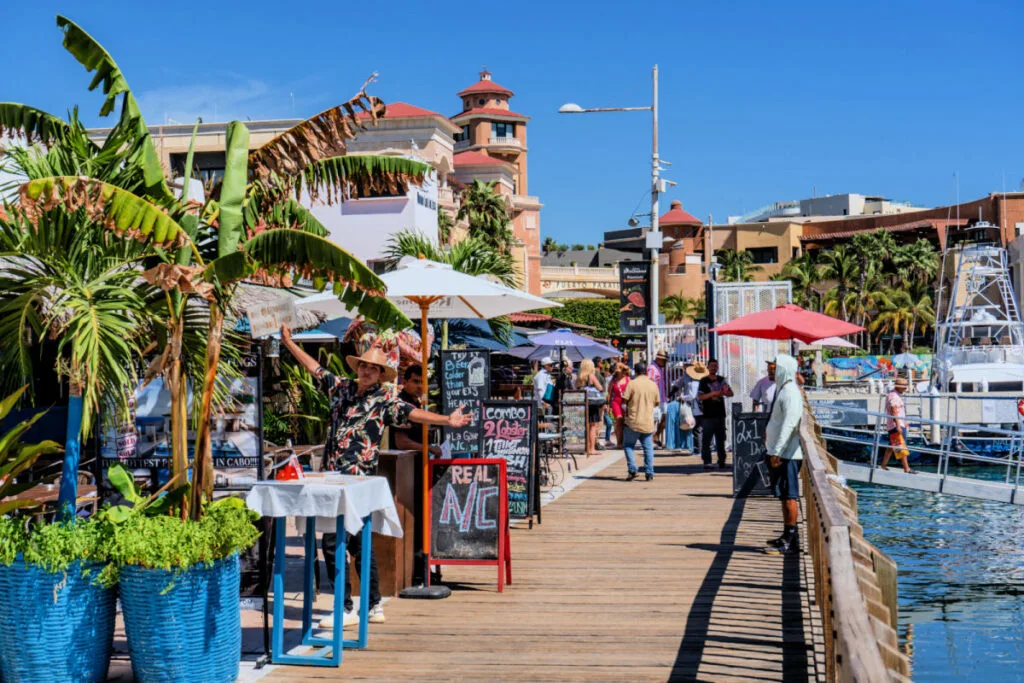
- Cabo San Lucas: This is the energetic tourist powerhouse located at the very southern tip of the peninsula. It is built entirely around a highly concentrated, compact luxury marina, Medano Beach, and the famous Arch. Because it is a dedicated, self-contained tourist hub completely separated from the airport suburbs by 20 miles of heavily patrolled highway, it sits entirely in its own secure bubble.

What The Live Safety Data Says Right Now
If you want a realistic portrayal of what is actually happening right now, don’t look at social media rumors—look at the live data from people currently on the ground. Despite the intense headlines and the official embassy alert, traveler sentiment has remained incredibly high and completely unbroken.
According to the live Traveler Safety Index, day-to-day safety scores for the region have not dropped or fluctuated at all since the weekend event. The real-time metrics show a highly resilient destination:
- Cabo San Lucas Safety Score: 95
- San José del Cabo Safety Score: 93
A score of 95 means that the overwhelming majority of international visitors currently walking the marina, eating at local restaurants, and hanging out at beach clubs feel perfectly safe and completely unaffected. The resorts are operating normally, the tours are running, and the high-security tourist zones remain entirely insulated from the inland neighborhood issues.
Smart Transit Rules Travelers Must Follow
While you absolutely do not need to panic or cancel your trip, you do need to be smart and adhere to the specific logistical rules laid out in the embassy alert. Because authorities are on high alert, how you handle your transportation matters.
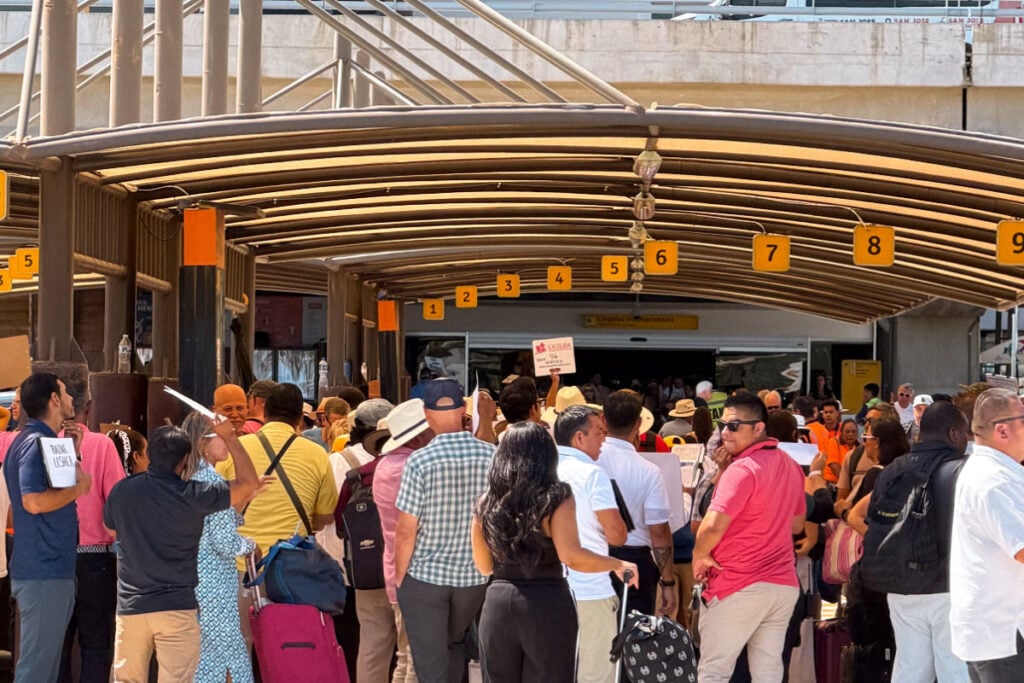
First, know the strict airport rideshare rules. The embassy explicitly reminds travelers that while apps like Uber are authorized to drop you off at the airport for a departing flight, they are legally banned from picking up arriving passengers at the terminal. When you land, do not wander off airport property trying to find an app driver. You must exclusively use pre-booked private transportation, official hotel shuttles, or clearly identifiable airport taxis that display official numbers and readable license plates.
Second, skip the night driving. The U.S. government maintains strict nighttime travel restrictions for its official employees, precluding them from driving between cities after dark. You should adopt this exact same rule. Ensure your flight lands during daylight hours so your airport transit happens when visibility is high, and keep your evening activities local to your resort zone rather than driving the highway corridors late at night.
Transit Advisory
By staying in the established tourist zones, using verified transportation, and maintaining simple situational awareness during your airport commute, you can look forward to a spectacular, worry-free vacation in Cabo San Lucas.
The Ultimate Cabo Trip Planner
When’s the best time to go? Our powerful month-by-month guide breaks down the weather, crowds, hotel rates, and whale watching seasons for your perfect trip.
Find Your Perfect Los Cabos Resort In Seconds
This simple, powerful tool was built by our on-the-ground experts to match you with the ideal resort for your specific budget and travel style.
Subscribe to our Latest Posts
Enter your email address to subscribe to The Cabo Sun’s latest breaking news affecting travelers, straight to your inbox.
Mike Hunt
Friday 5th of June 2026
"Every single tourist heading to a luxury resort in Cabo San Lucas must land at this airport and transit down the highway corridor past the areas where these security sweeps are taking place."
This is inaccurate. Many tourists arrive to CSW (Aeropuerto Cabo San Lucas Internacional) on an airline called JSX. It serves as a secondary airport to the main SJD (Los Cabos International Airport) airport. If you're headed to a resort in San Lucas near the marina from CSW, you won't go anywhere near the areas in question.