
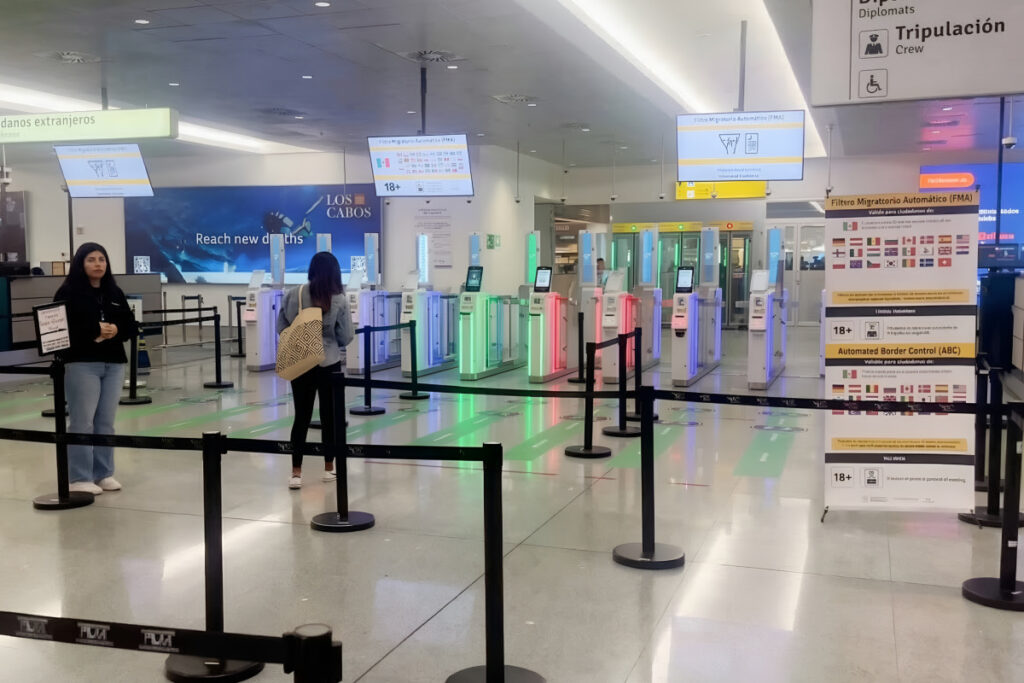
If you have flown into Los Cabos International Airport recently, you already know that the arrival experience has drastically improved. Gone are the days of standing in winding, hour-long customs lines just hoping to reach the baggage claim. Thanks to the highly successful rollout of biometric e-gates, travelers with compatible passports are currently breezing through immigration and reporting incredibly fast “tarmac-to-taxi” times, often clocking in under fifteen minutes. The gateway to Baja California Sur is faster and more efficient than ever before.
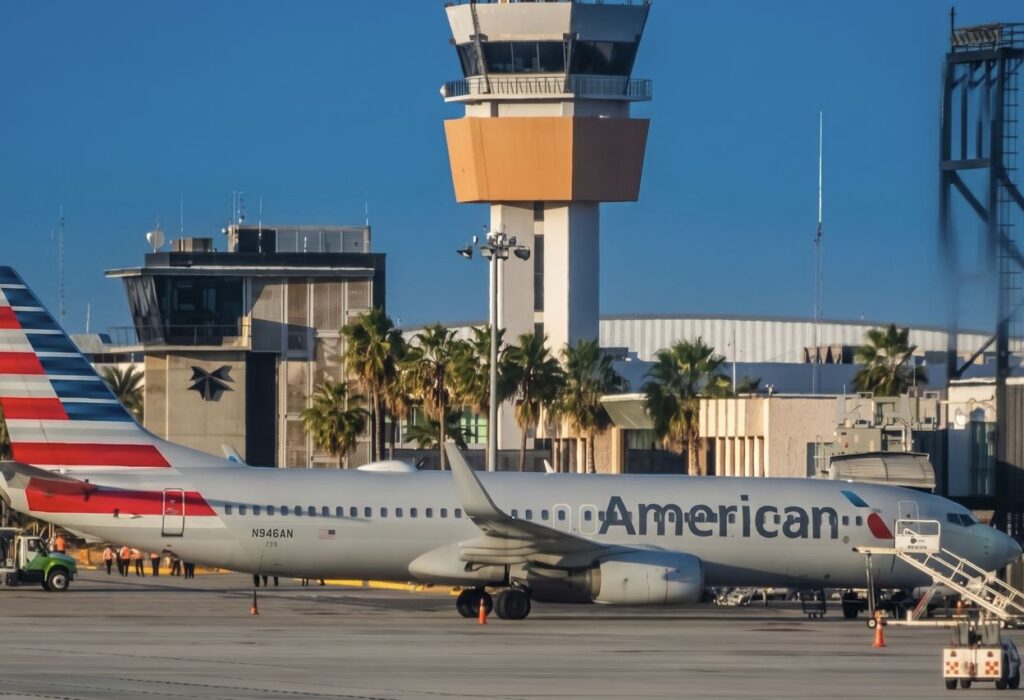
But while the passenger experience is hitting new high notes, the actual volume of travelers passing through those sleek new gates has recently seen a slight cool-down. Both domestic and international passenger traffic numbers have dipped slightly in early 2026. However, this temporary lull is not going to stall the ongoing airport upgrades. The massive modernization project is officially moving full steam ahead, completely unbothered by the cyclical changes in tourism.
A Temporary Dip, Not A Trend
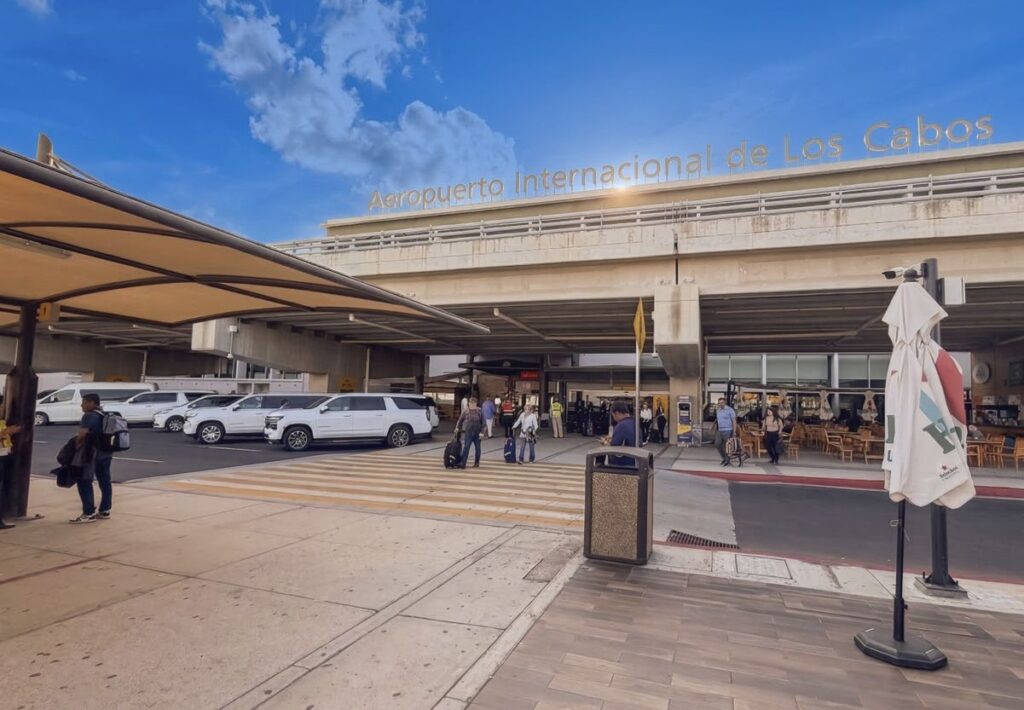
Francisco Villaseñor, the general director of Los Cabos International Airport, recently confirmed the slight decrease in passenger volume. He made it incredibly clear that while they are seeing negative numbers right now, it is a completely normal, temporary phenomenon. Tourist destinations naturally experience cyclical patterns, and this brief dip has absolutely zero impact on the airport’s aggressive master development plan.
There were also some industry concerns regarding the skyrocketing cost of jet fuel, which recently jumped from 11.66 pesos per liter to over 23.70 pesos. Usually, when fuel costs double, airlines react by slashing routes or cutting back on daily flight frequencies to protect their profit margins. Surprisingly, that is not happening in Cabo. Villaseñor noted that the airport has not seen any reduction in scheduled flights, and airlines have not signaled any immediate plans to pull back.
The Massive Terminal Expansion
With the flight schedules holding steady, the airport is keeping its focus strictly on the future. Grupo Aeroportuario del Pacífico is fully committed to their staggering roughly $370 million USD investment. The ultimate goal is to expand and eventually unify the airport into a massive, hyper-efficient single hub.
The heavy construction phase is kicking off in the coming months, and it is going to introduce upgrades that travelers will actually notice. The main terminal building is slated for a massive 52 percent physical growth. This is not just a cosmetic facelift to make the lobby look pretty; it is about adding highly needed breathing room to the absolute busiest areas of the building.
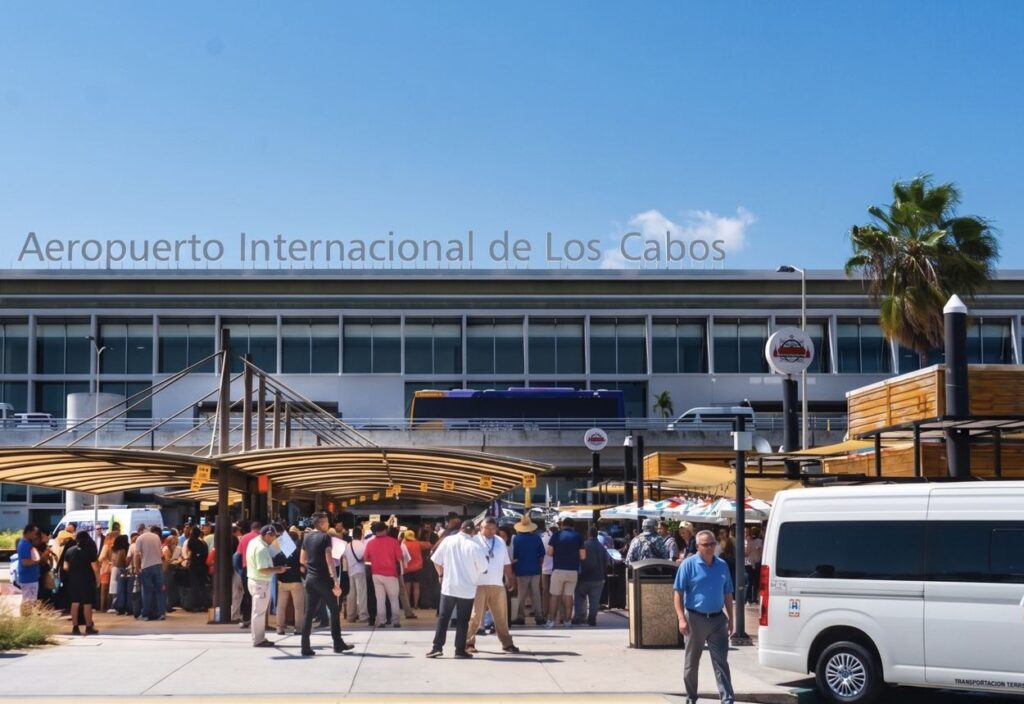
The project includes adding seven brand-new aircraft parking positions and three new boarding gates equipped with dedicated jet bridges. This expansion of the aircraft apron means more planes can pull right up to the building, getting you off the aircraft and into the air-conditioned terminal much faster, eliminating those annoying shuttle bus rides across the hot tarmac.
Navigating The Active Construction
While the automated e-gates and expanded baggage halls—which are growing by a full 33 percent—are making the arrival side a breeze, travelers do need to prepare for some temporary growing pains when it is time to fly back home.
As the airport actively builds out this massive Terminal 2 extension, the physical footprint of the building is going to constantly shift throughout the rest of 2026. You should expect to see temporary construction walls, rerouted pedestrian corridors, and frequently changing signage. Because the internal layout is moving around, you will likely encounter much longer walks to your designated departure gate or the check-in counters.
Airport Upgrades
To help speed up the departure process, the ticketing area is receiving a major tech upgrade with nearly 20 new self-service check-in kiosks. These automated stations will help cut down on the slow-moving lobby lines, allowing you to print your tags and drop your bags much faster.
If you are flying out during peak travel hours over the next few months, you need to play it smart. Between the active construction zones, the longer walks inside the building, and the shifting drop-off zones outside, you absolutely must arrive at the airport a full two and a half to three hours before your departure time. Grab your boarding pass early, navigate the detours, and relax at your gate before your flight home.
The Ultimate Cabo Trip Planner
When’s the best time to go? Our powerful month-by-month guide breaks down the weather, crowds, hotel rates, and whale watching seasons for your perfect trip.
Find Your Perfect Los Cabos Resort In Seconds
This simple, powerful tool was built by our on-the-ground experts to match you with the ideal resort for your specific budget and travel style.
Subscribe to our Latest Posts
Enter your email address to subscribe to The Cabo Sun’s latest breaking news affecting travelers, straight to your inbox.