
Recently, two tourists were evacuated by the local Navy from the waters near Chileno and Pelican beaches after swimming into a patch of jellyfish-like stingers. While hearing about a medical evacuation at a popular snorkeling spot might sound alarming, incidents like this are just a standard part of ocean swimming. The ocean is a wild, unpredictable environment, and sometimes it bites back. But this is absolutely not a reason to panic or rethink your beach days. The situation was handled perfectly by the local authorities, and the tourists got the exact rapid care they needed. Here is the unfiltered reality of jellyfish in Los Cabos, how to easily avoid them, and exactly what to do if you ever find yourself on the wrong end of a tentacle.
The reality of Jellyfish and Siphonophores in Cabo
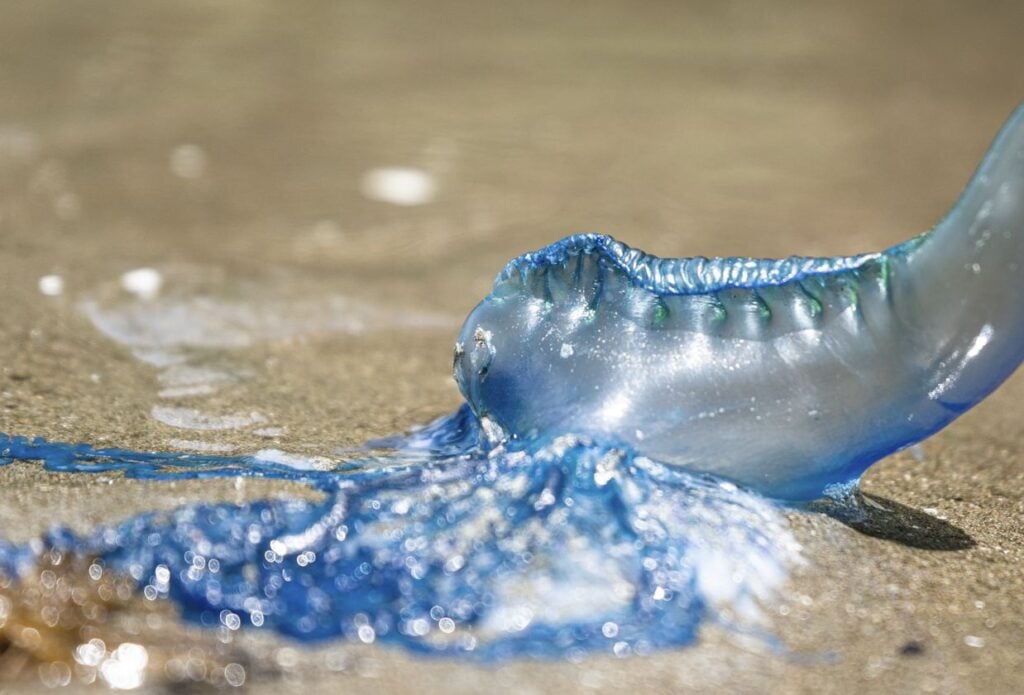
So, are jellyfish actually a common problem down here? The answer is yes and no. They do not live permanently on the beaches waiting for tourists to arrive. They show up in waves. Their arrival depends heavily on shifting ocean currents, changing water temperatures, and strong winds blowing in from the deep sea. The locals call them “aguamalas,” which translates perfectly to bad water. Most of the time, the culprits are Portuguese men-of-war. While technically a siphonophore (a floating colony of organisms) rather than a true jellyfish, they look and sting exactly the same
Because they drift with the wind and currents rather than swimming with a purpose, they travel in massive groups or swarms. If you jump off the back of a catamaran into a patch of them, multiple people are going to get stung at the exact same time. That is exactly why the two tourists in the recent news story were hit together. It was not some coordinated ocean attack. They simply jumped into the exact wrong spot at the exact wrong time, right as a cluster was passing through the bay.

How To Spot The Warning Signs Before You Swim
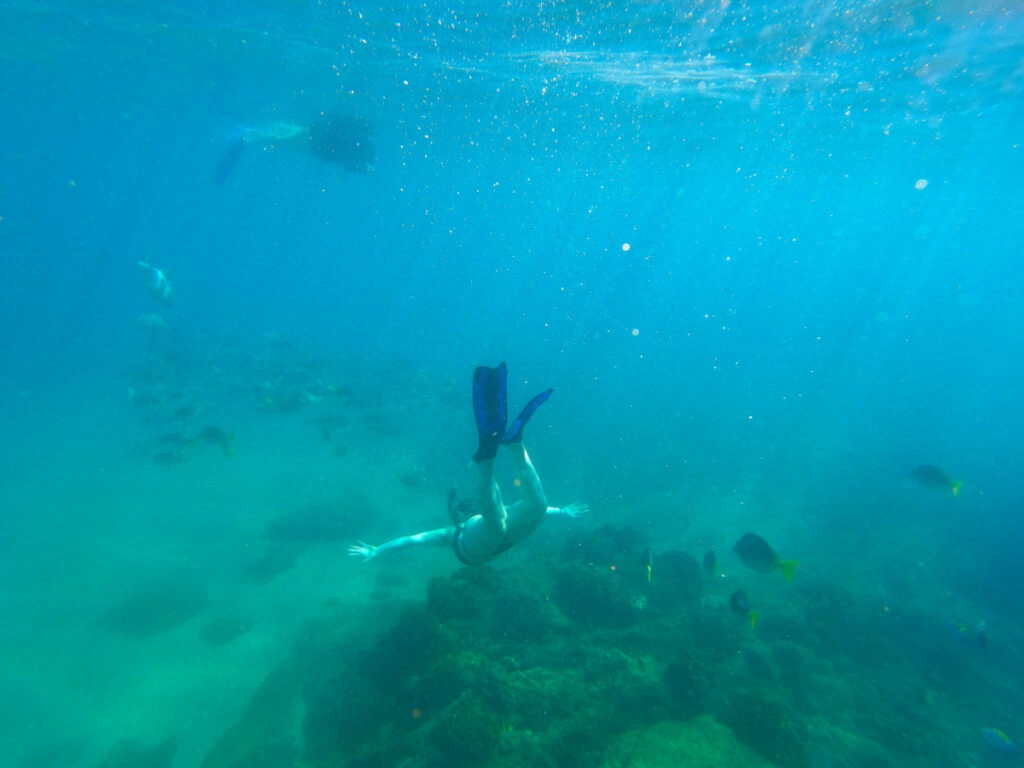
The absolute easiest way to deal with a jellyfish sting is to simply never get one in the first place. Cabo beaches use a very strict and clear flag system. You need to pay attention to it before you ever take your sandals off. A white flag flying on the lifeguard stand specifically means jellyfish have been spotted in the water. If you see that white flag waving, do not try to push your luck. Just skip the ocean and spend your day at the resort pool instead.
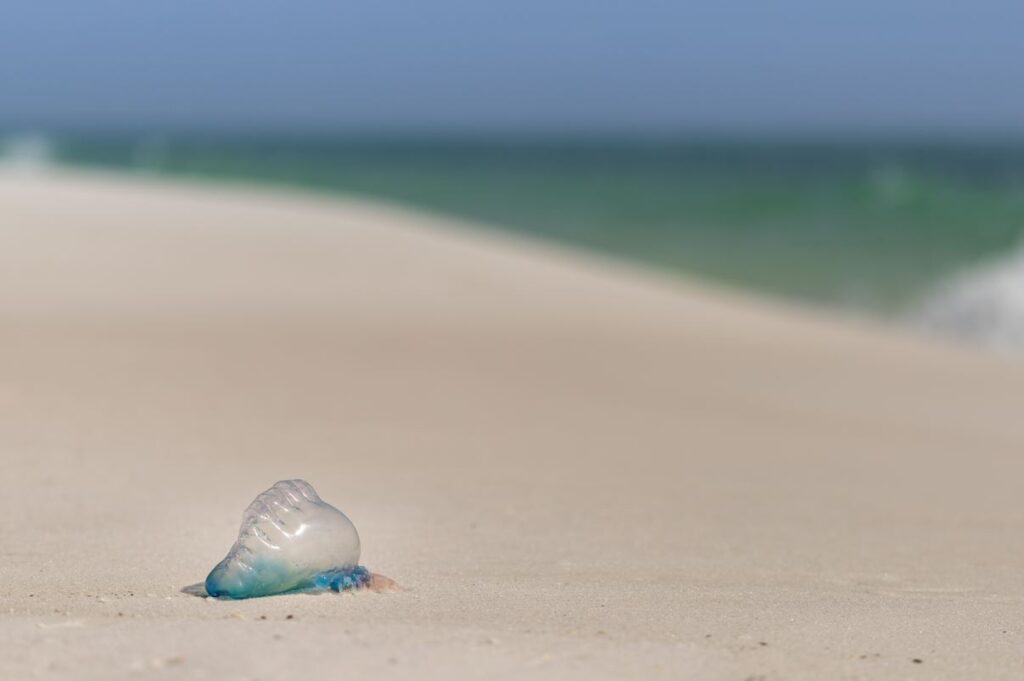
You also need to watch where you step on the dry sand. The Portuguese man-of-war look like small, inflated blue or purple balloons. They constantly wash up on the shoreline with the tide and blend right in with the seaweed. If you see them scattered on the sand, do not touch them under any circumstance. Definitely do not let your kids poke them with a beach toy or a stick. Their tentacles can still deliver a painfully venomous sting long after they are dead and dried out on the beach.


The Exact Steps To Take If You Get Stung
If you are in the water and suddenly feel a sharp, burning whip wrap around your arm or leg, stay calm. Get out of the ocean immediately. Do not panic and do not thrash around. Violent movement just causes the tentacles to release even more venom into your skin and wrap tighter around you.
Once you are safely on the sand or back on the boat deck, do not try to rinse the sting with your bottled drinking water. Freshwater actually triggers the remaining stingers to fire again, making the pain much worse. Only use salty ocean water to rinse the area. Next, you need to quickly remove any leftover tentacles sticking to your skin. Do not use your bare hands to brush them off. Use the edge of a credit card to scrape them off gently, or use tweezers if you have them in your beach bag.
The absolute best immediate treatment is plain white vinegar. It completely neutralizes the venom and stops the stinging cells from firing. Follow that up by soaking the area in hot water for about twenty minutes to draw out the pain. And please, ignore the old movie myths and ridiculous rumors. Do not let anyone pee on your leg. It does not work and it will only make an already bad situation much worse.
When To Treat It As A Real Medical Emergency
For the vast majority of healthy adults, a jellyfish sting completely ruins your afternoon, but nothing else. It feels exactly like a really bad bee sting or a nasty grease burn from the stove. You grab a cold drink, put some ice on it, take some standard pain medicine, and complain about it at the dinner table later that night. It will stay red and itchy for a few days, but you will be completely fine.


But a small percentage of people have severe, dangerous allergic reactions to the venom. If the person who got stung starts having trouble breathing, gets tightness in their chest, feels extremely dizzy, or has swelling in their face, lips, or throat, that is a massive medical emergency. That is anaphylactic shock, and it requires immediate hospital care. That is exactly what happened with the recent boat tour incident. The boat captain saw the severe reaction and immediately called the Navy on the radio because time was of the essence. The tourists were successfully medevaced and treated within minutes.
Jellyfish Safety
The boat crews down here know exactly what they are doing and how to handle marine emergencies efficiently. They have protocols in place for a reason. Be aware of your surroundings, respect the ocean flags when you arrive at the beach, keep an eye out for the blue balloons on the sand, and go enjoy your vacation without worrying too much.
Join Our Cabo Sun Community of 20,000+ Members
Get real-time answers to your travel questions from our team of local experts and thousands of fellow travelers directly inside our interactive group.
Find Your Perfect Los Cabos Resort In Seconds
This simple, powerful tool was built by our on-the-ground experts to match you with the ideal resort for your specific budget and travel style.
The Ultimate Cabo Trip Planner
When’s the best time to go? Our powerful month-by-month guide breaks down the weather, crowds, hotel rates, and whale watching seasons for your perfect trip.
Enter your email address to subscribe to The Cabo Sun’s latest breaking news affecting travelers, straight to your inbox.