
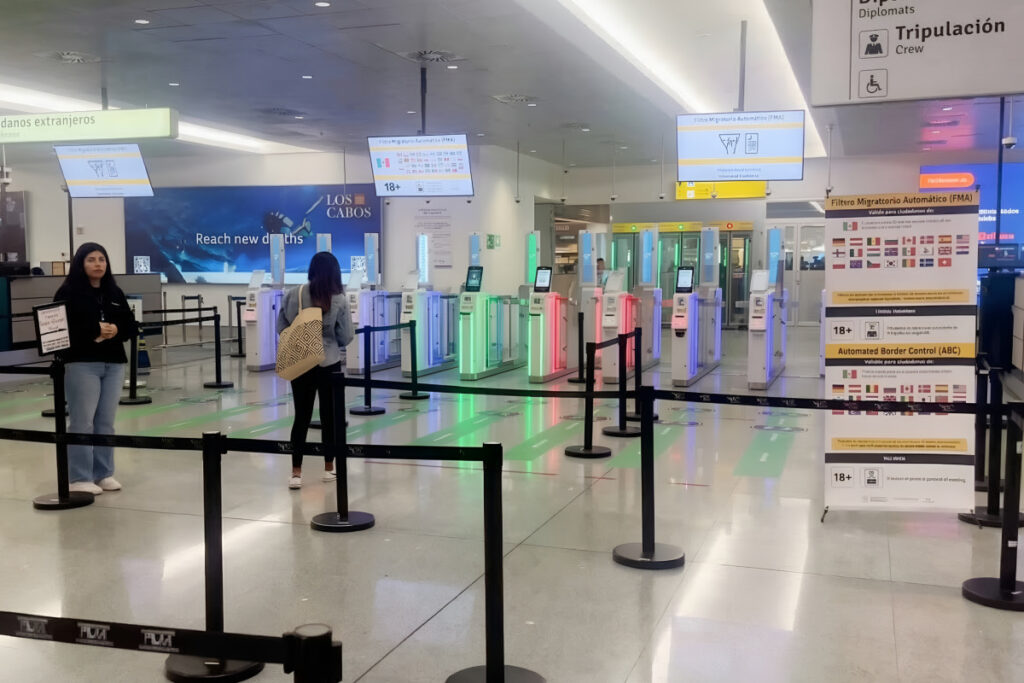
When you finally land at Los Cabos International Airport after a long flight, the absolute last thing you want to do is stand in a massive, snake-like line at immigration. While SJD is a world-class facility, peak arrival times on Saturdays and Sundays often result in frustrating bottlenecks as thousands of tourists wait to have their passports manually stamped by border agents.
However, a newly approved legislative change in Mexico City might soon make those massive lines a thing of the past—though it will cost you a few extra dollars to see the benefit.
The Mexican government has officially announced an upcoming hike to the Non-Resident Right (DNR) fee, a mandatory tourist tax applied to international visitors entering the country. While nobody enjoys paying higher travel taxes, the specific way this new revenue is being allocated is actually fantastic news for frequent Baja travelers.
Here is exactly how much the tax is going up, where the money is going, and how it is expected to drastically cut down your wait time at the airport.
Understanding the 2027 DNR Hike
First, let’s look at the actual numbers. The DNR is a standard fee paid by foreigners entering Mexico as visitors without permission to perform paid activities—which essentially covers every single international tourist flying in for a beach vacation. It is typically baked directly into the price of your airline ticket, so you rarely notice paying it.
According to the Ministry of Tourism (Sectur) and the newly approved 2027 Federal Rights Law, the DNR fee will increase from 983 pesos in 2026 to 1,158 pesos in 2027.
This represents an exact increase of 175 Mexican pesos (roughly $9 USD).
While an increase is never ideal, it is actually a massive compromise. The original legislative proposal called for a staggering 35.8% jump. Following immediate pushback from the national tourism sector and direct intervention from President Claudia Sheinbaum, the adjustment was essentially slashed in half, resulting in the much more manageable 17.8% hike.
Where is the Extra Money Going?
The most critical aspect of this new legislation is exactly how the newly generated revenue will be distributed. The government is not simply absorbing the extra cash into a general fund.
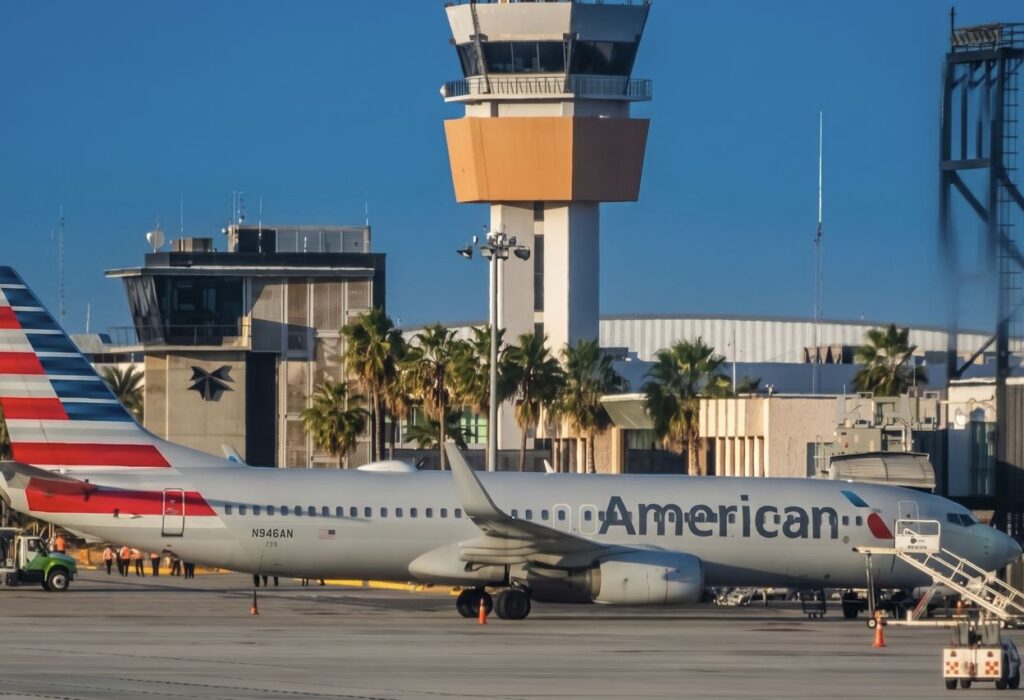
The Ministry of Tourism explicitly stated that the additional 175 pesos generated per tourist will be channeled directly to the National Institute of Migration (INM). The overarching mandate for this revenue surge is to aggressively modernize Mexico’s border security and, most importantly, its immigration control systems.
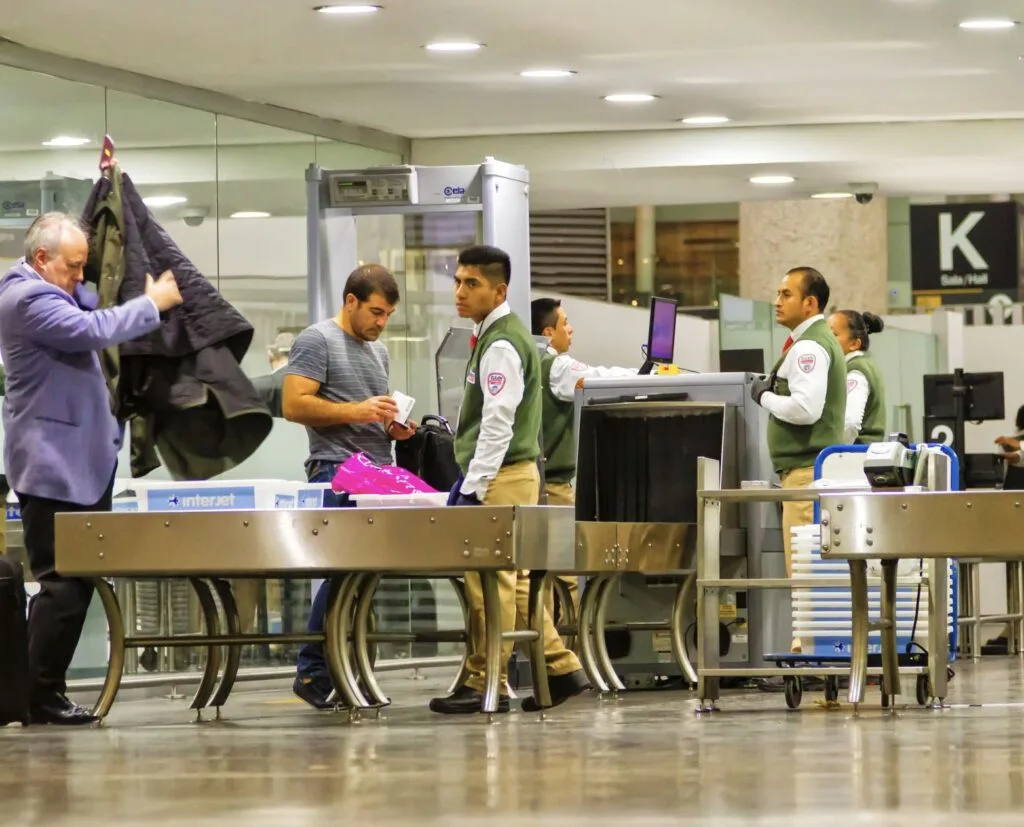
President Sheinbaum directly addressed the issue during a recent press conference, noting that much of the immigration equipment currently used at major Mexican airports is heavily outdated.

The Promise of Automated Immigration
So, how does a $9 tax increase benefit a tourist landing in Cabo? The answer lies in automation.
The influx of capital to the INM is specifically earmarked to build out advanced technological infrastructure at major international gateways like SJD. The ultimate goal is to transition away from the slow, manual process of human agents individually checking and stamping every single passport.
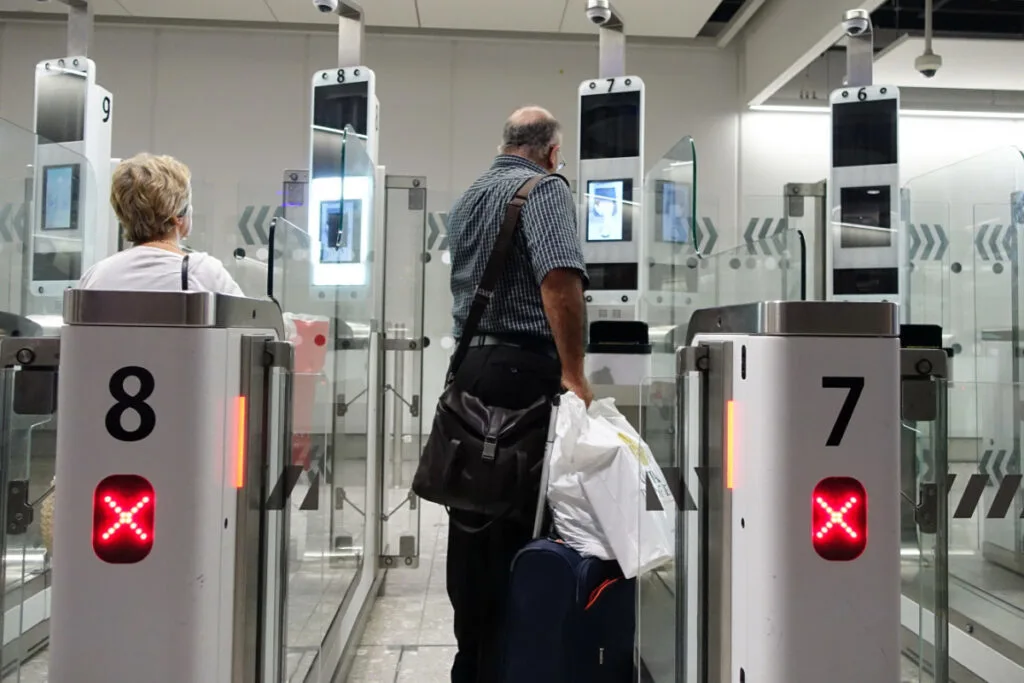
The modernization plan involves the massive deployment of automated biometric immigration gates (e-Gates). If you have traveled through major European hubs or utilized Global Entry in the US, you are familiar with the concept. Instead of standing in line to speak to an officer, travelers simply scan their biometric passports at an electronic kiosk, look into a camera for facial recognition verification, and walk through automated doors in a matter of seconds.
President Sheinbaum explicitly stated that this technological overhaul will “speed up entries at airports, so there are no queues.”

The Bottom Line for Baja Travelers
The tourism industry is the absolute lifeblood of Los Cabos, and local hoteliers have long argued that forcing high-spending luxury travelers to wait two hours in an un-airconditioned immigration hall is a terrible first impression.
While paying an extra $9 on your airline ticket next year might be slightly annoying, the trade-off is massively beneficial. If the INM successfully deploys this automated infrastructure at Los Cabos International Airport, the days of the dreaded weekend immigration bottleneck will finally be over. You will be able to step off the plane, scan your passport, and be sitting by the resort pool with a margarita before your luggage even hits the carousel.
Join Our Cabo Sun Community of 20,000+ Members
Get real-time answers to your travel questions from our team of local experts and thousands of fellow travelers directly inside our interactive group.
Find Your Perfect Los Cabos Resort In Seconds
This simple, powerful tool was built by our on-the-ground experts to match you with the ideal resort for your specific budget and travel style.
The Ultimate Cabo Trip Planner
When’s the best time to go? Our powerful month-by-month guide breaks down the weather, crowds, hotel rates, and whale watching seasons for your perfect trip.
Enter your email address to subscribe to The Cabo Sun’s latest breaking news affecting travelers, straight to your inbox.