
If you have traveled to Los Cabos recently, you likely noticed a clear divide in how you pay for things. At the massive luxury resorts and high-end Marina restaurants, you can easily tap your phone or swipe a credit card. But the minute you step away to buy a street taco, tip a boat captain, or pick up a souvenir at a local market, cash is still absolutely king.
The Mexican federal government recently took a massive step to change this dynamic by passing a sweeping new piece of legislation: the Digital Economy Law for Digital and Electronic Payments.

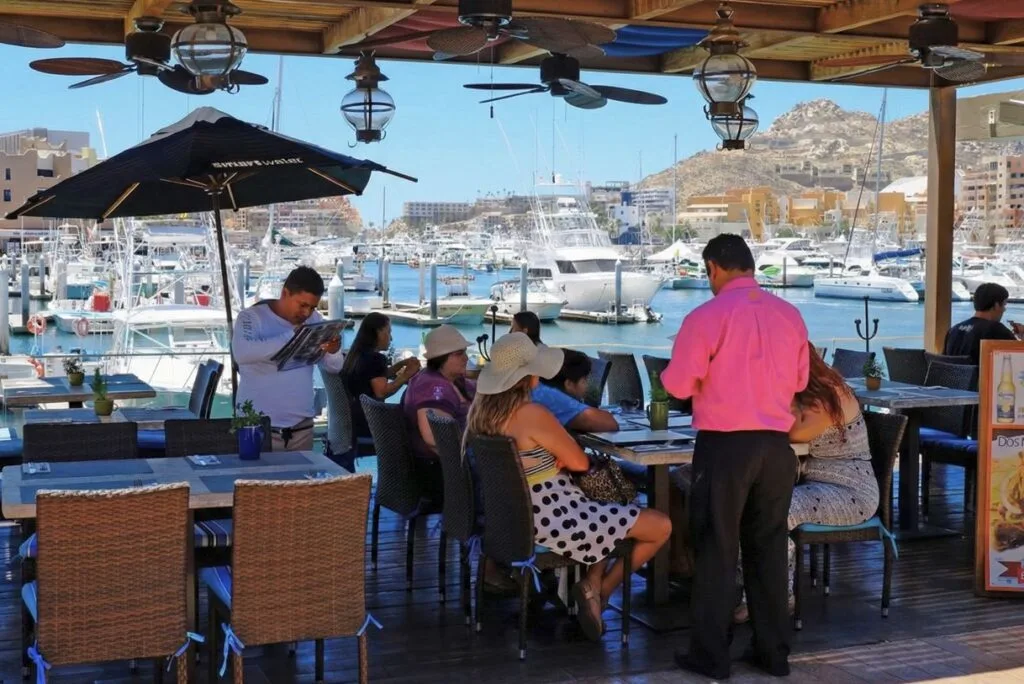
On paper, this law sounds like a massive win for international tourists who hate carrying wads of pesos. The legislation officially mandates that all businesses across the country—regardless of size—must implement mechanisms to receive digital transactions. This includes accepting credit and debit cards, QR codes, and NFC (tap-to-pay) technology.
However, before you leave your ATM card at home for your next Baja vacation, you need to understand the massive pushback currently brewing among local business owners.

The Local Backlash Against Mandatory Digital Payments
The transition to a cashless society is a massive hurdle for the Mexican economy, where a significant portion of daily commerce still operates informally.
The National Chamber of Commerce, Services and Tourism (Canaco) of Los Cabos has formally spoken out against the new law, warning that forcing small, independent vendors to instantly digitize their operations will do more harm than good. Ignacio Labandeira, the president of Canaco Los Cabos, pointed out that many locals and small business owners simply do not trust digital banking systems, heavily preferring the security and immediacy of hard cash.
The resistance from the local commercial sector revolves around two massive concerns: privacy and profits.


Why Your Favorite Taco Stand Doesn’t Want Your Credit Card
When a tourist hands a local vendor a $20 bill, that transaction is final. The vendor keeps the money, and the transaction is anonymous.
Under the new law, forcing that same vendor to use a digital payment terminal fundamentally changes their business model.
- The Tax Net: The federal government’s primary goal with this legislation is to formalize businesses and pull them into the Tax Administration Service (SAT) network. Local business owners view this as a massive overreach, arguing that the government wants to track every single transaction to extract taxes from vendors who are already operating on incredibly thin margins.
- Punishing Bank Fees: Small businesses in Mexico are routinely crushed by the fees associated with credit card terminals. If a tourist pays for a $3 taco with a credit card, the processing fees taken by the bank severely cut into the vendor’s profit. Labandeira warned that banks will likely exploit this new mandatory law by raising terminal rental fees and transfer charges even higher, effectively punishing small businesses for complying.
What This Means For Your Vacation
The new Digital Payments Law has officially passed both the Chamber of Deputies and the Senate and is awaiting final publication by the Executive Branch. However, passing a federal law in Mexico City and successfully enforcing it on the streets of Cabo San Lucas are two very different things.
The massive pushback from the local Chamber of Commerce guarantees that the rollout of this law will be incredibly slow and highly contested.
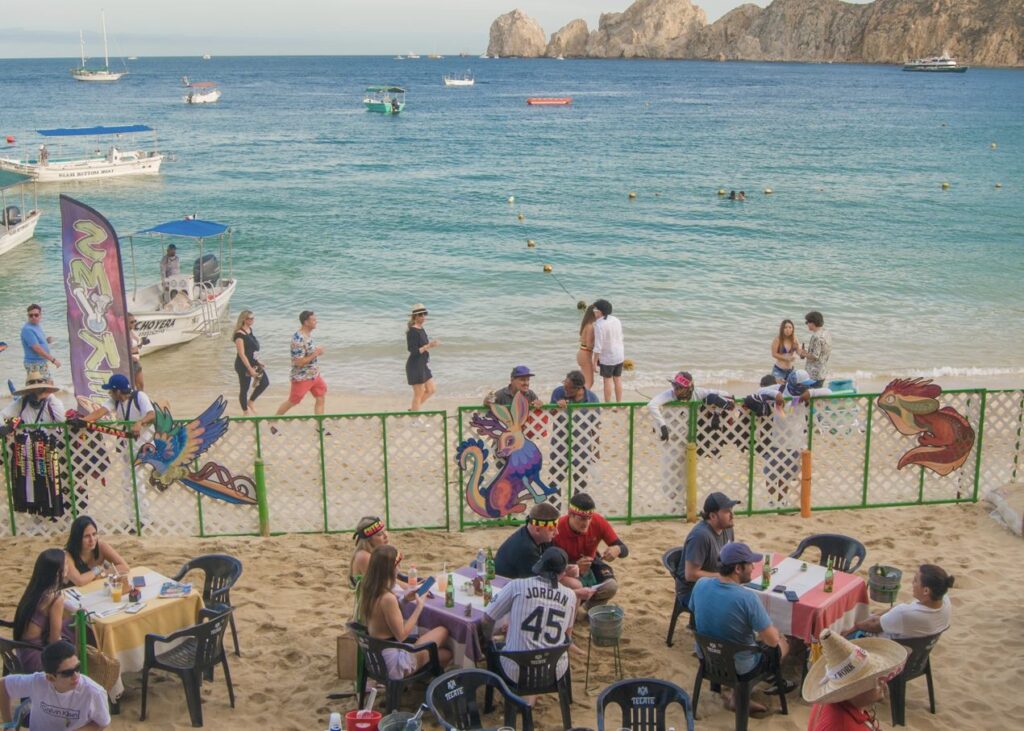
While you can rely on your credit card at your resort, do not expect the local artisan markets or beach vendors to suddenly whip out iPad payment terminals next week. You must still carry cash.

When traveling to Los Cabos, the smartest financial strategy remains a hybrid approach. Use your credit card for large expenses (hotel bills, expensive dinners, and major excursions) to earn travel points and get the best exchange rate.
However, always carry a few thousand Mexican Pesos (in smaller denominations like 50s and 100s) to pay for taxis, street food, and tips. By paying in cash, you are directly supporting the local workforce and ensuring that 100% of your money stays in the local economy, rather than being siphoned off by massive banking institutions.
Digital Economy Law
Mexico passed a sweeping new law requiring all businesses across the country to implement mechanisms for digital transactions, cards, and NFC.
Chamber of Commerce
Canaco Los Cabos warns that forcing small, independent vendors to instantly digitize will harm informal commerce where cash is preferred.
The Tax Net
Business owners fear the government wants to track every transaction to extract taxes from vendors operating on thin margins.
Punishing Bank Fees
Small vendors face high terminal rental and processing fees that will severely cut into profit margins on low cost items like tacos.
Always Carry Cash
Use your credit card for major resort expenses, but always carry Mexican pesos in smaller denominations for street food, taxis, and tips.
Join Our Cabo Sun Community of 20,000+ Members
Get real-time answers to your travel questions from our team of local experts and thousands of fellow travelers directly inside our interactive group.
Find Your Perfect Los Cabos Resort In Seconds
This simple, powerful tool was built by our on-the-ground experts to match you with the ideal resort for your specific budget and travel style.
The Ultimate Cabo Trip Planner
When’s the best time to go? Our powerful month-by-month guide breaks down the weather, crowds, hotel rates, and whale watching seasons for your perfect trip.
Enter your email address to subscribe to The Cabo Sun’s latest breaking news affecting travelers, straight to your inbox.