
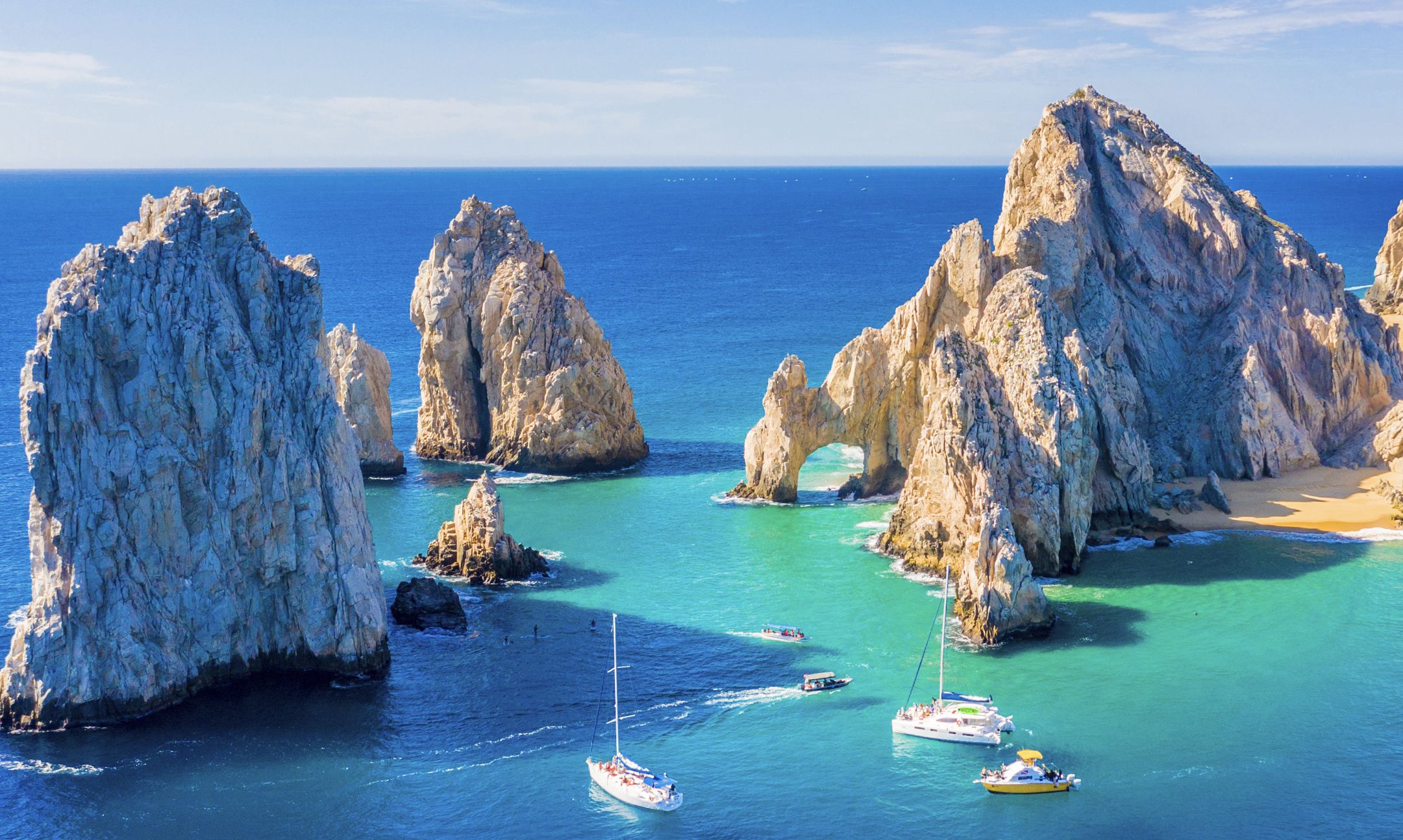
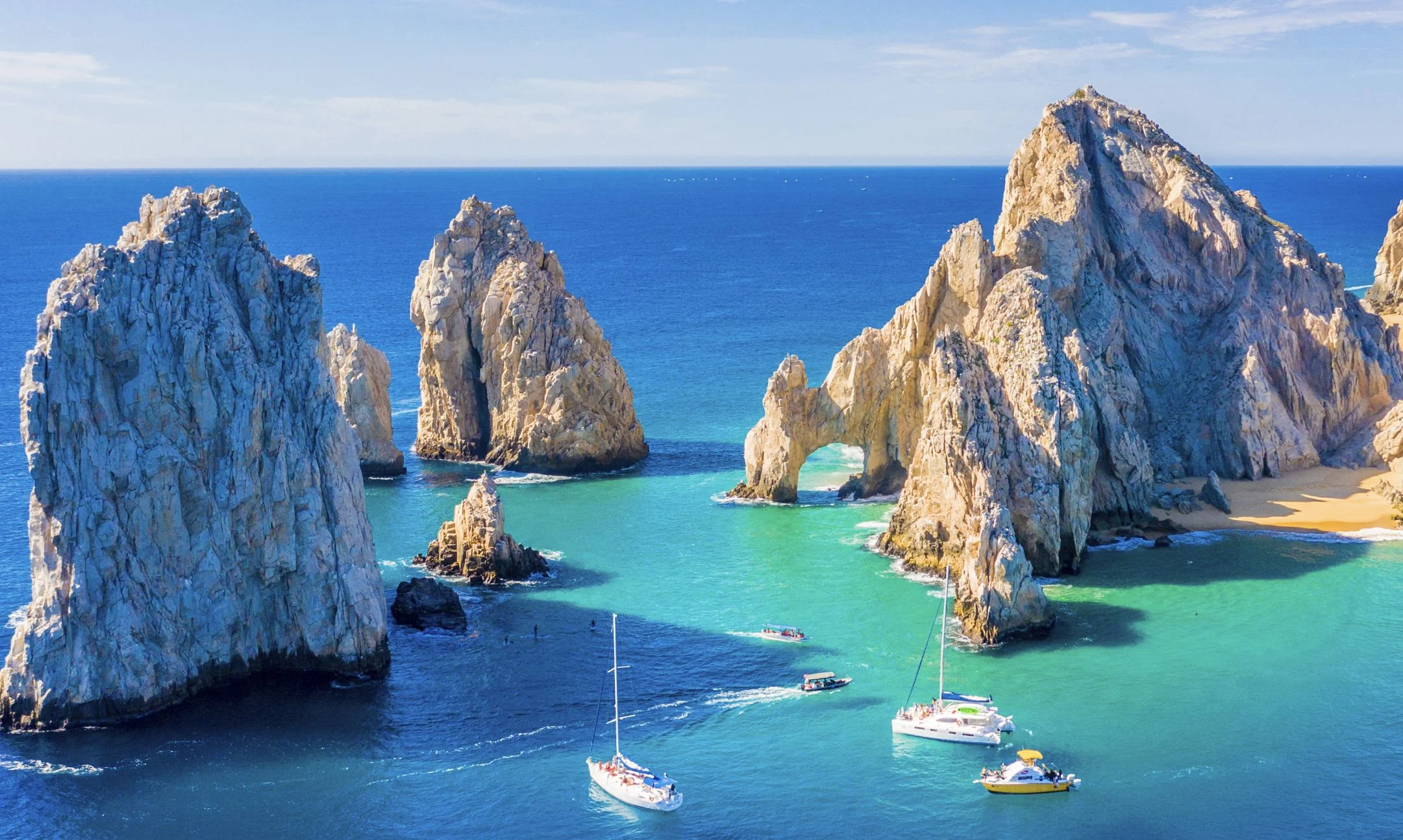
If you are an American traveler preparing to escape the impending winter freeze, a trip down to the sun-drenched beaches of Los Cabos is likely right at the top of your radar.
The Baja Peninsula is legendary for its flawless winter weather, offering endless days of dry heat, perfectly clear skies, and calm coastal breezes. But if you have been paying attention to the latest meteorological reports, you might have noticed a massive climate headline dominating the news cycle.
The National Oceanic and Atmospheric Administration (NOAA) has officially issued a warning that a “very strong” El Niño event is highly likely to develop during the upcoming fall and winter of 2026-2027. Some climate models are even suggesting this could evolve into a “Super” El Niño, driven by ocean temperatures sitting well above their historical averages.
Whenever a major weather term like this starts trending, it is easy to assume the worst and start second-guessing your vacation plans.
But before you panic and reconsider your flights to the Sea of Cortez, you need to understand how this specific global climate phenomenon actually interacts with the unique desert environment of Baja California Sur.
Here is exactly what the incoming El Niño means for your Los Cabos vacation, from ocean temperatures to sportfishing and what you actually need to pack.
Understanding the El Niño Effect
To understand how your vacation will be impacted, it helps to know what is actually happening in the Pacific.
El Niño is a naturally occurring climate pattern characterized by anomalously warm ocean waters in the central and eastern equatorial Pacific. Under normal conditions, trade winds blow from east to west, pushing warm surface water toward Asia and pulling cold, deep water up to the surface along the coasts of the Americas.
During an El Niño event, those trade winds weaken. Without the wind pushing it away, a massive pool of warm water builds up and pushes eastward, directly impacting the western coastline of the Americas—including the Baja peninsula. This massive shift in ocean heat acts as an engine, altering atmospheric circulation and effectively changing weather patterns on a global scale.
The Good News: Warmer Swimming and Incredible Fishing
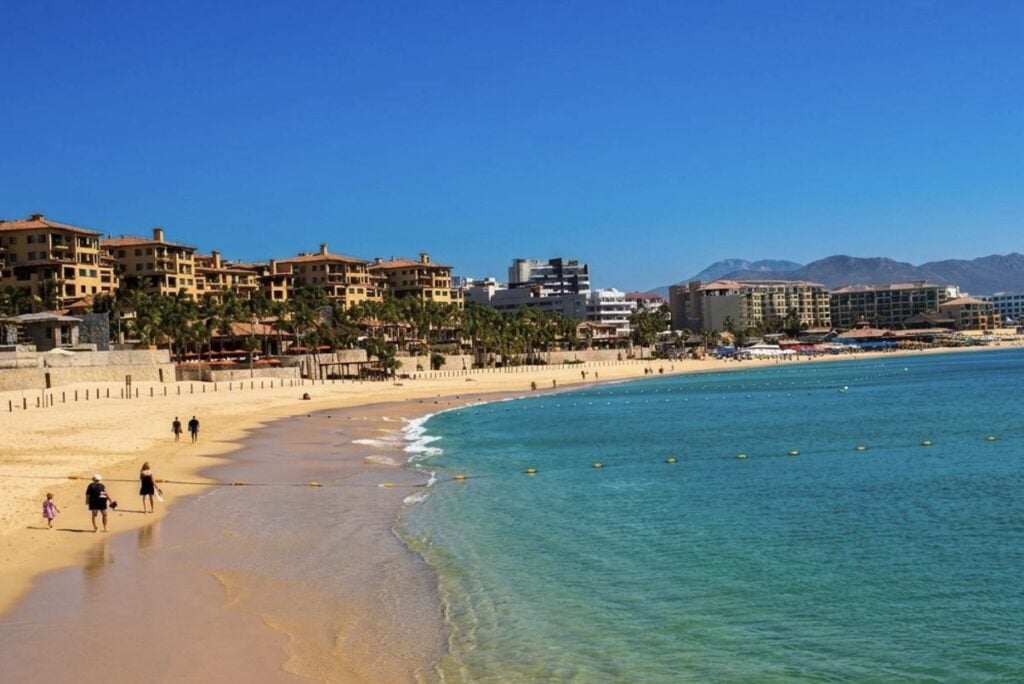
If you are a traveler who prefers their ocean water to feel like a warm bath, an El Niño winter is actually going to be your best friend.
Typically, the waters around Los Cabos begin to cool down significantly by late December and January. While the air temperature remains perfectly warm, getting into the Pacific Ocean or the Sea of Cortez during a standard winter often requires a bit of bravery or a thin wetsuit. However, because El Niño pushes a massive layer of warm water toward the coast, the sea surface temperatures around Los Cabos will likely remain unusually high well into the winter months.

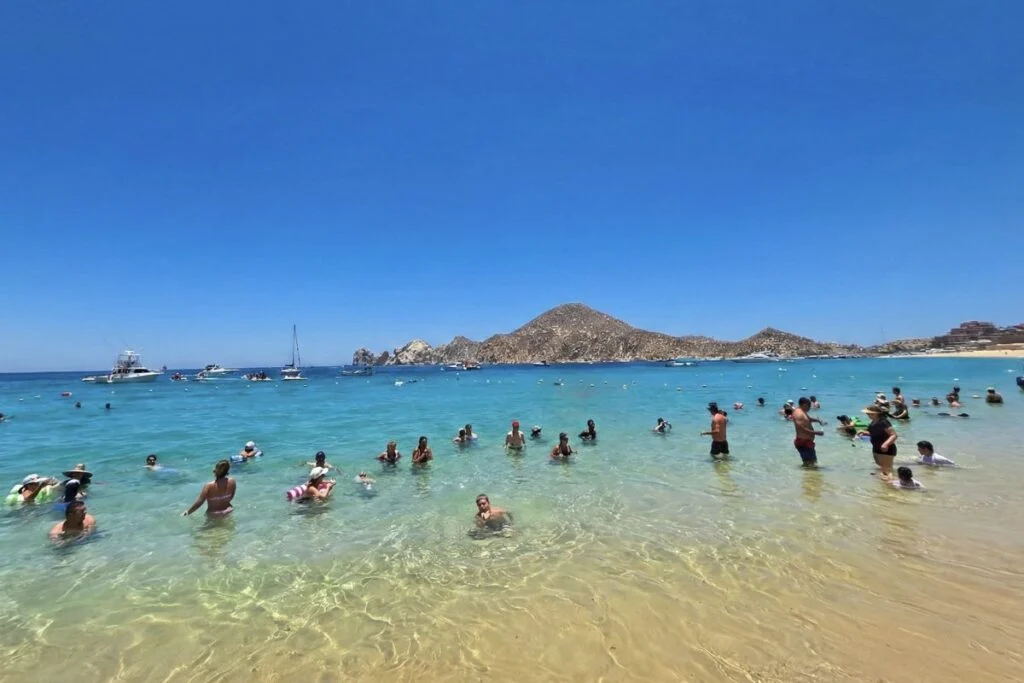
This warming effect also triggers a massive shift in the local marine ecosystem, creating a once-in-a-decade scenario for sportfishing enthusiasts.
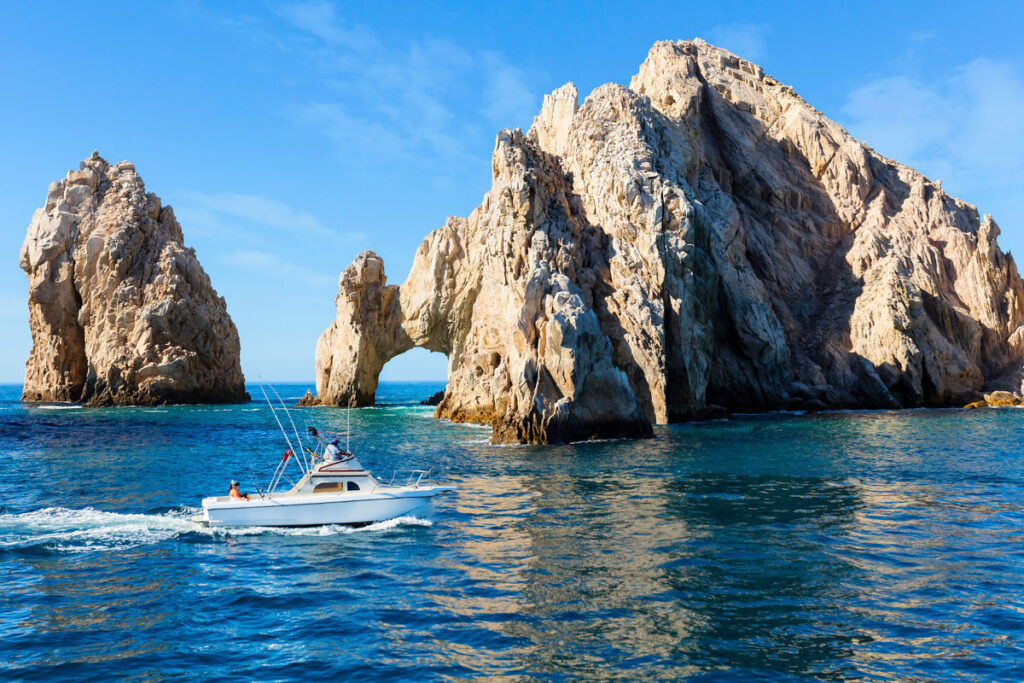
The warmer water temperatures attract large, open-ocean tropical fish closer to the shoreline. During strong El Niño years, species that usually stay further south or deep offshore—such as yellowfin tuna, dorado (mahi-mahi), and even certain types of marlin—expand their territory vertically and horizontally.
For tourists booking fishing charters out of the Cabo San Lucas marina, this means the potential for absolutely legendary catches without having to burn hours driving deep into the open ocean.
The Weather Shift: Expect the Unexpected
The most famous characteristic of the Baja peninsula is its arid, bone-dry desert climate. It is the reason millions of tourists flock here to guarantee their vacation will not be washed out.
However, El Niño alters the jet stream, which generally leads to a shift in winter storm tracks. Historically, a strong El Niño pattern tilts the odds toward a wetter-than-normal winter for Southern California and northern Baja. While Los Cabos sits at the very southern tip of the peninsula and remains heavily insulated by its desert geography, you should expect a slight shift from the standard forecast.
This does not mean your week-long vacation will be ruined by non-stop monsoons. Instead, you might simply experience slightly higher humidity levels than a typical crisp January afternoon. You might also encounter a few passing, unseasonal winter rain showers.

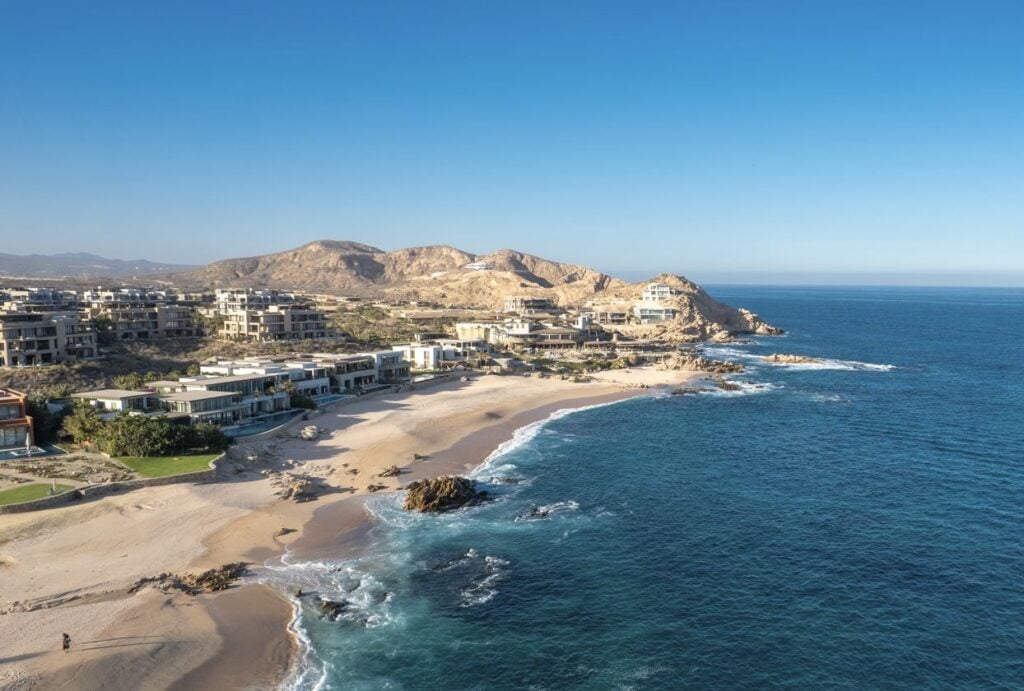
Additionally, because El Niño alters atmospheric pressure and sea levels, the region can experience stronger ocean swells and higher tides. If you are staying at a beachfront resort along the Pacific side, you can expect the crashing waves to be significantly more dramatic and aggressive than usual, making the views from the infinity pool spectacular—even if the red warning flags are flying on the sand.
The Bottom Line: Do Not Cancel Your Trip
Should you cancel your winter getaway to Los Cabos because of the El Niño warning? Absolutely not.
The Baja Peninsula will still offer exponentially better weather than almost anywhere else in North America during the dead of winter. The only real adjustment you need to make is in your suitcase. While you should still pack your swimsuits, sunglasses, and sandals, it would be wise to throw a light rain jacket or a comfortable windbreaker into your bag just in case a rogue winter shower rolls through the desert.
Embrace the warmer ocean temperatures, book that deep-sea fishing charter, and get ready to enjoy a highly unique, beautifully dynamic season in Los Cabos.
Join Our Cabo Sun Community of 20,000+ Members
Get real-time answers to your travel questions from our team of local experts and thousands of fellow travelers directly inside our interactive group.
Find Your Perfect Los Cabos Resort In Seconds
This simple, powerful tool was built by our on-the-ground experts to match you with the ideal resort for your specific budget and travel style.
The Ultimate Cabo Trip Planner
When’s the best time to go? Our powerful month-by-month guide breaks down the weather, crowds, hotel rates, and whale watching seasons for your perfect trip.
Enter your email address to subscribe to The Cabo Sun’s latest breaking news affecting travelers, straight to your inbox.