
Few travel sights in the world compare to the dramatic meeting of desert and sea at Land’s End in Los Cabos. Watching golden granite cliffs plunge directly into deep sapphire water is breathtaking, and it is easy to see why millions of travelers book getaways to Cabo San Lucas and San José del Cabo every year.
However, beneath that picture-perfect beauty lies a dangerous reality that too many first-time visitors underestimate: the beaches here are not like the calm, gentle shores of the Caribbean.
Following a dynamic late-summer and early-fall weather pattern across the eastern Pacific—where tropical systems and seasonal storms churn up powerful deep-ocean swells—local authorities are doubling down on beach safety advisories. If you are packing your bags for a Baja getaway, the number one warning you need to take seriously is the municipal beach flag system. Ignoring these simple colored flags is the single fastest way to turn a dream vacation into an emergency rescue.

Why Los Cabos Waters Demand Respect
To stay safe in Cabo, you have to understand the unique geography of the Baja Peninsula. The region sits at the collision point of two completely different marine environments: the open Pacific Ocean to the west and the Sea of Cortez (Gulf of California) to the east.
The Pacific side is infamous for its colossal shorebreaks, steep underwater drop-offs, and relentless rip currents. Waves traveling thousands of miles across open ocean crash directly onto the sand with immense kinetic energy.
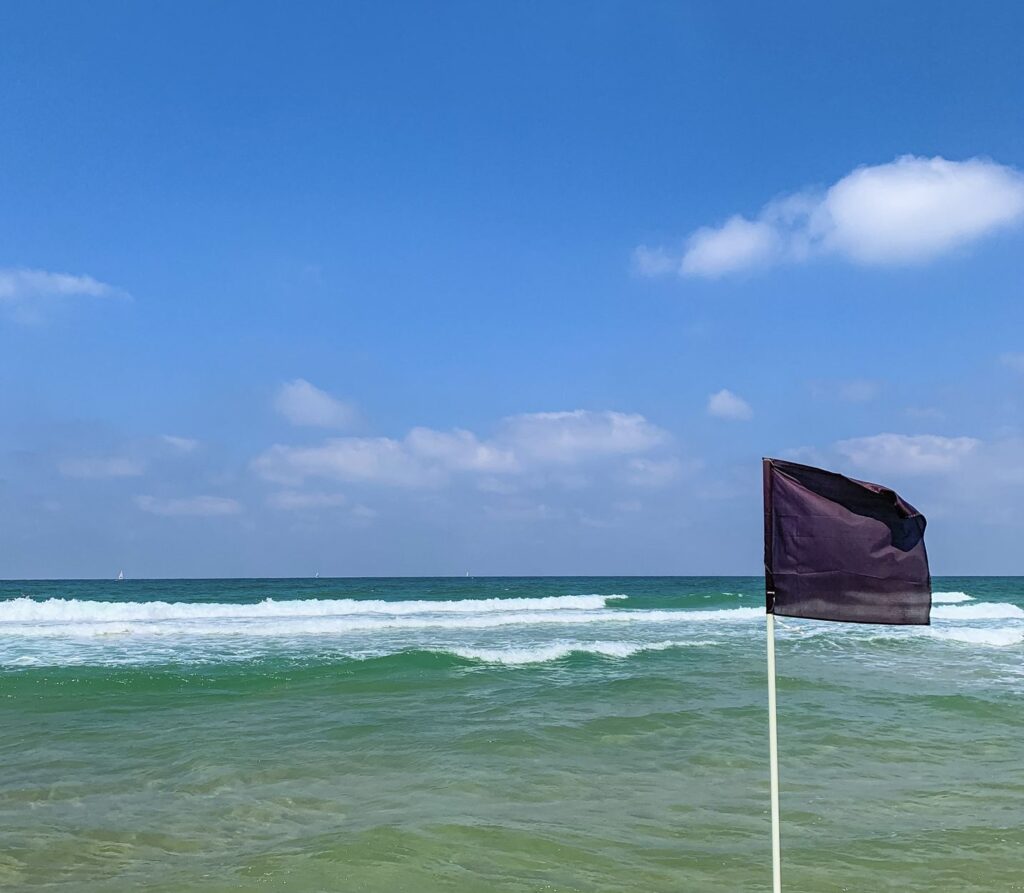
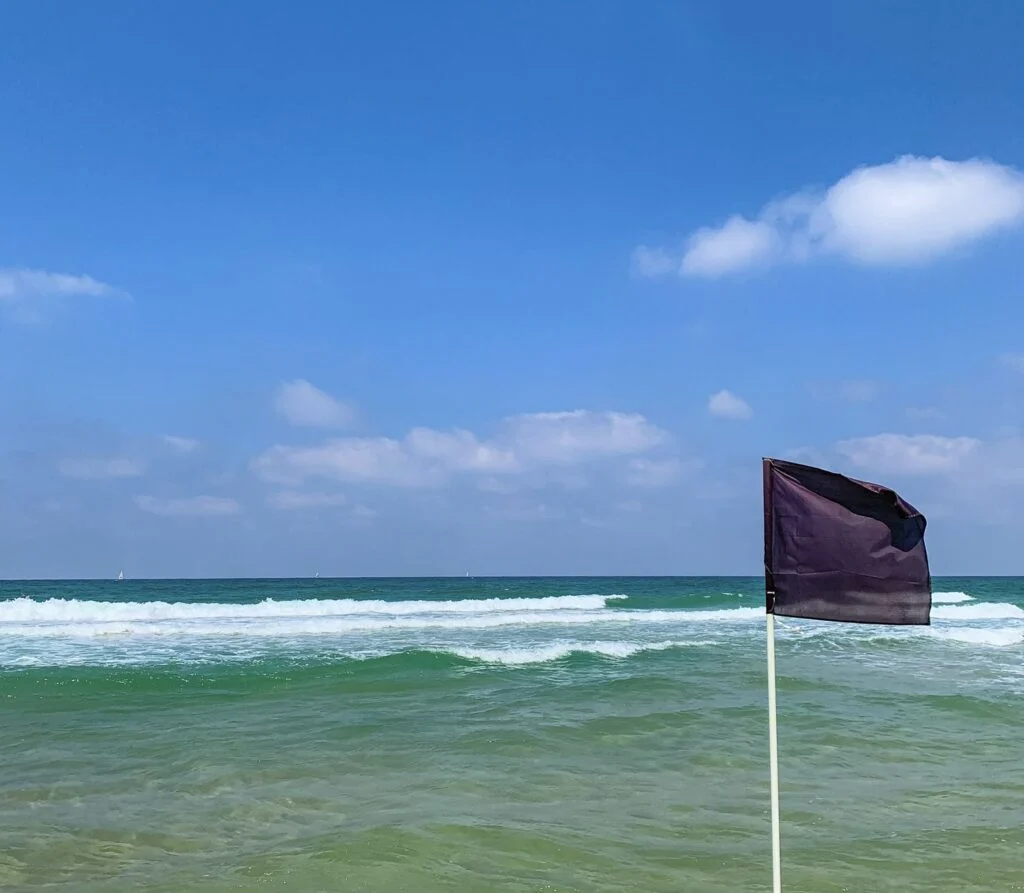
Even on a bright, sunny afternoon without a cloud in the sky, distant offshore storms can generate rogue swells that sweep high up onto dry sand, knocking unsuspecting beachgoers off their feet and dragging them into the undertow in seconds.
While the Sea of Cortez side offers far more protected, swimmable bays, changing tides and passing storms can still shift conditions rapidly. That is why local Civil Protection and ZOFEMAT (the Federal Maritime Terrestrial Zone) maintain an active, daily beach flag warning system along all major coastal zones.

The Los Cabos Beach Flag Color Guide
Before you kick off your sandals or set down your towel, always look for the warning flag flying at the entrance of the beach or near the lifeguard stand. Here is what each color means:
- Green Flag (Safe Conditions): Water conditions are calm, clear, and safe for swimming, snorkeling, and water recreation. While green flags are common in sheltered coves, they are exceedingly rare along open Pacific stretches.
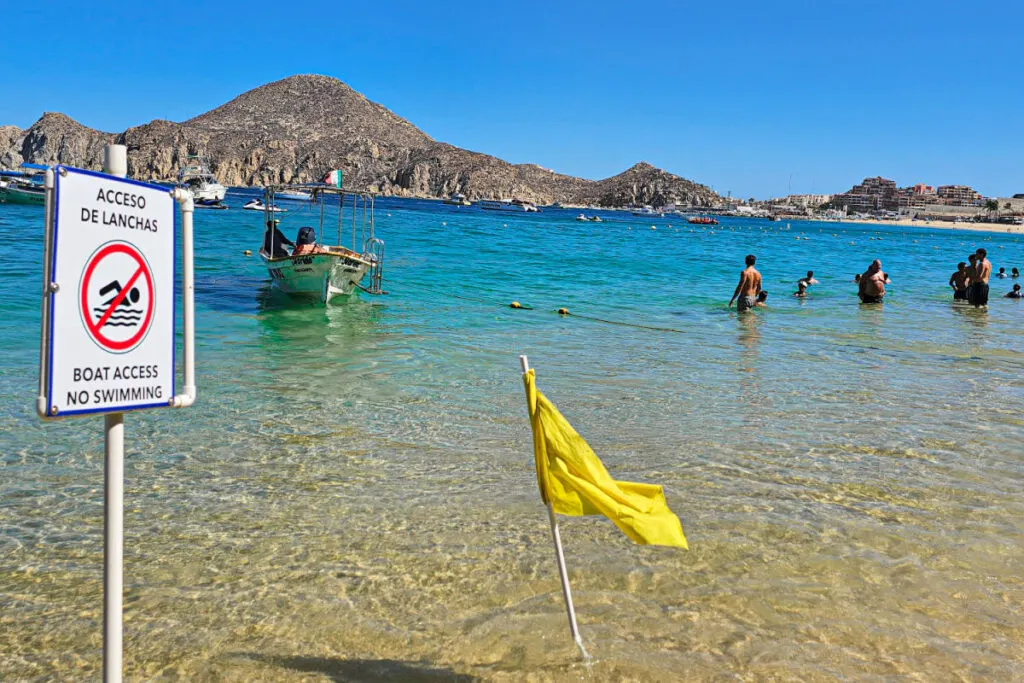
- Yellow Flag (Use Caution): Swimming is permitted, but elevated care is required. You can expect moderate waves, shifting undertows, or changing tidal currents. Swimmers should stay close to shore and keep weak swimmers or children out of deeper water.
- Red Flag (Extreme Danger – No Swimming): Water conditions are actively hazardous due to strong surf, powerful undertows, or severe rip currents. Entering the ocean is strictly prohibited or strongly warned against. Even standing at the shoreline edge with water up to your ankles can be dangerous.
- Black Flag (Total Beach Closure): The highest level of danger. A black flag signifies extreme coastal conditions, typically caused by severe storm swells, high tides, or debris. The beach is entirely closed to the public; do not step onto the sand or approach the surf under any circumstances.
- White Flag (Marine Life Warning): While less common, a white flag alerts beachgoers to the presence of dangerous marine fauna in the shallows, such as jellyfish blooms, stingrays, or sea urchins.


Where You Can Actually Swim
A common mistake made by first-time visitors is assuming that booking a beachfront resort means you have a swimmable beach directly behind your patio. In Los Cabos, many luxury corridors—including the Pacific coast of Cabo San Lucas and several stretches along the Tourist Corridor—are permanently non-swimmable.
If you want to spend your days floating in tranquil water rather than lounging exclusively poolside, stick to Cabo’s designated swimmable Blue Flag beaches:
- Médano Beach (Playa El Médano): The main hub of Cabo San Lucas. Tucked inside the bay, Médano features gentle surf, water taxi access, and the most reliable swimmable conditions near town.
- Chileno Bay (Playa Chileno): A world-class snorkeling cove along the Tourist Corridor boasting calm, crystal-clear water and vibrant coral reefs.
- Santa María Bay: A horseshoe-shaped bay protected by rocky bluffs, making it an exceptional spot for swimming and paddleboarding.
- Playa Palmilla: Located near San José del Cabo, this protected bay is a favorite for local families, morning swimmers, and ocean kayaking.


Non-Negotiable Beach Safety Rules
Making the most of your Baja vacation simply comes down to situational awareness. Keep these golden rules front of mind whenever you hit the coast:
- Never Turn Your Back on the Ocean: Rogue waves are very real along open coastline stretches. Always keep your eyes on the incoming sets, especially when taking photos near the water’s edge.
- Stay Clear of Lover’s Beach on Rough Days: The iconic sands near Land’s End can quickly become trapped by heavy swells rolling in from the Pacific side (Divorce Beach). Always heed lifeguard instructions and water taxi advice before stepping ashore.
- When in Doubt, Ask a Lifeguard: If you arrive at a beach and do not immediately spot a flag, ask on-duty ZOFEMAT personnel or hotel staff before entering the water.
Los Cabos offers some of the most dramatic coastal views in the Americas.
By respecting the power of the ocean and following the flag warnings, you can enjoy the very best of Baja with complete peace of mind.
Join Our Cabo Sun Community of 20,000+ Members
Get real-time answers to your travel questions from our team of local experts and thousands of fellow travelers directly inside our interactive group.
Find Your Perfect Los Cabos Resort In Seconds
This simple, powerful tool was built by our on-the-ground experts to match you with the ideal resort for your specific budget and travel style.
The Ultimate Cabo Trip Planner
When’s the best time to go? Our powerful month-by-month guide breaks down the weather, crowds, hotel rates, and whale watching seasons for your perfect trip.
Enter your email address to subscribe to The Cabo Sun’s latest breaking news affecting travelers, straight to your inbox.