
When tourists think about safety in Mexico, many only bring up headlines about dangers far away from tourist areas.
But if you talk to the emergency room doctors and paramedics actually working in Los Cabos, they will tell you a completely different story. The southern tip of the Baja Peninsula is heavily guarded and incredibly insulated from mainland crime. The real danger here isn’t walking down the street; it is the natural environment and the illusion of a consequence-free vacation.
Every single day, the world-class private hospitals in Cabo San Lucas and San José del Cabo fill up with tourists suffering from severe, often life-altering injuries that were almost entirely preventable. The juxtaposition of a luxury, manicured resort sitting right next to a wild, untamed ocean creates a dangerous blind spot for travelers.
If you want to ensure your vacation ends with a flight home rather than a medical evacuation, here are the most common ways tourists get hurt in Los Cabos, and exactly how to avoid them.


1. The “Cabo Mistake” (Ocean Trauma & Near-Drownings)
This is the single most common and lethal threat in Los Cabos.
The Danger: Tourists look out from their Pacific-facing resorts, see a beautiful, empty beach, and walk right into the water. What they don’t realize is that the ocean floor drops off precipitously just a few feet from the sand. This bathymetry allows massive, open-ocean Pacific swells to smash directly onto the beach with concussive, explosive force.
These “shorebreaks” will easily knock a grown adult off their feet, slam them into the dense sand (causing severe spinal and collarbone fractures), and drag them out to sea in a massive undertow.
How to Avoid It:
- Never Swim on the Pacific Side: Beaches like Divorce Beach, Pedregal, and Playa Solmar are strictly for walking and taking photos. Do not even put your ankles in the water.
- Obey the Flags: If you see a red flag (high danger) or a black flag (extreme danger/beach closed), stay off the wet sand entirely. Rogue waves frequently surge much higher up the beach than expected.
- Swim in the Sea of Cortez: If you want to get in the water, you must go to naturally protected bays like Medano Beach, Chileno Bay, or Santa Maria.

2. The “Stingray Shuffle” (Marine Envenomation)
The Sea of Cortez is famous for its incredible biodiversity, but that wildlife occasionally interacts with tourists in painful ways.
The Danger:
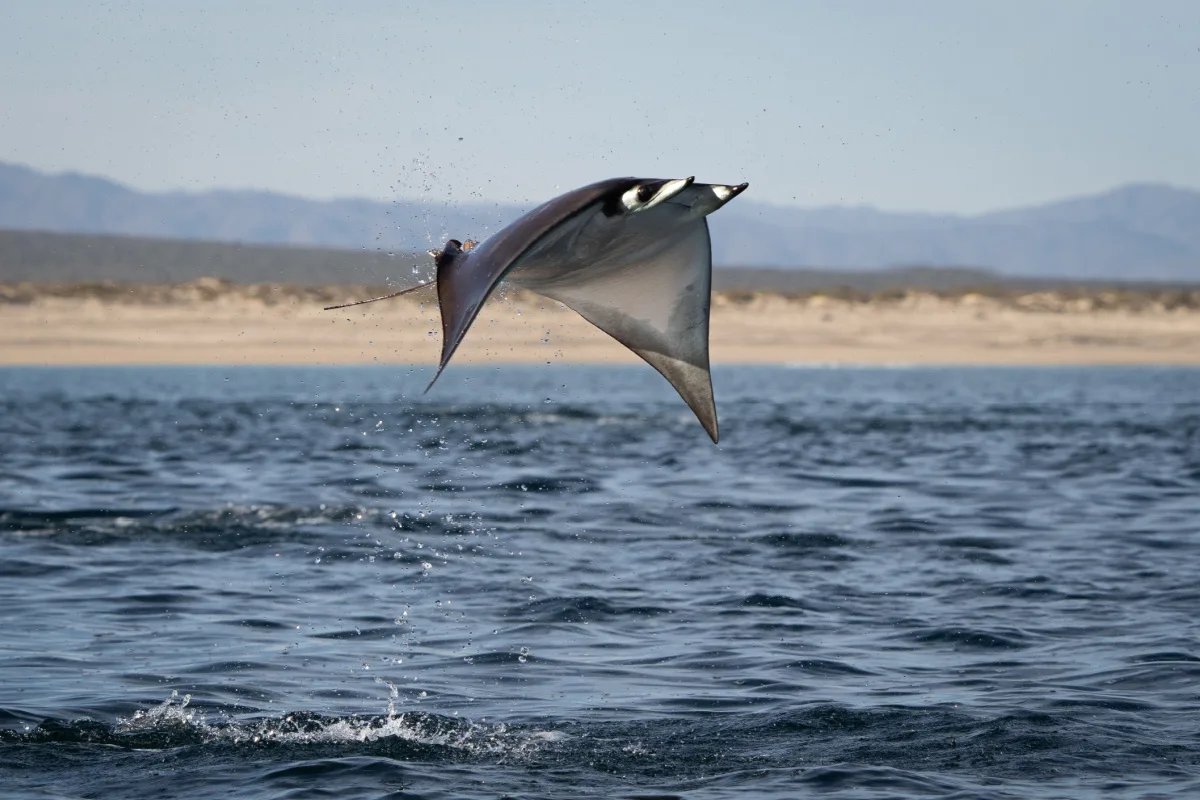
During the warmer months, the shallow, sandy shorelines of swimmable beaches are prime resting spots for small, docile stingrays. They bury themselves under a thin layer of sand to hide. When an unaware tourist steps directly on top of one, the ray reflexively whips its tail up, driving a serrated, venomous barb deep into the foot or ankle. The resulting pain is excruciating and requires immediate medical attention to prevent severe bacterial infection.
How to Avoid It:
- Do The Shuffle: When walking into the ocean, never take high, stomping steps. Instead, slide your feet continuously through the sand (the “stingray shuffle”). The vibrations will scare the rays away long before you ever step on them.

3. The Desert Crash (ATV and UTV Trauma)
Renting an ATV to speed through the desert canyons is one of the most popular excursions in Cabo, but it is also the leading cause of catastrophic orthopedic trauma.
The Danger:
These tours are largely unregulated. You are putting inexperienced tourists—who have often been drinking at the resort pool all morning—on heavy, powerful machines and sending them across uneven, rocky terrain.
Emergency rooms in Cabo constantly treat “pilon fractures” (shattered ankles from bracing for a crash) and severe spinal trauma from high-speed rollovers where riders are violently ejected.
How to Avoid It:
- Upgrade Your Ride: Never rent an ATV (a four-wheeler you sit on). Always opt for a UTV (a side-by-side buggy you sit in). UTVs have structural roll cages and multi-point seatbelts that drastically reduce the chance of being crushed in a rollover.
- Stay Sober: Treat an off-road excursion with the same respect you would driving your own car on the highway. Do not consume alcohol before getting behind the wheel of a heavy machine.


4. “Montezuma’s Revenge” (Gastrointestinal Illness)
While not a traumatic physical injury, severe Traveler’s Diarrhea is the most statistically probable medical issue that will ruin your Cabo itinerary.
The Danger:
The municipal tap water in Mexico is not biologically safe for human consumption. While five-star luxury resorts have massive, highly advanced internal filtration systems that make their ice and washed produce perfectly safe, stepping off the resort property carries a risk. Consuming contaminated water or improperly washed raw vegetables at a local street stand can lead to a rapid, debilitating bacterial infection, causing severe dehydration and vomiting.
How to Avoid It:
- Bottled Water Only: If you are outside of your luxury resort, only drink factory-sealed bottled beverages. Use bottled water to brush your teeth in your hotel room just to be safe.
- Peel It or Cook It: Avoid raw leafy salads or fresh regional cheeses at small, off-resort restaurants. Stick to hot, thoroughly cooked meals, or fruits that you have to physically peel yourself (like bananas or oranges).
- Pack the Meds: Bring a prophylactic supply of Bismuth subsalicylate (Pepto-Bismol) with you. It is highly effective at neutralizing the bacteria before it causes a severe infection.
The Clinic Evader
A luxury resort sitting next to an untamed ocean creates a dangerous blind spot. Tap a card to uncover the 5 preventable medical emergencies that ruin thousands of Cabo vacations.
THE “CABO MISTAKE”
Pacific Shorebreaks
TAP TO REVEALTHE STINGRAY
Hidden Barbs
TAP TO REVEALDESERT CRASHES
Off-Road Danger
TAP TO REVEALSTOMACH BUGS
Montezuma’s Revenge
TAP TO REVEALTHE FAILSAFE
Travel Insurance
TAP TO REVEALThe Ultimate Failsafe: Travel Medical Insurance
If you do suffer a severe injury in Los Cabos, the private hospitals (like Hospiten or Saint Luke’s) are world-class and fully equipped to save your life. However, they operate on a strict “pay-for-service” model.
They will not accept your standard U.S. or Canadian health insurance, and they will demand massive, upfront credit card deposits before performing surgery or admitting you to the ICU.
The Fix: You absolutely must purchase a comprehensive Travel Medical Insurance policy before your flight. Ensure the policy specifically covers high-limit emergency medical expenses and, crucially, includes coverage for a private air-ambulance medical evacuation back to your home country in case of a catastrophic injury.
The Ultimate Cabo Trip Planner
When’s the best time to go? Our powerful month-by-month guide breaks down the weather, crowds, hotel rates, and whale watching seasons for your perfect trip.
Find Your Perfect Los Cabos Resort In Seconds
This simple, powerful tool was built by our on-the-ground experts to match you with the ideal resort for your specific budget and travel style.
Subscribe to our Latest Posts
Enter your email address to subscribe to The Cabo Sun’s latest breaking news affecting travelers, straight to your inbox.