
Heading down to Cabo in late summer comes with serious perks, from lower resort rates to uncrowded pool decks. But there is a distinct trade-off you need to know about before you board your flight. The tail end of August and the entire month of September mark the statistical peak of the Pacific storm season in Los Cabos.
For the travelers heading down south right now, this does not mean your trip is doomed or that you will spend a week trapped inside your hotel room. What it does mean is that ocean conditions can change fast, beach flags carry real weight, and knowing how to handle weather delays is the difference between a great vacation and a frustrating one.

What Civil Protection Is Warning Right Now
Local emergency authorities are already stepping up their seasonal alerts. Francisco Cota Marquez, director of Civil Protection and Risk Management for Los Cabos, recently issued a heads-up that tropical cyclone activity and heavier rains typically peak between the final days of August and the first week of September.
The municipality prepares heavily for this stretch every single year. Officials have already mapped out more than 40 emergency shelters across the region to handle potential storm systems. More importantly for visitors, 18 major area hotels have been officially inspected and certified as temporary self-contained shelters.

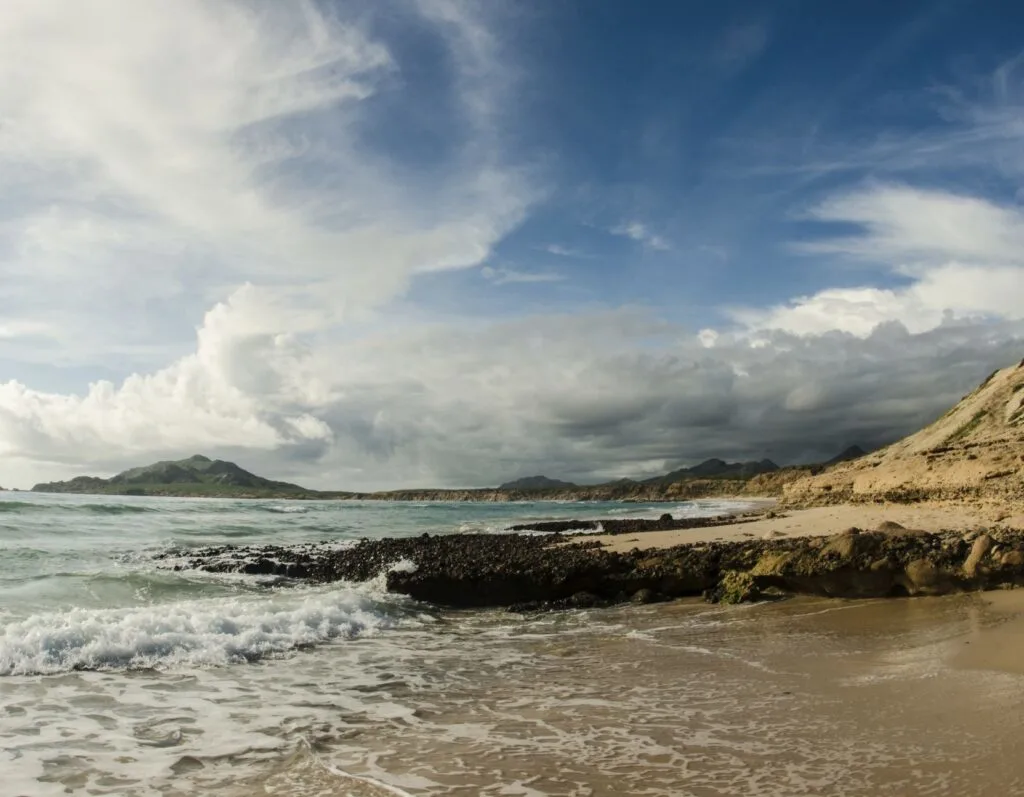
If a named storm does make a direct pass, certified resorts have industrial backup generators, reinforced structures, and dedicated emergency supplies on hand. That means guests stay safe and comfortable on property rather than dealing with off-site evacuations.
Quick Squalls And Choppy Waters
You do not need a full-blown hurricane off the coast to feel the seasonal shift. Late August brings sharp bursts of humidity and localized wind squalls that locals refer to as “Los Toritos.”
These are fast-moving weather events that blow in suddenly, drop a quick downpour, kick up localized wind gusts, and move on just as fast. While they usually pass within an hour or two, they can cause temporary headaches like knocked-down tree branches, brief power flickers, and choppy coastal water.
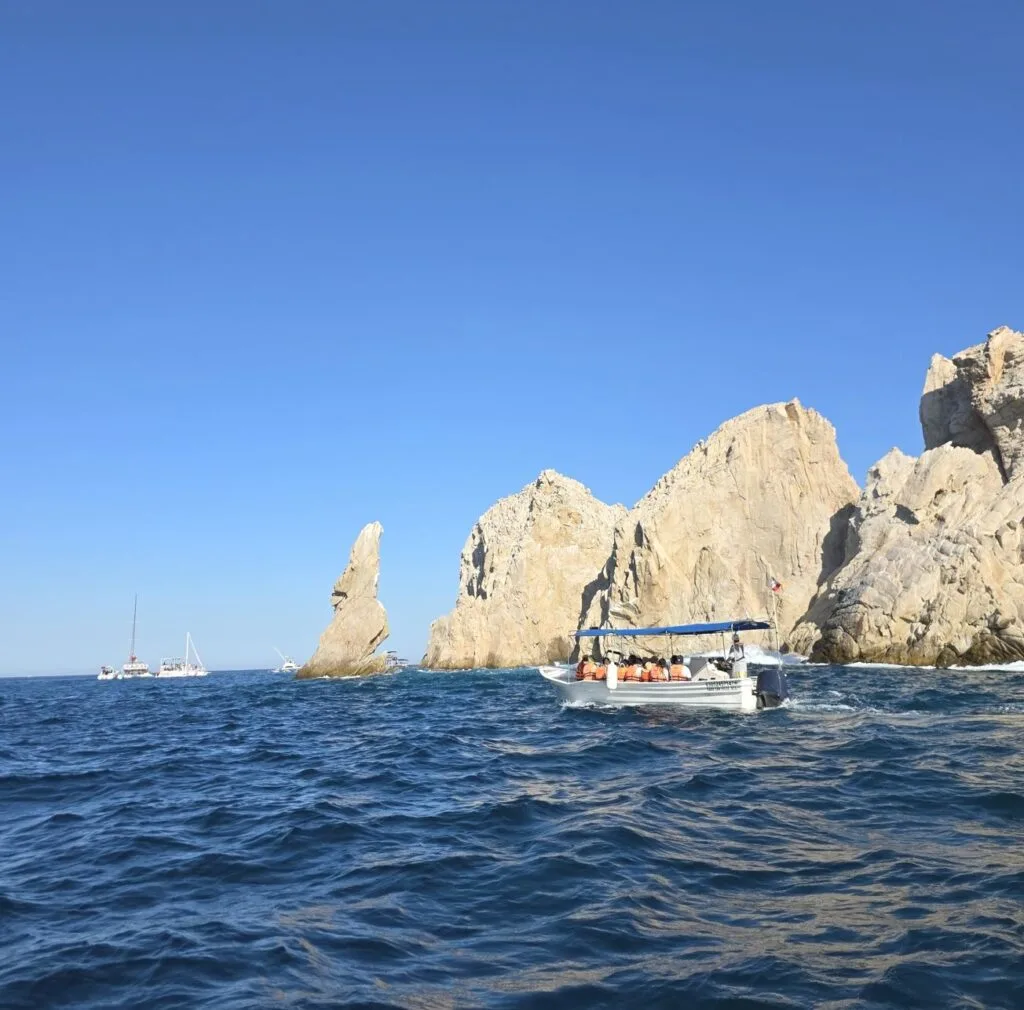
A recent incident in the Tourist Corridor showed just how quickly rough surf can catch people off guard. A small tour boat operating in heavy wave swells was criticized for going out on a tour.
It serves as a straightforward reality check. When wave swells pick up, the open water is not the place to be.
What Red Flags And Port Closures Actually Mean
One common surprise for first-time visitors is waking up to bright sunshine, walking down to the beach, and finding solid red warning flags planted in the sand.
Because the southern tip of Baja is where the deep, open Pacific Ocean collides with the Sea of Cortez, long-period ocean swells from distant tropical systems push massive underwater energy straight into the coastline. Even on a clear, sunny morning, the surf can produce heavy shorebreaks and deadly rip currents.
When you see a red flag, swimming is strictly prohibited. It does not matter how calm the surface looks between sets or how confident you feel in the water. Keep your swimming confined to the resort pool and save the ocean swim for certified calm bays when conditions allow.

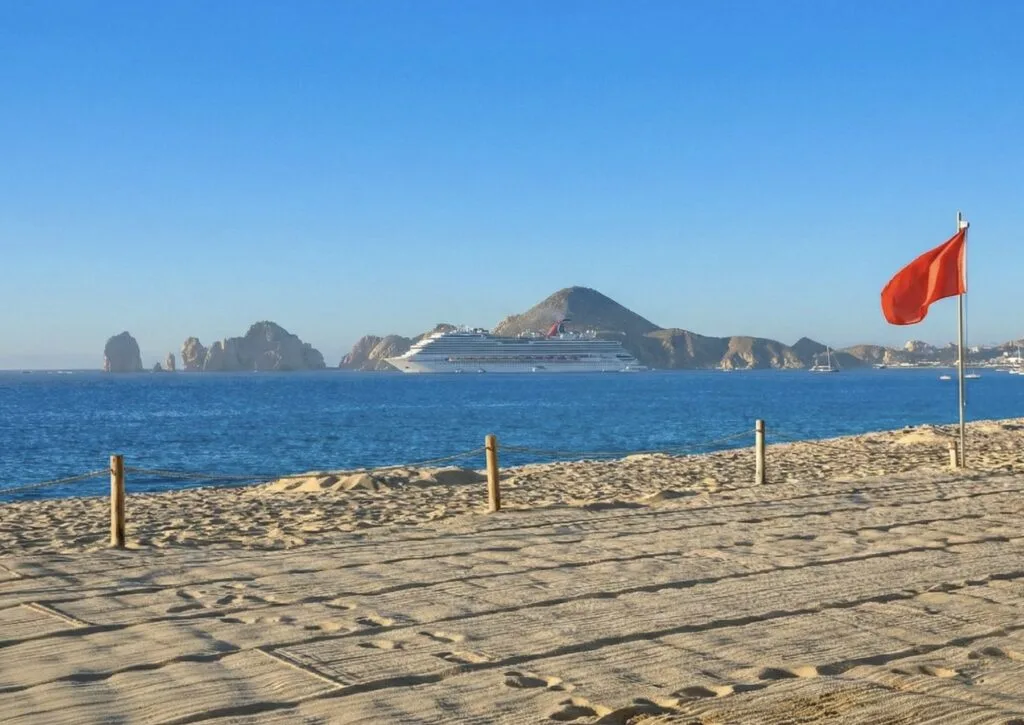
Additionally, when swells reach dangerous heights, the Cabo San Lucas harbor master will order a temporary port closure for all small watercraft. That immediately halts all boat trips out to the Arch, jet ski rentals, and snorkeling excursions to Santa Maria or Chileno Bay until conditions settle down.
Practical Tips For Navigating Peak Season
Managing peak storm season simply comes down to building a little flexibility into your daily schedule:
- Book Morning Excursions: Pacific wind and ocean swell almost always build in the afternoon. If you want to get out on a boat, schedule your departure for early morning when water conditions are at their calmest.
- Verify Weather Refund Policies: Only book boat tours and water charters with operators that offer automatic rescheduling or 100% refunds in US dollars if the port gets closed by maritime authorities.

- Keep An Inland Backup Plan: If ocean activities are shut down for the day, pivot inland. Off-road desert ATV trails, canyon zipline circuits, and camel safaris are rarely impacted by coastal surf warnings.
- Explore The Inland Food Scene: Rainy or windy afternoons are a great opportunity to explore the farm-to-table culinary spots tucked into the foothills outside San Jose del Cabo or book a spa day at the resort.
A passing rain shower or rough surf day will not ruin a trip to Los Cabos, as long as you pay attention to the warnings and stay smart about water safety.
Los Cabos Storm Season Guide
Join Our Cabo Sun Community of 20,000+ Members
Get real-time answers to your travel questions from our team of local experts and thousands of fellow travelers directly inside our interactive group.
Find Your Perfect Los Cabos Resort In Seconds
This simple, powerful tool was built by our on-the-ground experts to match you with the ideal resort for your specific budget and travel style.
The Ultimate Cabo Trip Planner
When’s the best time to go? Our powerful month-by-month guide breaks down the weather, crowds, hotel rates, and whale watching seasons for your perfect trip.
Enter your email address to subscribe to The Cabo Sun’s latest breaking news affecting travelers, straight to your inbox.
Kristina
Wednesday 26th of August 2026
Is this what happened yesterday? I was watching some webcams and it got really bad very quickly.