
Los Cabos authorities, alongside Zofemat (the Federal Maritime Terrestrial Zone), have launched a renewed public awareness campaign detailing the local beach flag warning system. The guidelines are absolute, mandated by the government, and designed entirely to prevent drownings.
However, for a first-time traveler, walking onto the sand in Los Cabos can feel like stepping into a massive contradiction. You read the official warning on the municipal signs, look up, and immediately see hundreds of tourists doing the exact opposite.
If you want to survive your vacation without incident, you must side 100% with the government warnings and ignore the crowds. Here is the street-level reality of the Cabo flag system, why it looks confusing, and why following the herd is the most dangerous thing you can do.
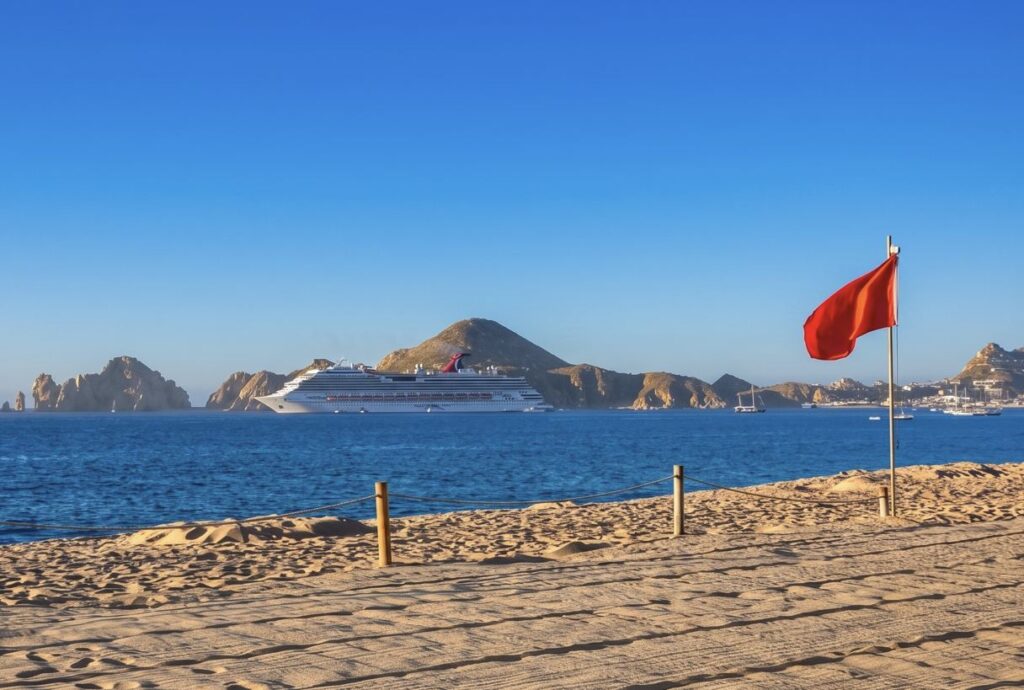
The Red Flag: The Herd Mentality Danger
Official Government Rule: Entering the sea is completely prohibited due to high surf, rip currents, or deep swells (mar de fondo).
The On-The-Ground Reality: You will walk onto popular stretches like Medano Beach or Costa Azul and routinely see dozens of tourists wading into the surf while a red flag snaps violently in the wind. Lifeguards blow their whistles constantly, but they are heavily outnumbered.


What You Should Do: Do not enter the water. The herd mentality gives travelers a completely false sense of security. Because the weather in Cabo is almost always sunny and 85 degrees, tourists assume the water is safe. It is not. The topography of the ocean floor in Los Cabos features sudden, steep drop-offs close to shore. A red flag means invisible rip currents are actively pulling water away from the beach. The government flies this flag because the ocean conditions are actively life-threatening. The tourists you see swimming are surviving on blind luck, and you should never follow them into the surf.
The Black Flag: The Permanent Closures
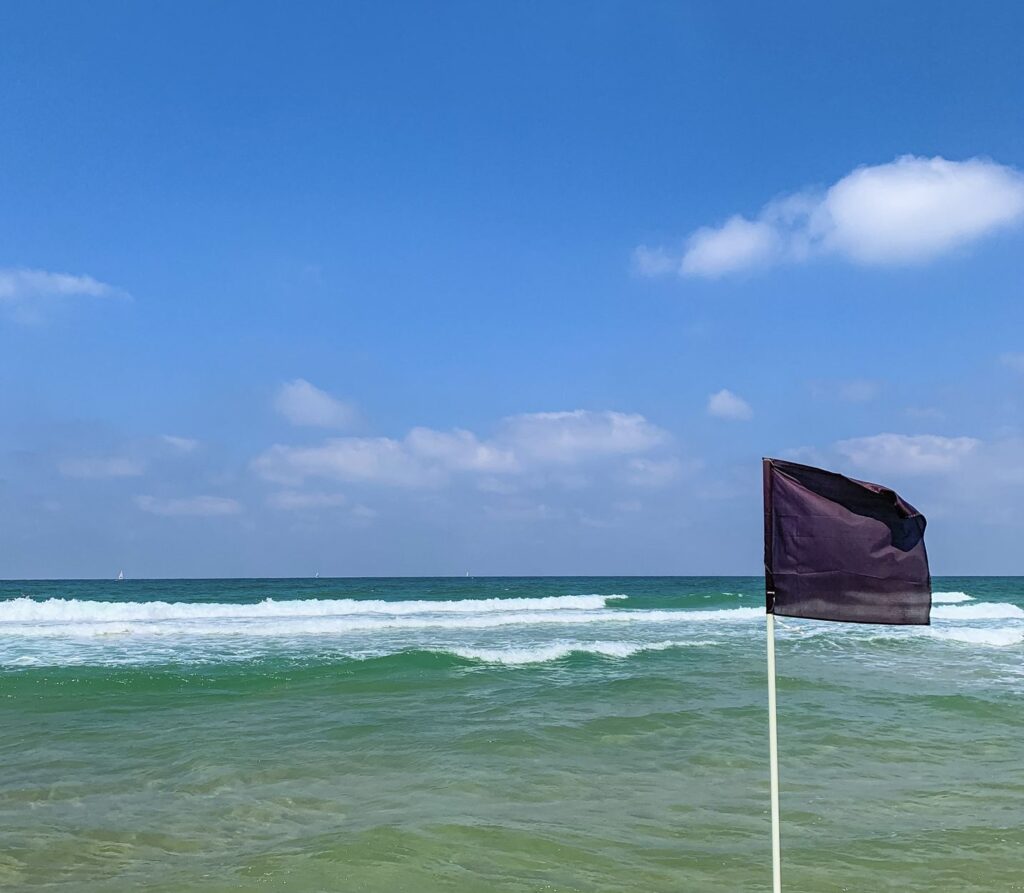
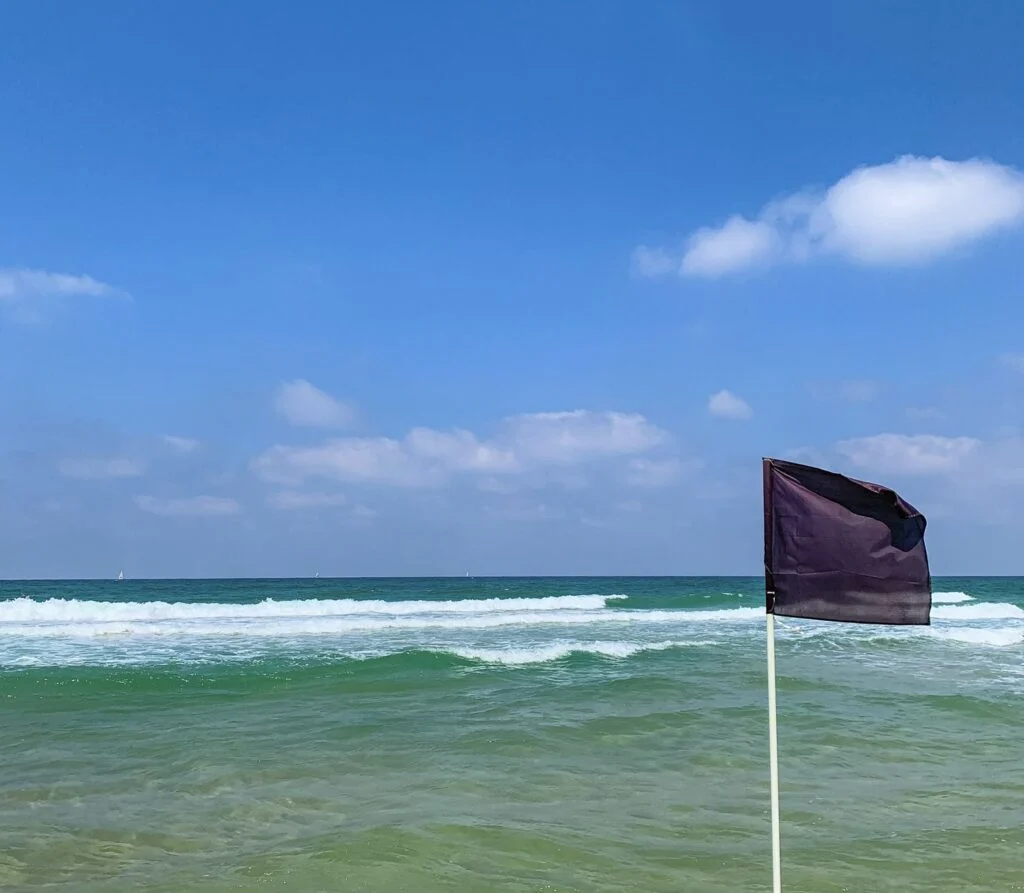
Official Government Rule: The beach is totally closed. The state of the sea and the sand area pose a grave risk to human health and life.
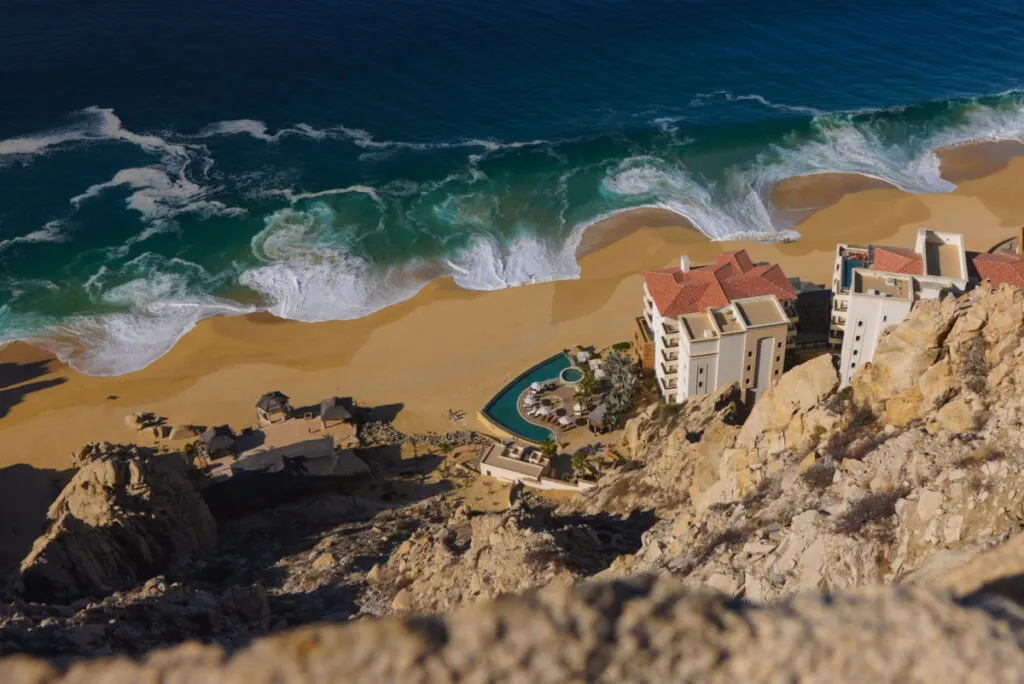
The On-The-Ground Reality: You will see black flags permanently planted on beaches along the Pacific side of Cabo San Lucas. Yet, right next to those flags, the sand will be dotted with hundreds of people walking, taking photos, and sunbathing.


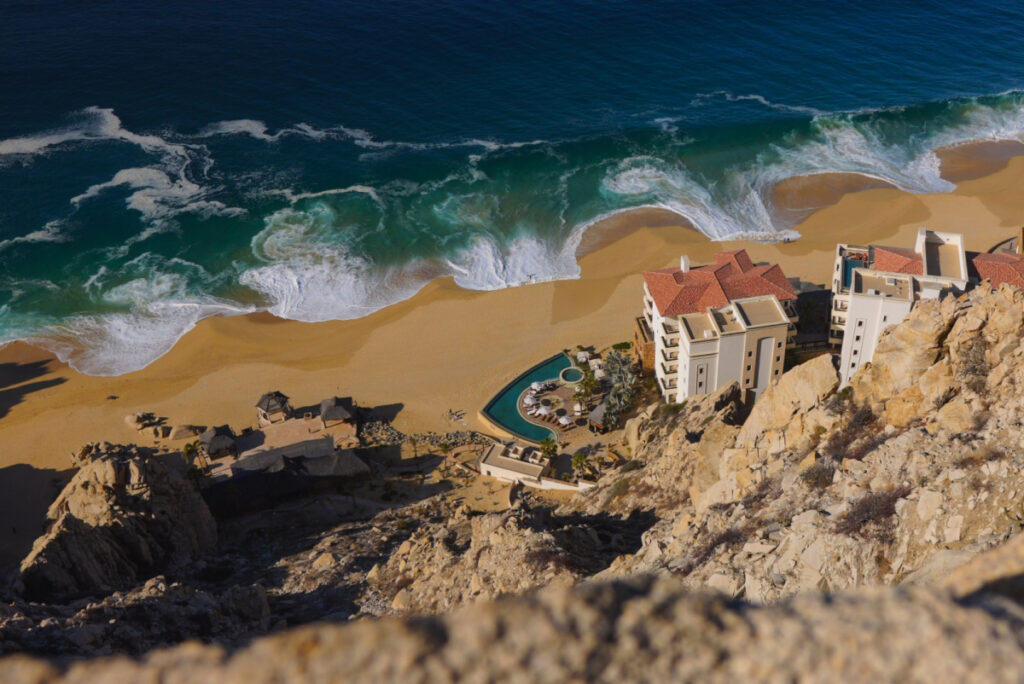
What You Should Do: Stay off the beach, and absolutely stay away from the shoreline. Many tourists mistakenly believe a black flag just means “don’t swim,” assuming the dry sand is a safe zone. This is a fatal assumption. The Pacific side of Los Cabos is notorious for “sneaker waves” or rogue waves. These are massive, unpredictable surges of water that crash far higher up the beach than normal wave patterns. They routinely pull people standing in ankle-deep water or posing for photos on dry sand directly into the crushing undertow. The government marks these zones with black flags because the beach itself is a hazard.
Decoding Confusing Signage
Part of the issue stems from the visual layout of some official infographics. In recent digital campaigns, the text explaining the “Yellow Flag” (which permits swimming with extreme caution) was placed directly adjacent to the Red Flag icon due to a staggered graphic design, causing severe confusion for non-Spanish speakers trying to translate the rules.
To clear up any visual confusion, the government mandate is singular and strict:
- Green: Safe for swimming.
- Yellow: Swim with extreme caution.
- Red: Entering the sea is strictly prohibited.
- Purple/White: Dangerous marine fauna present (jellyfish, sharks).
- Black: Beach and water are entirely closed.
Beach Warnings
The Bottom Line
When you visit Los Cabos, you must disconnect your decision-making from the behavior of other tourists. The local government has decades of hard data on ocean topography, seasonal swells, and rescue operations. The flag system is built entirely on that data. Side with the authorities, respect the flags, and never let the foolishness of a crowd dictate your safety.
The Ultimate Cabo Trip Planner
When’s the best time to go? Our powerful month-by-month guide breaks down the weather, crowds, hotel rates, and whale watching seasons for your perfect trip.
Find Your Perfect Los Cabos Resort In Seconds
This simple, powerful tool was built by our on-the-ground experts to match you with the ideal resort for your specific budget and travel style.
Subscribe to our Latest Posts
Enter your email address to subscribe to The Cabo Sun’s latest breaking news affecting travelers, straight to your inbox.