
If you are packing your bags for a summer getaway to the southern tip of the Baja peninsula, you can officially cross one major worry off your list. The crystal-clear waters of Los Cabos are ready for you. Health officials just wrapped up a massive, state-wide inspection of the local beaches, and the results are exactly what every traveler wants to hear.
When millions of tourists descend on a tropical destination every year, maintaining pristine water quality is a massive undertaking. But this recent round of testing proves that Los Cabos is putting in the work to keep its coastlines safe, clean, and ready for visitors.
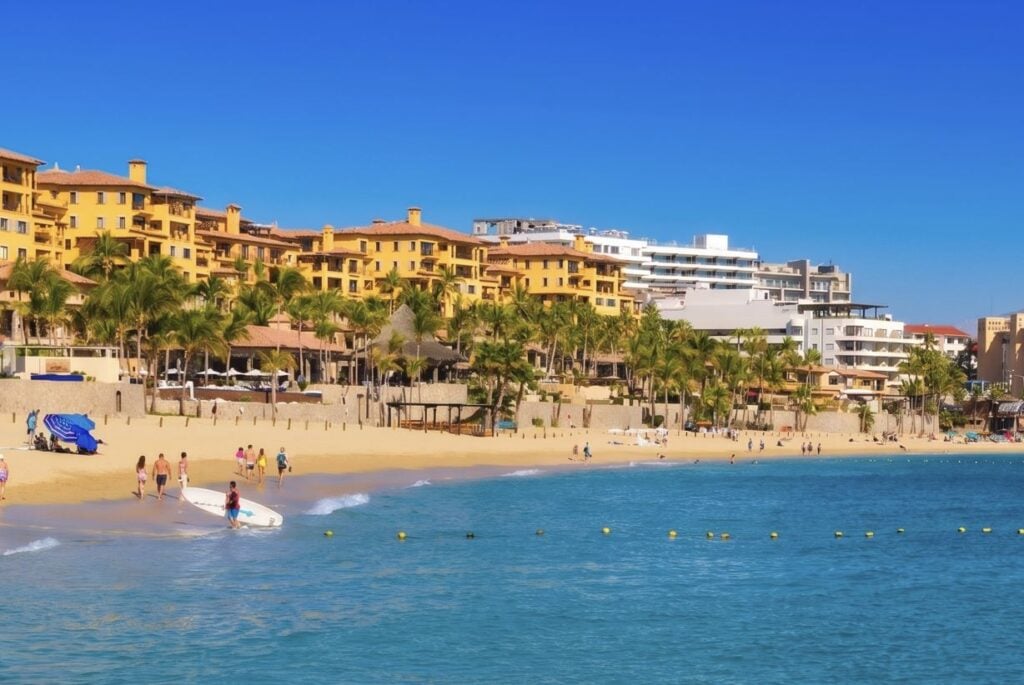
The most popular swimmable spots in the region, including the legendary Medano Beach and the incredibly beautiful Chileno Beach, have officially passed their sanitary inspections with flying colors. The water quality is excellent, the bacteria levels are virtually non-existent, and the coast is completely clear for your vacation.
How The Inspections Actually Work
You do not just get to declare a beach safe on a whim. The State Commission for Protection against Sanitary Risks, commonly known as COEPRIS down in Mexico, recently rolled out a highly rigorous testing sweep across the entire state. Specialized personnel headed out to 39 key beaches across all five municipalities of Baja California Sur to pull real-time water samples.
Once those samples were collected, they were not just handed off to a random local lab. They were sent directly to the State Public Health Laboratory, which is a fully accredited federal institution. This guarantees that the testing data is completely reliable and totally unbiased.
What exactly are they looking for? The main culprit they test for is enterococci bacteria, which is the international standard for measuring recreational water quality. The global safety limit is set at two hundred units per one hundred milliliters of water. The recent tests in Los Cabos showed that the local beaches registered levels far below that international limit. The water is incredibly clean, totally safe for human contact, and perfect for your afternoon swim.

A Massive Win For Medano And Chileno
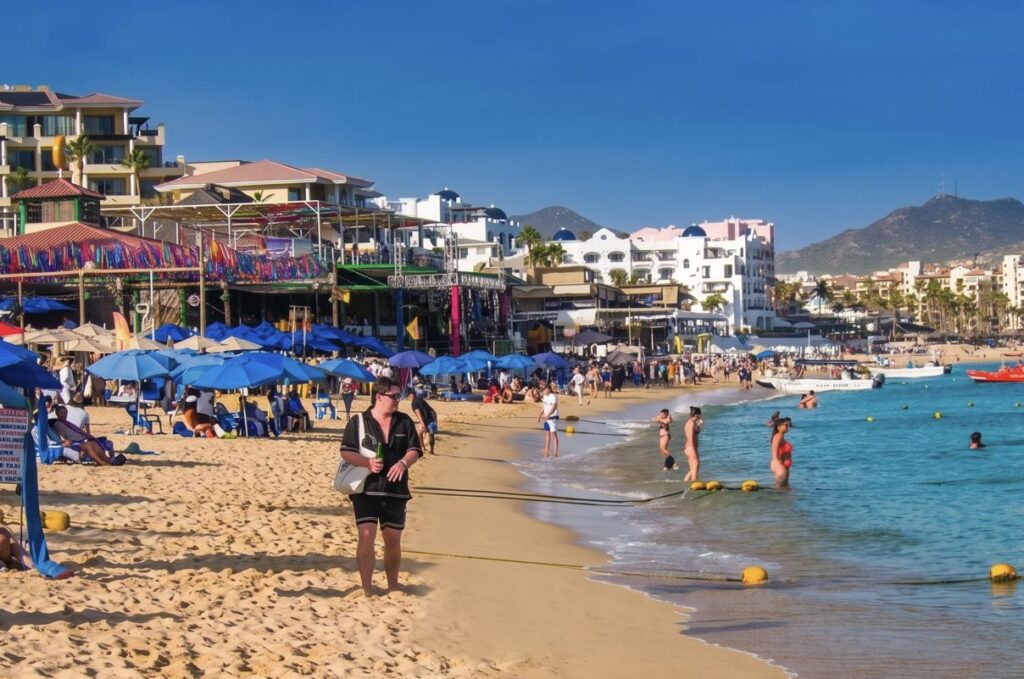
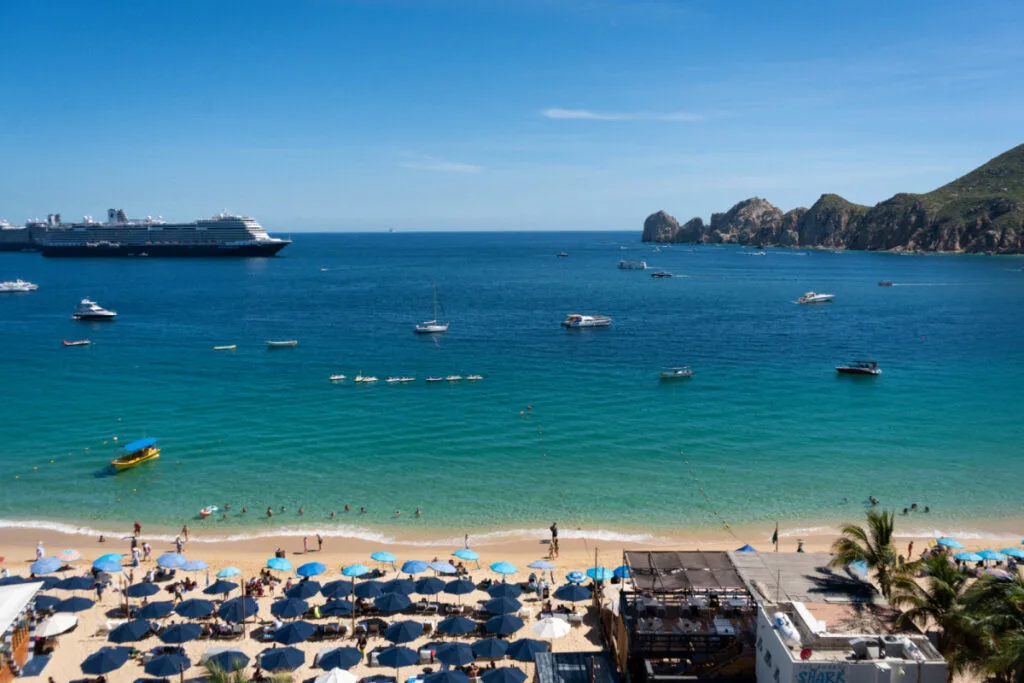
The fact that Medano Beach and Chileno Beach both passed these rigorous tests easily is a massive win for the local tourism scene. If you have ever been to Cabo, you know that Medano Beach is the absolute beating heart of the city. It is a massive, three-kilometer stretch of sand right near the downtown marina. This is where you find amazing resorts, the best beach clubs, the calmest waters, and the biggest crowds. Knowing that the water quality at the busiest beach in town is pristine gives you total peace of mind when you dive in.

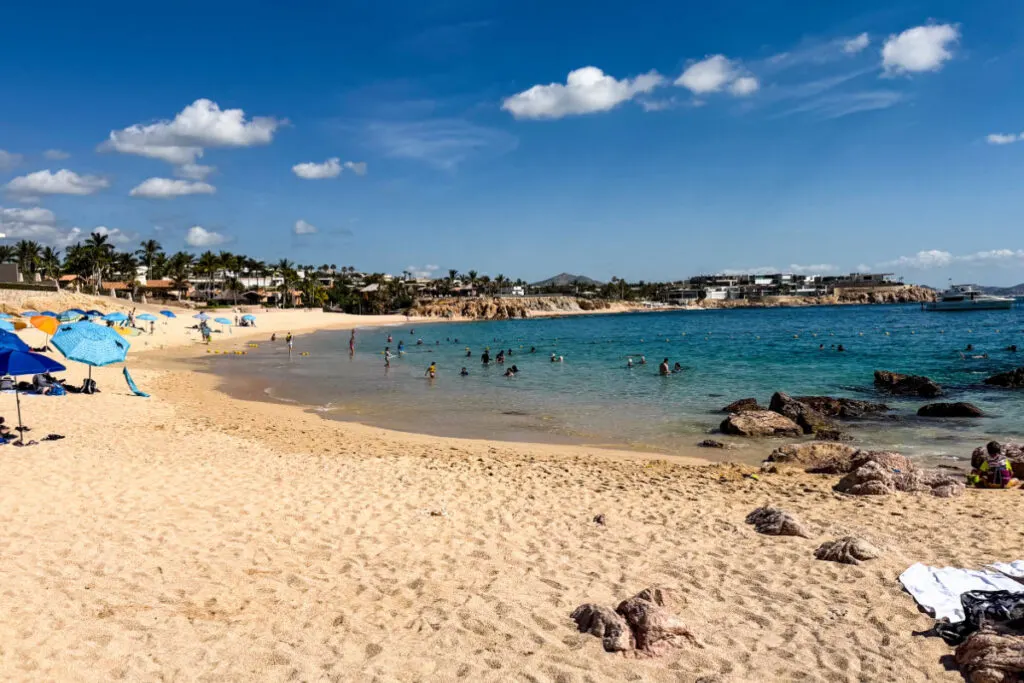
Chileno Beach, located a bit further up the Tourist Corridor, is famous for a completely different reason. It is widely considered one of the best snorkeling spots in all of Los Cabos. The water here is crystal clear, and the protected cove is packed with marine life. Because so many people visit Chileno specifically to put their face in the water and look at the reef, these clean sanitary results are incredibly important.
The Difference Between Sanitary And Ocean Safe
While this new report from COEPRIS confirms that the sanitary conditions of the water are optimal, it is incredibly important to remember that clean water does not always equal calm water. The ocean around Los Cabos can be incredibly powerful, and rip currents are a very real thing on certain stretches of the coast.
Sanitary safety is just one part of the equation. You still need to pay close attention to the physical ocean conditions before you decide to jump in. Los Cabos uses a very straightforward, color-coded flag system to let visitors know exactly what the ocean is doing on any given day.


A green flag means the water is calm and completely safe for swimming. A yellow flag means you need to exercise caution because there might be a moderate current or some choppy waves. A red flag is an absolute warning that the conditions are dangerous and you need to stay out of the water and a black flag means the water is fully closed. Always look for the flags and listen to the local lifeguards before you swim.
Keeping The Beaches Pristine
This massive testing effort is part of a broader federal strategy in Mexico known as the Clean Beaches initiative, which is designed to proactively protect public health during the peak summer travel seasons. But the government can only do so much. Keeping these world-class beaches pristine is a shared responsibility.
Los Cabos Beach Updates
Local health and civil protection authorities are urging all tourists and residents to do their part to protect the marine ecosystem. It is incredibly simple: whatever you bring to the beach, take it back with you. Pack out your trash, use the designated waste bins, and avoid leaving anything behind on the sand. The water in Los Cabos is incredibly clean right now, and if everyone pitches in, it will stay that way for a long time to come.
Join Our Cabo Sun Community of 20,000+ Members
Get real-time answers to your travel questions from our team of local experts and thousands of fellow travelers directly inside our interactive group.
Find Your Perfect Los Cabos Resort In Seconds
This simple, powerful tool was built by our on-the-ground experts to match you with the ideal resort for your specific budget and travel style.
The Ultimate Cabo Trip Planner
When’s the best time to go? Our powerful month-by-month guide breaks down the weather, crowds, hotel rates, and whale watching seasons for your perfect trip.
Enter your email address to subscribe to The Cabo Sun’s latest breaking news affecting travelers, straight to your inbox.