
If you’re in Los Cabos for the holiday rush and you’ve been doing that classic “Is the ocean actually okay today?” pause at the shoreline—good news. We at The Cabo Sun are seeing fresh confirmation that several of the most popular swimmable beaches in Los Cabos have been cleared for recreational use after the latest sanitary water-quality sampling.
According to results shared from Mexico’s Clean Beaches Program (Programa Playas Limpias)—coordinated by Semarnat and the federal health authorities—tested beaches across Baja California Sur came back within sanitary standards for the Christmas and New Year holiday period.
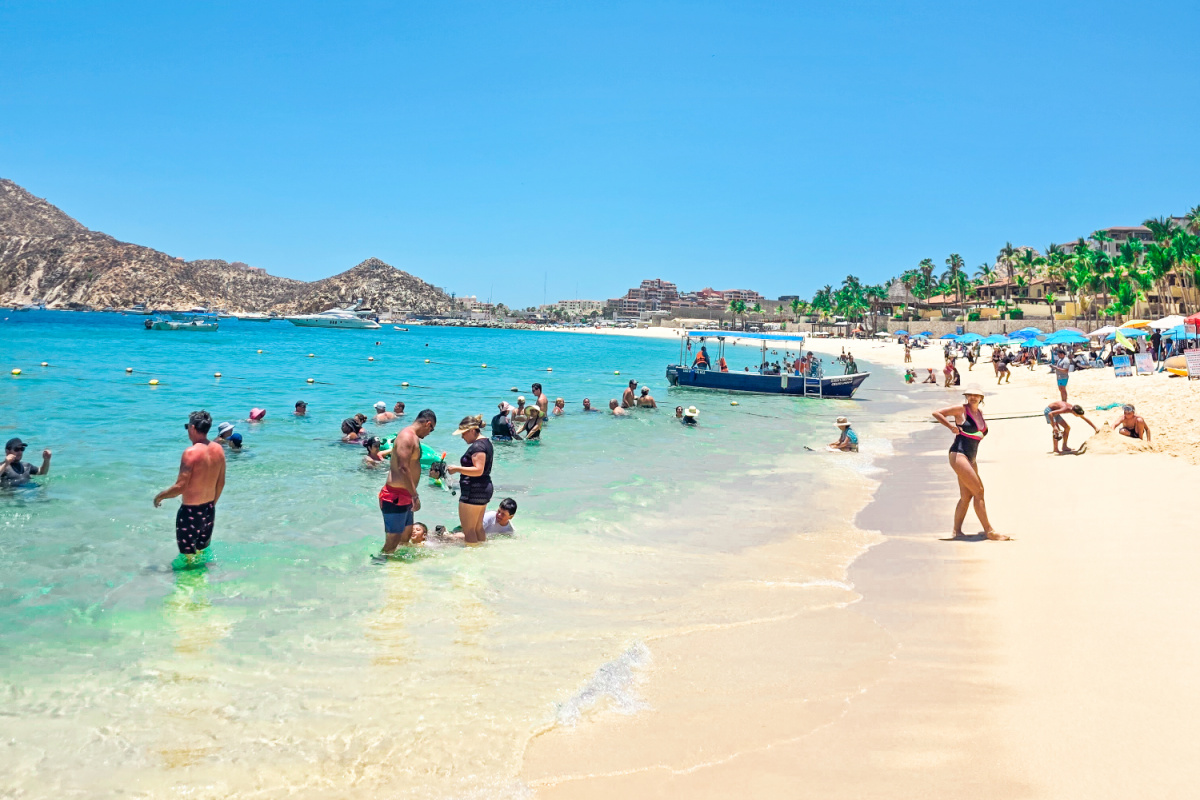
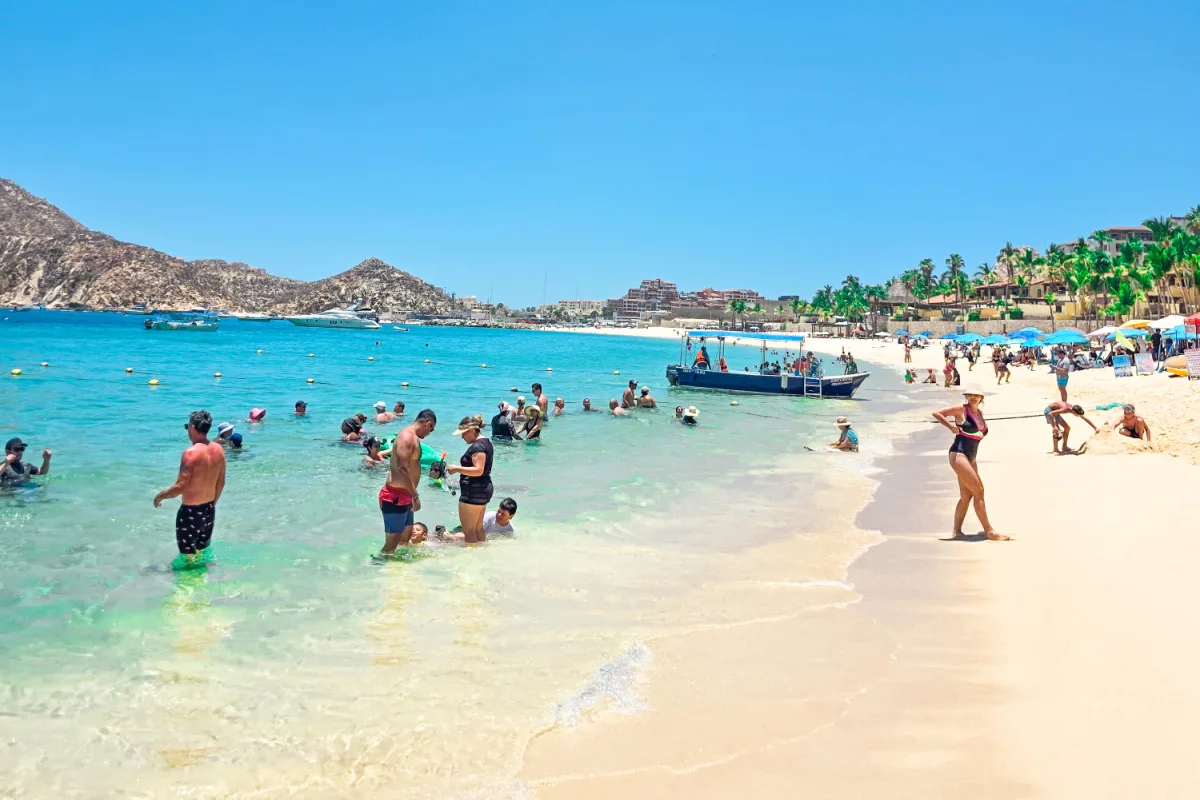
Which Los Cabos beaches were classified as “safe” for swimming?
In Los Cabos specifically, the report lists these beaches as aptas (suitable) for recreational water activities:
- El Médano
- Chileno
- Palmilla
- Santa María
- Cabo del Sol
That’s basically the “greatest hits” list for travelers who want calmer water days—especially along the Corridor and inside Cabo San Lucas where swimming is more common.
Cabo Safe Swim Guide
Great news for holiday travelers: Popular beaches have passed water quality tests. Here is where to swim safely. Tap to reveal.
Cleared Beaches: The following spots were classified as aptas (suitable) for recreational use:
- El Médano
- Chileno
- Palmilla
- Santa María
- Cabo del Sol
Crucial Distinction: This testing checks for bacteria, not waves. A beach can have perfectly clean water but dangerous rip currents.
Action: Always check the beach flags. Black or Red flags mean stay out, regardless of water clarity.
- Pick Swimmable Beaches: Stick to Chileno or Santa María for calmer waters.
- Watch for Runoff: Be cautious after heavy rains.
- Operation Lifesaver: Extra Navy personnel are patrolling high-traffic beaches through Jan 9, 2026.

What the inspections are actually testing
This kind of monitoring isn’t about waves or rip currents (more on that in a second). It’s focused on microbiological water quality, using enterococci levels as an indicator.
The report notes that enterococci levels stayed below 200 per 100 milliliters, which is the cutoff used to classify water as safe for recreational use in this monitoring framework.
In other words: this update is about sanitary conditions, not whether the surf is rough on a given day.

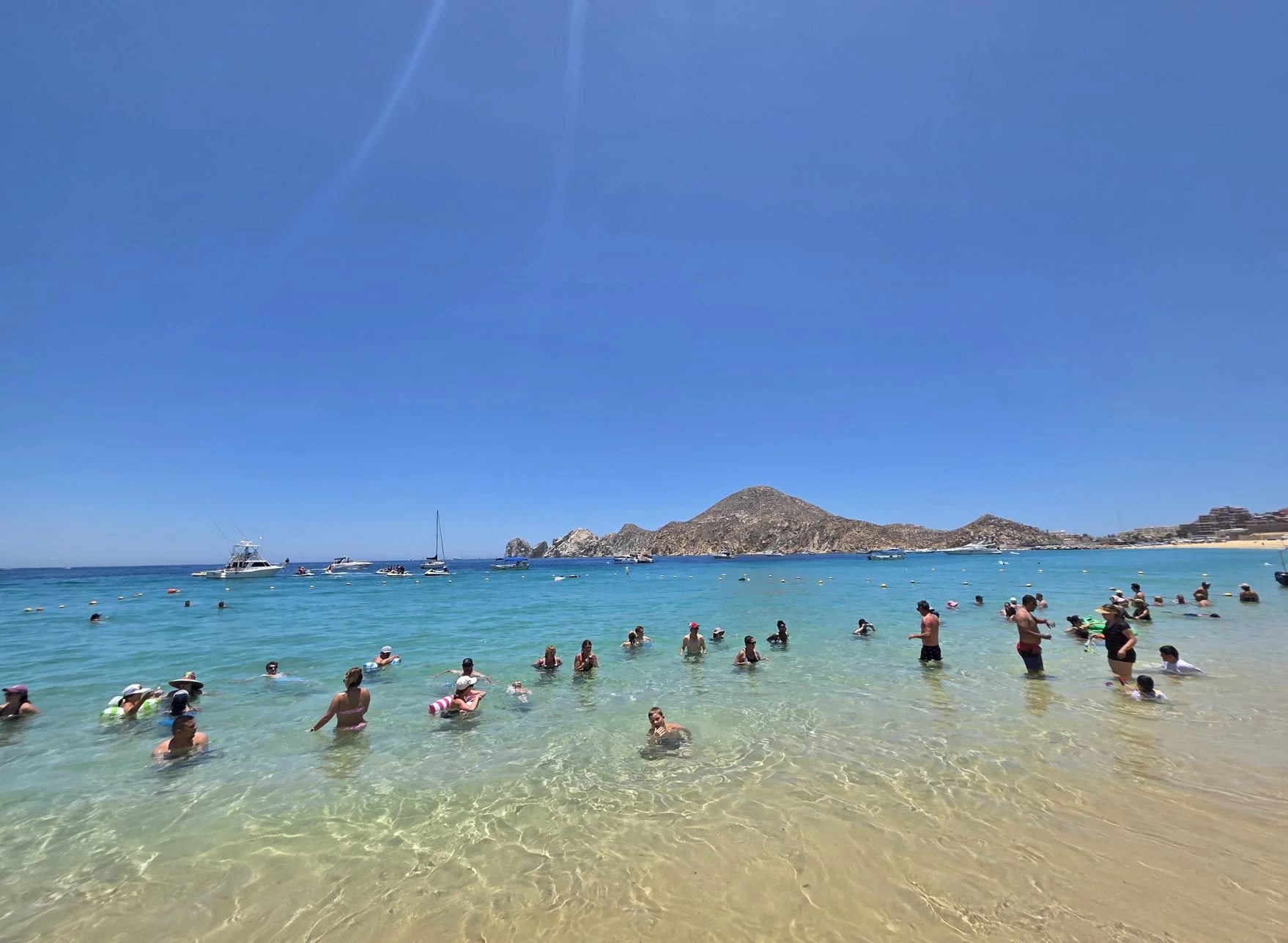
One super important reminder: “clean water” doesn’t always mean “safe surf”
Los Cabos is famous for its stunning coastline—but not every beach is meant for swimming. Conditions can change fast, and some beaches can be dangerous even on a sunny day.
That’s why it’s still smart to treat the beach flag system like law. If you’ve ever wondered what the black flag means (and why locals take it seriously), we broke it down in our guide on why you should never ignore a black flag on Cabo beaches.
And if you want the quick “don’t be that person” checklist, our roundup of surprising mistakes that can get you into trouble on your Cabo vacation includes a big one: swimming where you shouldn’t.


Practical tips for a safer swim day in Los Cabos
Even with strong water-quality results, here are a few simple habits that make a real difference:
- Choose the right beach for the kind of day you want. If swimming is the priority, stick to well-known swimmable beaches like Chileno or Santa María, and swim near lifeguards when available.
- Be extra cautious after heavy rain. Runoff can temporarily impact water quality and currents. If there’s been a storm, give it time and watch for updates/flags.
- Don’t mix “ocean time” with “too many margaritas.” Save the stronger drinks for after your swim—seriously.
- Keep kids within arm’s reach in the water. Not “nearby.” Arm’s reach.

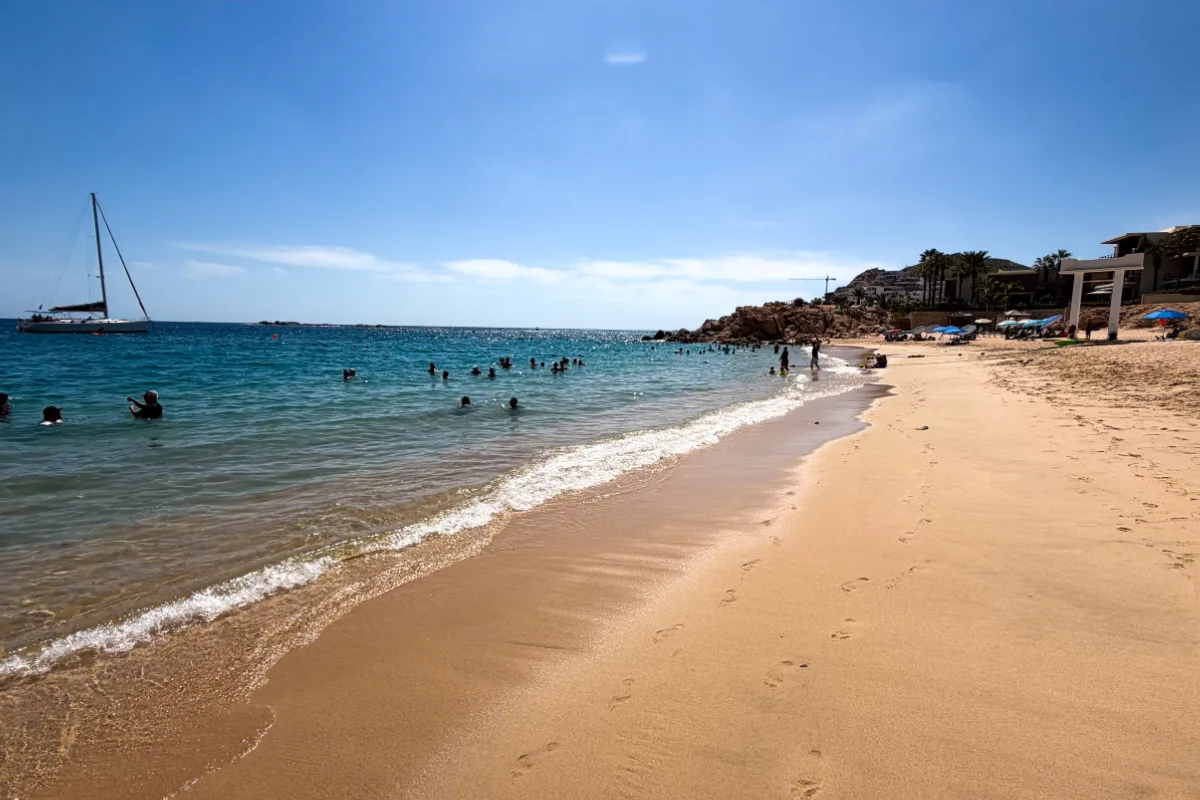
Bonus: There’s extra help on the sand during the busiest weeks
Because beaches are packed right now, Los Cabos also has a separate seasonal safety push running through the holidays. This winter’s “Operation Lifesaver” (a Navy-led beach safety operation) runs December 19, 2025 through January 9, 2026, focusing on high-traffic beaches and rapid response during peak crowds.
The bottom line
For travelers who’ve been nervous about water quality, this is a reassuring update: Los Cabos’ most popular recreational beaches named in the report are meeting sanitary standards heading into the holiday peak.
And as always in Cabo, pair that good news with smart ocean habits—check the flags, pick the right beach, and don’t let a calm-looking surface fool you.
The Ultimate Cabo Trip Planner
When’s the best time to go? Our powerful month-by-month guide breaks down the weather, crowds, hotel rates, and whale watching seasons for your perfect trip.
Find Your Perfect Los Cabos Resort In Seconds
This simple, powerful tool was built by our on-the-ground experts to match you with the ideal resort for your specific budget and travel style.
Subscribe to our Latest Posts
Enter your email address to subscribe to The Cabo Sun’s latest breaking news affecting travelers, straight to your inbox.