
We at The Cabo Sun have our eyes on the Pacific again.
Local Civil Protection monitors say a new system off southern Mexico is organizing and could bring another round of rain and rough surf to parts of Los Cabos in the days ahead.
The most important takeaway for travelers: there’s no reason to panic, but it’s smart to follow beach flags, watch for arroyo (dry riverbed) crossings after downpours, and keep flexible plans as forecasts tighten.

What’s forming — and when could Los Cabos feel it?
As of the 11:00 p.m. PDT advisory on Wednesday, September 10, the U.S. National Hurricane Center reported a low just off southern Mexico showing clear signs of organization. A tropical depression is likely to form, moving west-northwest roughly parallel to the coast. NHC pegs formation odds at 90% in 48 hours and 90% through seven days, which is about as high as it gets at this stage.
Locally, Jesús Asael López Armentilla, head of Civil Protection monitoring, said Los Cabos should prepare for scattered rains over the next few days and flagged a potential impact window between September 15 and 20 if the system consolidates and tracks far enough north. He added that soils are already moist after Lorena, so authorities are watching known risk zones, especially near human settlements and arroyos, according to.

What this means for your trip right now
Forecasts at this stage focus on rain bands, surf, and beach conditions, not a guaranteed landfall. Model guidance still varies between a track that stays offshore and a path that nudges closer to the Baja California peninsula. We’ll emphasize what matters to visitors on the ground:
- Beach & surf: Expect stronger swells and changing beach flags, especially on Pacific-facing shores. We recently explained how beach access and water quality advisories work after big storms and why they’re temporary in our rundown of post-Lorena beach cleanup timelines (mid-September target for most accesses).
- Water quality & safety: After Lorena, officials issued a 96-hour “stay out of the water” guidance to let ocean conditions normalize — a good example of how authorities act out of caution, then lift restrictions quickly as tests come back clean. If a new system brings rain, expect similar short-term advisories, not long-term closures.
- Roads & arroyos: Sudden downpours can flood low crossings for brief periods. If you’re driving the corridor or heading to the East Cape, give yourself extra time and avoid crossing flowing water. We broke down what that looks like in our on-the-ground storm coverage and landslide advisory explainer last week.
Why officials are extra cautious after Lorena
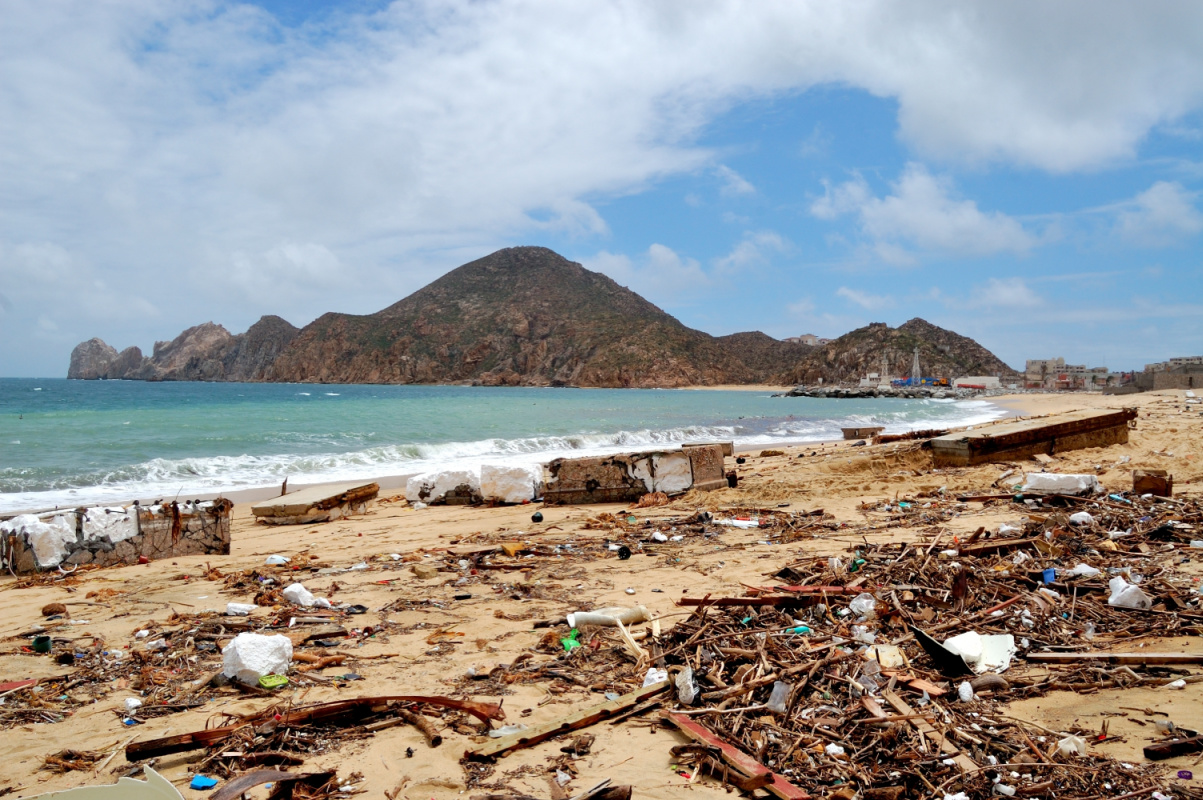
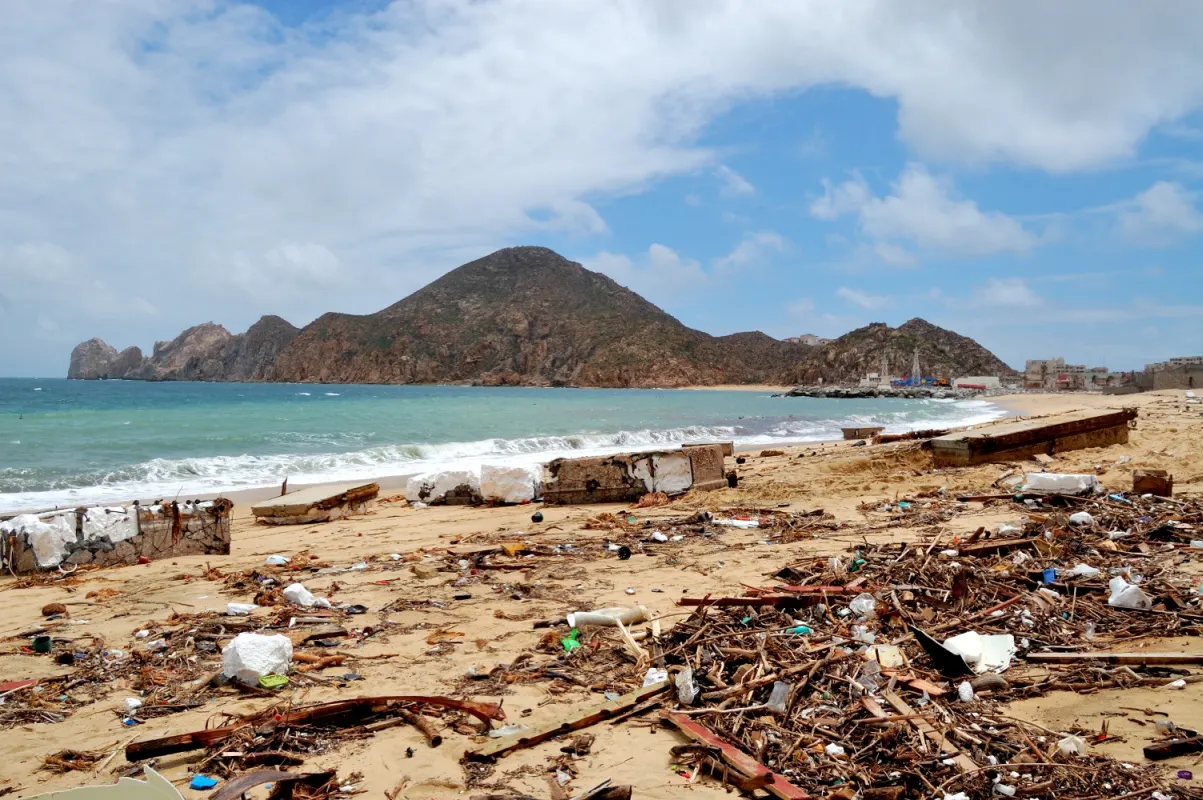
Even though Lorena has moved on, it left behind saturated ground and debris that crews have been clearing from beaches and drains.
That’s why Civil Protection is leaning into early alerts — it’s about speeding up recovery and reducing risk if another system brushes the region.
For context on how the municipality manages storm impacts (and how quickly things bounce back), see our reports on flooding, marina impacts, and high surf during Lorena and the subsequent beach reopenings.
Practical tips so your vacation stays on track
- Check the forecast daily. The NHC outlook updates four times a day; trajectories tighten quickly once a depression forms.
- Follow beach flags and lifeguards. Conditions can flip from green to red with a single incoming swell set.
- Time your outings. Morning activities often beat afternoon downpours if rain bands move through.
- Mind the arroyos. Never drive through standing or moving water; wait 30–60 minutes and many crossings subside.
- Stay flexible. Book tours with no-fee rescheduling and keep a Plan B (spa day, farm-to-table lunch in San José, gallery hopping) if surf gets unruly.
- Know the signals. Los Cabos is upgrading its early-warning culture — not just for storms but also for quakes — which means you’ll see clearer alerts and faster coordinated responses across hotels, beaches, and public spaces.


Bottom line
Right now, we’re looking at a possible formation south of Mexico with rain and surf the primary impacts for Los Cabos if it edges closer.
The window September 15–20 is the one to watch, and as always, track flags on the beach and heed local advisories.
We’ll keep translating the technical forecast into traveler-friendly guidance — and if conditions shift, we’ll update quickly so you can enjoy your trip with confidence.
The Ultimate Cabo Trip Planner
When’s the best time to go? Our powerful month-by-month guide breaks down the weather, crowds, hotel rates, and whale watching seasons for your perfect trip.
Find Your Perfect Los Cabos Resort In Seconds
This simple, powerful tool was built by our on-the-ground experts to match you with the ideal resort for your specific budget and travel style.
Subscribe to our Latest Posts
Enter your email address to subscribe to The Cabo Sun’s latest breaking news affecting travelers, straight to your inbox.