
If you were relaxing by the pool on Sunday afternoon and felt a strange, gentle roll or a sudden jolt, you weren’t imagining things. On November 16th, at approximately 3:44 PM, a 5.2 magnitude earthquake rumbled the Pacific, with an epicenter located about 363 km (225 miles) southeast of Cabo San Lucas.


The event immediately lit up social media, with many visitors asking the same anxious questions: “Was that an earthquake? Is a big one coming? And why didn’t the seismic alert go off?”
Here at The Cabo Sun, we’re here to separate the facts from the fear. For travelers who don’t live in a seismically active area, any tremor can be a source of anxiety. Here is the insider’s guide to what happened, and what you actually need to know about earthquake safety in Los Cabos.

First: The On-the-Ground Reality
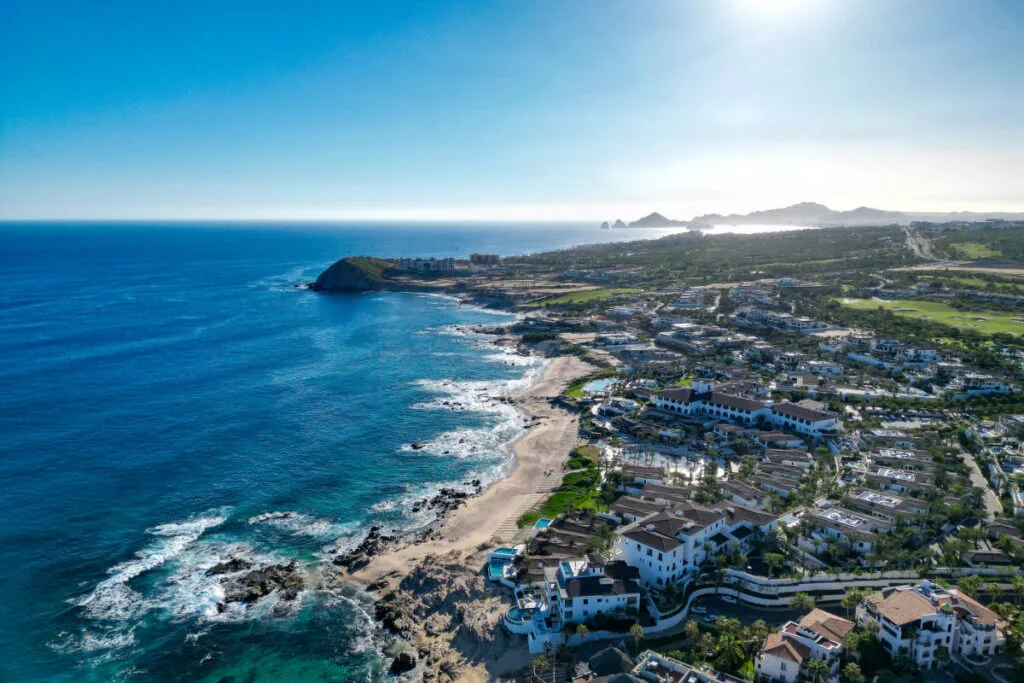
The most important fact is that this was a distant, non-threatening event. Because the epicenter was so far off the coast and deep in the ocean, authorities in Baja California Sur reported no damage or injuries. It was simply a brief, unsettling reminder that the earth is always in motion.
“Why Didn’t the Seismic Alert Go Off?”
This is the most common and important question travelers have. Many are familiar with Mexico City’s famous, loud Alerta Sísmica. The simple answer is: the alert system is not designed to cover Los Cabos.

Mexico’s seismic alert sensors are located in a different tectonic zone, primarily along the mainland coast in states like Guerrero, Oaxaca, and Jalisco. This system is designed to warn cities like Guadalajara and Mexico City of impending quakes from that specific region. Los Cabos is geographically isolated from this system and does not have this type of public alert. Not hearing an alarm was normal and expected, not a sign of a system failure.
However, recent plans to install an earthquake alert system for Los Cabos are in the planning stages


The “Big One” Fear: Is Cabo a High-Risk Zone?
Let’s address the biggest fear. When people hear “earthquake in Mexico,” they immediately think of the devastating, tragic events in Mexico City in 1985 and 2017. It’s crucial to understand that Los Cabos is in a completely different tectonic zone.
Those massive mainland quakes are caused by a violent “subduction zone,” where one tectonic plate is actively forcing itself under another.


The Baja California Peninsula, on the other hand, sits on a different, less volatile fault system. While this means the region experiences frequent minor tremors and rumbles (like the one on Sunday), it is not considered to be at the same high-risk level for the type of catastrophic 8.0+ magnitude quake that strikes the mainland.
Furthermore, the primary natural disaster risk in Los Cabos is hurricanes, not earthquakes. Because of this, the modern resorts along the tourist corridor are built to incredibly high engineering standards to withstand powerful winds, which also makes them exceptionally resilient to the kind of tremors the region typically experiences.


The Pro-Traveler’s Safety Playbook
Even though the risk of a major, damaging quake in Cabo is very low, it is always smart to know the universal safety rules. In the rare event you feel strong, sustained shaking, here is what to do.
The bottom line: you can and should enjoy your Cabo vacation with confidence. Those minor rumbles are an unsettling but normal part of the region’s geography, not a sign of an impending disaster.
Safe Travels!
The Ultimate Cabo Trip Planner
When’s the best time to go? Our powerful month-by-month guide breaks down the weather, crowds, hotel rates, and whale watching seasons for your perfect trip.
Find Your Perfect Los Cabos Resort In Seconds
This simple, powerful tool was built by our on-the-ground experts to match you with the ideal resort for your specific budget and travel style.
Subscribe to our Latest Posts
Enter your email address to subscribe to The Cabo Sun’s latest breaking news affecting travelers, straight to your inbox.