
Walking through the Marina of Cabo San Lucas, you are immediately hit with a sensory overload of enthusiastic vendors, and storefronts overflowing with “traditional” Mexican keepsakes.
However, as Los Cabos continues to break tourism records in 2026, a frustrating trend has taken over the Marina and Medano beach. A massive percentage of the sombreros, shot glasses, and painted skulls lining the shelves have never actually been touched by a Mexican artist. Instead, they are cheap, mass-produced replicas shipped in from overseas factories.
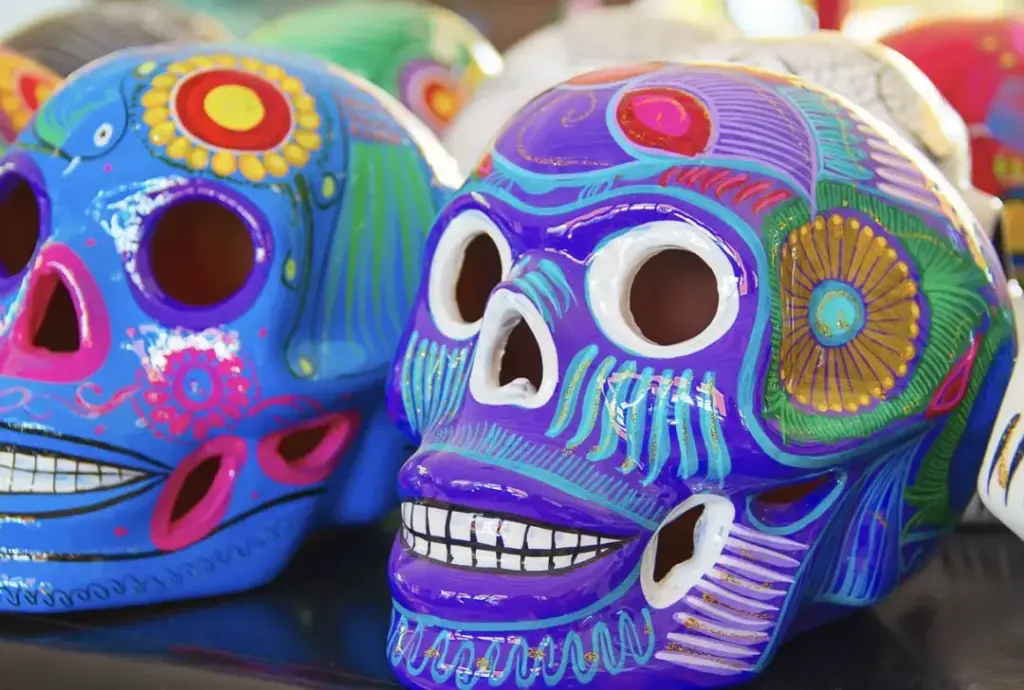
Cultural advocates and local business leaders are now urgently pleading with visitors to change their shopping habits. If you want to take a piece of Baja home with you, it is time to look past the plastic trinkets and start supporting the local artisans who desperately rely on the tourism economy.
Hours Of Passion vs. Seconds On An Assembly Line
To truly understand the issue, you have to look at the massive gap in craftsmanship.
A genuine, hand-painted Mexican ceramic or a traditionally woven textile requires immense dedication. A local artisan might spend six to eight hours meticulously mixing natural dyes, mapping out geometric patterns, and hand-painting intricate details onto a single piece of pottery. The result is a one-of-a-kind piece of art carrying the distinct cultural heritage of the region.

Conversely, the “souvenirs” dominating the mega-stores are typically made of cheap synthetic resins or stamped plastics, spat out of an assembly line halfway across the world at a rate of thousands per minute. Buying these imported items does not support the Baja community; it merely funds international shipping conglomerates and undercuts the families who have passed down artisanal skills for generations.
The 2026 Guide To Spotting Factory Fakes
The tourist traps have become incredibly skilled at disguising factory-made items as authentic crafts. If you want to ensure your money is staying in the local economy, use these modern verification tactics:

- The “Flip” Test: It sounds obvious, but physically flip the item over. Look closely at the base. You will frequently find the sticky residue of a peeled-off “Made in China” or “Made in P.R.C.” tag.
- The Clone Wars: Stand back and look at the vendor’s entire display. If you see forty identical painted skulls with the exact same flawless brushstrokes and perfectly uniform colors, they are machine-printed. Human hands create beautiful, slight variations.
- The Weight and Texture Check: Authentic Mexican crafts have physical substance. Real hand-blown glass is thick and uniquely shaped. Traditional blankets are woven from heavy, breathable cotton or wool. If the glassware feels as light as acrylic or the blanket feels like a slippery synthetic poly-blend, it is a factory fake.
- The “Too Good To Be True” Price Tag: You cannot buy a genuine, hand-loomed blanket or an intricately carved wooden alebrije for $8 USD. If a vendor is heavily slashing prices on “handmade” items to practically nothing, the profit margin is only possible because the item was mass-produced for pennies.

Where To Find The Real Deal
If you want to upgrade your souvenir game, you need to step slightly off the main Marina drag.
Skip the massive, warehouse-style souvenir shops. Instead, take a short drive to the historic district of San José del Cabo. The cobblestone streets here are packed with legitimate, locally owned boutiques, working art studios, and indigenous craft cooperatives where you can actually watch the creators at work. Additionally, seeking out local glass-blowing factories on the outskirts of Cabo San Lucas allows you to purchase stunning, heavy glassware directly from the furnace where it was forged.
Spot The Fake
Identify mass-produced souvenirs and protect the local Baja economy. Tap to reveal.
THE CLONE WARS
Spotting Machine Prints
TAP TO REVEALTHE FLIP TEST
Check The Base
TAP TO REVEALWEIGHT & TEXTURE
Substance Matters
TAP TO REVEALTHE UPGRADE
Support True Artisans
TAP TO REVEALWhen you buy local, you are doing much more than picking up a living room decoration. You are actively preserving Baja’s creative heritage and ensuring the true culture of Los Cabos survives the massive tourism boom.
The Ultimate Cabo Trip Planner
When’s the best time to go? Our powerful month-by-month guide breaks down the weather, crowds, hotel rates, and whale watching seasons for your perfect trip.
Find Your Perfect Los Cabos Resort In Seconds
This simple, powerful tool was built by our on-the-ground experts to match you with the ideal resort for your specific budget and travel style.
Subscribe to our Latest Posts
Enter your email address to subscribe to The Cabo Sun’s latest breaking news affecting travelers, straight to your inbox.