
If you have a highly anticipated summer vacation planned for the beautiful shores of Los Cabos, you need to be aware of a major shift in ocean conditions. The very first large ocean swells of the summer season have officially arrived in Los Cabos, and local authorities are urging all tourists to take extreme caution before stepping foot onto the sand.
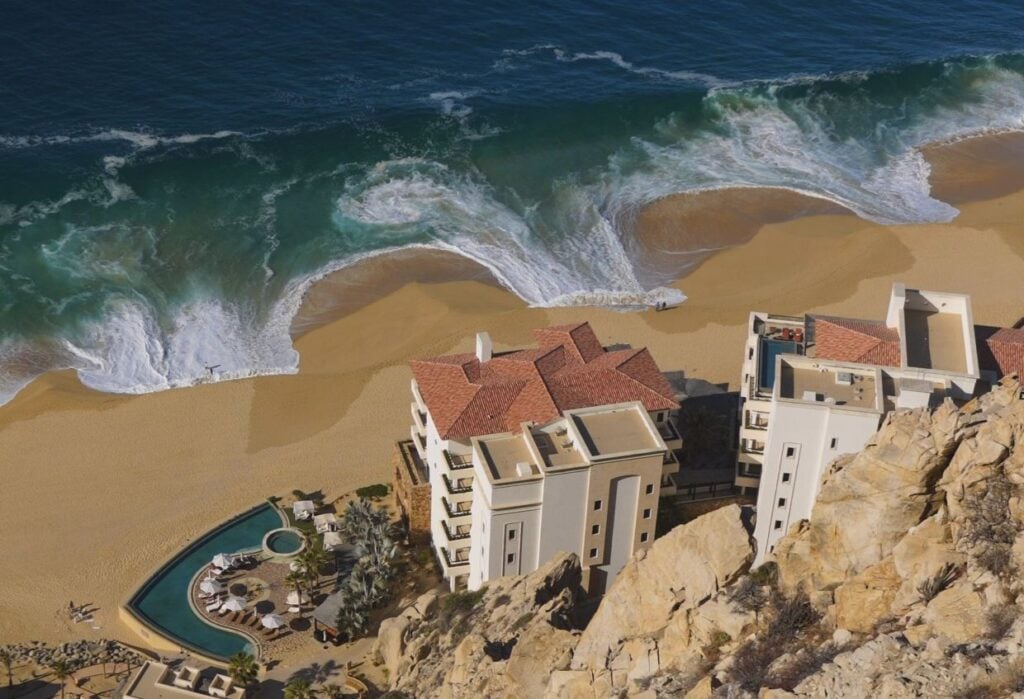
While the skies above the resort might be perfectly sunny and the air is hot, the water right in front of your hotel is a completely different story. The Municipal Directorate of Civil Protection and Risk Management has issued a widespread warning regarding high waves and dangerous rip currents battering the coastline. You should know that this is not just a brief weekend weather event that will disappear by Monday. These intense ocean conditions mark the beginning of a seasonal pattern that will continue to pop up continuously throughout the entire summer. Before you grab your towel and head down to the water, here is exactly what you need to know to stay safe.
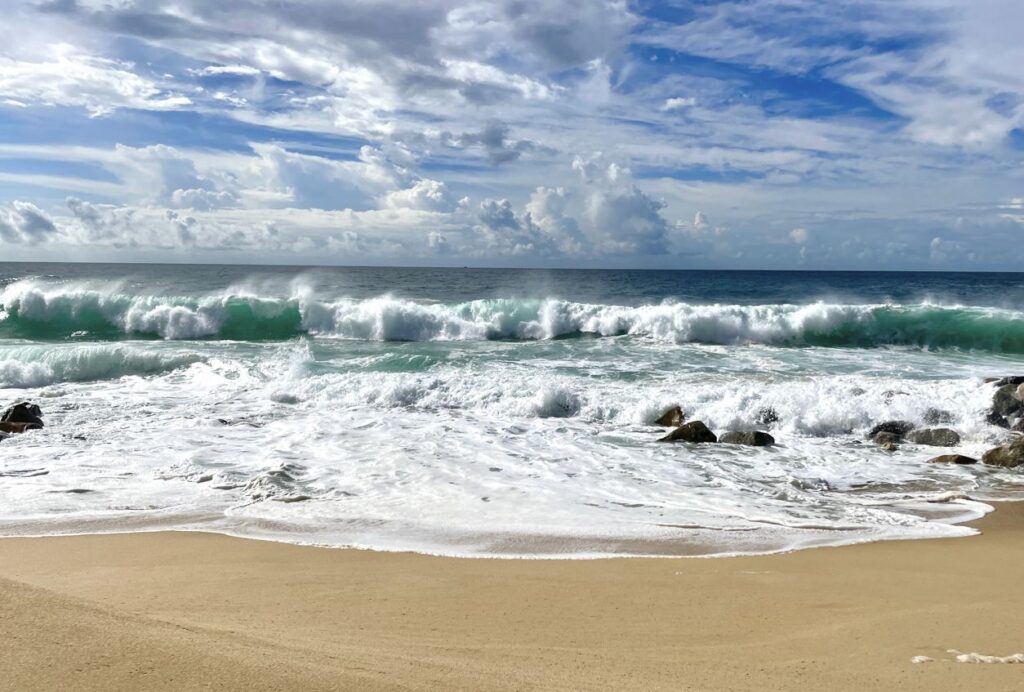
Understanding The “Mar De Fondo” Phenomenon
You might hear locals, tour guides, and hotel lifeguards referring to this natural event as a mar de fondo, which translates to a deep sea swell or a groundswell. But what exactly does that mean for your casual beach day?
Swells are incredibly long, continuous waves that are generated by massive storms churning far offshore, deep in the Pacific Ocean. As these storms spin, they push immense amounts of energy across the water. By the time this energy reaches the coast of Mexico, the local weather might be totally clear, but the ocean is carrying all of that raw, unbridled power right to the shoreline.


Los Cabos has a very unique underwater topography. The ocean floor drops off incredibly close to the shore. When these deep, long-period swells hit that sudden drop, they stand up quickly and crash onto the sand with brutal force. Unlike normal, choppy surface waves that just get pushed around by the afternoon wind, a deep sea swell carries massive water weight and creates incredibly strong undertows. These conditions typically start showing up in May and continue all the way through November, making it a very normal staple of the summer vacation season.
Current Beach Warnings and What to Expect
Right now, maritime and meteorological reports show that waves are consistently reaching heights of up to 2.5 meters—which is well over 8 feet tall—along the western coastline. Because of this massive surge in water volume, Civil Protection authorities and local lifeguards are maintaining constant, strict surveillance across all the major tourist beaches to protect visitors.
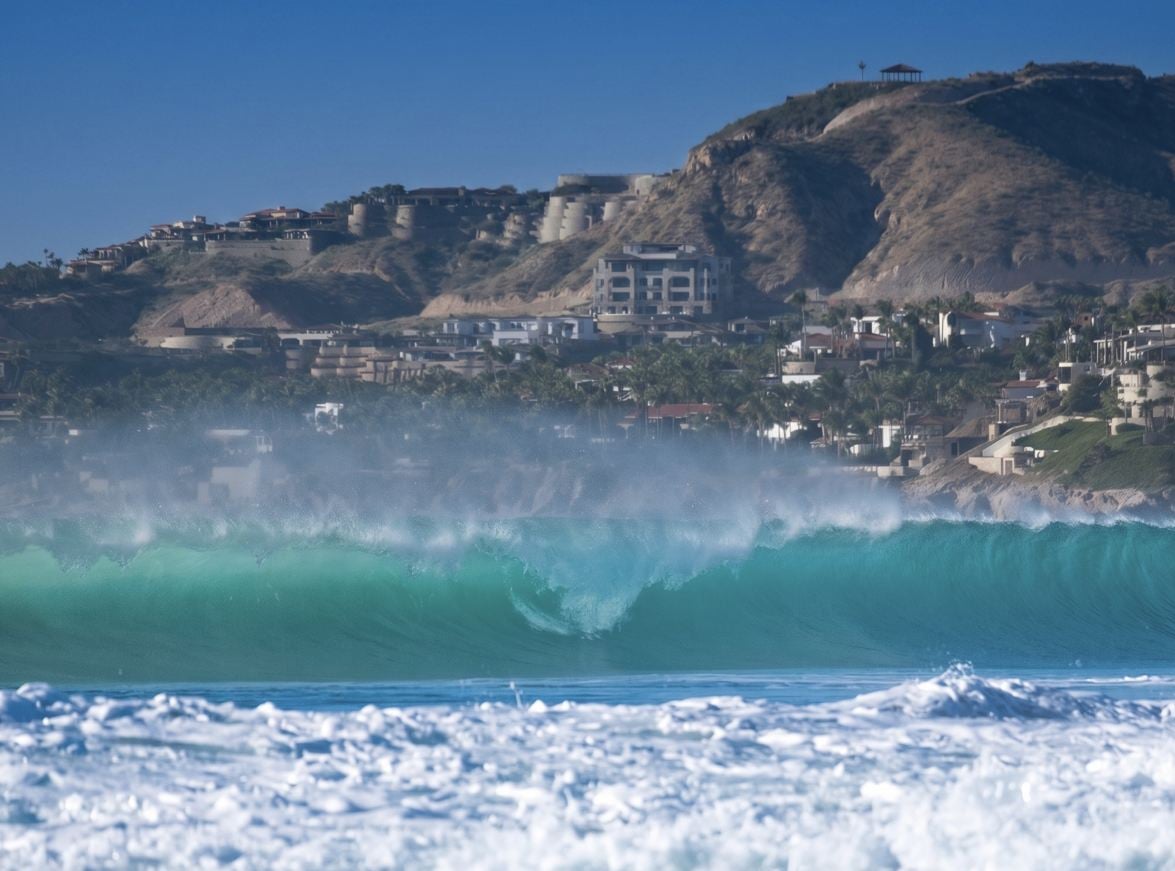
For travelers, it is absolutely crucial to understand that even if you consider yourself a highly capable and strong swimmer back home, you are absolutely no match for a Pacific rip current. The undertow generated by these specific swells can easily knock a fully grown adult off their feet in ankle-deep water and pull them out to sea in a matter of seconds. Authorities are actively coordinating across all levels of government to monitor the coastlines, and they have made it crystal clear that tourists should avoid entering the sea entirely on exposed beaches while these rough conditions prevail.
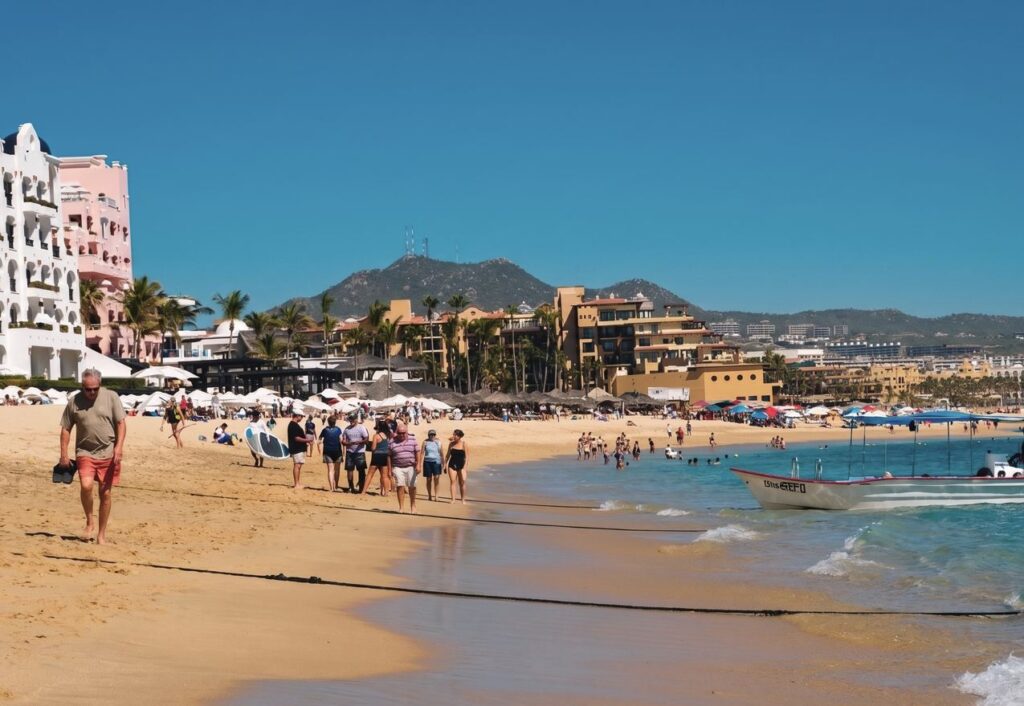
How to Play It Safe on the Sand
So, does this mean your entire beach vacation is ruined? Absolutely not. You just need to be smart about where and how you enjoy the coast while you are in town.
First and foremost, you must respect the beach flag system. If you see a red flag flying on the pole near the sand, it means strong currents and high waves are present; you should not be swimming. If you see a black flag, the water is completely closed, and entering is strictly prohibited by law. It is not a friendly suggestion—it is a strict mandate for your physical safety.
Beach Warnings
Always listen to the lifeguards and Civil Protection personnel on site. Even if you are just taking a romantic sunset walk, stay well back from the shoreline. Rogue waves can surge much further up the dry beach than expected, sweeping away personal belongings, beach chairs, or knocking people over.
If you desperately want to take a dip in the ocean, skip the open-ocean Pacific beaches completely. Instead, head over to naturally sheltered areas like Medano Beach inside the Cabo San Lucas bay, or take a short drive up the highway to Chileno Bay and Santa Maria Bay. These specific coves are protected by rocky outcroppings that block the massive swells, keeping the water much calmer and safer for swimming.
When the red flags are flying at your resort, the absolute smartest move is to grab a cold drink, claim a comfortable lounge chair by the luxury pool, and watch the spectacular power of the ocean from a completely safe distance 🌊.
Join Our Cabo Sun Community of 20,000+ Members
Get real-time answers to your travel questions from our team of local experts and thousands of fellow travelers directly inside our interactive group.
Find Your Perfect Los Cabos Resort In Seconds
This simple, powerful tool was built by our on-the-ground experts to match you with the ideal resort for your specific budget and travel style.
The Ultimate Cabo Trip Planner
When’s the best time to go? Our powerful month-by-month guide breaks down the weather, crowds, hotel rates, and whale watching seasons for your perfect trip.
Enter your email address to subscribe to The Cabo Sun’s latest breaking news affecting travelers, straight to your inbox.