
If you’ve been watching the mosquito headlines and wondering what it all means for your next Cabo getaway, you’re not alone.
We at The Cabo Sun have been tracking a major new step local health officials are taking to cut dengue risk not just for residents, but for travelers, too.
A second phase of the innovative “Wolbachia method” is about to roll out across parts of Los Cabos, and the goal is simple: fewer dangerous mosquitoes and safer vacations.
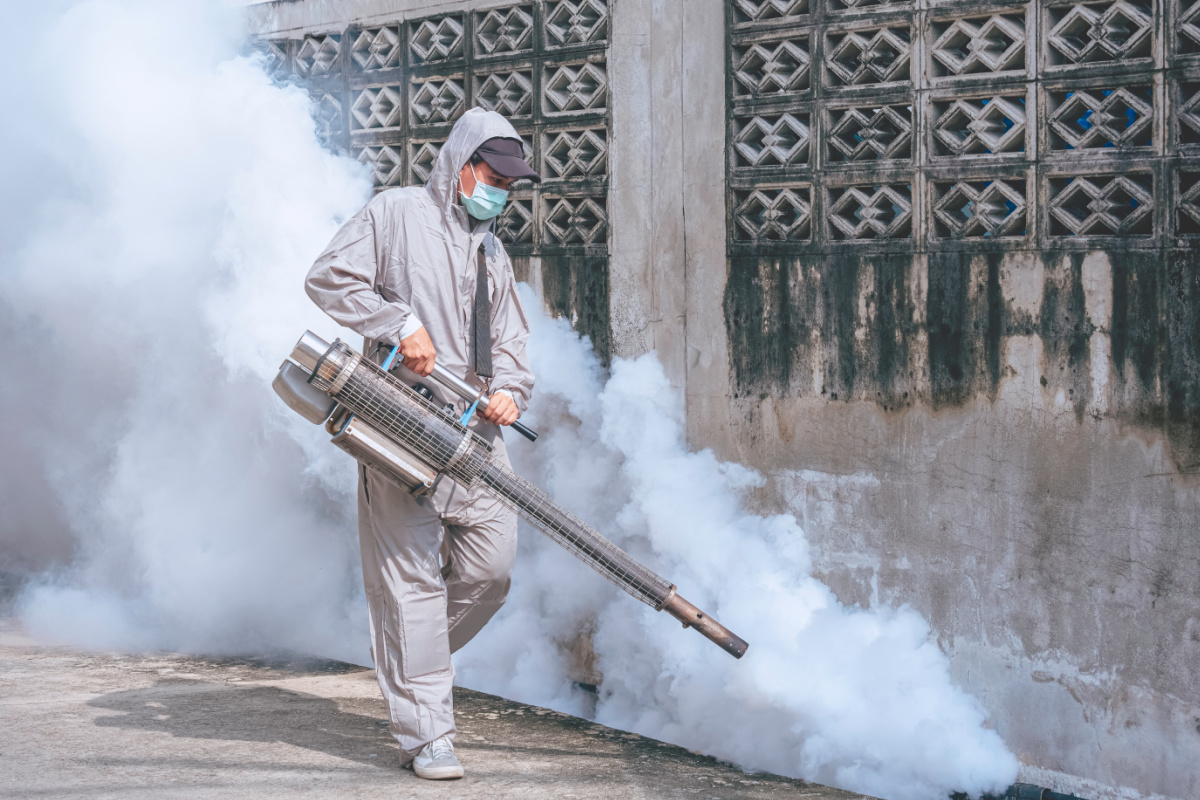
What Is This New Mosquito Program All About?
Starting in December, the Baja California Sur Health Secretariat (SSA) will launch the second phase of the Wolbachia mosquito program in Los Cabos, backed by both federal and municipal authorities.
Instead of more fumigation trucks, this strategy relies on releasing special Aedes aegypti mosquitoes that carry a naturally occurring bacteria called Wolbachia. When these insects mate with wild mosquitoes, they produce new generations that cannot transmit dengue – and may also help block viruses like Zika and chikungunya.
Health officials describe this as a biological control method, approved by the World Health Organization and already tested successfully in La Paz and cities around the world.
If you remember when authorities started releasing mosquitoes earlier this year, we broke that story in our guide to why Los Cabos is releasing thousands of mosquitoes on purpose – and why that was actually good news for tourists. This new phase is the next step.


Phase 1 vs. Phase 2: What’s Changing Now?
According to the state health authorities, the first phase in Los Cabos focused on community outreach and explaining the Wolbachia strategy to neighborhoods, hotels, and local leaders.
The second phase is where the real fieldwork begins:
- Scheduled releases of Wolbachia-carrying mosquitoes in targeted areas
- Logistics support from the Los Cabos municipal government to help crews reach neighborhoods efficiently
- A gradual replacement of the local Aedes aegypti population with mosquitoes that can’t pass dengue, Zika, or chikungunya to humans – including visitors staying in those zones
In plain terms, authorities are trying to make the mosquitoes that matter for dengue less dangerous, long term.
Is It Safe To Be Around Wolbachia Mosquitoes?
We know the idea of “more mosquitoes” sounds alarming at first. The good news:
- Wolbachia is a naturally occurring bacteria found in roughly half of all insect species, including butterflies and bees.
- Studies from the World Mosquito Program and public health agencies show that Wolbachia mosquitoes are safe for humans, animals, and the environment and actually reduce the ability of Aedes aegypti to spread dengue and similar viruses.
- The CDC also notes that mosquitoes with Wolbachia are not genetically modified, and projects using them in places like Mexico, Australia, and Singapore have led to big drops in the target mosquito species.
So if you hear about “mosquito releases” while you’re in town, it’s part of a controlled public-health project, not an outbreak.

What This Means For Your Cabo Vacation
Dengue has been on travelers’ minds in recent rainy seasons, especially after heavy downpours boosted mosquito activity across the region. We recently broke down what that meant for visitors in our guide to mosquitoes in Los Cabos after heavy rains, including how to stay bite-free while still enjoying your pool days and sunset dinners.
This new Wolbachia phase adds another layer of protection on top of the usual measures like:
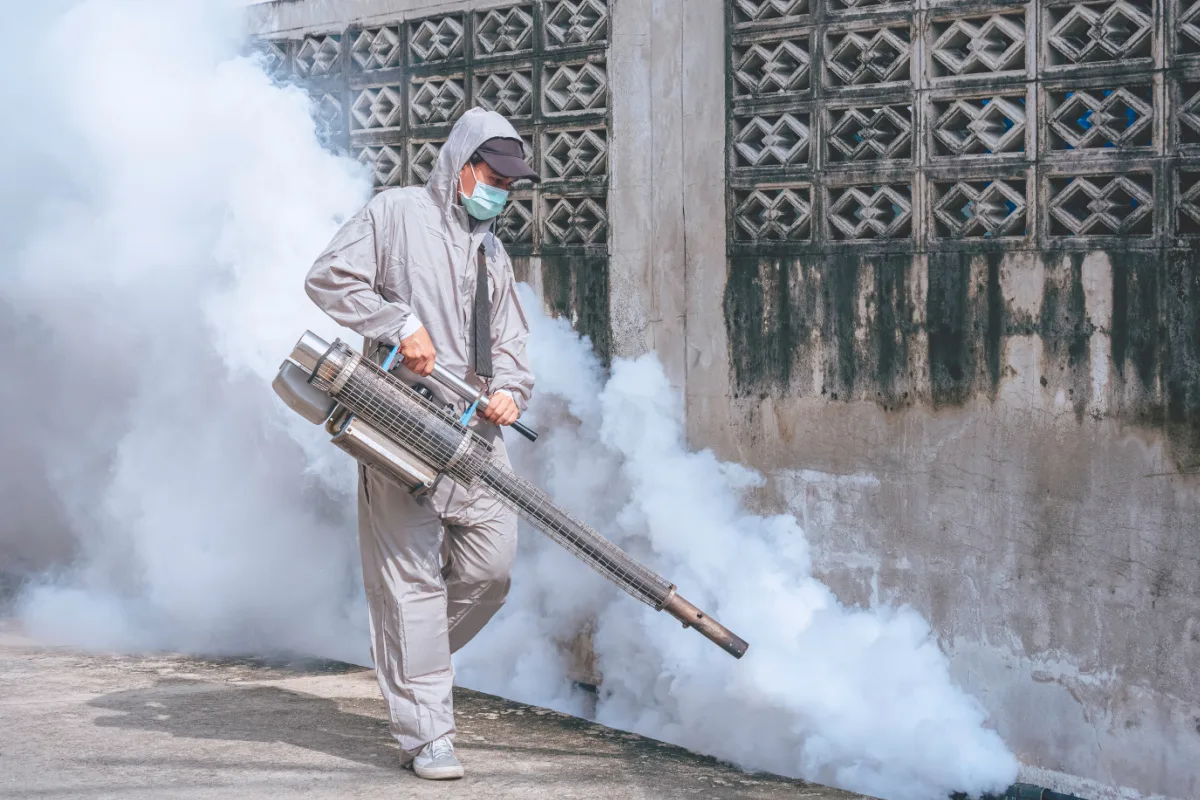
- Periodic fumigation and spraying
- Public education campaigns
- Clean-up drives to remove standing water
If you want a more medical deep dive into dengue itself – symptoms, treatment, and who’s most at risk – you can also check out our in-depth explainer on dengue fever in Los Cabos.


Simple Ways Travelers Can Still Stay Protected
Even with science on your side, you’ll have the best experience in Cabo if you combine the Wolbachia program with a few common-sense steps:
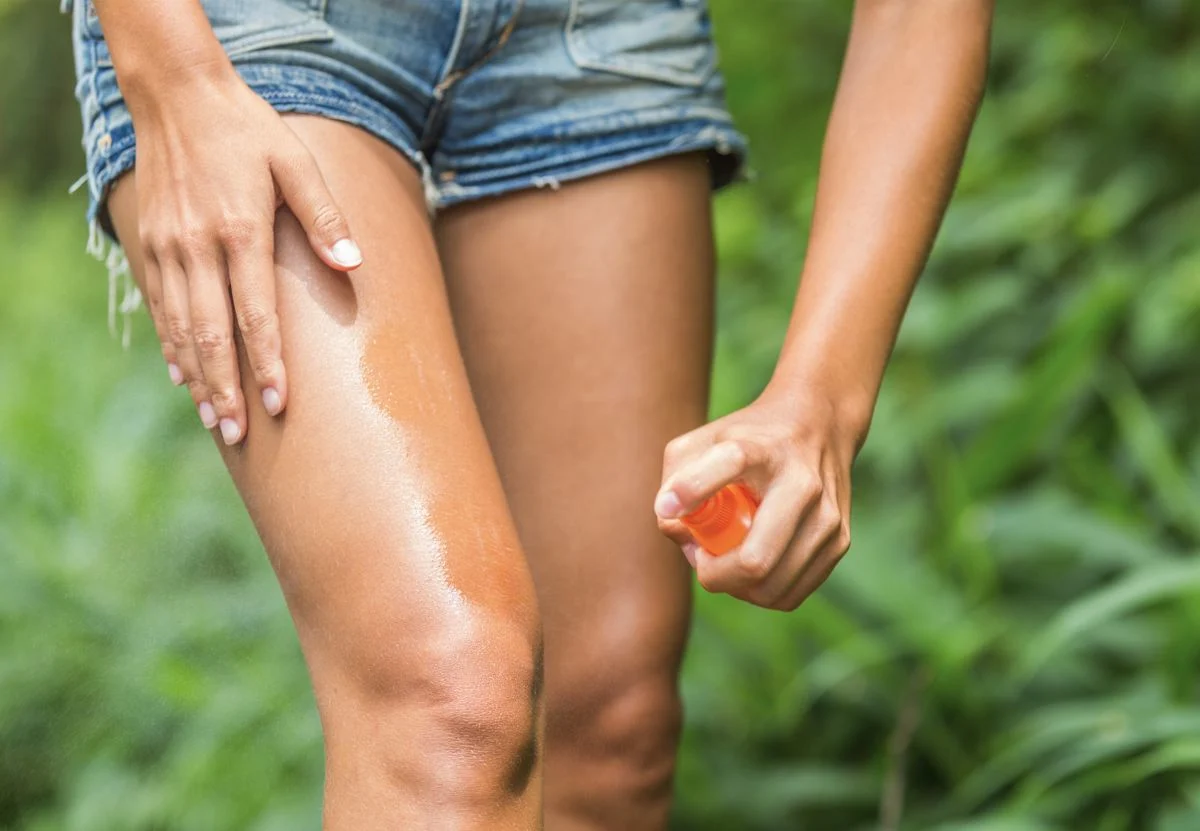
- Use repellent daily. Pack a reliable mosquito repellent (DEET, picaridin, or similar) and apply it before heading out, especially around sunrise and sunset.
- Cover up during peak hours. Light, long sleeves and pants in the evenings can make a big difference, particularly if you’re dining outdoors or exploring downtown.
- Watch out for standing water. If you’re in a rental with patios or planters, dump any water that collects after a storm – it’s exactly where mosquitoes love to breed.
- Know when to seek care. If you develop high fever, strong body aches, or other flu-like symptoms after multiple bites, get checked by a doctor and mention possible dengue exposure. Our earlier dengue guide explains key warning signs.
For a bigger picture on security, health, and overall risk right now, you can also read our on-the-ground report on whether Cabo is safe to visit this winter, which pulls together the latest local data and traveler tips.


Bottom Line: More Peace Of Mind For Cabo Travelers
Los Cabos isn’t just reacting to dengue – it’s leaning into one of the most modern mosquito-control strategies in the world, backed by international health organizations and real-world results in cities like La Paz.
For travelers, that means more peace of mind heading into the next rainy season and beyond. Combine this new Wolbachia phase with your usual mosquito precautions, and you can keep focusing on the fun stuff: ocean views, rooftop cocktails, and those long, lazy Baja sunsets.
The Ultimate Cabo Trip Planner
When’s the best time to go? Our powerful month-by-month guide breaks down the weather, crowds, hotel rates, and whale watching seasons for your perfect trip.
Find Your Perfect Los Cabos Resort In Seconds
This simple, powerful tool was built by our on-the-ground experts to match you with the ideal resort for your specific budget and travel style.
Subscribe to our Latest Posts
Enter your email address to subscribe to The Cabo Sun’s latest breaking news affecting travelers, straight to your inbox.