
When I map out my travel schedule for the year, October always looks like the absolute perfect time to fly down to the Baja Peninsula. The intense, blistering heat of the late summer begins to finally break, the massive winter holiday crowds have not yet descended on the Tourist Corridor, and the resort pricing is highly competitive.
However, booking a trip during this specific window comes with a major environmental caveat. While the official Pacific hurricane season runs from May 15 through November 30, the behavior of these massive storms drastically shifts as we transition into autumn.
The National Meteorological Service (SMN) and local Civil Protection authorities in Los Cabos have just issued a stark warning to both residents and tourists: tropical cyclones that form in October and November present a significantly higher risk to the region than the storms we see in August.
If you are packing your bags for a fall getaway, understanding exactly how these late-season weather patterns operate is critical for keeping your vacation safe and stress-free.
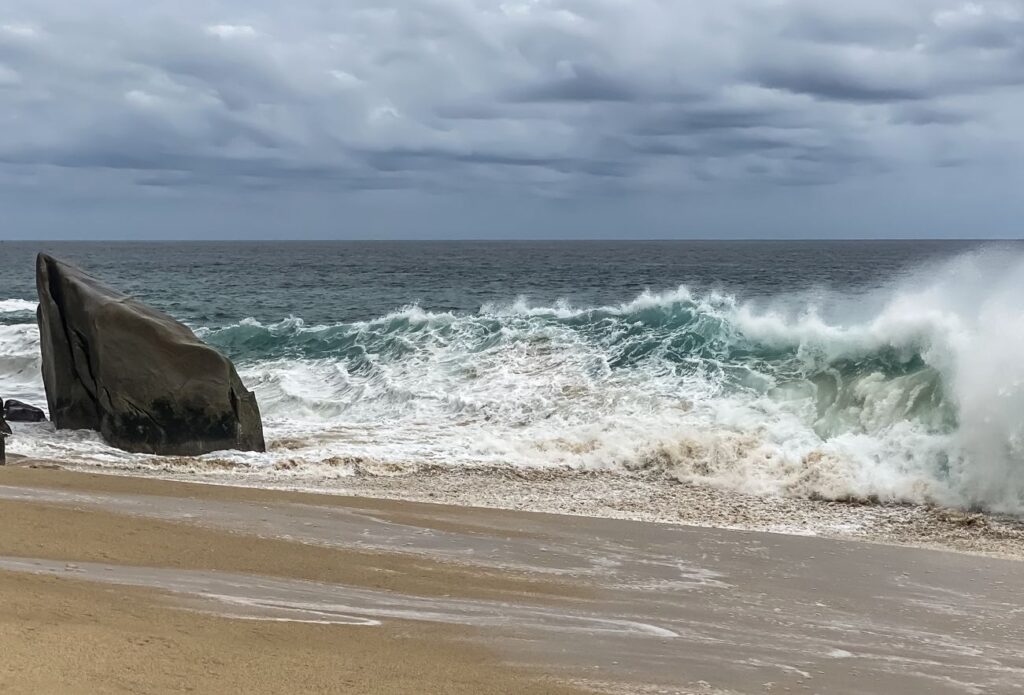

The October “Curve” Phenomenon
Throughout the peak summer months, tropical storms that form off the southern coast of Mexico typically follow a very predictable path.
Pushed by standard atmospheric steering currents, they usually track straight west, heading out into the deep, open waters of the Pacific Ocean and safely away from land.
But when October arrives, the atmospheric engine completely changes.
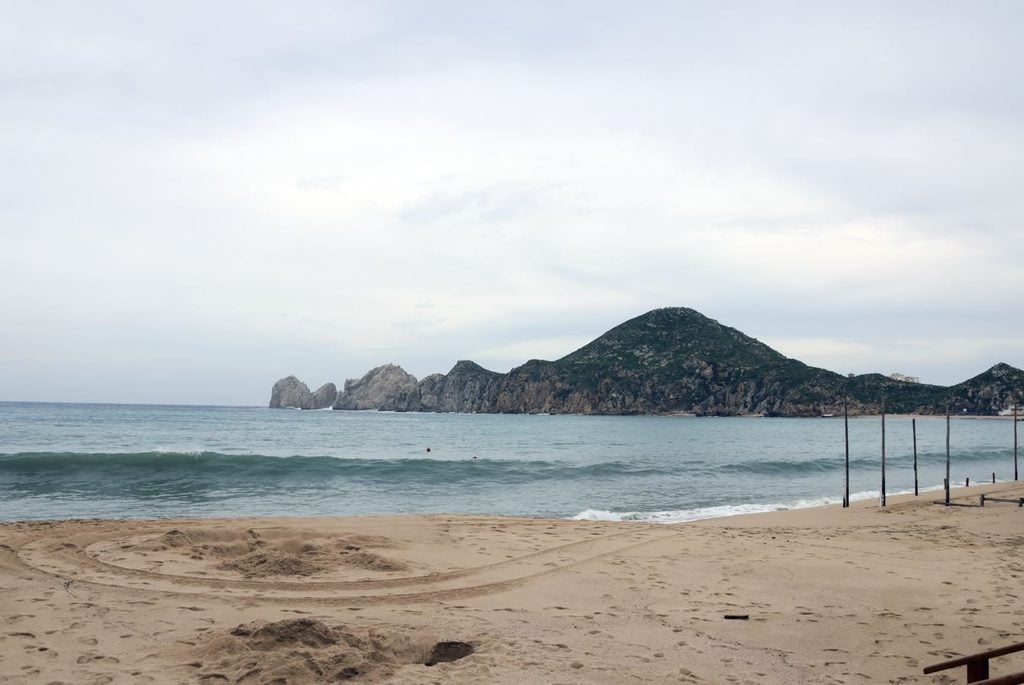
According to Francisco Cota Márquez, the director of Civil Protection and Risk Management for Los Cabos, late-season storms become inherently more dangerous because of their trajectories.
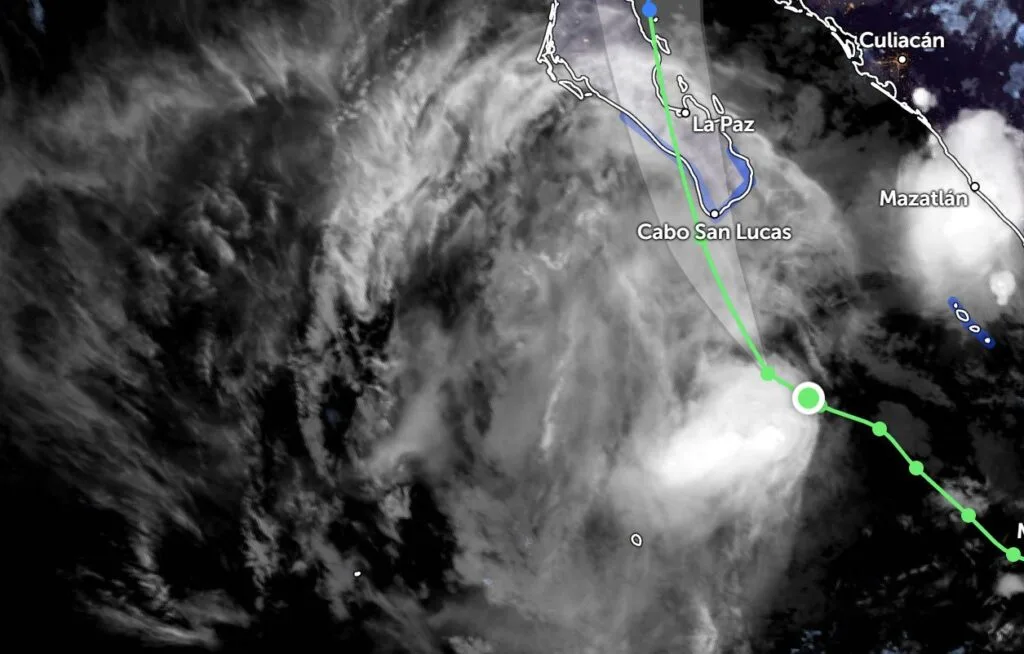
As autumn cold fronts begin to push down from the United States, they alter the steering currents over the Pacific. Instead of moving safely out to sea, these October cyclones tend to aggressively curve back toward the northeast. This exact curving motion puts the southern tip of the Baja California peninsula directly in the crosshairs.
Furthermore, Cota Márquez noted that the heavy autumn humidity drastically increases the amount of precipitation these late-season storms carry, meaning even a near-miss can trigger massive localized flooding and swollen arroyos across the municipality.

Surpassing the Seasonal Forecast
This heightened October risk is compounded by the sheer volume of storms churning in the Pacific this year.
Before the hurricane season began, the SMN forecast a maximum of 21 hydrometeorological phenomena for the region. As we enter the first week of October, the Pacific has already generated 18 named systems.
Because the ocean temperatures remain incredibly warm and the atmospheric conditions remain highly favorable for cyclone development, Cota Márquez confirmed that local officials expect to hit, and potentially easily exceed, that 21-storm cap. The SMN is currently projecting that significant cyclonic activity will persist well into November, meaning the threat of heavy weather will linger longer than usual this year.

Navigating a Fall Trip to Cabo
A high-risk forecast does not mean you need to immediately cancel your October vacation, but it does mean you can no longer operate on autopilot. The local government and the luxury hospitality sector in Los Cabos are world-class at handling severe weather, but you have to be prepared to adapt your itinerary.
- Anticipate Ocean Closures: Even if a curving storm stays hundreds of miles offshore, its massive wind field will push dangerous, long-period swells directly into the Cabo coastline. Expect frequent black and red flag warnings on the beaches and anticipate that the port of Cabo San Lucas may shut down, canceling your snorkeling and sunset sailing charters.
- Invest in Comprehensive Insurance: If you are traveling between now and Thanksgiving, standard travel insurance is not a luxury; it is a necessity. Ensure your policy specifically covers “Cancel For Any Reason” (CFAR) and weather-related trip interruptions so you are protected if a storm curves toward the airport on your departure day.
- Monitor Official Channels: Do not rely on social media rumors for weather updates. Follow the official Los Cabos Civil Protection channels and download your airline’s mobile app to track inbound flight delays caused by regional weather bands.
The Baja peninsula is spectacular in the fall, but the Pacific Ocean remains in charge. Stay informed, remain flexible, and rely on the robust emergency protocols that the luxury resorts have in place.
Join Our Cabo Sun Community of 20,000+ Members
Get real-time answers to your travel questions from our team of local experts and thousands of fellow travelers directly inside our interactive group.
Find Your Perfect Los Cabos Resort In Seconds
This simple, powerful tool was built by our on-the-ground experts to match you with the ideal resort for your specific budget and travel style.
The Ultimate Cabo Trip Planner
When’s the best time to go? Our powerful month-by-month guide breaks down the weather, crowds, hotel rates, and whale watching seasons for your perfect trip.
Enter your email address to subscribe to The Cabo Sun’s latest breaking news affecting travelers, straight to your inbox.