
If you are planning a summer trip to Los Cabos, you are likely dreaming of perfect, cloudless desert skies and long days lounging by the pool. For the vast majority of the year, that is exactly what you will get. Los Cabos is famous for boasting around 350 days of sunshine annually.
However, the Baja Peninsula is not completely immune to weather events. Late summer officially kicks off the storm season, and while Cabo is generally much drier than the Caribbean or the Mexican mainland, you should still know what to expect.
Here is your complete guide to summer rainfall in Los Cabos and how it might impact your upcoming vacation.
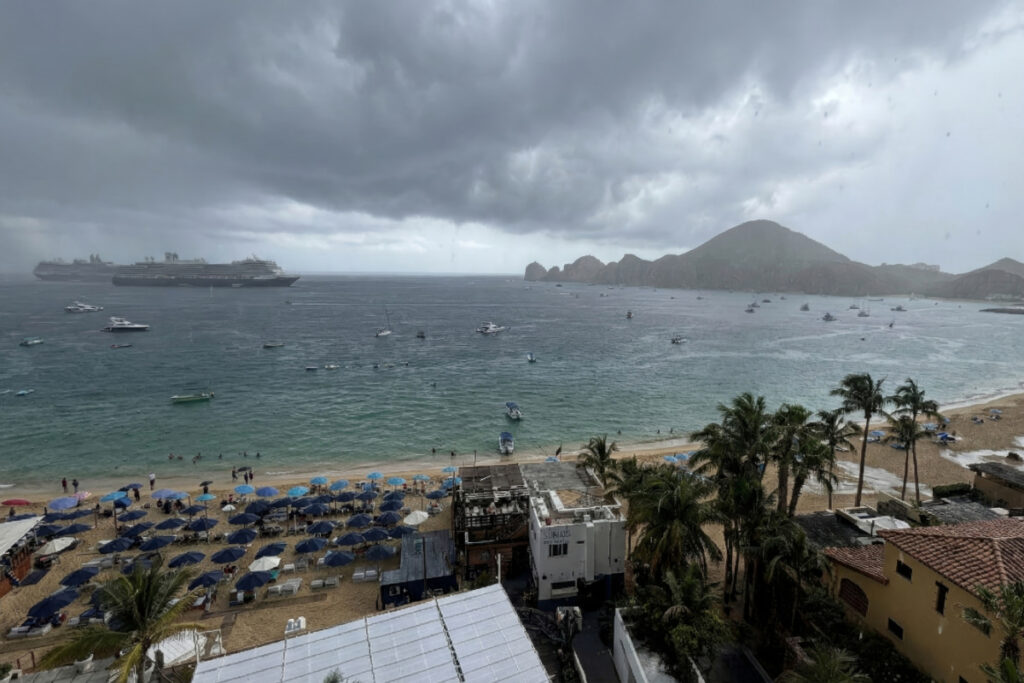

The Averages: Cabo Is a Desert First
The most important thing to remember is that Los Cabos has an arid desert climate, not a tropical rainforest climate.
While destinations like Cancun might see daily afternoon thunderstorms throughout the summer, Cabo is incredibly dry. During June and July, the average rainfall is practically zero.
You might see a stray, isolated shower that lasts ten minutes, but consecutive rainy days in early summer are incredibly rare.
The Late Summer Shift (August & September)
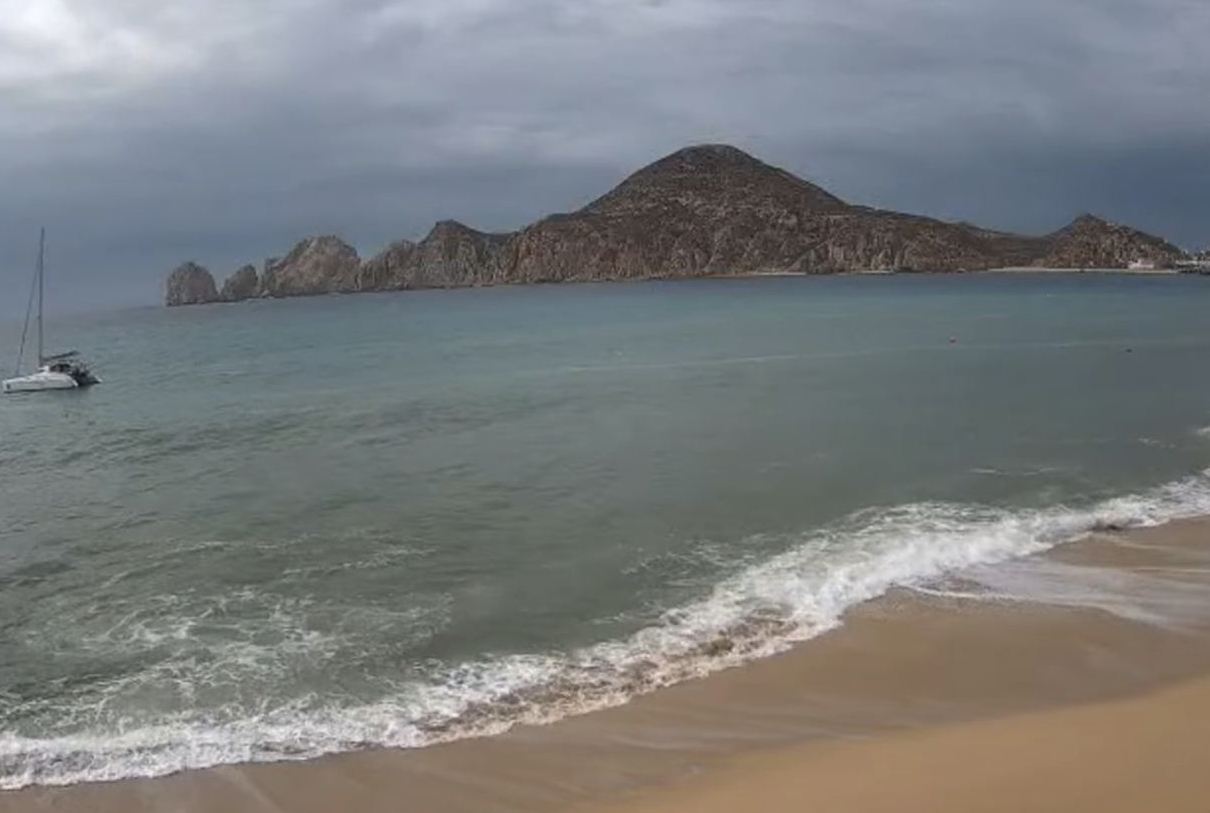
The weather pattern significantly shifts as you move into August and September. These two months are historically the wettest of the year for Los Cabos.
During this window, the region averages between 2 to 3 inches of rain per month. While that might not sound like much compared to Florida or the Caribbean, the rain in Cabo rarely comes in the form of a gentle, all-day drizzle.
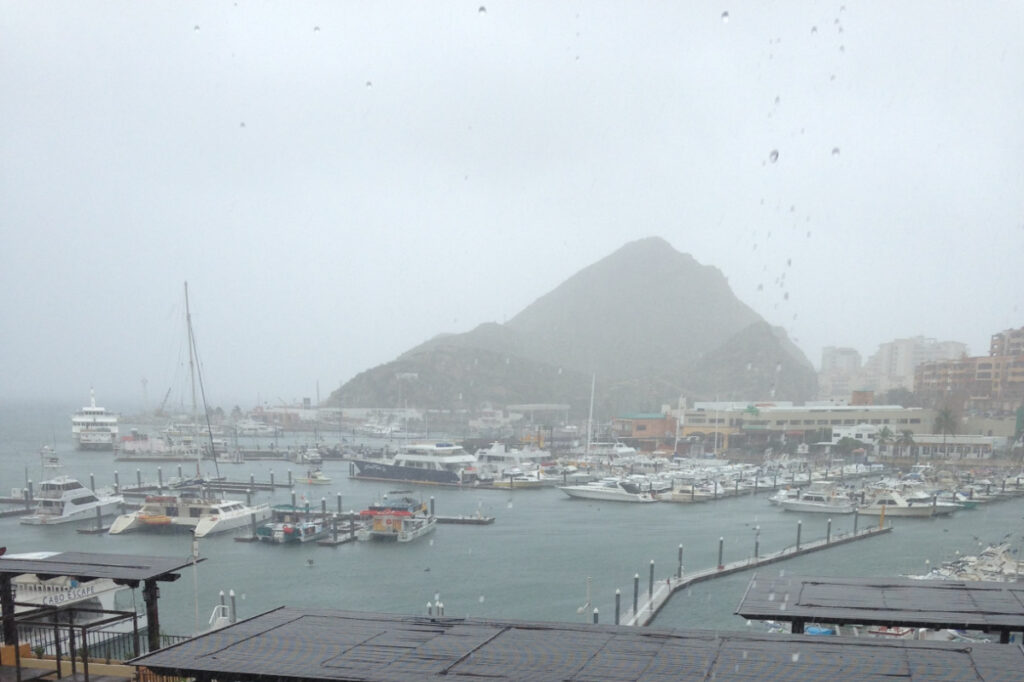
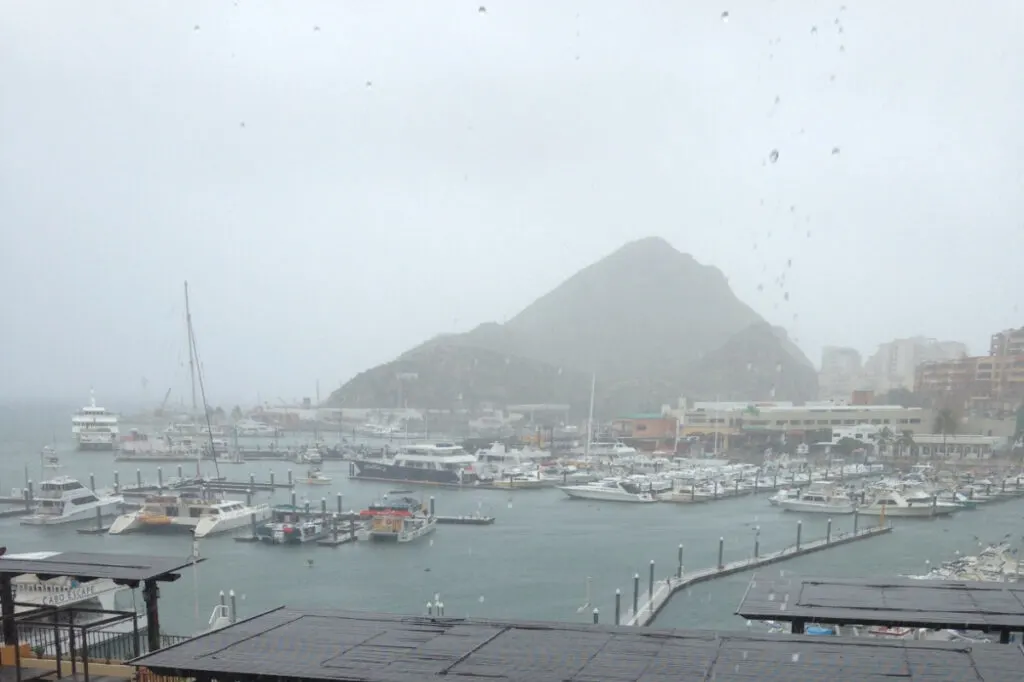
When it rains in the Baja desert, it usually comes in short, heavy, and intense tropical downpours.
What About Hurricane Season?
Officially, the Eastern Pacific hurricane season runs from May 15th through November 30th. However, the highest historical risk for a major storm directly impacting the Los Cabos region is highly concentrated in the month of September.
During September, the ocean waters surrounding the peninsula reach their peak temperatures, providing the necessary fuel for tropical cyclones to develop and strengthen.
- Will a hurricane ruin my trip? Statistically, a direct hit from a major hurricane is rare. Most storms track parallel to the coastline, moving out into the open Pacific.
- What you will actually experience: Even if a storm does not make landfall, a passing system will push heavy swells into the coastline (often resulting in red-flag beach closures) and can bring a few days of overcast skies and heavy, intermittent rain showers to the resort corridors.


Current 2026 Weather Watch
As an example of what to expect, local authorities frequently monitor offshore systems throughout the summer. Right now, in mid-July, the Los Cabos Civil Protection agency is tracking a low-pressure area south of Colima that has a high probability of developing into a tropical depression.
While this specific system is currently forecasted to move west-northwest, completely away from the Baja peninsula, its interaction with the Mexican Monsoon is still pushing isolated moisture into our region. This means tourists in Cabo this weekend might experience scattered showers or brief thunderstorms, despite the storm remaining hundreds of miles offshore.
If you are traveling in late August or September, purchasing travel insurance is always a smart play, but don’t let the forecast scare you away. You are still highly likely to enjoy an incredible, sun-soaked vacation in the luxury capital of Mexico!
Join Our Cabo Sun Community of 20,000+ Members
Get real-time answers to your travel questions from our team of local experts and thousands of fellow travelers directly inside our interactive group.
Find Your Perfect Los Cabos Resort In Seconds
This simple, powerful tool was built by our on-the-ground experts to match you with the ideal resort for your specific budget and travel style.
The Ultimate Cabo Trip Planner
When’s the best time to go? Our powerful month-by-month guide breaks down the weather, crowds, hotel rates, and whale watching seasons for your perfect trip.
Enter your email address to subscribe to The Cabo Sun’s latest breaking news affecting travelers, straight to your inbox.