
Heading down to the beach is usually the first thing on your itinerary when you land in paradise. But if you are stepping onto the sand in Los Cabos over the summer, you are going to notice a heavily active flag system and lifeguards on high alert.
Municipal authorities have just issued an urgent advisory reminding all tourists and residents to strictly follow the warning flags posted along the coast. A natural phenomenon known as a swell has moved into the region, creating highly unpredictable maritime conditions, dangerous breaking waves, and aggressive rip currents.
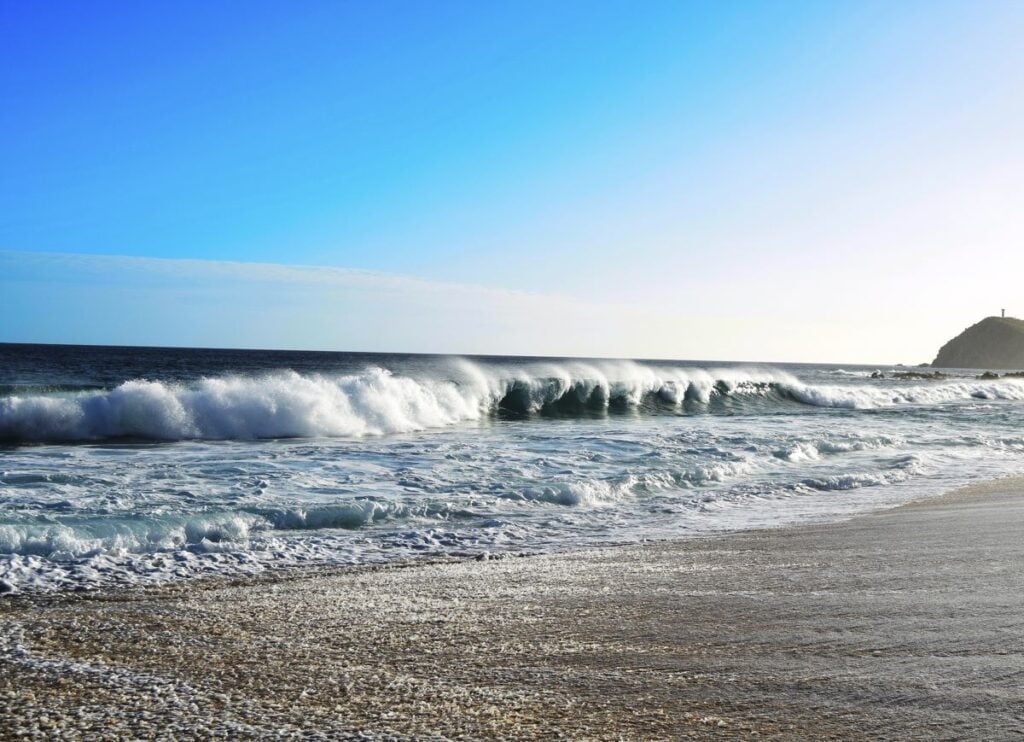
When a swell hits, a beach that looked perfectly calm yesterday can suddenly become a serious hazard today. To keep your vacation on track and out of harm’s way, here is exactly what is happening in the water, what the colored flags mean, and how to navigate the coast safely right now.
Understanding The Current Swell Conditions
The sudden shift in the ocean is being driven by seasonal swells that are completely altering the wave patterns along the coastline. Rafael Álvarez Munguía, the municipal coordinator of the Federal Maritime Terrestrial Zone, stepped up to emphasize that these dangerous conditions are expected to persist for the next few days.
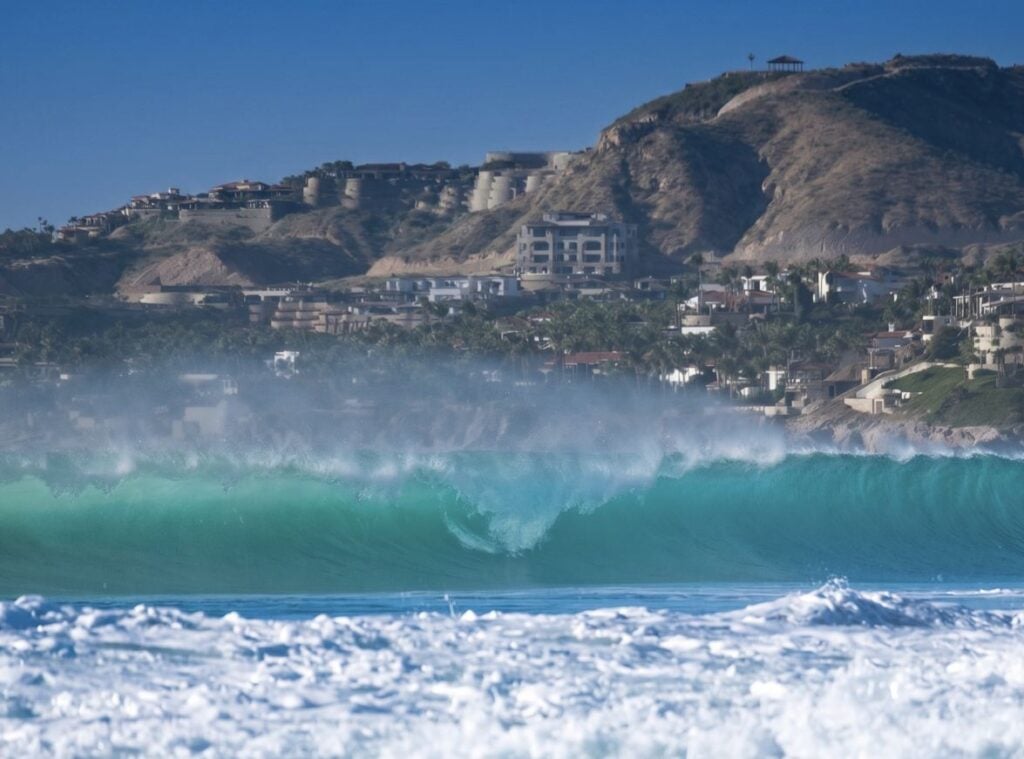
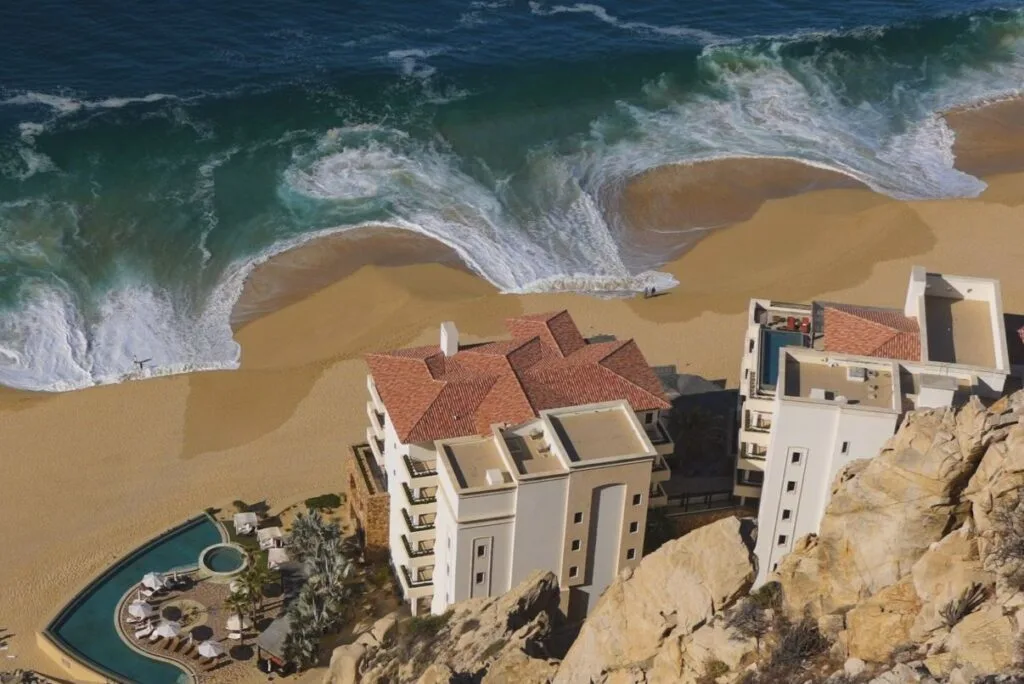
A swell does not just mean bigger waves for surfers; it means a massive volume of water is pushing onto the shore. This rapid influx of water creates powerful, invisible rip currents as that water tries to rush back out to sea. These currents are relentless and can easily sweep a full-grown adult off their feet in ankle-deep water, dragging them away from the shoreline in a matter of seconds.
Because of the immediate and unpredictable risk, local officials have deployed lifeguards for constant, around-the-clock surveillance across all major beaches. Authorities are explicitly asking tourists to follow every single directive given by the rescue teams. Their fast intervention is the primary safeguard keeping swimmers out of trouble while this natural oceanic phenomenon passes through the Baja peninsula.

The Official Los Cabos Beach Flag Guide
You should never guess whether the water is safe based on how it looks from your lounge chair. Every morning, rescue teams physically assess the shoreline and post colored warning flags directly in the sand to communicate the current risk level. You need to memorize this official color code before you even touch the water:
- 🟢 Green Flag: Safe conditions; swimming is fully permitted. The water is calm and ideal for all recreational activities.
- 🟡 Yellow Flag: Moderate danger; you can enter the water, but you must use extreme caution. Expect choppy waves and stronger-than-usual currents.
- 🔴 Red Flag: High hazard; swimming is strictly discouraged due to strong currents or high waves. Do not attempt to wade or swim.
- ⚫ Black Flag: Extreme danger; the beach is officially closed for all water activities. Stay entirely off the wet sand and away from the shoreline.
- ⚪ White Flag: Presence of hazardous marine life, such as jellyfish. Enter at your own risk and stay highly alert.
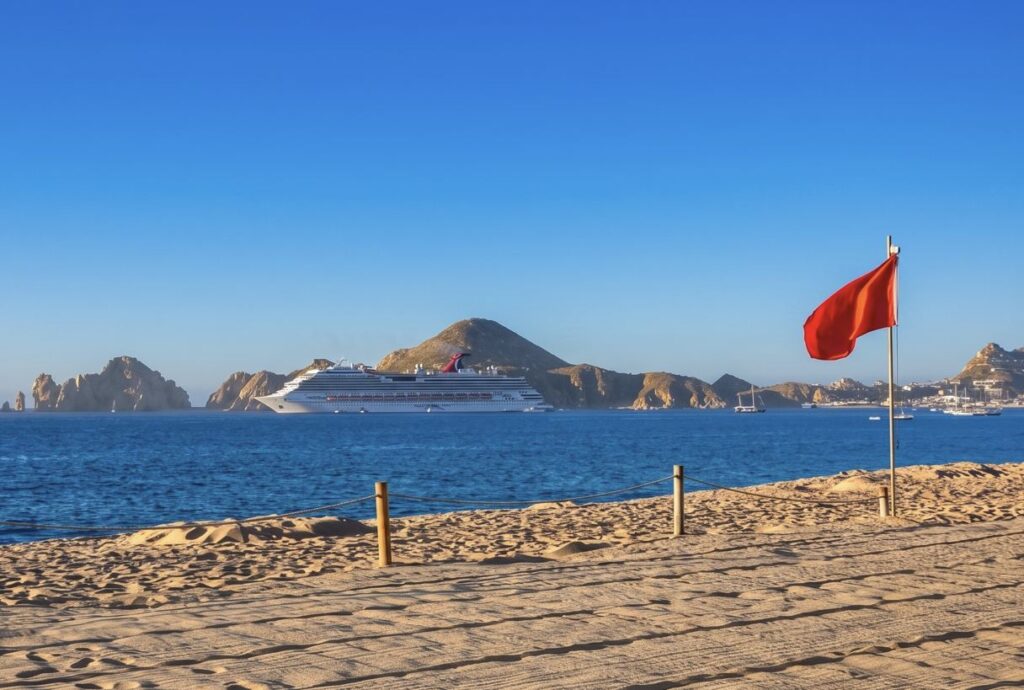
If you see a red or black flag flapping in the wind, it means you need to stay entirely on the dry sand. Do not assume that because you are a strong swimmer or grew up near the ocean that you can handle the surf. The undercurrents generated during a Pacific swell are incredibly powerful and completely unforgiving.
How To Enjoy The Water Smartly Right Now
The good news is that a heavy swell does not mean your beach vacation is ruined. It just means you have to travel smart, understand the local geography, and adapt your daily plans.

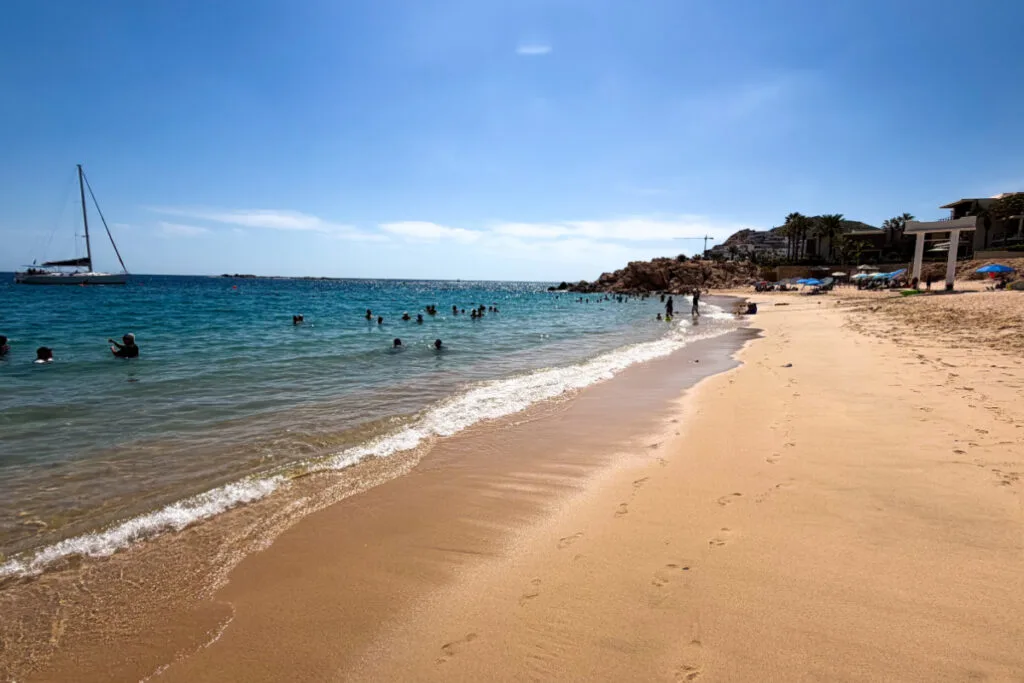
The most dangerous waves and rip currents hit the open coastlines the hardest, particularly along the Tourist Corridor and the Pacific side of Cabo San Lucas. If you want to jump into the ocean without battling the swells, you simply need to head to the naturally protected zones.
Medano Beach remains the premier, highly secure choice for swimming because the massive natural curve of the bay blocks the heavy open-ocean swells from crashing directly onto the shore. Even during a regional weather alert, the water at Medano often stays flat, calm, and perfectly swimmable, making it the ultimate backup plan when the rest of the coast is closed.
Beach Warning
A Secure Environment For Your Vacation
The tourist zones across Los Cabos remain incredibly secure, and visitor confidence is sitting at an all-time high. The local government is doing all the heavy lifting behind the scenes to actively monitor the coast, update the warning systems, and keep you protected from natural hazards. The lifeguards are highly trained professionals who know these waters better than anyone.
Check the colored flags the moment you walk onto the sand, listen to the lifeguards without hesitation, and pivot your plans to a protected bay if the waves look rough. Taking five seconds to spot the beach flag can be the difference between a relaxing afternoon and a dangerous emergency. Respect the ocean, trust the local authorities, and your trip will go off without a hitch.
Join Our Cabo Sun Community of 20,000+ Members
Get real-time answers to your travel questions from our team of local experts and thousands of fellow travelers directly inside our interactive group.
Find Your Perfect Los Cabos Resort In Seconds
This simple, powerful tool was built by our on-the-ground experts to match you with the ideal resort for your specific budget and travel style.
The Ultimate Cabo Trip Planner
When’s the best time to go? Our powerful month-by-month guide breaks down the weather, crowds, hotel rates, and whale watching seasons for your perfect trip.
Enter your email address to subscribe to The Cabo Sun’s latest breaking news affecting travelers, straight to your inbox.