
Summer in Los Cabos is an absolute dream for travelers looking to enjoy warm ocean water, long sunny beach days, and vibrant nightlife. But as the weather shifts from the dry spring breezes to the more humid, tropical climate of the summer, the environment begins to change. With the rising humidity and the arrival of the first seasonal rains comes the official start of mosquito season. Most importantly, this marks the beginning of dengue fever season.
While encountering mosquitoes is a very normal part of any tropical vacation, knowing exactly what to expect is essential to keeping your trip completely stress-free. Here is everything you need to know about the current dengue season and how to protect yourself while enjoying the coast.
What Is Dengue Fever and When Is Peak Season?
Dengue fever is a viral infection that is transmitted entirely by mosquitoes. It cannot be passed directly from person to person like a common cold. The specific mosquitoes that carry the virus absolutely thrive in warm, humid climates where standing water accumulates. Because of this, the dengue season directly mirrors the local weather patterns in Baja California Sur.

While the season technically kicks off as the summer weather warms up in May and June, the mosquito population does not truly explode until the heavy summer rains arrive. The peak threat level usually hits late in the summer, ramping up significantly through August and September when the region sees the most intense rainfall. If you are traveling during these late summer months, your chances of running into mosquitoes are much higher than during the cool, dry winter season.
Why You Should Not Cancel Your Trip
Hearing the phrase “dengue fever” might sound incredibly intimidating, but there is absolutely no need to panic or cancel your upcoming flight. This is an endemic illness, which means it is simply a standard part of life in tropical environments. Millions of tourists visit Los Cabos every single summer without ever seeing a single mosquito, let alone getting sick.

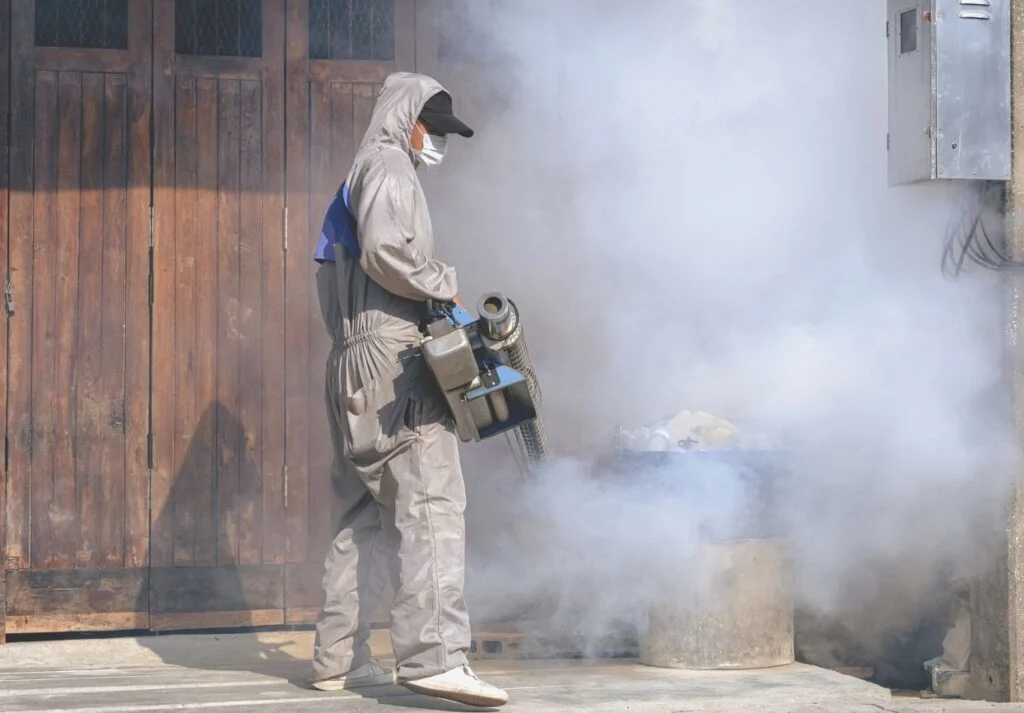
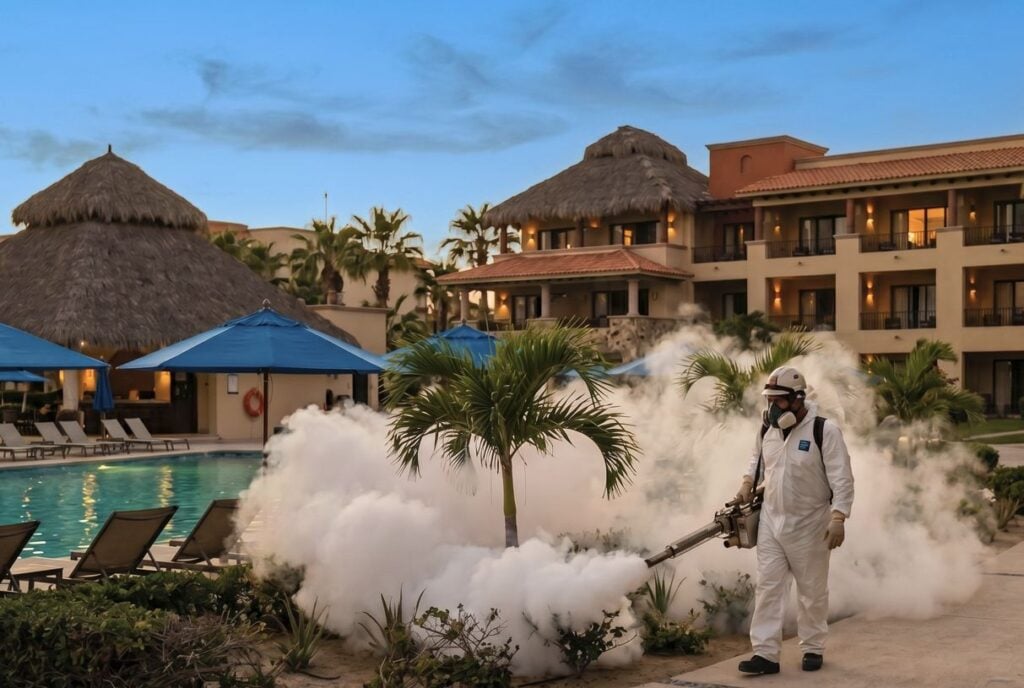
The local government and health authorities take the start of the season very seriously to protect the tourist bubble. Before the heavy rains even begin, the health department is actively working across Cabo San Lucas and San Jose del Cabo. They routinely send trucks to fumigate the residential streets, treat local water supplies to prevent larvae from hatching, and run community clean-up campaigns to remove standing water. They are even using an innovative biological strategy called the Wolbachia project, which introduces safe, naturally occurring bacteria into the local mosquito population to stop them from being able to spread the virus entirely. Thanks to these massive public health efforts, the overall risk to the average tourist staying in a well-maintained resort is actually quite small.

The Best Ways To Protect Yourself
Since there is no vaccine available for everyday tourists to prevent the illness, the absolute best defense is simply not getting bitten in the first place. You do not need to walk around the beach in a hazmat suit, but a few smart packing choices will make a massive difference.
First, you must bring a high-quality insect repellent from home. Natural or organic bug sprays might smell great, but they simply do not cut it in a real tropical environment. You need a strong, proven repellent that contains DEET or Picaridin. Apply it generously anytime you leave your resort, especially if you are heading out on an excursion near fresh water, taking an ATV tour through the desert, or walking through the downtown marina.
Second, pay attention to the time of day. The specific mosquitoes that carry the virus are most active right at dawn and right at dusk. If you are heading out for a sunset dinner, consider wearing loose-fitting, light-colored clothing that covers your arms and legs. Finally, make sure to keep your hotel room doors and patio screens completely closed, especially in the late afternoon, to keep your room entirely bug-free while you sleep.
Recognizing Symptoms and Getting Help
In the very rare event that you do get bitten by an infected mosquito, you will want to know exactly what to look out for. The symptoms of dengue usually take a few days to show up after a bite. They include a sudden high fever, a severe headache, pain right behind your eyes, and intense muscle and joint aches. In fact, the body aches can be so strong that the illness is sometimes referred to by locals as “breakbone fever.” You might also notice a mild skin rash or easy bruising.

If you start feeling unusually sick during your trip or shortly after you return home, do not just tough it out or try to self-medicate with over-the-counter painkillers. Head straight to a local clinic or hospital in Cabo. The medical facilities in the main tourist zones are world-class, and local doctors are highly experienced in identifying and treating the illness quickly. They will give you the proper fluids and medications to manage your symptoms safely so you can recover as fast as possible.
Mosquito Season
Do not let the start of dengue season ruin your excitement for your summer getaway. With a little bit of bug spray and some simple common sense, you can focus entirely on the beautiful beaches, the amazing food, and enjoying a spectacular trip to the coast .
Join Our Cabo Sun Community of 20,000+ Members
Get real-time answers to your travel questions from our team of local experts and thousands of fellow travelers directly inside our interactive group.
Find Your Perfect Los Cabos Resort In Seconds
This simple, powerful tool was built by our on-the-ground experts to match you with the ideal resort for your specific budget and travel style.
The Ultimate Cabo Trip Planner
When’s the best time to go? Our powerful month-by-month guide breaks down the weather, crowds, hotel rates, and whale watching seasons for your perfect trip.
Enter your email address to subscribe to The Cabo Sun’s latest breaking news affecting travelers, straight to your inbox.