
According to the new Traveler Safety Index released by Travel Off Path, the verdict from verified travelers in 2026 is overwhelming: 90% of visitors report feeling safe during their vacation in Los Cabos.
While North American news outlets often paint Mexico with a broad brush of danger, the operational reality in Los Cabos is distinct. The consensus from hundreds of real-time votes and signal confidence indicates that for the vast majority of tourists, feel the “security threat” is very low.


However, the data also reveals a critical distinction. The 10% of travelers who reported negative experiences were not victims of violent crime. They were victims of friction.
Here is the operational breakdown of the 2026 safety landscape.
The Official Warning: Level 2 Status
To understand the full picture, you have to look at both the traveler sentiment and the official government stance.

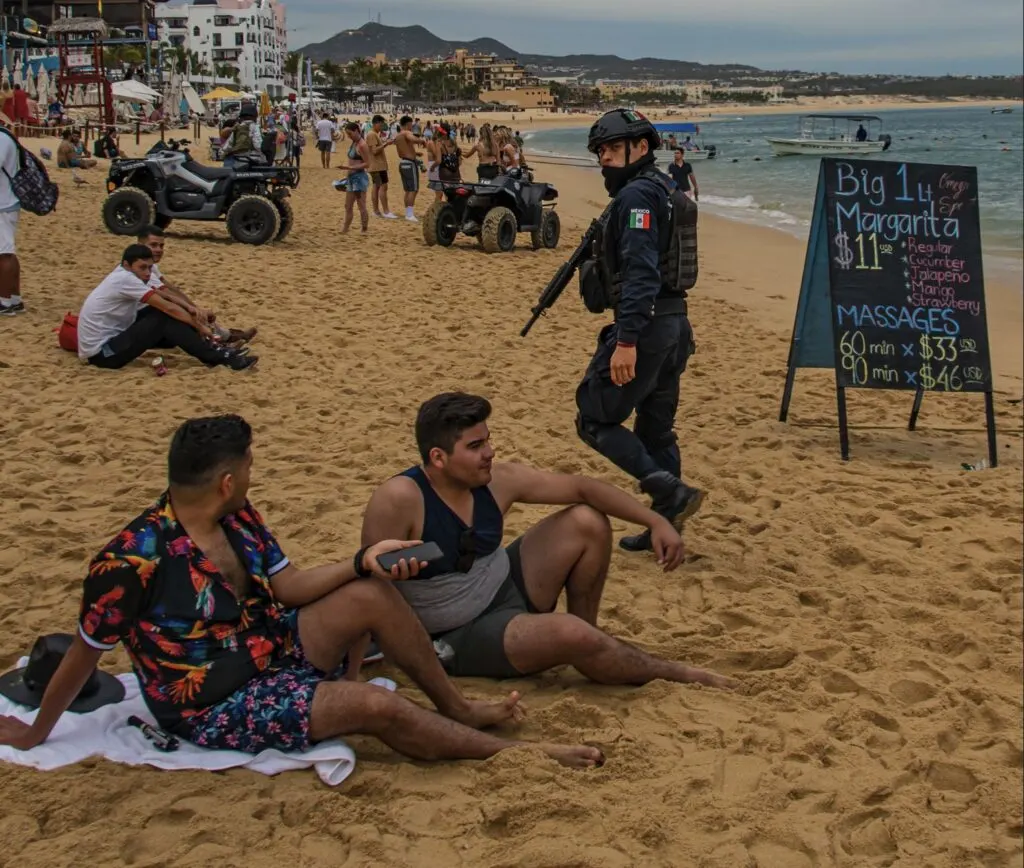
The U.S. State Department currently lists Baja California Sur (including Los Cabos) as Level 2: Exercise Increased Caution.
- The Advisory: The warning cites “crime” as the primary concern, noting that criminal activity and violence can occur throughout the state.
- The Critical Nuance: Despite the “Exercise Increased Caution” label, the State Department explicitly notes that “there are no restrictions on travel for U.S. government employees in Baja California Sur state, including tourist areas in: Cabo San Lucas, San Jose del Cabo, and La Paz.”
This is the operational green light that matters. While other Mexican states (like Sinaloa or Guerrero) have strict “Do Not Travel” orders for U.S. personnel, Cabo remains open. This suggests that while the potential for risk exists, the operational environment for tourists remains stable.


The Data: A “Supermajority” of Security
The 90% “Safe” rating from the Traveler Safety Index aligns with official government statistics, confirming that the Los Cabos tourist zone remains an outlier in Mexico’s security landscape.
- Government Alignment: Recent data from Mexico’s National Institute of Statistics and Geography (INEGI) consistently ranks Los Cabos (San José and Cabo San Lucas) in the top tier of perceived safety, with resident perception of insecurity tracking far below the national average of 63.8%.
- The “Bubble” Effect: The Traveler Safety Index suggests that tourists actually feel safer than residents (90% vs. ~60-75% in government polls). This confirms that the “Tourist Security Perimeter”—the zone covering the Marina, the Corridor, and the Hotel Zone—is effectively insulated from broader regional issues.


The “Other 10%”: Scams
For the minority of travelers who reported feeling “unsafe” or “uncomfortable,” the primary threat vector was not physical danger. It was financial harassment.
The negative reports centered on two specific friction points:
- Vendor Saturation: High-pressure sales tactics on El Médano Beach and the Marina.
- Perceived Scams: The “Shark Tank” & Taxi Gouging: Deceptive practices at the airport and unauthorized tour operators, combined with overcharging by local taxi drivers.
The data is clear: You are unlikely to be mugged in Cabo, but you are statistically likely to be annoyed.


- The Scam Report: The Index recorded specific flags for financial deception, including the classic “ATM Switch” scam and the “Service Charge” double-tip trap we highlighted earlier.
- The Harassment Factor: One specific report highlighted aggressive persistence from street vendors. While not physically dangerous, this “relentless commerce” creates a psychological feeling of insecurity for uninitiated travelers.
Operational Takeaway: Hard vs. Soft Risk
The 2026 Traveler Safety Index clarifies the difference between “Hard Risk” (Violence) and “Soft Risk” (Scams).
- Hard Risk (Violence): Low. The 90% safety rating confirms that violent crime rarely intersects with the tourist experience.
- Soft Risk (Scams): Moderate. The 10% negative sentiment is almost entirely driven by commercial interactions.

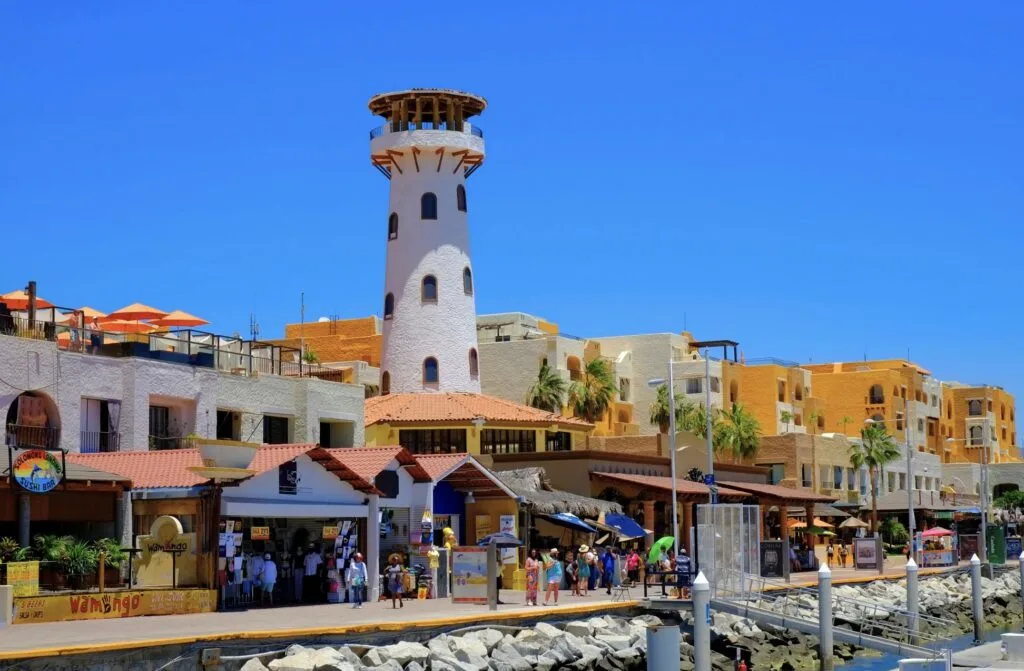
The Protocol
To stay in the 90% “Safe” bracket, you do not need a bodyguard; you need street smarts.
- Ignore the “Hey Amigo”: Engage with vendors only on your terms. A firm “No, gracias” and maintaining your walking pace is the standard operating procedure.
- Secure the Wallet: The “danger” in Cabo is not someone taking your wallet by force; it is someone tricking you into opening it voluntarily. Watch your credit card terminals, pre-book your transport, and ignore the timeshare sharks.
If you can navigate the sales pitch, you can navigate the streets.
The Current Live Safety Index
| 💸 Scams | 3 REPORTS |
| 📢 Harassment | 1 REPORTS |
The Ultimate Cabo Trip Planner
When's the best time to go? Our powerful month-by-month guide breaks down the weather, crowds, hotel rates, and whale watching seasons for your perfect trip.
Find Your Perfect Los Cabos Resort In Seconds
This simple, powerful tool was built by our on-the-ground experts to match you with the ideal resort for your specific budget and travel style.
Subscribe to our Latest Posts
Enter your email address to subscribe to The Cabo Sun’s latest breaking news affecting travelers, straight to your inbox.