
You have just wrapped up the ultimate luxury escape on the Baja Peninsula. You spent your days lounging at a five-star resort along the Tourist Corridor, taking sunset catamaran cruises past The Arch, and eating your weight in authentic Baja fish tacos. Now, it is time to pack up the suitcases and head to Los Cabos International Airport (SJD) for the flight home.
However, before you zip up your bags and declare your vacation a total success, you need to take a very close look at the souvenirs you purchased. While the vendors at the Cabo San Lucas Marina and the boutique shops in San José del Cabo offer an endless array of incredible local goods, there are several items that are strictly prohibited from crossing international borders.
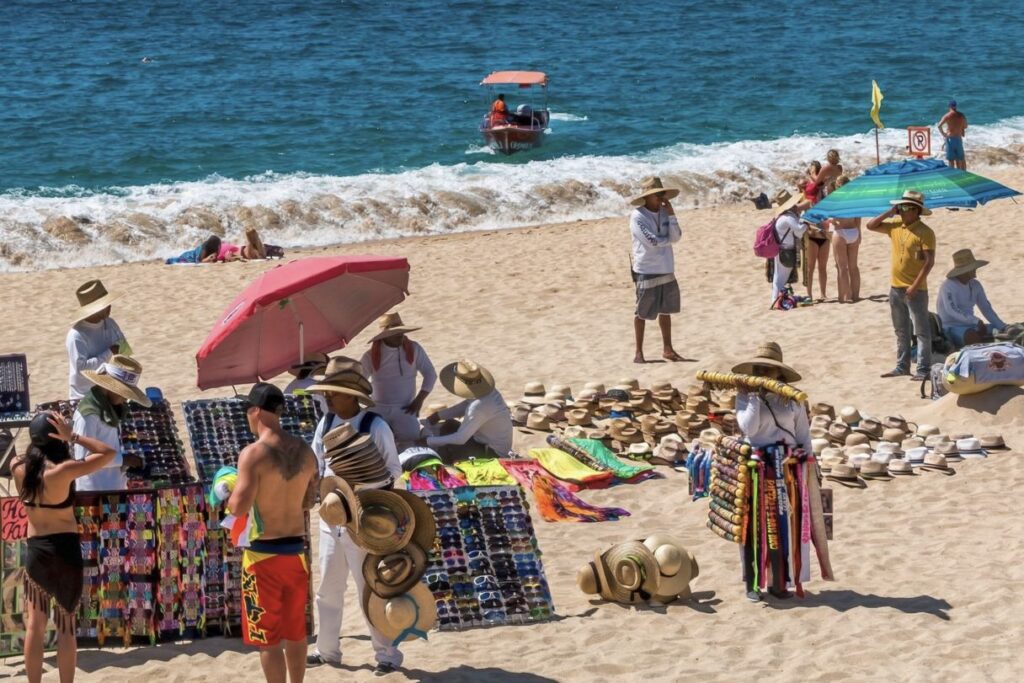
Whether it violates Mexican federal law, international wildlife treaties, or strict agricultural protections back in the United States and Canada, bringing the wrong item to the customs checkpoint can result in massive fines, confiscated goods, and severe travel delays. To save your wallet and your sanity, here are the five items you absolutely cannot bring home from your Cabo vacation.
1. Sea Turtle Shells & Banned Wildlife Products
Los Cabos is famous for its incredible sea turtle nesting and release programs. Unfortunately, you may still encounter shady street vendors or obscure market stalls trying to sell jewelry, hair combs, or even cowboy boots that feature a distinct “tortoiseshell” pattern.
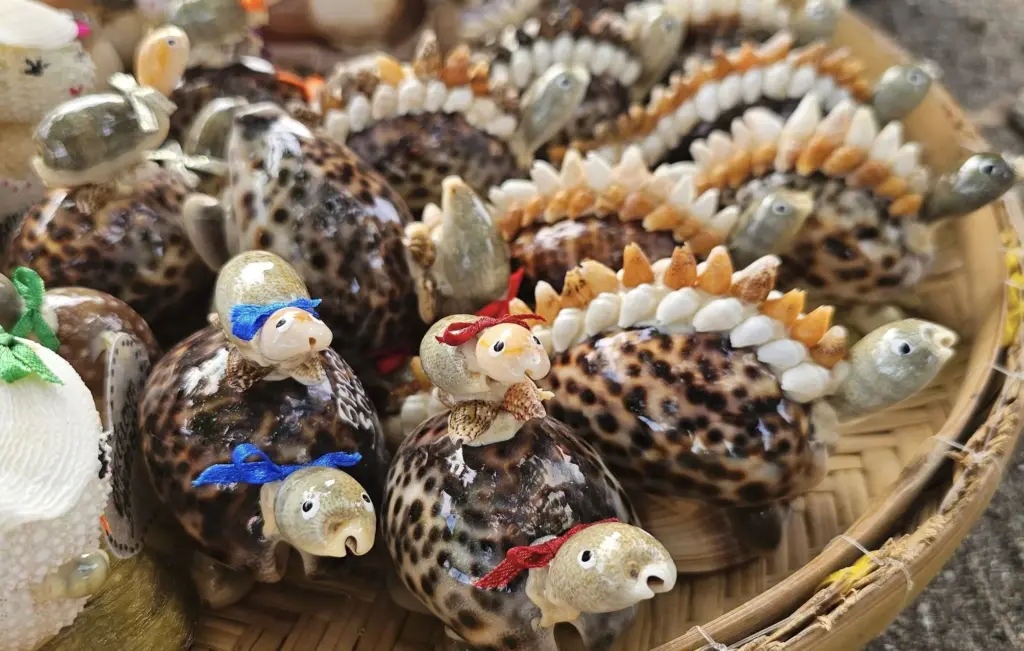
Do not buy these items under any circumstances. Sea turtles are highly protected endangered species. Harvesting their shells is heavily penalized under Mexican law, and attempting to transport these products across international borders violates strict global wildlife trafficking treaties (like CITES). If Customs and Border Protection (CBP) officers discover these items in your luggage, they will be immediately seized, and you will be slapped with an incredibly steep financial penalty. Stick to purchasing authentic silver jewelry from reputable local artisans instead.
2. Sea of Cortez Coral & Oversized Seashells
Famed oceanographer Jacques Cousteau famously dubbed the Sea of Cortez the “aquarium of the world,” and its vibrant underwater ecosystems are heavily protected. While walking the marina or exploring downtown, you might see vendors selling beautiful pieces of raw black coral or massive, pristine seashells like the Queen Conch.
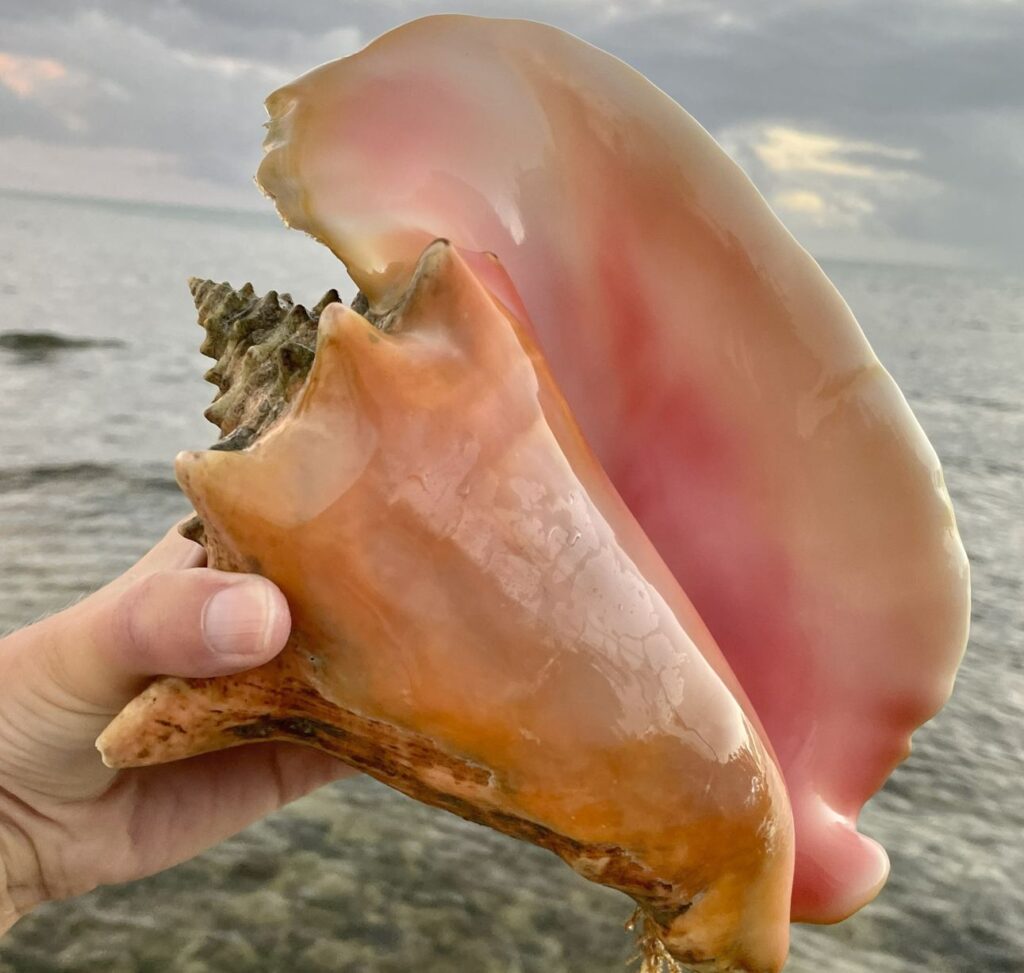
While these items look stunning on a display table, taking them out of the country is a massive legal risk. Many species of coral and specific large mollusks are protected under international law to prevent the destruction of fragile marine habitats. Furthermore, it is incredibly difficult for a standard traveler to prove to a customs agent that a piece of coral was ethically sourced rather than illegally harvested from a protected reef. Leave the ocean’s beauty where it belongs and take plenty of underwater photos instead.
3. Jars of Authentic Lover’s Beach Sand
It sounds like the perfect, free souvenir: you take a water taxi out to Land’s End, spend the afternoon relaxing on Lover’s Beach, and scoop a handful of that iconic golden sand into a glass jar to put on your mantle back home.


While it seems completely innocent, it is actually a double violation. First, under Mexican federal law, all natural elements—including sand, rocks, shells, and native flora—belong to the nation. Removing sand contributes to coastal erosion and is technically illegal. Second, when you arrive at US or Canadian customs, agents view soil, sand, and earth as massive agricultural threats because they can harbor microscopic pests, invasive seeds, and foreign diseases. Save yourself the hassle of an agricultural inspection and leave the sand on the beach.
4. Fresh Farm-to-Table Agricultural Goods
Los Cabos has evolved into a world-class culinary destination, completely revolutionizing the farm-to-table dining scene with incredible venues tucked away in the foothills of the Sierra de la Laguna mountains. You might visit a local organic market and be tempted to pack some fresh Baja mangos, local citrus, or artisanal unpasteurized cheeses into your carry-on.
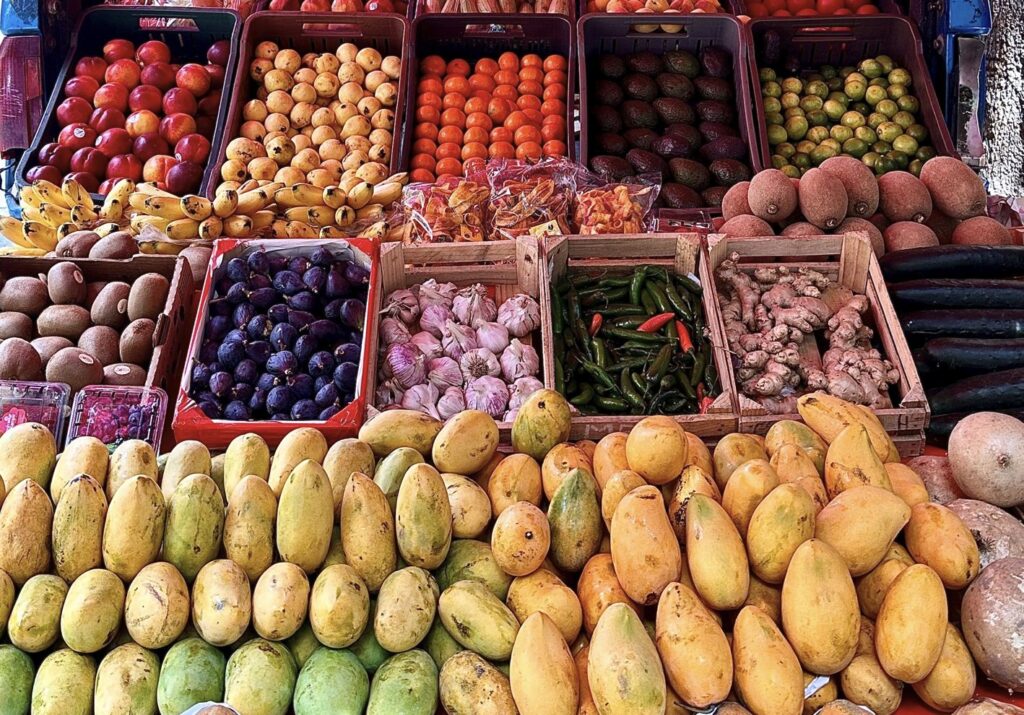
You must resist the urge. The United States maintains incredibly strict agricultural import laws to protect its domestic farming industries from foreign pests and diseases. The vast majority of fresh fruits, vegetables, raw nuts, and unpasteurized dairy products are strictly banned from entering the country. If you do not declare these items, you face fines reaching hundreds of dollars. If you do declare them, they will simply be thrown directly into the amnesty bin at the airport. Enjoy the incredible local produce while you are sitting at the restaurant, but do not pack it in your suitcase.
5. Authentic Cuban Cigars & Rum (U.S. Citizens)
Walking through downtown Cabo San Lucas, you will inevitably pass dozens of shops advertising authentic Cuban cigars (like Cohibas and Montecristos) and premium Havana Club rum. For Canadian tourists, bringing a reasonable quantity of these items home for personal use is perfectly fine.
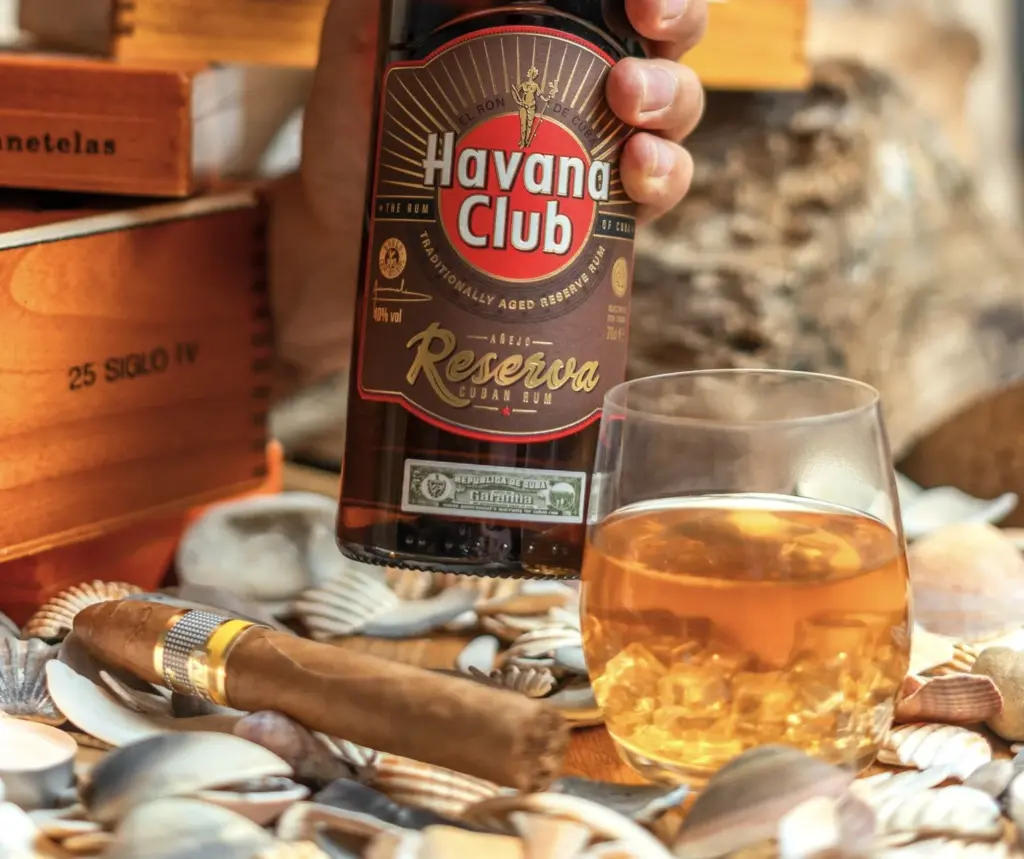
However, if you are a United States citizen, the rules are drastically different. Despite temporary relaxations in the past, the U.S. government’s economic embargo remains strictly enforced in 2026. It is highly illegal for American travelers to bring Cuban-origin alcohol or tobacco products directly into the United States, even if they were purchased legally in a third-party country like Mexico. Do not make the costly mistake of buying a $300 box of cigars only to watch a CBP agent snap them in half at the border. If you want to experience a Cuban cigar, buy a single stick and enjoy it on your resort balcony before you head to the airport.
Banned Souvenirs
The Ultimate Cabo Trip Planner
When’s the best time to go? Our powerful month-by-month guide breaks down the weather, crowds, hotel rates, and whale watching seasons for your perfect trip.
Find Your Perfect Los Cabos Resort In Seconds
This simple, powerful tool was built by our on-the-ground experts to match you with the ideal resort for your specific budget and travel style.
Subscribe to our Latest Posts
Enter your email address to subscribe to The Cabo Sun’s latest breaking news affecting travelers, straight to your inbox.